

Framed French Canvas Painting
When you search for a framed french canvas painting, you enter a world of portraits, landscapes, and classical scenes stretching from the seventeenth century through to the mid twentieth.
Framed French Canvas Painting
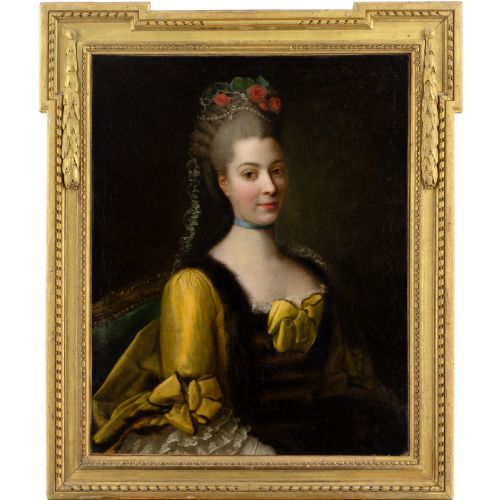
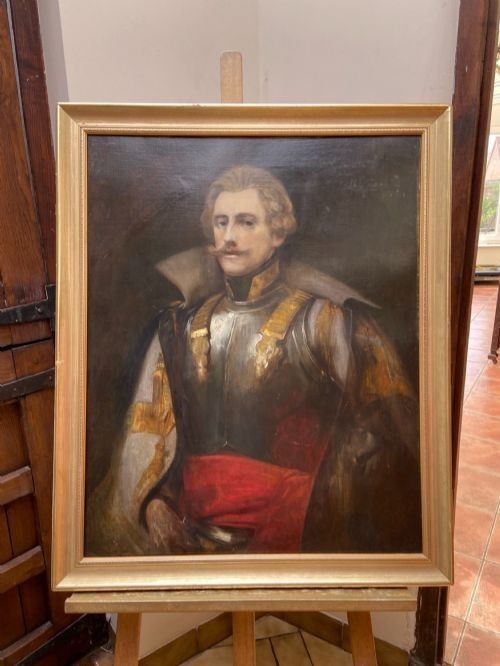
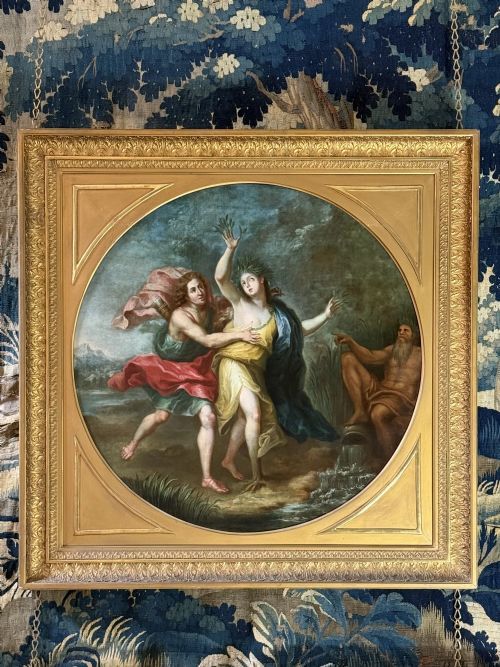
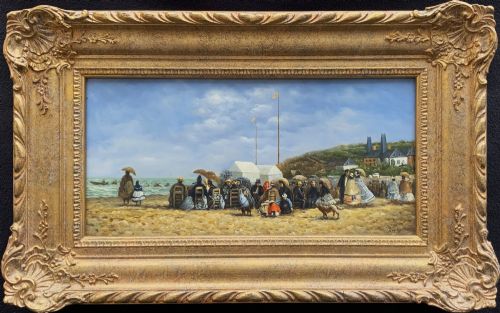
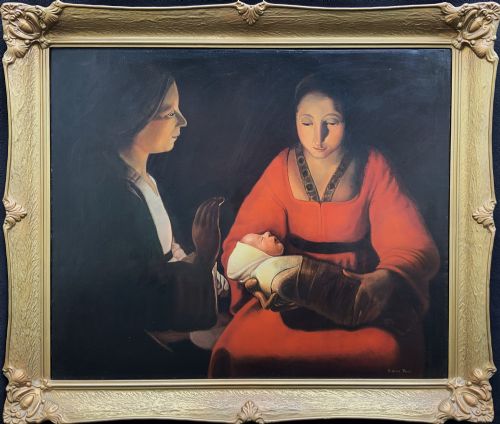
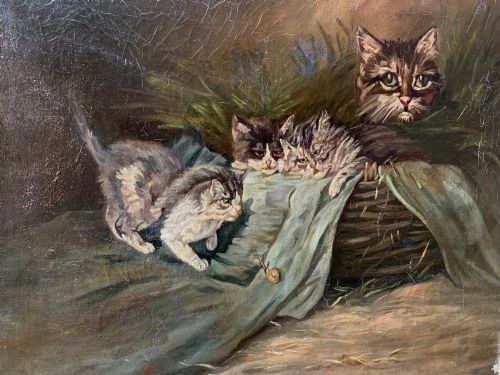
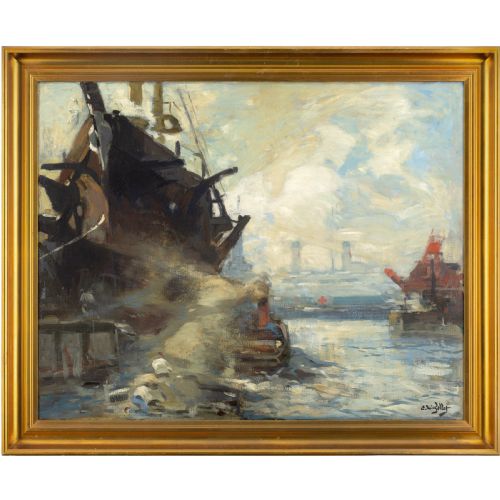
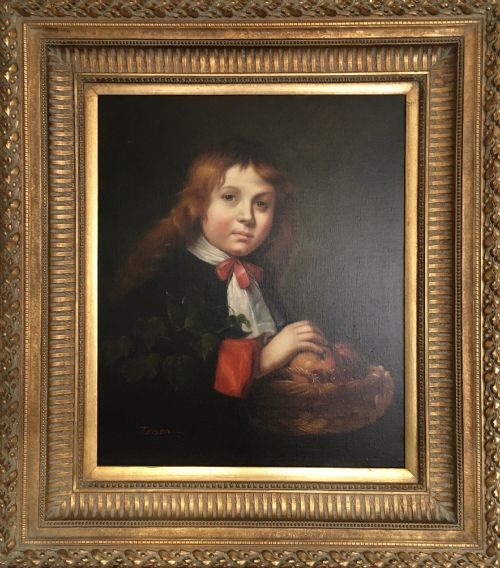
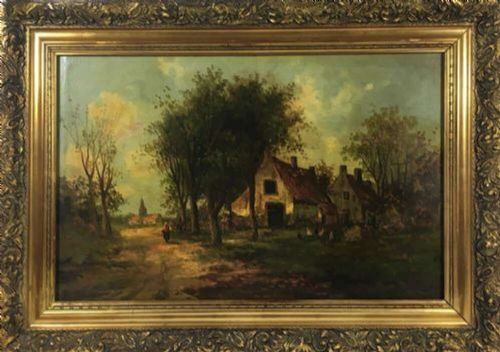
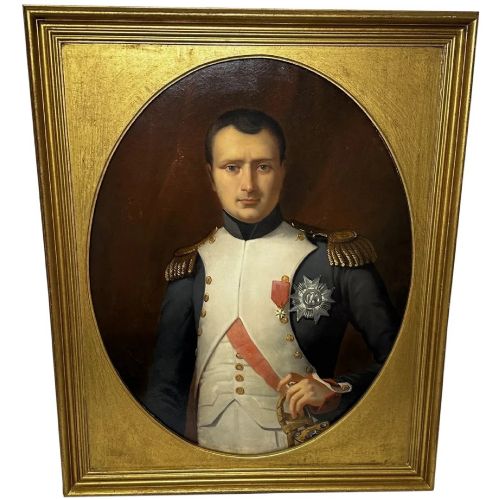
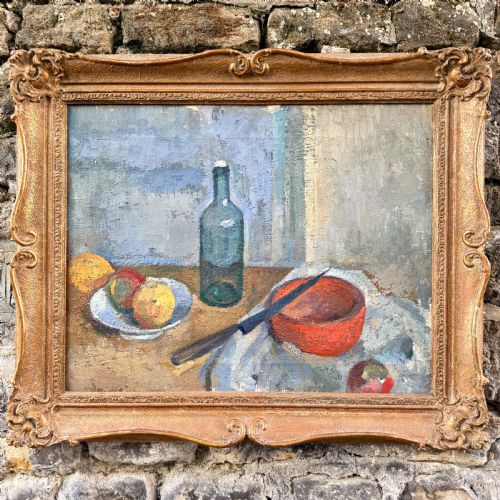
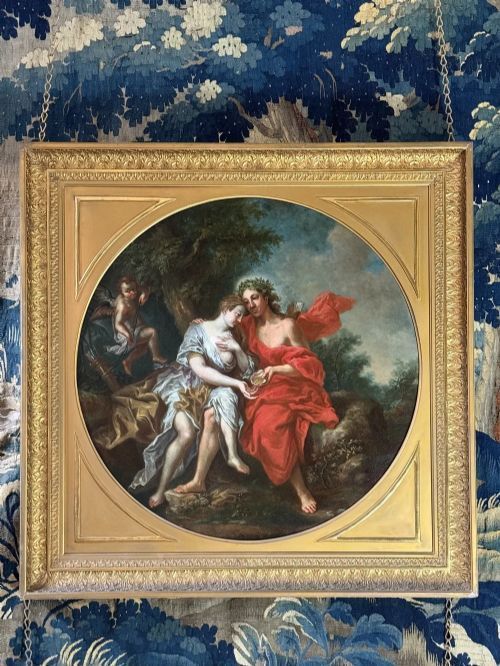
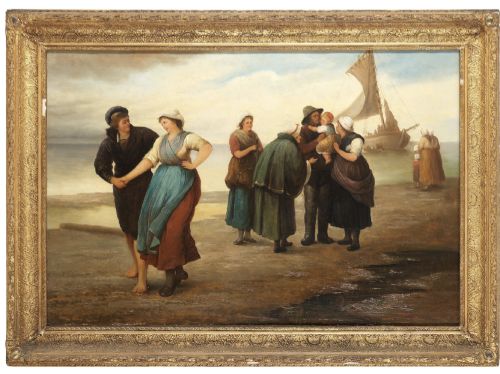
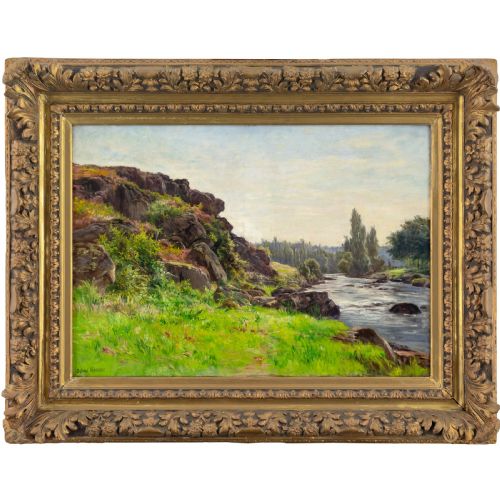
A framed french canvas painting brings together centuries of artistic expression, ranging from formal eighteenth-century military and aristocratic portraits to nineteenth-century Barbizon school landscapes and post-impressionist street scenes. These works capture specific moments in time, whether through classical mythological pairings or intimate depictions of rural life.
You are likely to encounter canvases spanning the 18th, 19th, and 20th centuries, often housed in period wooden frames adorned with gesso or gilt details. The subject matter varies widely, encompassing coastal views, still lifes, cityscapes, and narrative genre scenes created by named masters and regional schools alike.
How they were made
The foundation of these artworks relies upon oil paint applied to woven canvas stretched over wooden supports, capturing light and texture across the surface. Many pieces are secured within elaborately carved wood frames finished with gesso and layers of gold leaf or gilt.
Makers utilised traditional brushwork techniques ranging from precise neoclassical portraiture to the looser, atmospheric strokes characteristic of the Barbizon and impressionist schools.
The selection includes classical portraits, naval officers, serene landscapes, and urban scenes by French and European schools.
What varies in quality
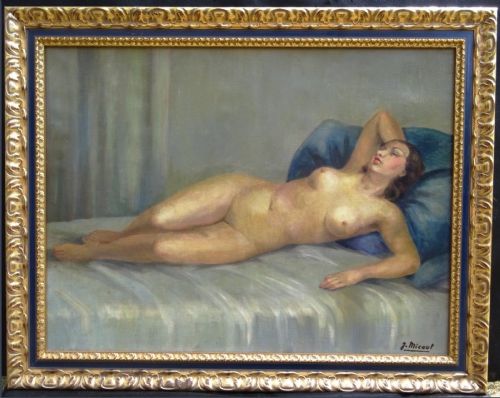
The calibre of a canvas rests upon the precision of the brushwork and the expressive depth of the composition, distinguishing masterworks from routine studio production. Anatomy, perspective, and the handling of light reveal the true capability of the hand behind the work.
The surrounding frame also influences the overall integrity, with period-correct gilt wood and detailed gesso mouldings complementing the visual weight of the painting itself.
Charles-Antoine Coypel·Edouard Pingret·Achille-Fould·Alfred Arthur Brunel de Neuville·Paul Désiré Trouillebert
The Framed French Canvas Painting Glossary
- Gesso
- A plaster-like mixture applied to wooden frames as a smooth base for subsequent gilding or painting. It provides the crisp sculptural detail seen on ornate borders.
- Barbizon School
- A mid-nineteenth-century French art movement focused on realism in landscape painting, emphasising direct observation of nature and rural life.
- Giltwood
- Wood that has been treated with a thin layer of gold leaf or gold paint. It adds a reflective warmth to period picture frames.
- Post-Impressionism
- A French art movement developing roughly from the late nineteenth century that extended impressionist limits while rejecting its limitations. Artists emphasised symbolic content and heavier brushwork.
- Neoclassical
- A style inspired by the classical art and culture of ancient Greece and Rome. It prioritises solemn subjects, balanced compositions, and restrained palettes.
Framed French Canvas Painting: Frequently Asked Questions
How do I date a canvas?
Dating relies upon stylistic markers, costume details in portraits, and the construction methods of the underlying stretcher and frame. Historical records or signatures left by the artist often provide a firm point of origin.
Examinations of the canvas weave and the type of pigments used offer further clues regarding whether a piece belongs to the seventeenth, eighteenth, or subsequent centuries.
Where should I hang these paintings?
These works suit traditional drawing rooms, studies, or hallways where period lighting enhances the texture of the oil paint and the gleam of the gilt frame. Positioning them away from direct sunlight protects the pigments from fading over time.
Ensure the wall fixings can support the combined weight of the canvas and its substantial wooden frame, particularly for larger nineteenth-century compositions.
What is the Barbizon school?
The Barbizon school refers to a group of French painters who gathered near the Fontainebleau forest to paint landscapes directly from nature. Their work marked a departure from formal studio painting in favour of atmospheric realism.
Pieces from this tradition typically feature earthy tones, forest clearings, or rural farmyards rendered with textured brushwork.
Are frames original to the paintings?
Many works retain their period frames, such as nineteenth-century giltwood or gesso mouldings that match the era of the artwork. Over the decades, some canvases may have been reframed to suit changing domestic tastes.
Matching frames add historical context, though pairings of art and frame often evolved as pieces passed through successive collections.