


Classic Figurative Oil Canvas
A classic figurative oil canvas brings human presence and narrative depth to a room, carrying the weight of past centuries through oil paint on stretched canvas.
Classic Figurative Oil Canvas
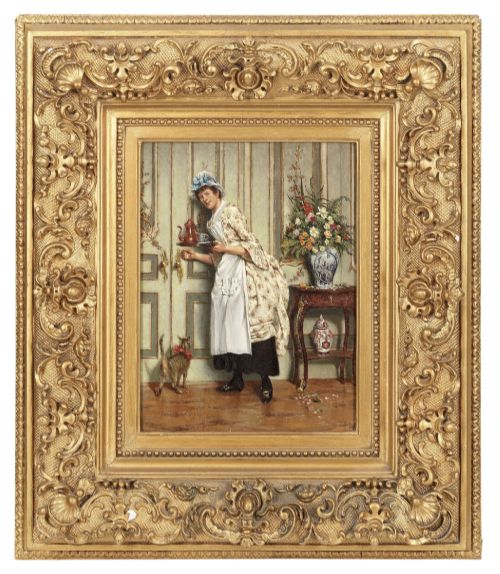
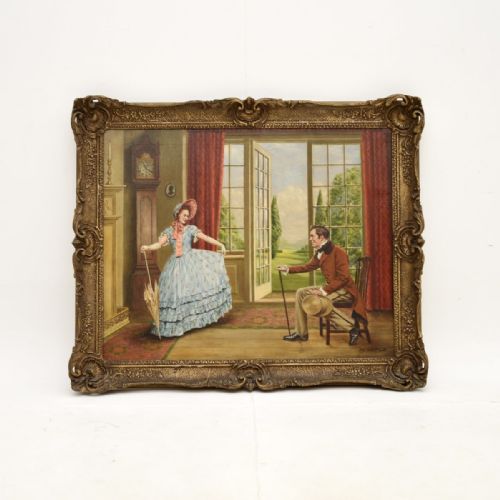
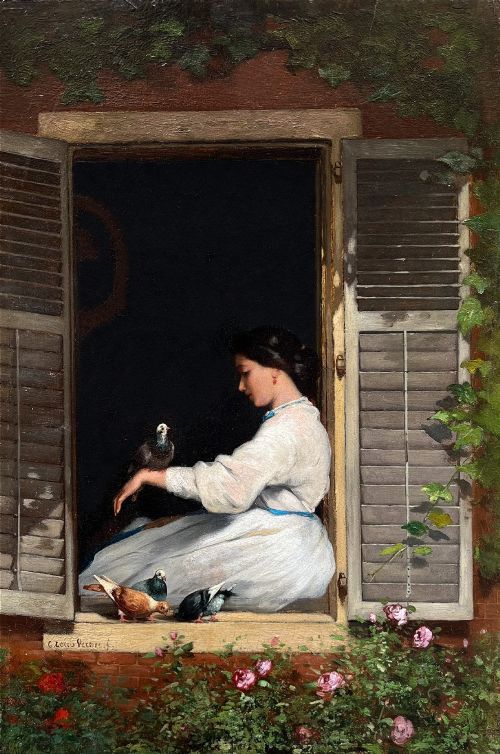
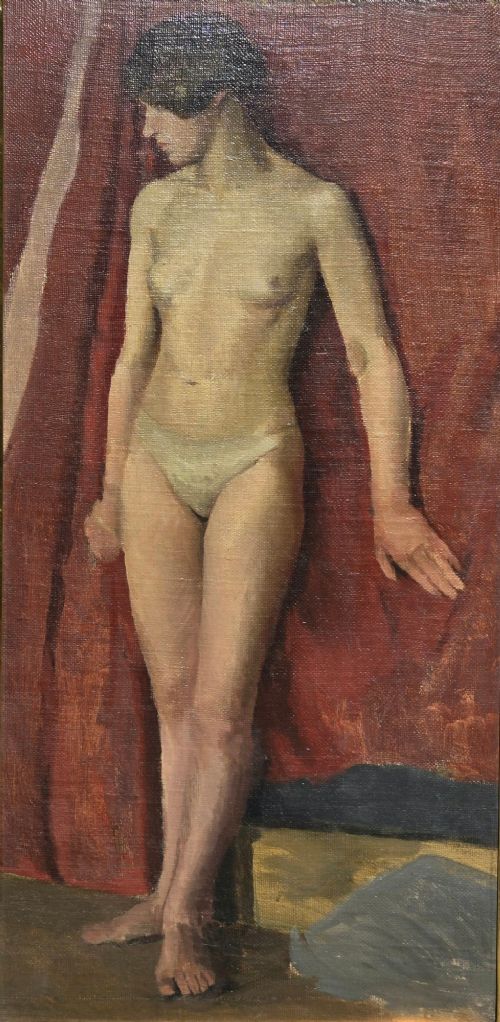
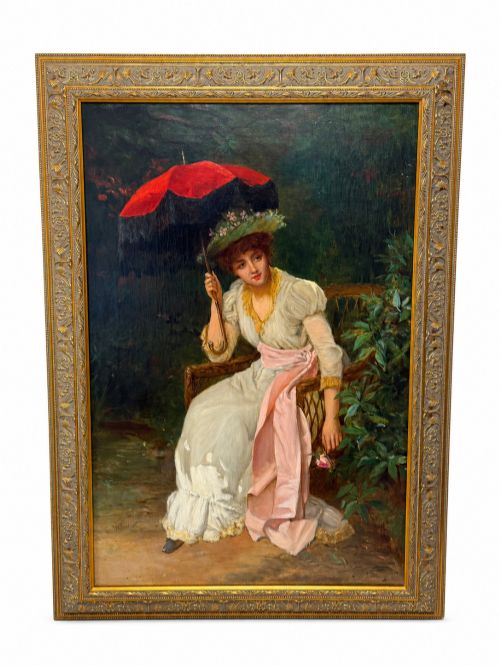
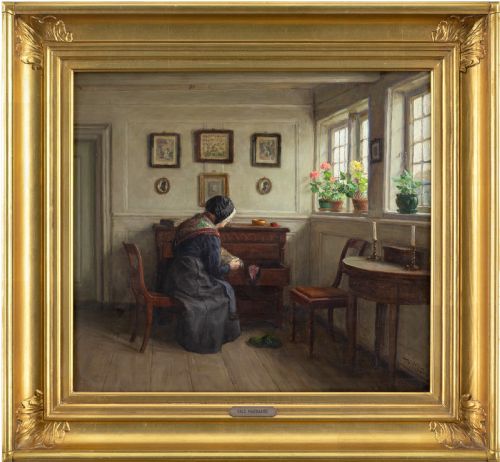
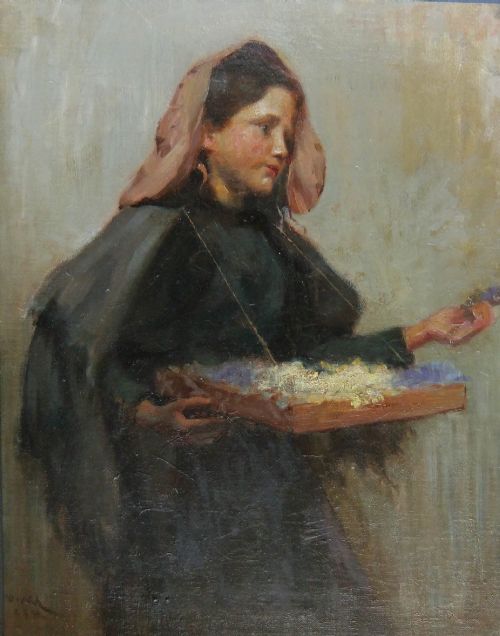
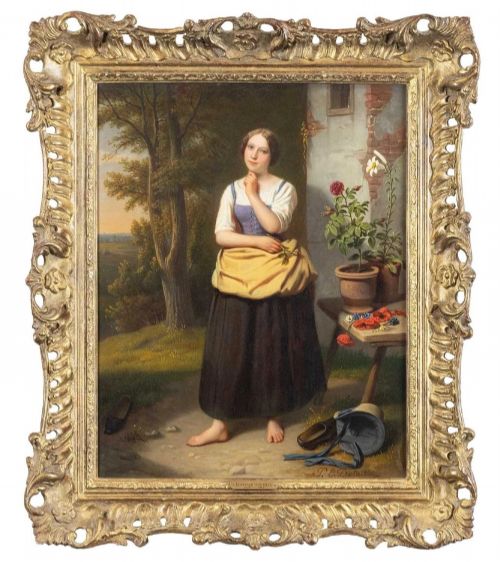
A classic figurative oil canvas depicts human figures within interior scenes, formal portraits or outdoor genre settings, capturing both individual likenesses and everyday narratives. These works span from the eighteenth century through the Edwardian era and into early modern decades, reflecting shifting artistic priorities across Britain and continental Europe.
The most common examples on this page are nineteenth-century genre paintings and portraits framed in gilded wood or gesso. Buyers encounter everything from intimate interior domestic moments to sweeping historical or romantic scenes executed in oils.
Materials and construction
The foundation of every piece is oil paint applied to a woven canvas support, allowing artists to build rich textures and subtle tonal gradations over time. This technique permitted slow drying periods so painters could blend pigments and achieve realistic flesh tones and drapery.
Surviving frames combine carved wood with gesso and gilding to protect and complement the canvas. These surrounds often show the distinct decorative traits of their period, from simple nineteenth-century mouldings to ornate Victorian styles.
Dogs make frequent appearances alongside human subjects, proving that nineteenth-century portraiture understood the enduring appeal of a good pet.
Judging quality in figurative paintings
Quality rests in the handling of anatomy, expression and light, where masterly brushwork brings a convincing sense of life to the human subject. Lesser examples often display stiff poses and flat, uninspired application of pigment.
The relationship between the figure and its surrounding space dictates the strength of the composition. Superior works integrate the subject harmoniously into the background, whereas weaker pieces treat the sitter and setting as disconnected elements.
Stephen Samuel Lewin·Alfred Lyndon Grace·Louis Charles Verwee·Winifred Rymer·William Oliver·Valdemar Magaard·William Watt Milne·William Arthur Breakspeare·Attilio Toro·Hendricus Joseph Dillens·Sydney Kendrick·Richard Waitt·Arthur Heinrich Wilhelm Fitger·John Singer Sargent
The Classic Figurative Oil Canvas Glossary
- Genre painting
- A style of art depicting scenes from everyday life, typically involving ordinary people engaged in common activities. These works provide valuable social history through their detailed depictions of past interiors and costumes.
- Gesso
- A plaster-like mixture applied to wooden frames as a smooth base before gilding or painting. It provides the crisp definition seen on traditional picture frames.
- Impressionism
- A nineteenth-century movement characterised by relatively small, thin yet visible brush strokes and an emphasis on accurate depiction of light. Artists working in this manner prioritized atmosphere over rigid academic finish.
- Realism
- The attempt to represent subject matter truthfully without artificiality, avoiding artistic implausibility. This approach dominated much nineteenth-century figurative art.
Classic Figurative Oil Canvas: Frequently Asked Questions
What periods do these paintings cover?
The works span from the early eighteenth century through the Victorian and Edwardian eras up to the nineteen-thirties. This timeline encompasses diverse artistic movements including nineteenth-century realism and early modern British styles.
Each period brings distinct clothing, interior decor and painting techniques that help date the canvas accurately.
How should I hang an oil painting?
Select a wall away from direct sunlight and strong heat sources to protect both the canvas and the oil pigments from fading or cracking. Proper picture hooks screwed into wall studs provide secure support for heavier framed works.
Ensure the painting hangs at eye level so the figurative subject can be viewed comfortably from a standing or seated position.
How do I care for a canvas?
Dust the surface and the ornate frame gently using a soft, dry brush without applying pressure to the taut canvas. Avoid chemical cleaners or moisture, which can damage the delicate layers of old oil paint and gesso.
Keep room humidity stable to prevent the wooden stretcher bars and canvas from warping or slackening over the years.
Are these works signed?
Many pieces retain the original artist signature or initials, often inscribed discreetly in a lower corner of the canvas. Documentation and attribution records also accompany works associated with known painters or specific European schools.
Unsigned pieces rely on stylistic analysis, period materials and framing clues to establish their origin and approximate date.