



Art Deco Figure Study
An art deco figure study captures the dynamic energy and sleek lines of the interwar years through bronze, paper, and walnut.
Art Deco Figure Study
When you search for an art deco figure study, you encounter a distinct gathering of sculptures, desks, and works on paper from the 1920s and 1930s. These pieces focus predominantly on the human form, rendered through original drawings, framed prints, and paintings alongside sculptural bronzes.
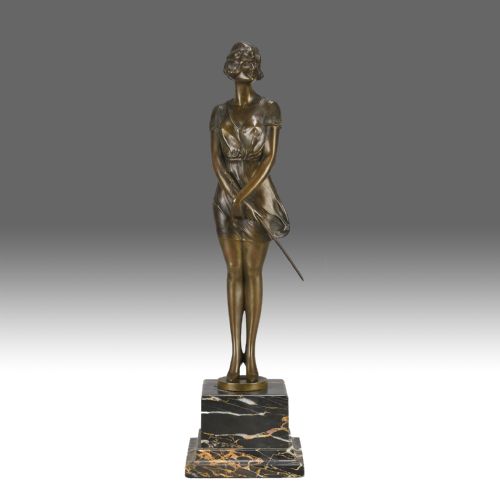
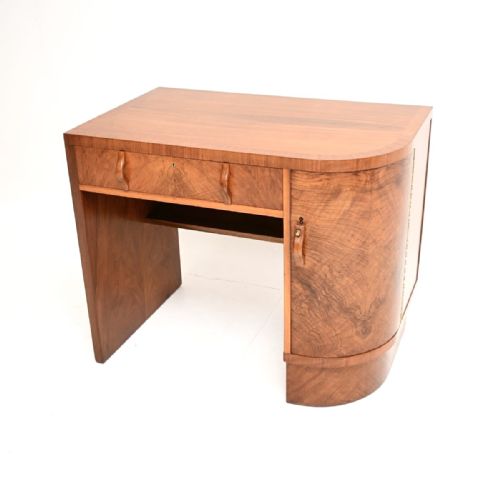
The sculptural works on this page frequently manifest as patinated or cold-painted bronze figures mounted on marble plinths, depicting subjects ranging from dancers to athletes. Alongside these, you find functional walnut desks and graphic works on paper capturing male and female nudes.
Materials and construction methods
Bronze forms the backbone of the sculptural offerings, often cold-painted or patinated and mounted on black marble plinths. Woodwork relies on walnut and walnut veneer, shaping desks that embody the clean lines of the period.
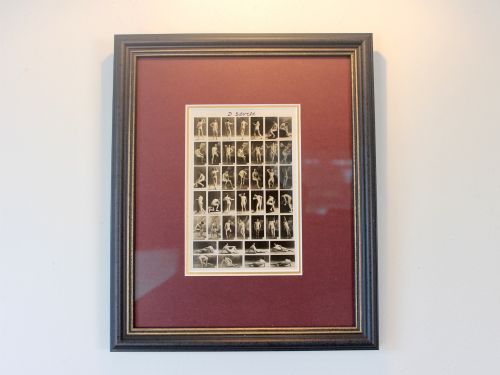
Works on paper encompass original drawings, photographic contact sheets, and oil on canvas. Brass components occasionally supplement the primary timber and metal structures.
Listings combine bronze sculpture, works on paper, and walnut furniture from the 1920s and 1930s.
Distinctions in craftsmanship and origin
The standard of a bronze study rests in the crispness of the casting and the finesse of the patination, particularly in works by named sculptors. Desk quality is defined by the choice of figured walnut veneer and the structural integrity of the timber.
Works on paper vary according to the immediacy of the draughtsmanship and the clarity of the medium, whether dealing with a pencil sketch, an oil painting, or a photographic contact sheet.
Bruno Zach·Ferdinand Preiss·Josef Lorenzl·Lucien Gibert·Julian Mandel·Henry Bird
The Art Deco Figure Study Glossary
- Cold-painted
- A method where bronze figures are painted with natural colours using a glue-based binder rather than being fired in a kiln. This delicate technique appears on several sculptural studies from the period.
- Patinated
- The surface treatment applied to bronze to alter its colour and create a specific sheen or aged tone. It protects the metal while defining the contours of the figure.
- Figured walnut
- Timber cut to highlight the decorative grain patterns, commonly utilised on the surfaces of desks from the era. The natural swirls contribute to the aesthetic of the piece.
- Contact sheet
- A photographic print made by placing negatives directly onto photographic paper, yielding an image the exact size of the negative. These provide direct visual records from the period.
Art Deco Figure Study: Frequently Asked Questions
What defines an art deco figure study?
These works focus primarily on human subjects through sculptural bronzes, drawings, and paintings created during the 1920s and 1930s. They reflect the modernism and distinct aesthetic of the interwar period.
The category encompasses both two-dimensional works on paper and three-dimensional bronze sculptures mounted on marble bases.
How were these bronze sculptures displayed?
Many bronzes from this era are mounted directly onto solid marble plinths, providing a stable and contrasting base for the metalwork. This method of presentation was standard for cabinet bronzes of the period.
The heavy stone base anchors the dynamic postures of dancers and athletes common in the medium.
How do I care for a walnut desk?
Walnut and walnut veneer surfaces require protection from direct sunlight and excessive moisture to preserve the timber and grain. Regular dusting with a soft, dry cloth maintains the finish without stripping the natural oils.
Avoid placing items that trap heat or moisture directly onto the wood.
How do I distinguish drawings from prints?
Original drawings and paintings show distinct brushstrokes, ink lines, or pencil marks under close inspection, unlike mechanical printing processes. Framed prints and photographic contact sheets display uniform dot patterns or photographic emulsion layers.
Examining the paper surface under magnification clarifies the technique used.