
Framed Figure Landscape Art
Framed figure landscape art brings together human presence and wide vistas across centuries of painting traditions.
Framed Figure Landscape Art
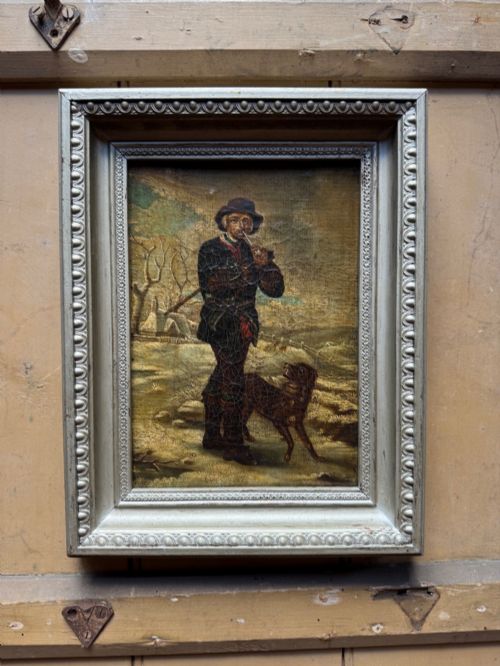
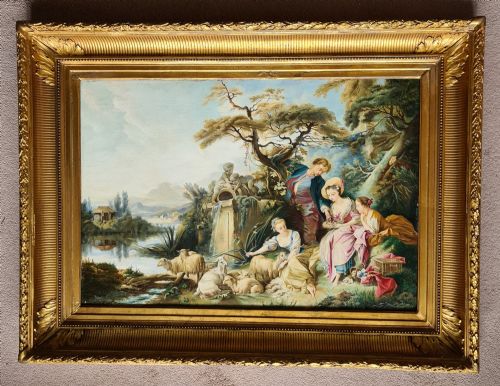
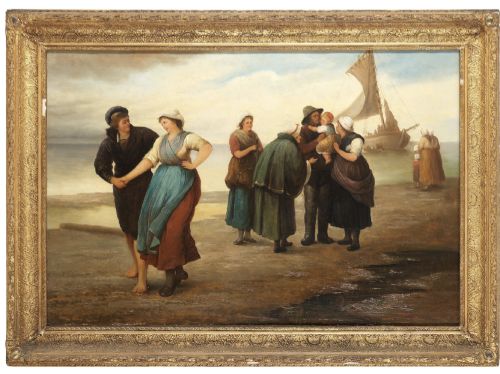
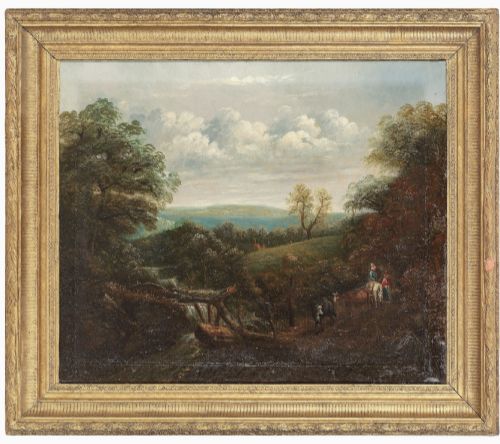
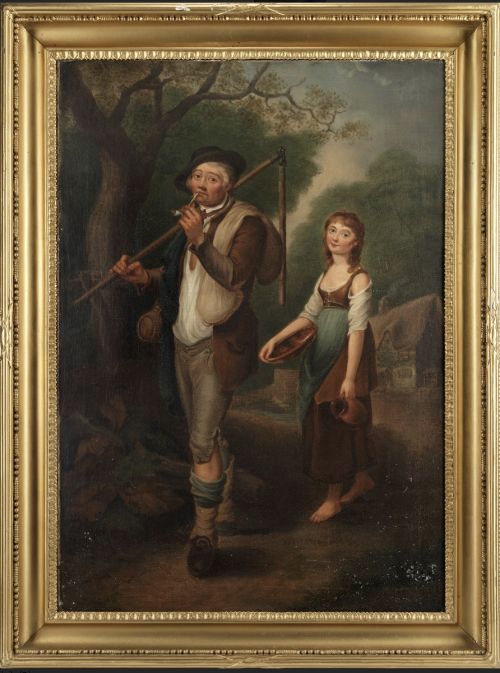
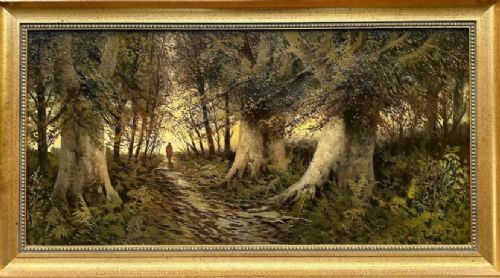
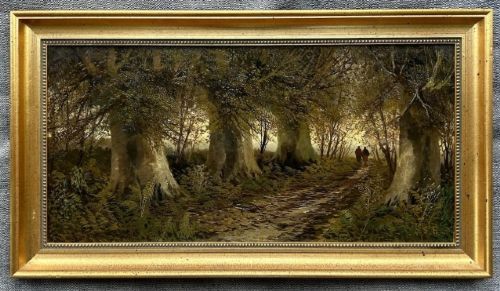
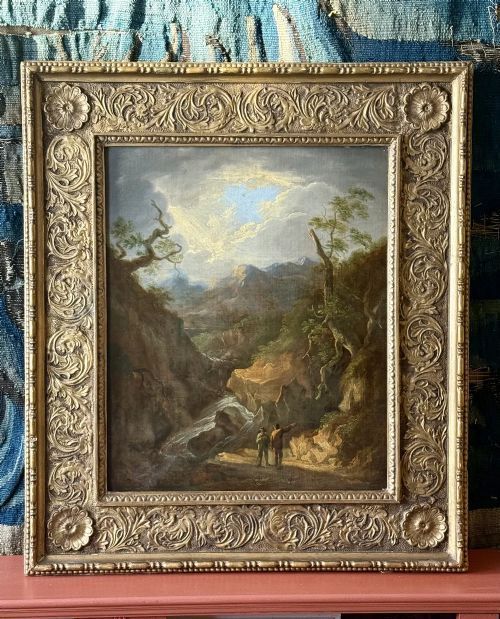
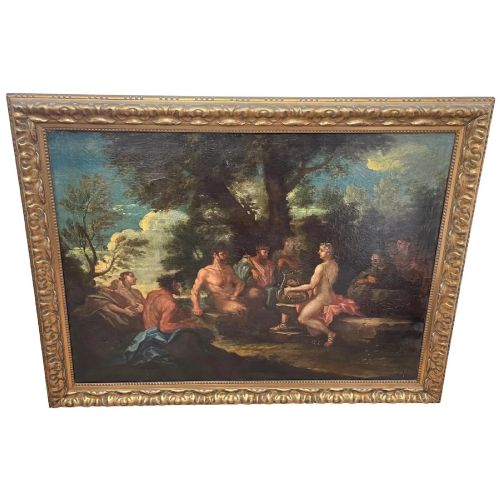
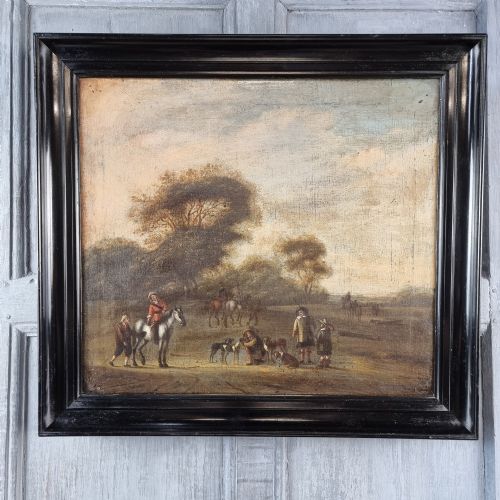
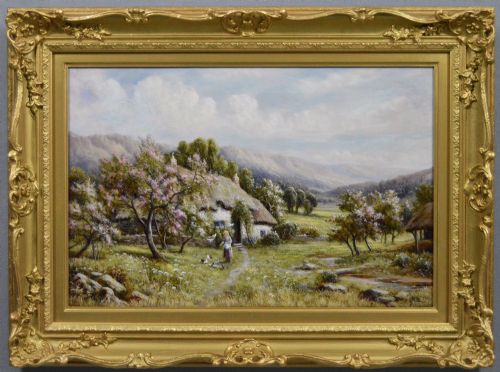
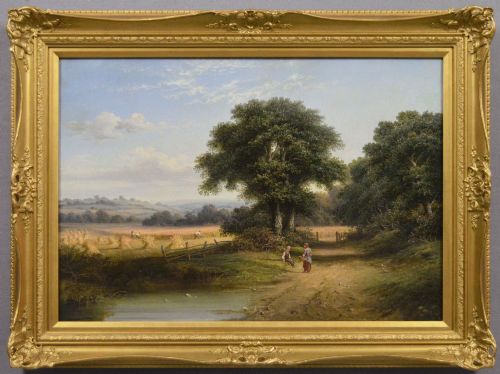
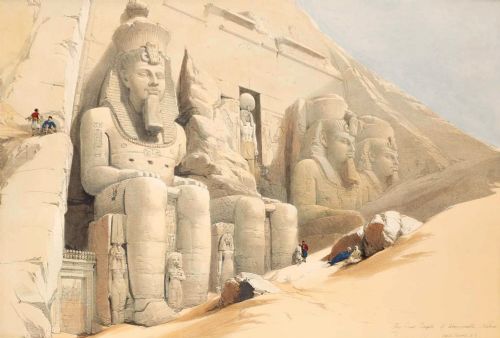
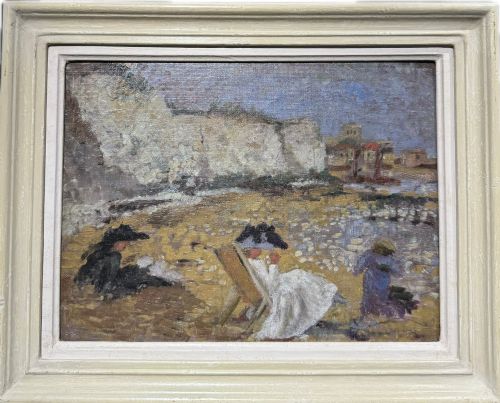
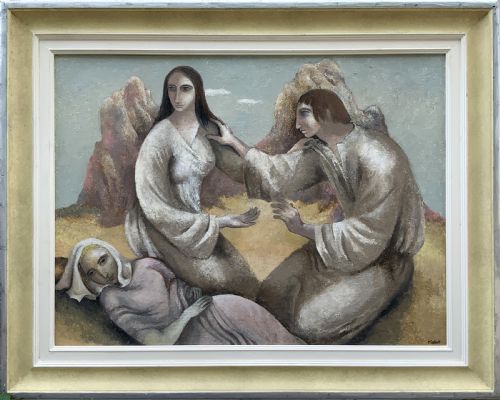
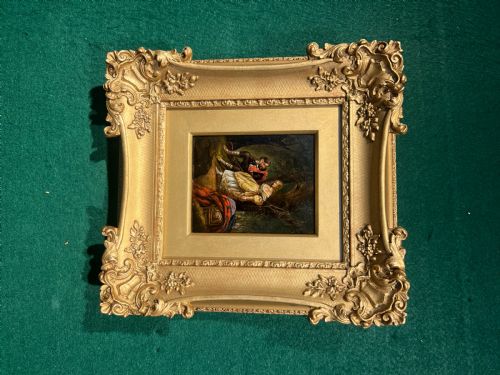
Framed figure landscape art combines natural scenery with human activity, capturing travellers, labourers, and mythic figures set within pastoral or urban vistas. These works span periods from the seventeenth century through to the mid-twentieth century, recording changing approaches to composition and mood. Buyers will encounter oil paintings on canvas and panel alongside watercolours and mixed media drawings, housed in period frames.
The nineteenth century provides a large share of these pieces, alongside examples from the eighteenth and seventeenth centuries, plus later works into the nineteen-fifties. Styles range from Dutch Golden Age and French Rococo to the Norwich School, British Impressionism, and Victorian orientalism. Scenes move from country paths and harvest fields to continental cities, coastal harbours, and mythological settings.
Materials and methods
Painters relied upon oil paint applied to canvas or wood panel, building up rich surfaces through layered glazes or thick impasto work. Watercolour and ink on paper served for lighter, fluid compositions, often mounted under glass.
Frames form an integral part of these works, constructed from wood with giltwood or painted finishes that complement the era of the painting.
Listings feature works from the seventeenth century up to 1960, executed in oil paint, watercolour, and ink on canvas, panel, and paper.
Quality variations
Execution of the human form and the integration of figures into the surrounding topography set works apart, separating confident brushwork from rigid or hesitant rendering. The handling of light, atmosphere, and perspective defines the depth and visual success of the landscape.
The survival of original supporting panels or canvas together with period frames influences the integrity of the piece, as does the clarity of attribution to known schools or makers.
Thomas W Lascelles·Benjamin Barker Of Bath·Robert John Hammond·Walter Heath Williams·David Roberts·Ethel Sands·Christine Nesbit·Umberto Volpato·Henry de Waroquier·Carlo Ferranti·Florence Adelina Hess·Ronald Ossory Dunlop·Henry H Parker·Margaret Maitland Howard·Thomas Baker of Leamington·Cornelis Van Poelenburgh·Thomas Edward Roberts·Henry John Yeend King·Cornelis Christian Dommersen·Johannes Philippus Galjaard·Robert Thorne Waite
The Framed Figure Landscape Art Glossary
- Oil on Canvas
- Pigment mixed with drying oil applied to a woven fabric support. This combination allowed artists to work with rich colours and blend tones smoothly.
- Giltwood
- Wood carved and coated with a thin layer of gold leaf or metallic powder. It provides reflective decorative borders for traditional frames.
- Impasto
- Paint laid on an area of a surface in very thick layers, standing out visibly from the canvas. This technique adds tactile dimension and captures light dynamically.
- Panel
- A flat piece of wood used as a rigid support for painting instead of fabric. Panels were favoured by many early European masters for stability.
Framed Figure Landscape Art: Frequently Asked Questions
What periods do these artworks cover?
These pieces date from the seventeenth century through to the mid-twentieth century, encompassing periods like the Dutch Golden Age and the Victorian era.
Most available works originate from the nineteenth century, reflecting diverse regional schools and painting traditions.
What subjects appear alongside the landscape?
Compositions frequently incorporate travellers on paths, agricultural workers in harvest fields, figures by rivers, and mythological characters.
These human elements introduce narrative scale and focal points within pastoral, urban, or coastal views.
How do I identify different painting techniques?
Paintings utilise oil on canvas or wood panel for rich colour depth and layered textures, while works on paper employ watercolour and ink.
Closer inspection reveals whether an artist built up smooth glazes or applied thick impasto strokes.