


Oil on Panel Art
Oil on panel art brings centuries of rich brushwork and stable wooden grounds into your home, offering enduring character that canvas rarely matches.
Oil on Panel Art
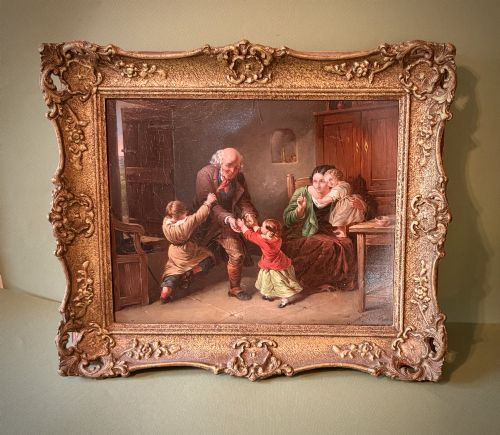
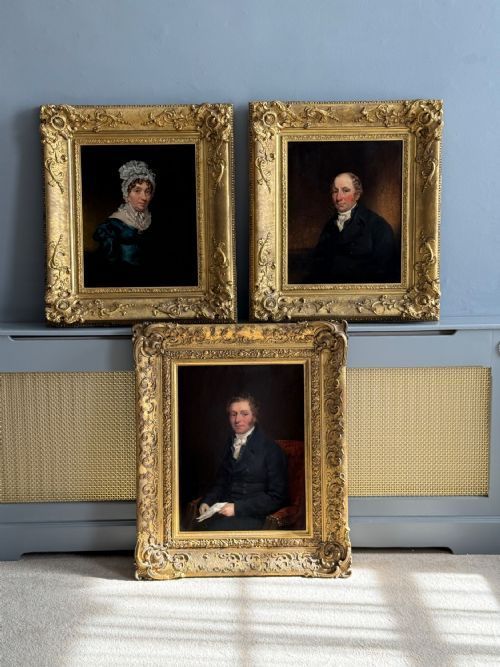
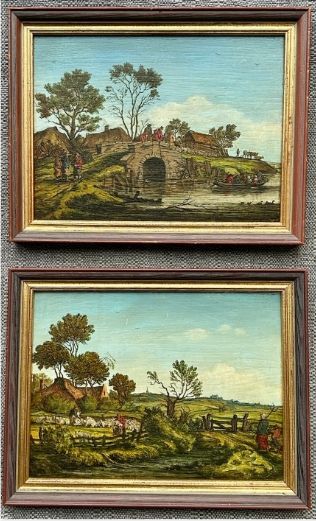
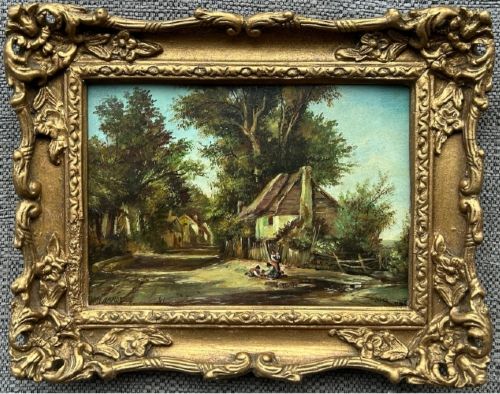
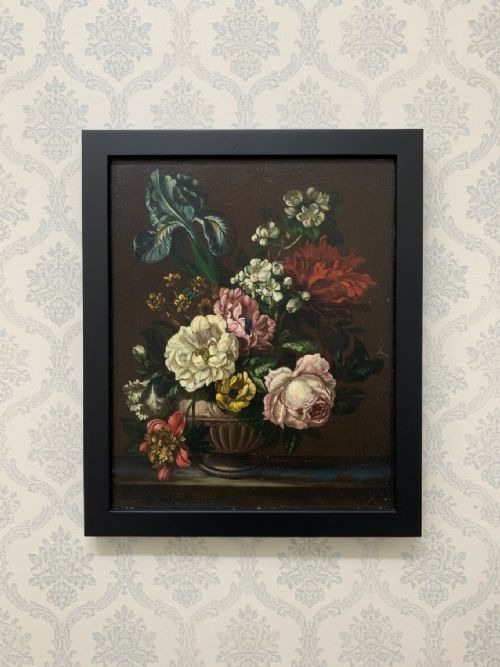
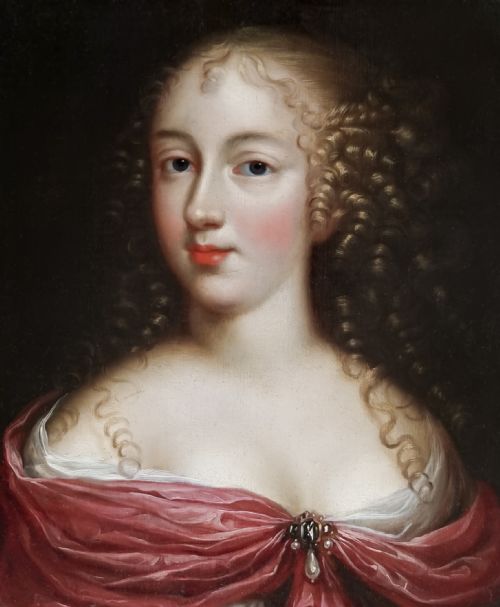
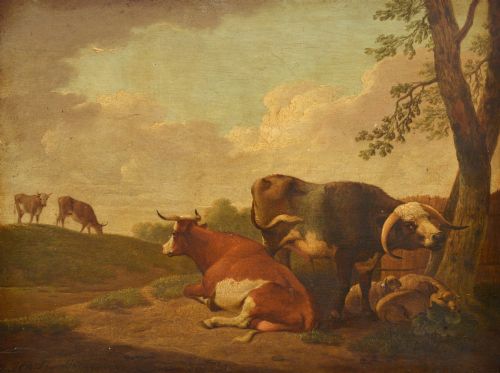
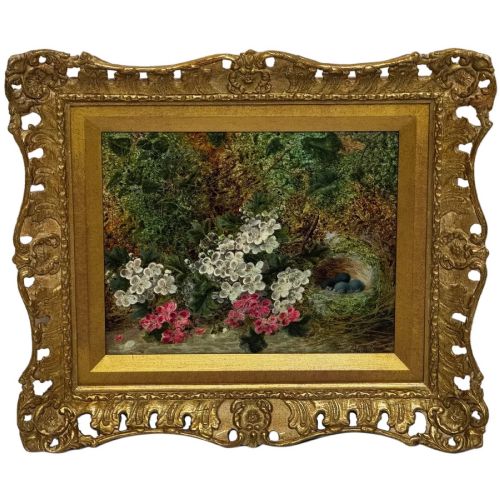
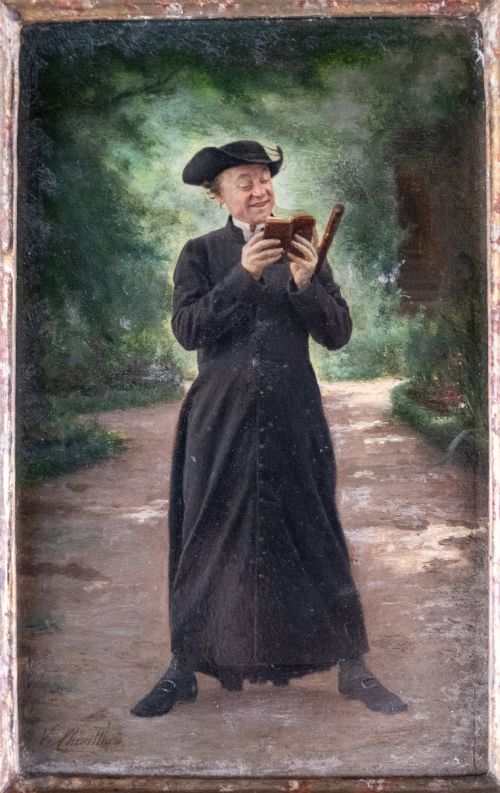
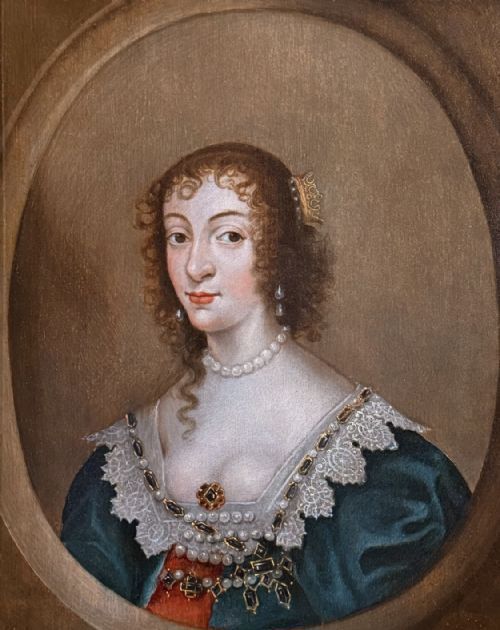
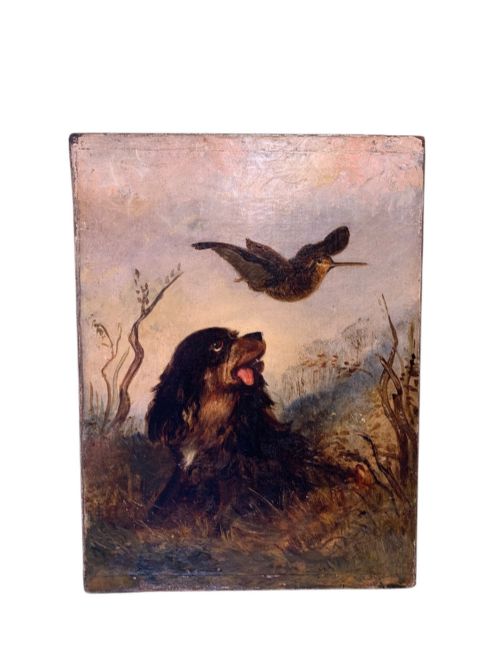
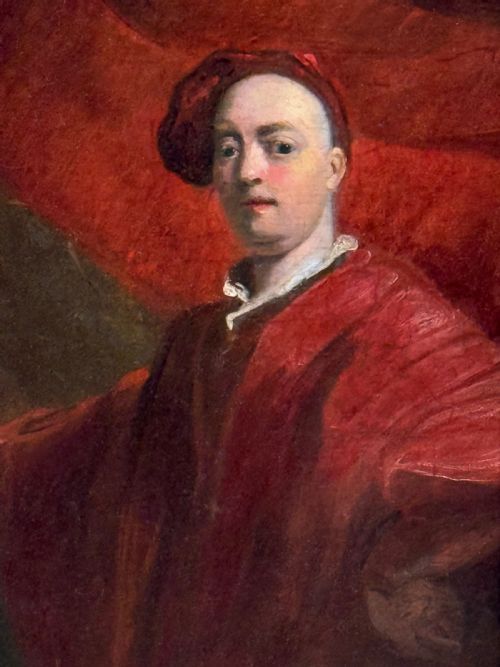
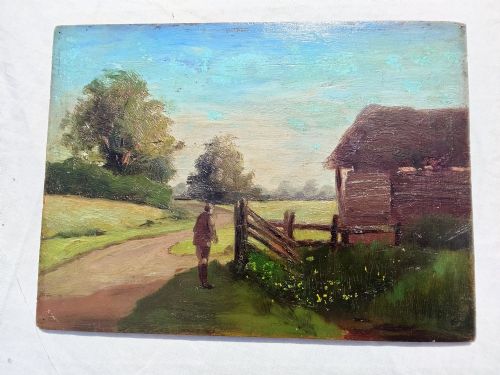
Oil on panel art encompasses centuries of painted works executed directly onto solid wooden supports, including oak and various hardwoods, rather than woven fabric. Buyers exploring this category encounter everything from 17th-century European portraiture and Dutch still lifes to 19th-century pastoral landscapes and early 20th-century impressionist scenes.
How they were made
Artists traditionally prepared seasoned wood panels with layers of gesso or sizing to create a smooth, non-porous ground for oil paint application. This solid foundation allowed painters to achieve microscopic detail and luminous glazes that dry evenly across the rigid surface.
Framing often complemented the panel, utilising period giltwood or carved moulding to protect the edges and enhance the visual depth of the composition.
Among the historical portraits, a few steadfast owls and horses gaze out from their wooden panels just as intently as the nobility.
What varies in quality
Quality in these works rests upon the delicacy of the brushwork, the anatomical or spatial accuracy of the composition, and the stability of the wooden support itself. Master painters manipulated translucent oil layers to create profound depth, whereas provincial or naive examples rely on simpler, more direct application.
The preservation of the original paint surface and the craftsmanship of the accompanying period frame also distinguish finer examples from standard decorative works.
Joseph Clover·Tom Campbell·Hendrik Willem Schweickhardt·Oliver Clare·Vincent Chevilliard·Michelangelo Meucci·Francisco Sancha·Florence Adelina Hess·Arthur W Newsholme·John Arthur Lomax·Margaret Fisher Prout·Arthur Bowmar Porter·RH Nibbs·James Arthur O'Connor·Henry Walton·Georges Delfosse·Peter La Cave·James William Booth·W H Hilliard·Pierre Lucas·Lester Sutcliffe·Richard Temple·Arthur A Friedenson
The Oil on Panel Art Glossary
- Panel
- A rigid support made from wood, most commonly oak, used by artists as a stable alternative to stretched canvas. It prevents the sagging and tears associated with fabric supports.
- Gesso
- A traditional paint mixture consisting of a binder mixed with chalk, gypsum, or pigment, applied to wooden panels to prepare the surface for oil painting. This creates an absorbent and smooth working ground.
- Giltwood
- Wood carved and coated with gold leaf or metallic paint, frequently utilised for period frames. It adds reflective warmth and ornamental framing to the artwork.
- Glaze
- A thin, transparent layer of oil paint laid over a lighter underpainting to impart depth and rich optical effects. Master artists built up numerous glazes to create luminous skin tones and atmospheric skies.
- Trompe l'oeil
- An artistic technique involving extremely realistic imagery that creates the optical illusion that the depicted objects exist in three dimensions. These still lifes test the absolute precision of the painter.
Oil on Panel Art: Frequently Asked Questions
Why did artists paint on wood instead of canvas?
Wood panels offered a completely rigid, smooth surface that allowed for exceptional fine detail and precision brushwork without the bounce of stretched fabric.
Historically, panels were the standard support before canvas gained widespread popularity in the Renaissance, remaining favored for smaller, highly detailed cabinet paintings.
How should I care for oil on panel art?
These works require stable indoor humidity and temperature to prevent the wooden support from expanding, contracting, or warping over time.
Keep paintings away from direct sunlight and heat sources, and dust the surface gently with a soft, dry brush without using liquid cleaners.
How can I tell the age of a wooden panel?
Examining the reverse of the panel often reveals tool marks, historical branding, cradling structures, or the distinct grain and ageing of ancient hardwood.
Stylistic cues within the oil painting itself, such as costume, pigment use, and framing techniques, further help narrow down the period of execution.