

Traditional Gilt Framed Artwork
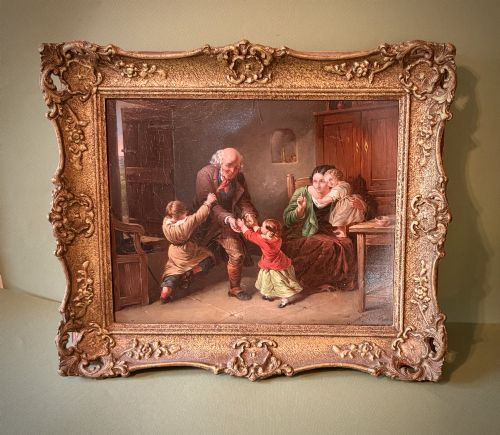
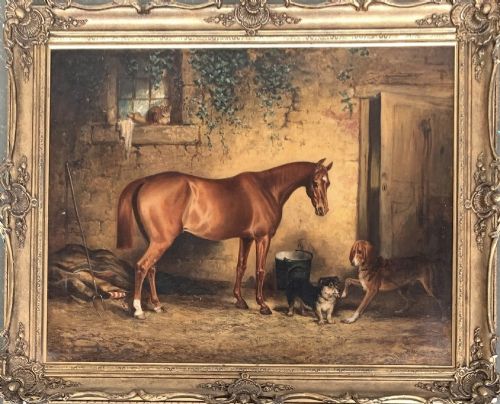
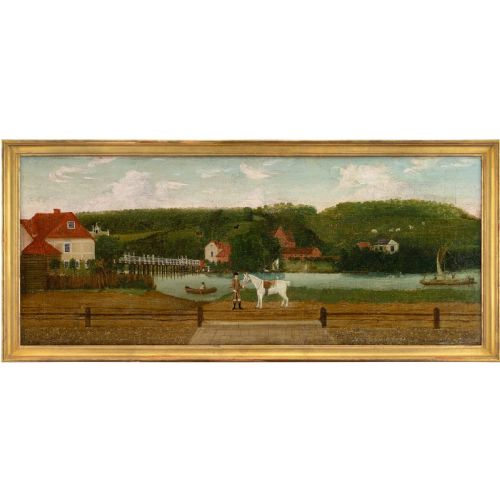
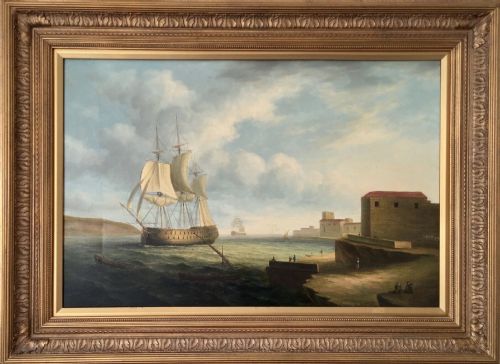
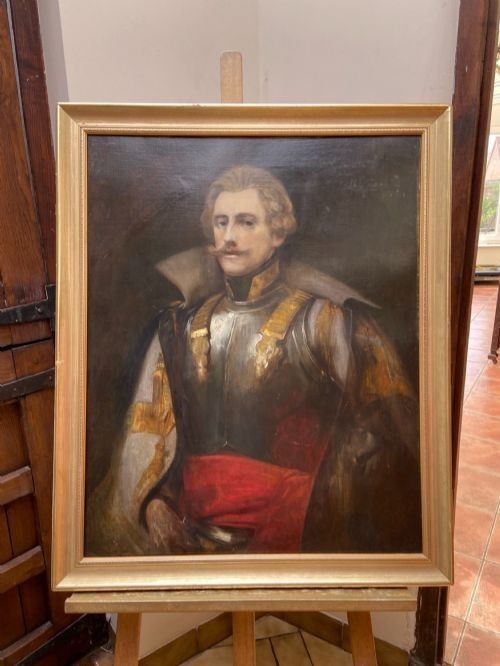
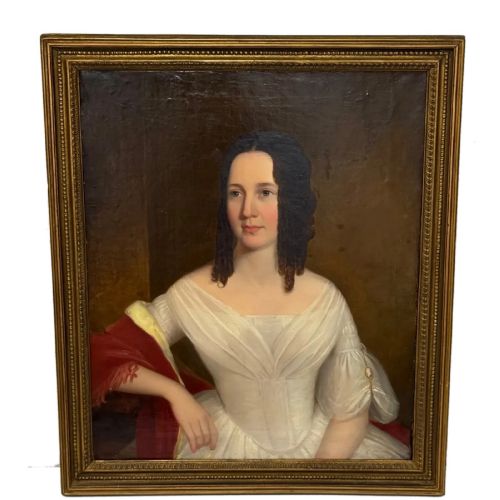
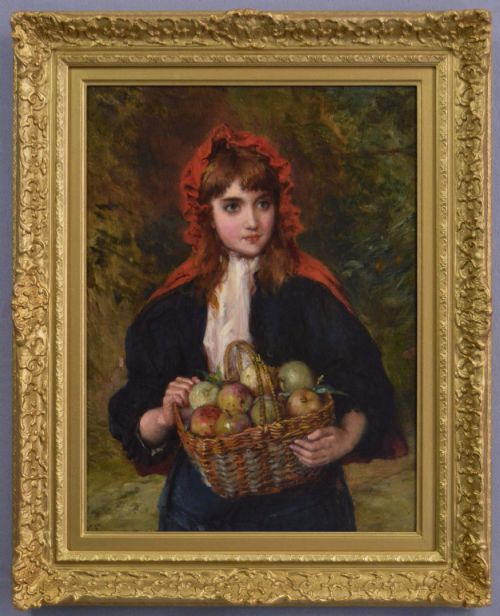
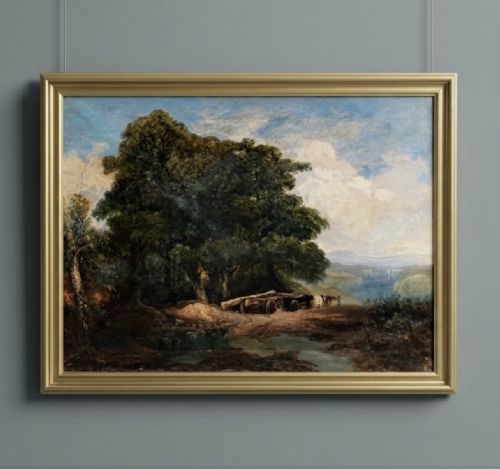
Traditional gilt framed artwork brings centuries of painted portraits, landscapes and seascapes into a room, finished with the gleam of gold leaf.
Traditional Gilt Framed Artwork
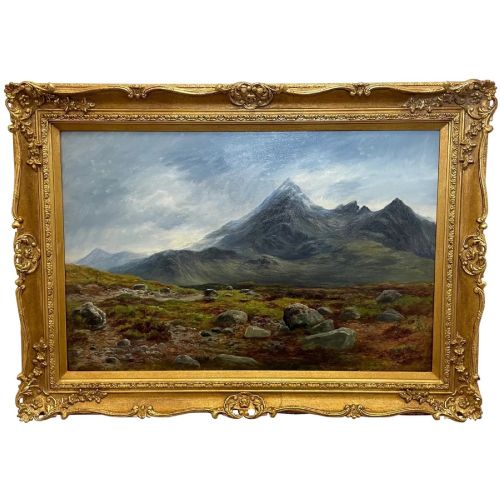
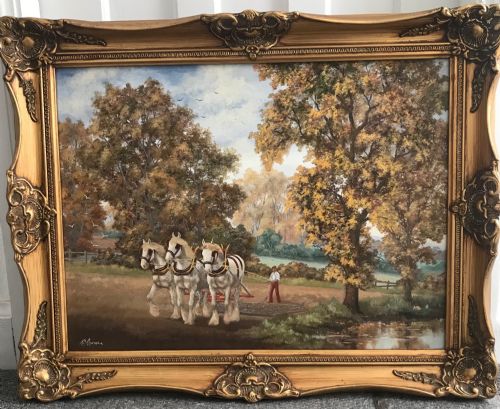
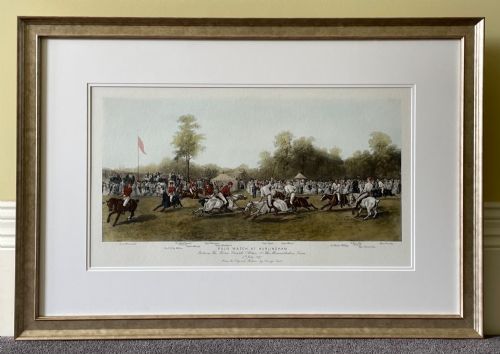
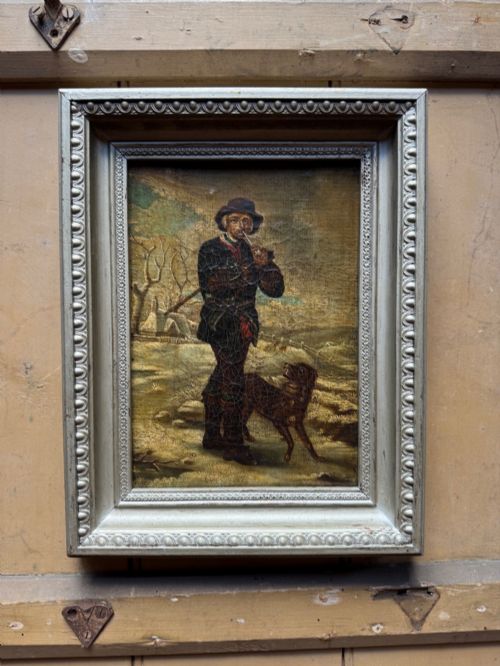
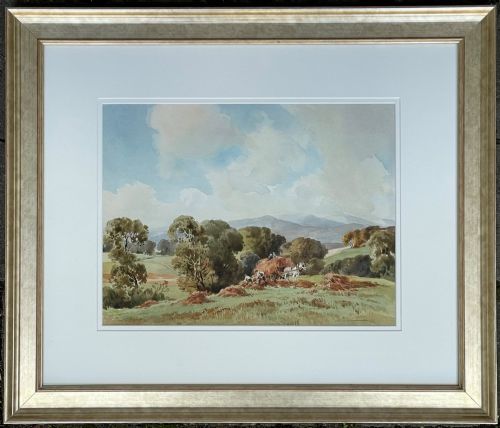
Traditional gilt framed artwork covers oil paintings, watercolours and prints produced across the nineteenth and twentieth centuries, taking forms from intimate portraits to sweeping landscape scenes. Buyers searching for traditional gilt framed artwork find works originating from British, French and Dutch schools, often reflecting Victorian, Edwardian and classical traditions.
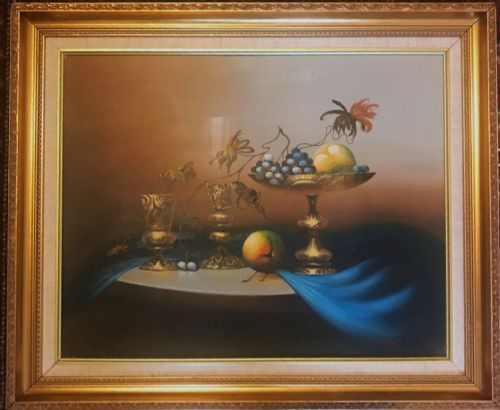
The subjects on this page range from equine and livestock portraits to romantic coastal views and floral still-lifes, framed in wood treated with gesso and gold leaf. Most pieces date from the nineteenth century, though earlier copies and mid-century works also appear within gilt surrounds.
Materials and construction
These works rely primarily on oil paint applied to canvas or wood panel, alongside watercolours on paper and printed methods such as lithographs and mezzotints. Canvases are stretched over wooden frames and secured within decorative surrounds built from timber.
The frames themselves utilise gesso, a plaster-like mixture applied to wood to create a smooth surface for gilding. Layers of gold leaf or metallic gilt are then laid over the prepared moulding, often shaped with corner ornaments or linear detailing.
Materials documented across the inventory include oil paint, watercolour, canvas, wood panel, gesso and giltwood.
Factors that define quality
Quality rests on the skill of the artist's hand, seen in the confident handling of pigment, the accurate rendering of anatomy in portraits, and the atmospheric depth of landscape perspectives. Works by recorded painters with established exhibition histories command attention for their draughtsmanship and compositional balance.
The integrity of the frame matters equally, with hand-carved wooden mouldings and crisp gesso work outperforming later replacements or heavily restored surrounds. Original pairings of artwork and frame, where the gilt housing complements the period and scale of the painting, represent the higher end of the range.
William Oliver·Richard Sebastian Bond·William Beattie-Brown·Jozsef Molnar·Percy Lancaster·William Howard Hardy·James Watson·Sir Joshua Reynolds·I. Berezny·John Horace Hooper·William McAlpine·Reginald Arthur Borstel·A. Marie Parsons·William Joseph Shayer Senior·Alfred Fontville de Breanski Jr·Edward Mills·Thomas Smythe·David Bates·Albert Clark·George Houston·William Banks Fortescue·Thomas Barker of Bath·Thomas W Lascelles
The Traditional Gilt Framed Artwork Glossary
- Gesso
- A prepared mixture of chalk, gypsum and binder applied to wood frames to create a smooth base for gilding. This ground layer is often moulded into relief patterns before the gold leaf is applied.
- Giltwood
- Timber that has been coated with gold leaf or metallic powder. It provides the reflective golden border characteristic of traditional framing.
- Mezzotint
- A printmaking process of the intaglio family where the plate is roughened to produce dark tones and scraped to create highlights. It was frequently used for reproducing portraits.
- Lithograph
- A planographic printing technique based on the repulsion of oil and water, used to produce multi-coloured or tonal prints on paper.
- Provenance
- The documented history of ownership of a work of art. It helps confirm attribution and authenticity.
Traditional Gilt Framed Artwork: Frequently Asked Questions
How do I hang a heavy framed painting?
Heavy oil paintings in wooden and gesso frames require secure wall fixings, preferably screwed directly into wall studs or masonry using appropriaterawl plugs. Wire or D-rings on the back must be checked to ensure they can support the combined weight of the canvas and frame.
Position the artwork at eye level, allowing adequate clearance above furniture. Ensure the hanging location avoids direct, strong sunlight to protect the pigments on canvas.
Are these paintings original?
The selection includes original oil on canvas works, hand-painted watercolours, and period prints such as lithographs and mezzotints. Each listing specifies the medium so buyers can distinguish between a unique painted canvas and a printed work.
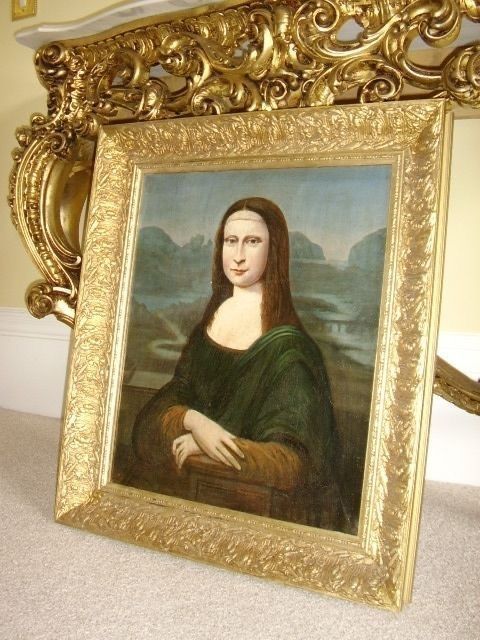
Some pieces represent nineteenth-century or earlier copies after masters, which are documented as such in their descriptions. Originals will show brush texture and canvas weave under close inspection.
How do I identify the period of a painting?
Dating traditional artwork involves examining the stretcher bars, canvas texture, framing style and the materials used on the reverse. Victorian and Edwardian works often carry specific stretcher construction methods and framing profiles characteristic of the nineteenth century.
Signatures, artist records and stylistic markers such as costume or landscape conventions also help narrow down the decade of creation.