


Framed Dutch Seascape Artwork
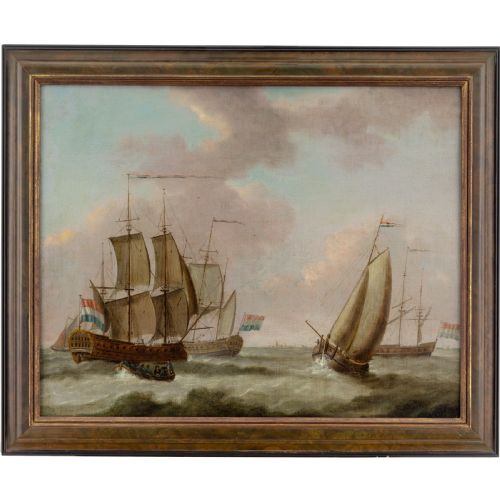
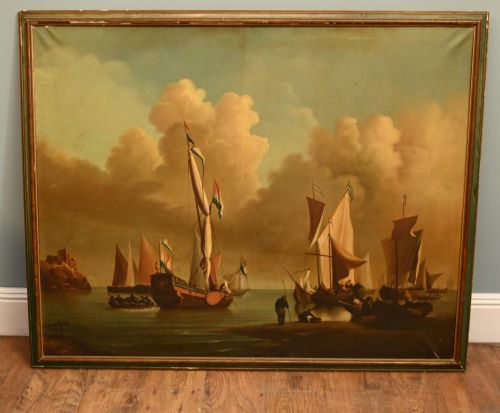
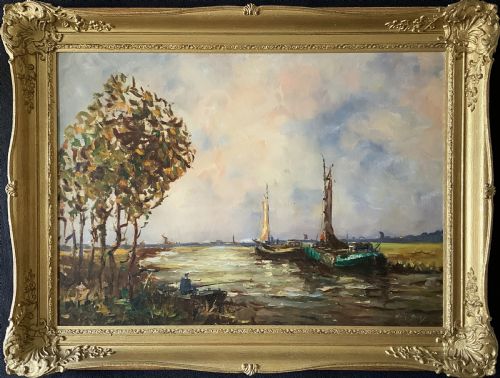
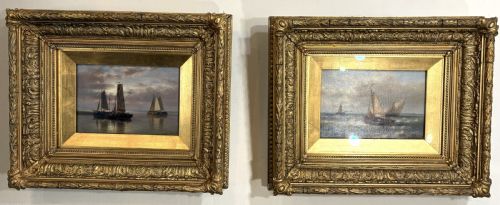
Framed dutch seascape artwork captures maritime life through historic oil on canvas compositions framed in giltwood.
Framed Dutch Seascape Artwork
When you search for framed dutch seascape artwork, you encounter historic maritime paintings depicting coastal scenes, shipping vessels, and stormy waters. These works capture the maritime heritage of the Netherlands through traditional painting techniques.
The selections on this page span several centuries, with nineteenth-century pieces and nineteenth-century dutch school works appearing most frequently alongside seventeenth-century examples. Common subjects include fishing boats, gale scenes, and quiet canals.
Most compositions utilise oil on canvas or oil paint applied to panel, enclosed within traditional wood and gesso frames. These pieces range from intimate cabinet paintings to large gallery canvases.
Assessing Quality
Quality rests in the handling of light, water, and atmospheric perspective by the artist. Stronger works demonstrate confident brushwork and precise anatomical rendering of rigging and hull structures.
The preservation of the original canvas and the integrity of the period frame contribute significantly to the standing of a piece. Finer examples retain their original surface varnish and untouched painterly detail.
The listings span from the seventeenth century through the twentieth century, utilising oil on canvas and giltwood frames.
Bonaventura Peeters·Willem Bos·Abraham Hulk·Pieter Cornelis Dommersen·Charles Martin Powell
The Framed Dutch Seascape Artwork Glossary
- Giltwood
- Wood carved and coated with gold leaf or metallic powder. This material is standard for traditional maritime picture frames.
- Gesso
- A plaster mix applied to wooden frames as a base for gilding. It allows for crisp moulding of decorative corners and profiles.
- Oil on Canvas
- Pigment mixed with drying oil applied to a woven fabric support. This combination provides flexibility and durability for large maritime compositions.
- Marine Painting
- Artwork depicting ships, harbours, and coastal views. This genre includes historical naval battles and everyday fishing scenes.
Framed Dutch Seascape Artwork: Frequently Asked Questions
How do I date an old marine oil painting?
Examine the canvas weave, stretcher construction, and the style of the wooden frame alongside the artist's active working dates. Pigment analysis and canvas stamps can also provide specific chronological markers.
Compare the rigging and vessel types depicted with historical shipping records, as naval architecture evolved rapidly across the seventeenth and nineteenth centuries.
Where should I hang a framed seascape?
Select a wall with stable ambient temperature and humidity, away from direct sunlight and heat sources to protect the oil paint and giltwood frame. Proper wall placement prevents canvas warping and paint cracking over time.
Ensure the hanging height places the centre of the canvas at eye level for comfortable viewing from a seated or standing position.
What defines the nineteenth century dutch school?
This artistic movement revived the tonal traditions and maritime themes of earlier Dutch Golden Age painters. Artists focused on atmospheric coastal conditions, shipping traffic, and daily life by the shore.
Works from this period typically showcase realistic water movement, detailed sailing vessels, and subtle grey or blue palettes.