


Dutch Maritime Seascape Painting
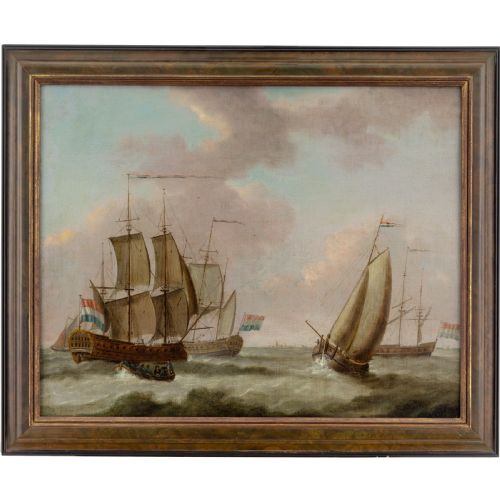
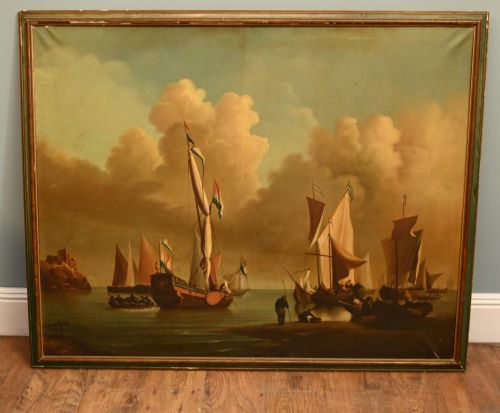
These dutch maritime seascape painting works capture turbulent coastal waters and bustling harbours on canvas, offering buyers a timeless window into maritime history.
Dutch Maritime Seascape Painting
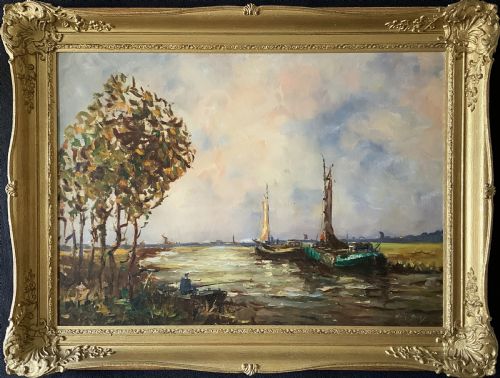
A dutch maritime seascape painting typically portrays sailing vessels, fishing boats, and historic canals under expansive skies. Buyers pursuing this genre will find numerous nineteenth-century interpretations alongside earlier seventeenth-century works and later twentieth-century examples.
The compositions frequently depict vessels navigating choppy seas, gale conditions, or tranquil estuaries near the shore. These oil paintings and occasional watercolours reflect enduring traditions focused on the water and coastal life.
Materials and execution
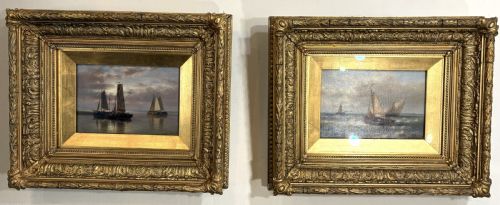
Artists painted primarily using oil paint applied to canvas or wood panels, often housed within ornate giltwood and gesso frames decorated with gold leaf. This combination provided the necessary durability and luminous surface quality required to render shifting light on water.
Watercolour paintings on paper also appear within the selection, offering a lighter medium for capturing coastal atmospheres. Each technique relies on precise brushwork to delineate rigging, hulls, and turbulent waves.
The listings span from the seventeenth century through to the 1950s, featuring oil on canvas, wood, watercolour, and giltwood framing.
Judging quality and hand
Superior works reveal a confident handling of light and atmospheric perspective, where sea and sky integrate seamlessly. The strength of a piece rests in the artist's ability to render the weight of vessels and the movement of water convincingly.
Framing and preservation significantly influence the overall presentation of these historic artworks. Original giltwood frames with intact gesso enrich the piece, while well-maintained oil on canvas surfaces retain their intended depth and tonal contrast.
Bonaventura Peeters·Willem Bos·Abraham Hulk I·Pieter Cornelis Dommersen·Adrian Van Porten·Hendrik Willebrord Jansen·Owen Bowen·William Raymond Dommersen·Paul Jean Clays·Fred Mayor·Hendrik Yan Wolter·Frank Myers Boggs·Charles Martin Powell·Thomas Bush Hardy·Abraham Storck·Alfred Montague
The Dutch Maritime Seascape Painting Glossary
- Seascape
- A painting depicting the sea, ships, or coastal views. These works focus predominantly on marine subjects rather than landmasses.
- Estuary
- The tidal mouth of a large river where the tide meets the stream. Painters often utilised these dynamic meeting points to depict shipping activity.
- Giltwood
- Wood carved and covered with gold leaf or a gold-coloured metallic foil. Antique frames are frequently constructed using this decorative finish.
- Gesso
- A plaster-like mixture used as a base for moulding or gilding on frames. It allows intricate ornamental details to be applied around the canvas.
- Impressionism
- A style of painting emphasising light and the changing qualities of ordinary subjects. Several nineteenth and twentieth-century marine works lean into these looser brush techniques.
Dutch Maritime Seascape Painting: Frequently Asked Questions
What periods do these paintings span?
The selection includes works from the seventeenth century through to the mid twentieth century. Nineteenth-century examples form the core of the available paintings.
Earlier seventeenth-century pieces and later twentieth-century watercolours also appear within the collection.
How were these marine paintings created?
Most works utilise oil paint applied directly onto stretched canvas or wooden panels. Artists manipulated pigments to capture the texture of water and the glow of coastal skies.
Selected pieces are executed in watercolour on paper, providing a different textural finish.
Where should I hang a seascape?
These works suit rooms with steady ambient light that complements the tones of oil and canvas. Placing them away from direct sunlight protects the pigments and the surrounding giltwood frames.
Consider pairing them with traditional interiors where historic maritime subjects can be viewed closely.
How do I identify a nineteenth-century work?
Nineteenth-century paintings often feature characteristic framing, canvas preparation, and stylistic traits associated with the Dutch School. Signatures and dates inscribed by artists such as Abraham Hulk or Pieter Cornelis Dommersen provide direct verification.
Examining the reverse of the canvas can reveal historic labels and dealer stamps.