
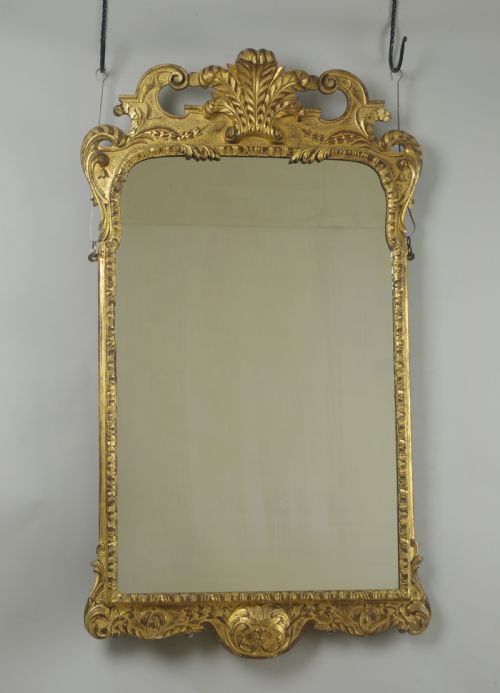
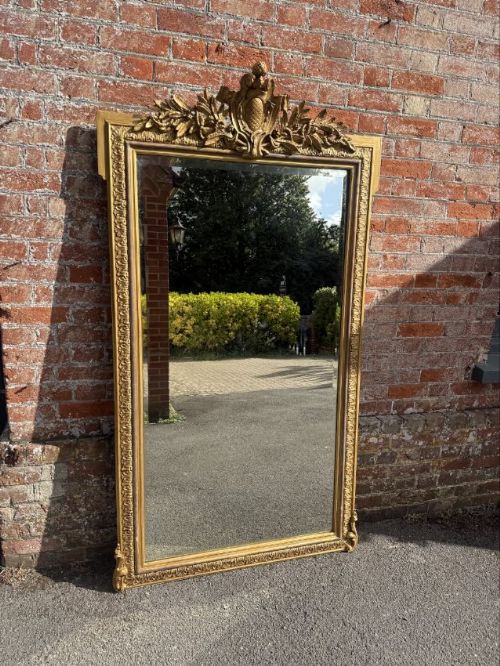
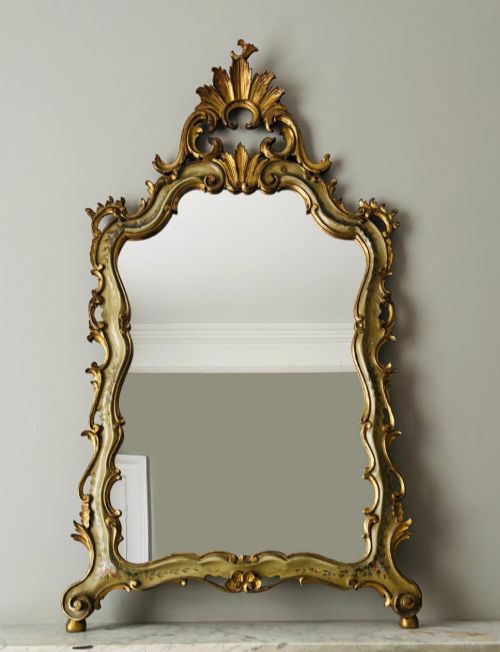
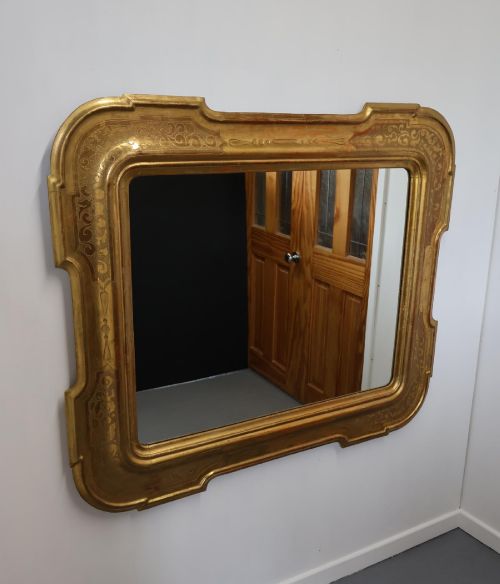
Framed Decorative Wall Mirror
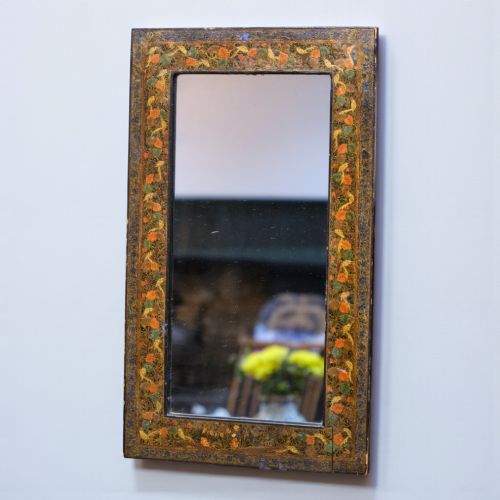
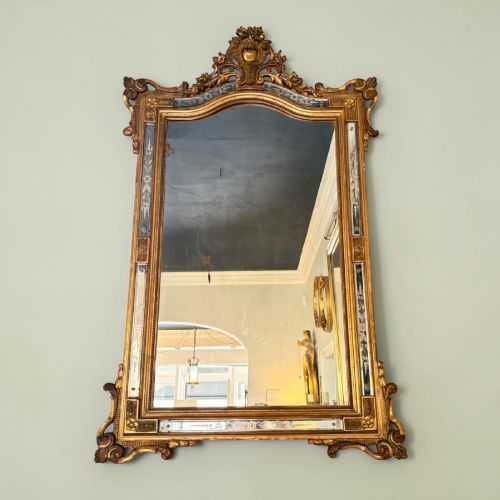
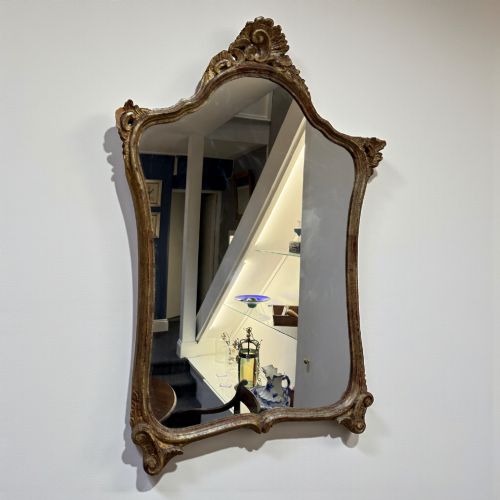
A framed decorative wall mirror brings depth and historic character to a room, catching the light across carved giltwood, walnut, or painted surfaces.
Framed Decorative Wall Mirror
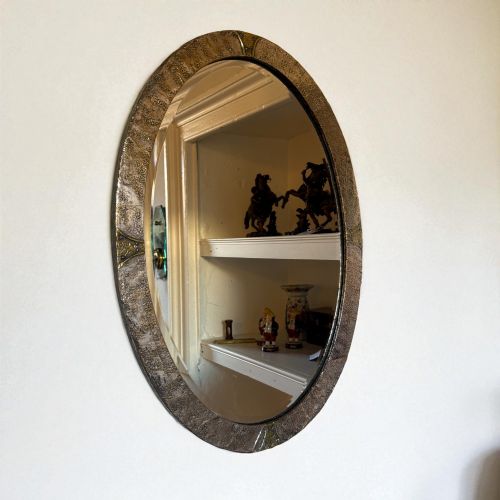
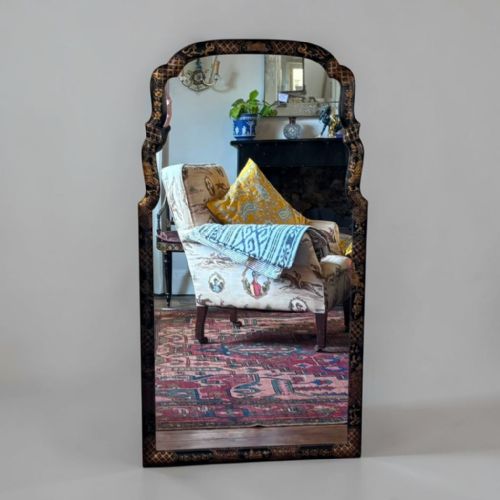
When you search for a framed decorative wall mirror, you encounter pieces spanning from the eighteenth century through the art deco era, encompassing various regional traditions. The selection includes grand overmantle mirrors, girandoles with candle arms, and smaller wall-hanging formats suited to domestic spaces.
Victorian, Georgian, and Edwardian examples sit alongside French and Italian pieces, showing diverse influences such as Chinoiserie, Rococo, and Regency styles. These objects served functional and ornamental purposes in period interiors, often acting as focal points above fireplaces or console tables.
Materials and Construction Techniques
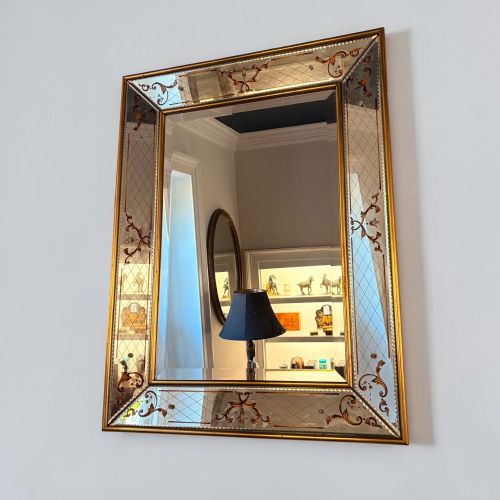
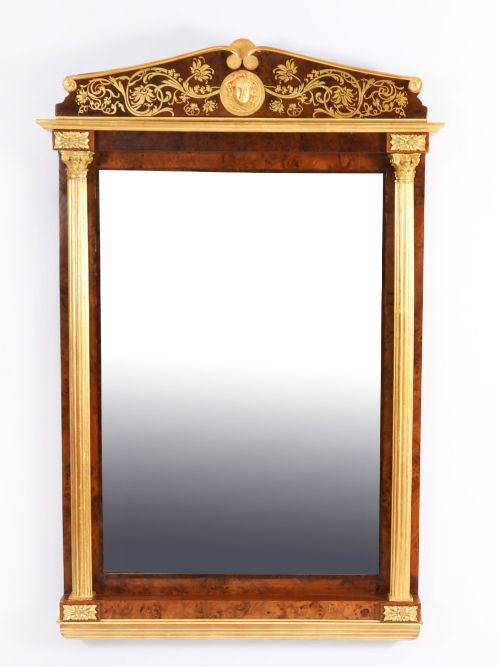
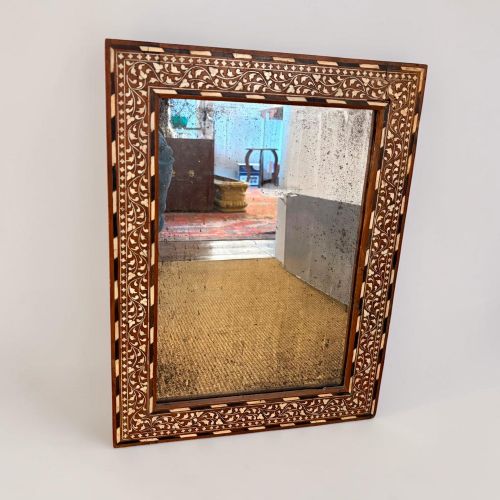
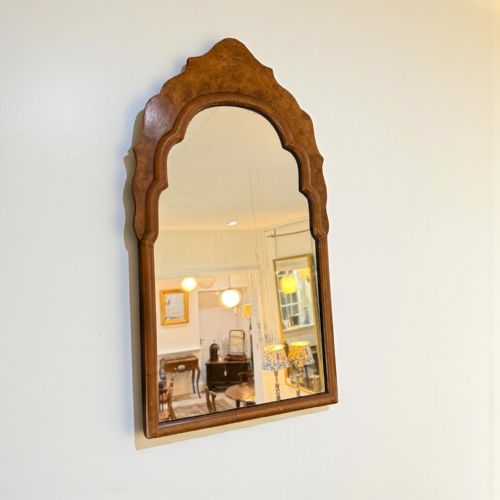
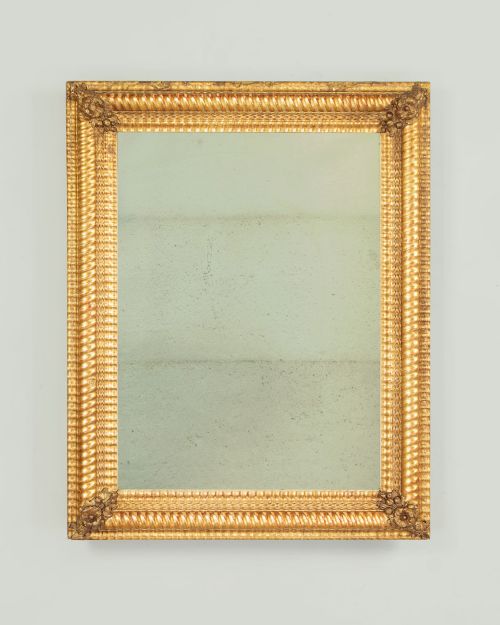
Makers shaped these frames from woods such as oak, mahogany, burr walnut, and timber, applying gesso and gold leaf to create gilded surfaces. Many pieces combine carved wood with parcel-gilt details, eglomise glass panels, etched mirror glass, or hammered metal.
Traditional joinery and hand-carving define the construction of nineteenth-century and earlier frames, while specialised techniques like reverse-painting on glass provide distinct decorative borders. The silvering and plate glass itself often show age through oxidation and light foxing.
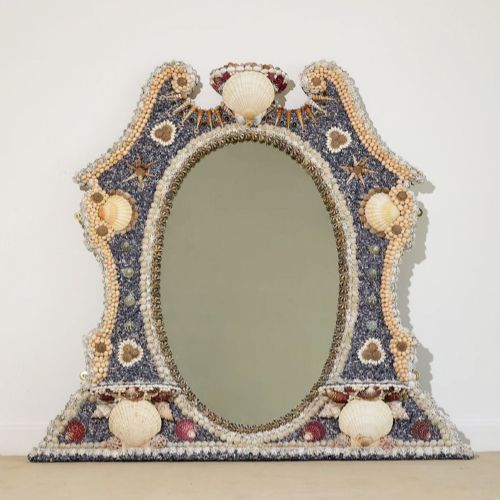
Shellwork applied to a grand Georgian mirror proves that past owners occasionally fancied a DIY marine overhaul.
Distinctions in Quality
The finesse of the hand-carving distinguishes superior examples from simpler production, particularly in the crispness of acanthus leaves, scrolls, and floral motifs on giltwood and gesso frames. Superior pieces retain their original gilding and mirror plates rather than replaced glass.
Proportion and structural integrity separate fine country house and salon pieces from standard items, with balanced weight and deep relief moulding indicating skilled craftsmanship. The integration of specialised elements such as hand-etched plates or paired girandole arms elevates a piece further.
The Framed Decorative Wall Mirror Glossary
- Giltwood
- Wood carved and coated with gold leaf. This finish produces a warm metallic sheen characteristic of formal period frames.
- Overmantle Mirror
- A wide mirror designed specifically to hang above a fireplace mantel. These large pieces often anchor the decorative scheme of a room.
- Gesso
- A plaster-like mixture applied to wood frames as a base for gilding or painting. It allows intricate relief moulding before the application of gold leaf.
- Eglomise
- A technique involving cold painting and gilding on the rear face of glass. It creates a reflective, decorative border with deep visual texture.
- Girandole
- A wall mirror featuring attached candle sconces or arms. The candles reflect in the glass to multiply the ambient light in a room.
Framed Decorative Wall Mirror: Frequently Asked Questions
How do I hang a heavy overmantle mirror safely?
Large overmantle mirrors require secure wall fixings distributed across sturdy anchor points to support the substantial weight of the wood, gesso, and glass.
Professional installation into brickwork or wall studs ensures the frame remains stable and flush against the surface.
How can I date a antique wall mirror?
Dating relies on examining the construction of the wooden frame, the composition of the gesso, and the manufacturing characteristics of the mirror plate itself.
Hand-beveled edges, older backboards, and distinct stylistic motifs like Rococo scrolls or Regency columns help assign a piece to a specific century or decade.
What is the difference between a girandole and a standard wall mirror?
A standard wall mirror focuses solely on the reflective glass and decorative frame, whereas a girandole incorporates integrated candle arms extending from the base or sides.
These candle sconces were historically designed to project and amplify light within dimly lit rooms.
Should I replace an original foxed mirror plate?
Original mirror plates often display foxing, which is the natural oxidation and spotting that occurs in the silver backing over long periods.
Preserving the original glass maintains the historic integrity and authentic character of the piece, even if the reflection is slightly aged.
How do I clean an antique giltwood frame?
Giltwood and gesso surfaces require gentle dusting with a soft, dry brush to remove particles without disturbing delicate or flaking areas.
Avoid liquid cleaners, chemical sprays, or excessive rubbing, as these can permanently strip the gold leaf or painted finish.