




Framed Coastal Watercolour
These framed coastal watercolour works capture maritime life and sea breezes, offering an authentic window into nineteenth and twentieth-century shores.
What a framed coastal watercolour is
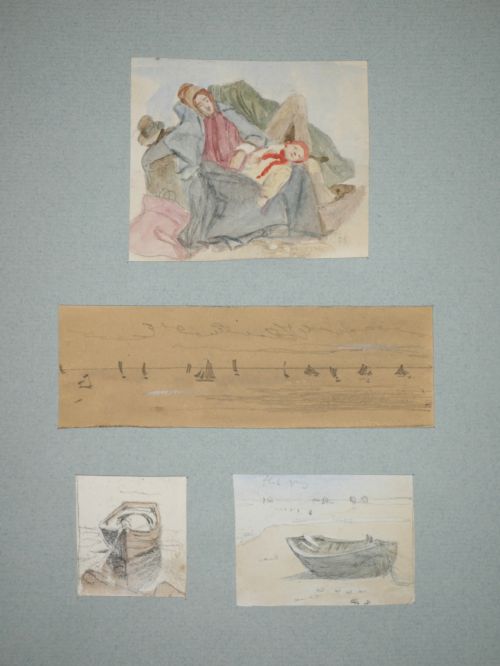
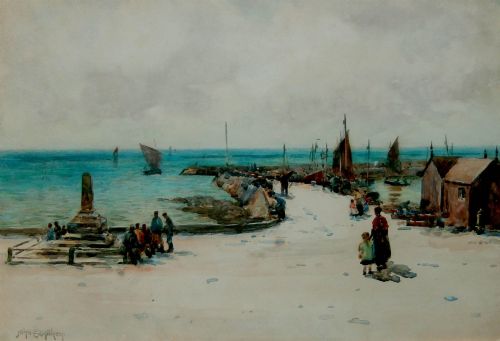
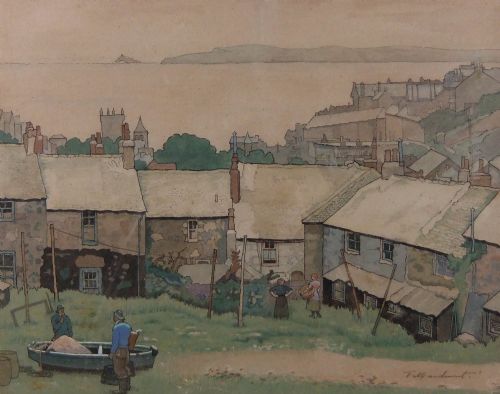
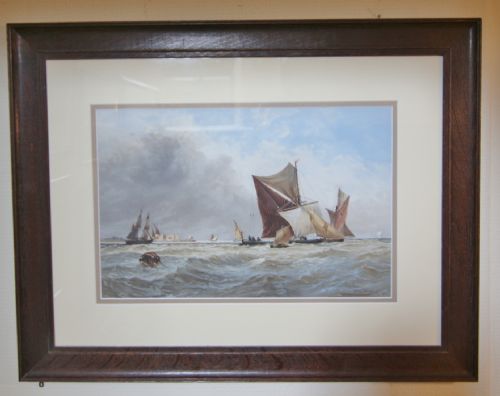
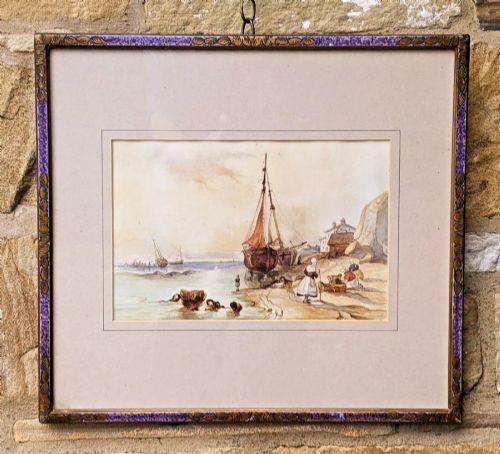
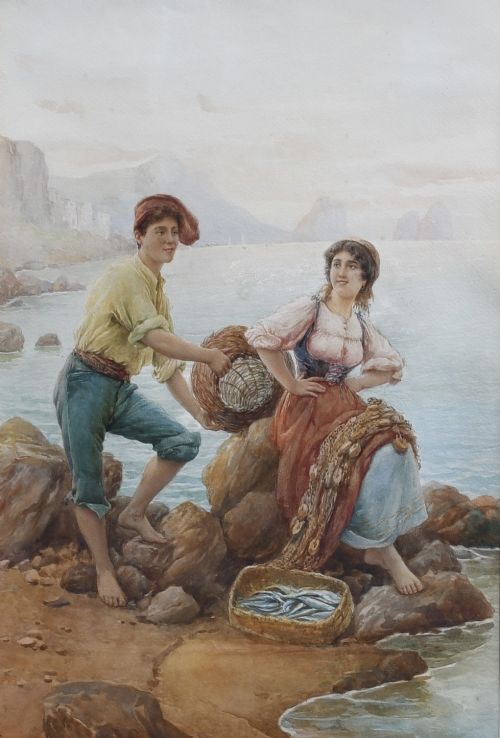
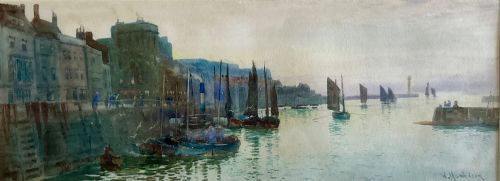
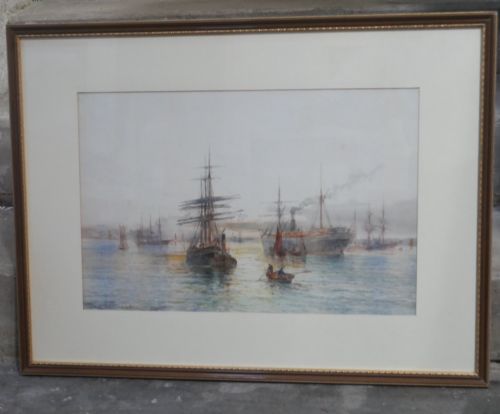
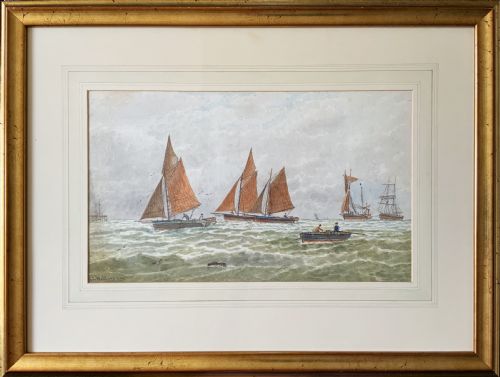
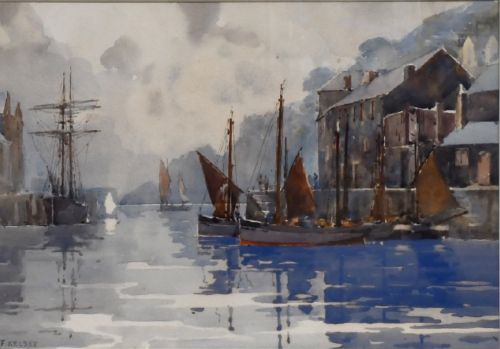
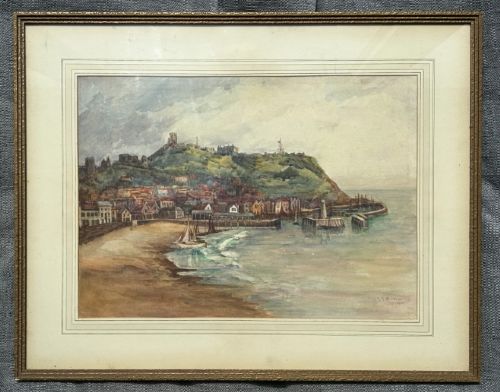
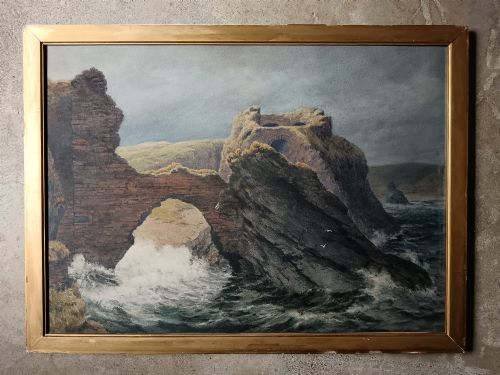
A framed coastal watercolour presents marine scenes, harbours and coastal dwellings executed in watercolour pigment upon paper and secured behind glass.
Buyers browsing this selection frequently encounter Victorian, Edwardian and early twentieth-century examples, ranging from intimate depictions of fishing ports to expansive seascapes.
The assortment includes pairs of works alongside substantial individual paintings, often retaining their original wooden or gilt wood frames.
How they were made
Artists applied watercolour paint directly to paper supports, utilising fluid washes and fine brushwork to render the luminosity of sea and sky.
Completed paintings were set behind protective glass and enclosed within wood or gilt wood frames to preserve the delicate pigments from moisture and handling.
Retail Price Guide 2026
Typical UK retail prices for framed coastal watercolour, calculated from the Sellingantiques database of over a million retail prices indexed since 2003. This retail price guide relies exclusively on Sellingantiques data; no external sources or auction records are used, so the figures do not describe the wider market.
One notable Victorian coastal scene captures a domestic moment involving chickens feeding outside a half-timbered seaside home.
What varies in quality
Quality rests upon the artist's ability to capture atmospheric light and movement in the water, separating dynamic marine studies from stiffer topographical records.
The condition of the paper and the vibrancy of the watercolour pigment determine visual impact, while the appropriateness and age of the surrounding wood or gilt frame complete the piece.
Arthur Wilde Parsons·Walter Sweet·William Moore Junior·Frank Rousse·Hirst Walker·Thomas Bush Hardy·Clarkson Stanfield
The Framed Coastal Watercolour Glossary
- Watercolour
- A painting method where the paints are made of pigments suspended in a water-based solution. It relies on the white of the paper to provide luminosity through translucent washes.
- Gilt wood
- Wood that has been coated with a thin layer of gold leaf or metallic gilt paint. This traditional framing finish adds warmth and definition to maritime subjects.
- Seascape
- A type of artwork that depicts the sea, coastal views or marine vessels. These compositions focus primarily on water, weather and coastal topography.
- Provenance
- The documented history of ownership surrounding an artwork. A recorded lineage helps establish authenticity and historical context for older paintings.
Frequently Asked Questions
How should I hang a framed coastal watercolour?
Keep these works away from direct sunlight to prevent the watercolour pigments from fading over time. Maintaining a stable room temperature protects both the paper and the wooden frame.
Ensure the wall fixings are secure and suitable for the weight of the glass and frame. Hanging them at eye level in a principal room allows the details of the harbour or seascape to be appreciated properly.
Are these paintings original works?
The pieces listed are original painted watercolours on paper rather than modern mechanical prints. Each brushstroke is hand-applied by the artist.
Historical works often bear signatures or inscriptions identifying the specific coastal location, such as Mousehole Harbour or Portishead.
How do I identify the period of a watercolour?
Stylistic clues within the painting, such as the clothing of figures or the types of vessels depicted, often point towards a Victorian or Edwardian origin. Framing styles and paper characteristics also offer reliable indications of age.
Signatures or contemporary inscriptions on the reverse of the paper frequently record the exact year or decade of creation.
Can I replace the frame?
While original wooden and gilt frames contribute to the historical character of the piece, they can be updated if damaged. Any reframing should be executed by a professional using conservation-grade materials.
Retaining the original framing materials whenever possible helps preserve the integrity and age of the artwork.