
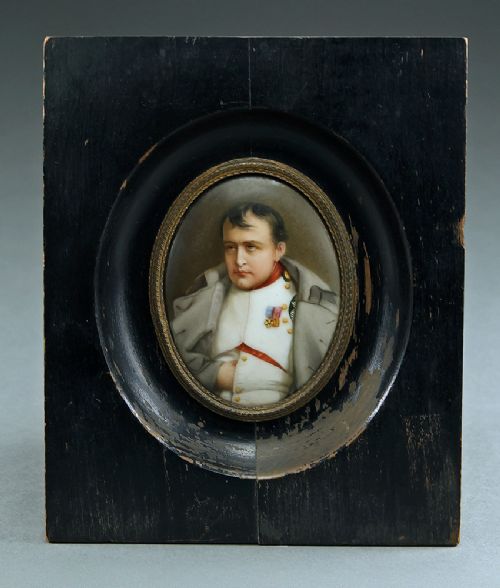
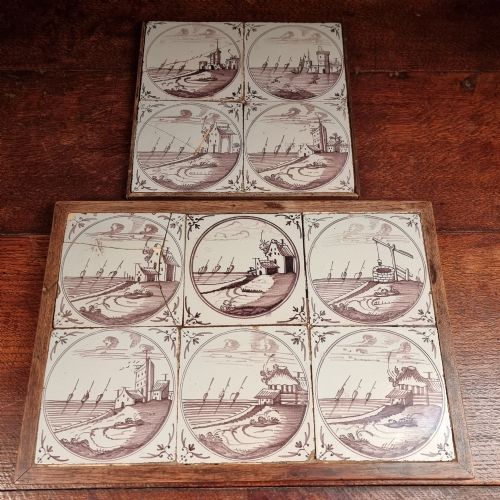
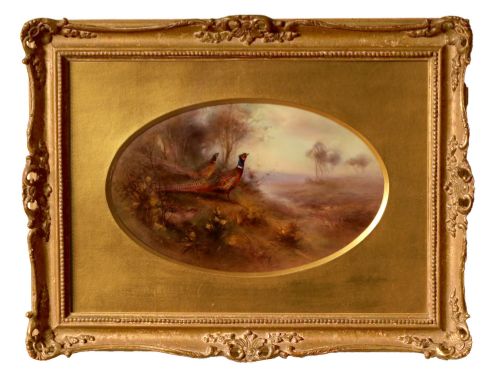
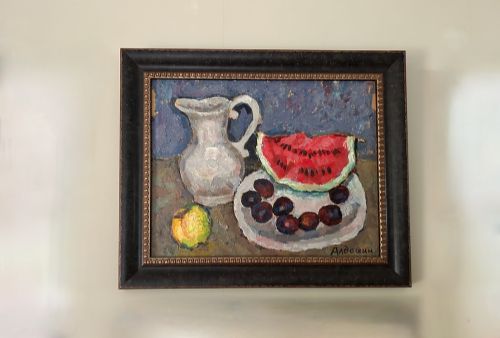
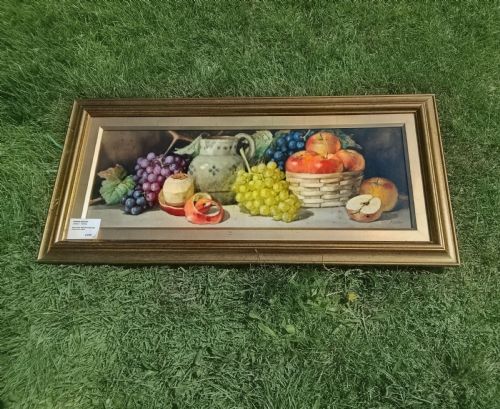
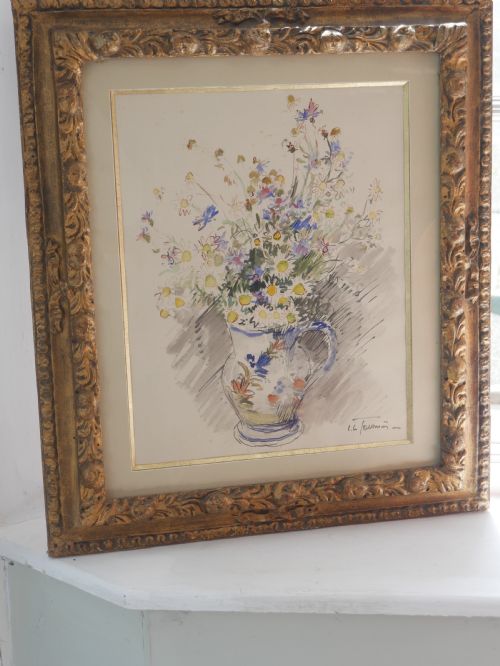
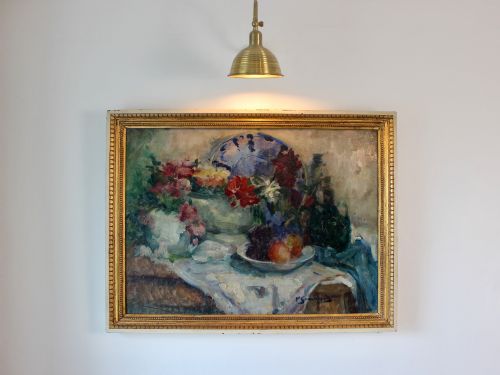


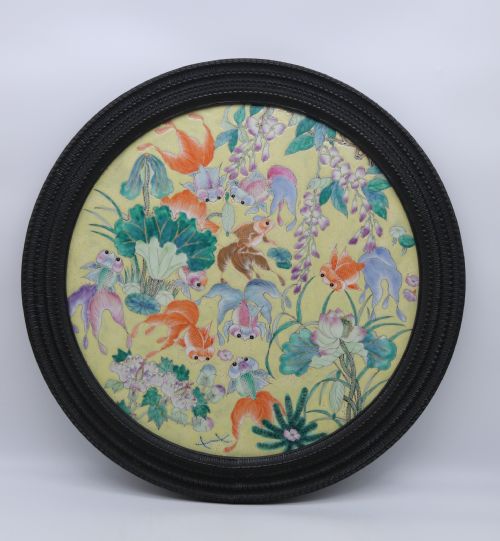


Framed Ceramic Painting
When you search for framed ceramic painting, you are looking at hand-painted porcelain plaques, tiles, and panels set within wood, glass, or giltwood frames.
Framed Ceramic Painting
A framed ceramic painting typically comprises a porcelain, pottery, or enamel plaque painted with figural scenes, portraits, or botanical studies, secured within a decorative boundary. The pieces found here span from the 18th century through to the mid-20th century, encompassing diverse traditions from British factories to continental makers and Chinese workshops.
The dominant forms on this page include hand-painted porcelain plaques from major factories like KPM and Royal Worcester, alongside Limoges enamels and decorative tile pictures. These items function primarily as wall art, bridging the gap between fine ceramics and traditional painting.
Makers utilised rigid ceramic supports to achieve permanent, glossy finishes that resist the fading common to paper or canvas. Subjects range from Renaissance copies and royal portraits to still-life studies of summer flowers and fruit.
How they were made
Artisans applied ceramic pigments or enamels directly onto a prepared porcelain or pottery plaque before firing the piece in a kiln to fuse the colours permanently to the glaze. This method required precise control, as the heat of the kiln could alter pigment tones unpredictably during the firing process.
Several porcelain plaques preserve the fierce gaze of Persian kittens and royal pug dogs across the centuries.
What varies in quality
The distinction between ordinary production and top-tier work rests on the brushwork dexterity and the complexity of the kiln firing. Master painters achieved remarkable depth in flesh tones, textile folds, and botanical details that lesser hands rendered flatly.
Factory origin heavily influences standing, with pieces bearing marks from renowned institutions like KPM, Royal Worcester, or Sevres demonstrating superior baseline materials and skilled execution. The sophistication of the surrounding carved wood or gilt frame also contributes significantly to the overall status of the object.
James Stinton·Vladimir Aldoshin·Arthur Dudley·Victor Simonin·Agnes Augusta Talboys·Owen Bowen·Freda Marston·Margaret Laing·Jabez Bligh·William Rayworth·Edith Alice Andrews
The Framed Ceramic Painting Glossary
- Plaque
- A flat, ornamental plate of porcelain, enamel, or earthenware designed to be hung on a wall rather than used domestically. These surfaces provided artists with a stable, smooth ground for detailed miniature painting.
- Giltwood
- Wood that has been coated with a thin layer of gold leaf or gilt gesso. It appears frequently on the frames enclosing 19th-century ceramic panels.
- Enamel
- A glassy substance melted onto a metallic or ceramic base through high-temperature firing. Limoges pieces rely heavily on this technique to achieve rich, translucent colour.
- Faience
- Tin-glazed earthenware produced across Europe, particularly in Italy and France. It offers a porous, opaque white surface suitable for broad painted decoration.
- Republican period
- A Chinese era spanning from 1912 to 1949 noted for fine porcelain panels depicting aquatic scenes and traditional figures.
Framed Ceramic Painting: Frequently Asked Questions
What is a framed ceramic painting?
It is a rigid plaque made of porcelain, enamel, or pottery that has been hand-painted with ceramic pigments and mounted inside a decorative wood or gilt frame.
These objects combine the permanence of fired pottery with the visual appeal of fine art, serving as wall plaques and decorative panels.
How do I hang a heavy ceramic plaque?
Due to the dense porcelain or earthenware core and substantial wooden frame, these pieces require secure wall fixings rated for their specific weight.
Ensure you utilise picture hooks anchored directly into wall studs or appropriate masonry plugs rather than standard plaster fixings.
How do I date a painted porcelain plaque?
Dating relies on factory backstamps, the style of the painted subject, and the construction methods of the surrounding wooden or giltwood frame.
Examining the pigments and the glaze finish under magnification also helps determine whether a piece originates from the 18th, 19th, or 20th century.
Can these plaques be cleaned safely?
Dust the glass and frame gently with a soft, dry brush to prevent particulate build-up.
Avoid using liquid cleaners near the junction where the ceramic meets the frame, as moisture can seep behind the glaze or damage the wooden surround.