
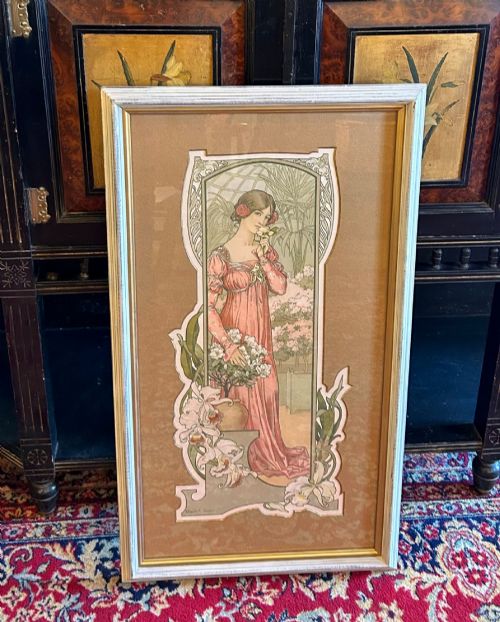
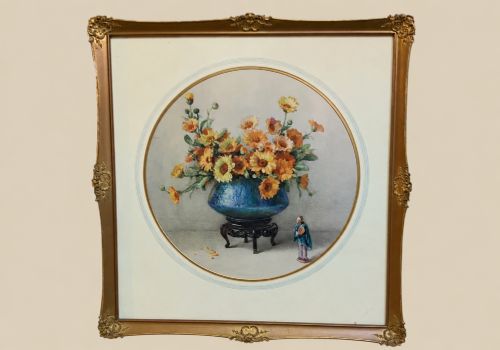
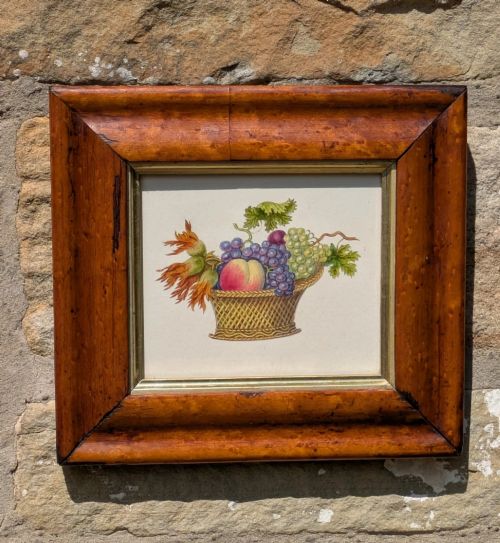
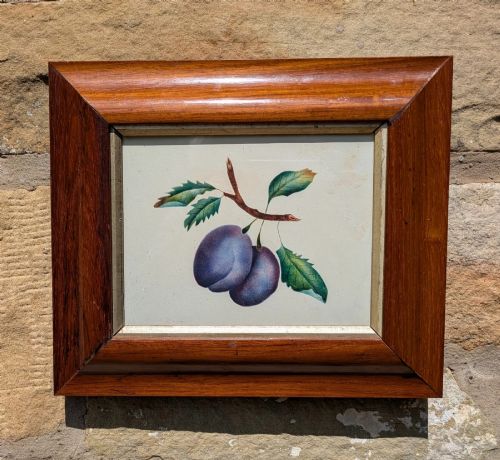
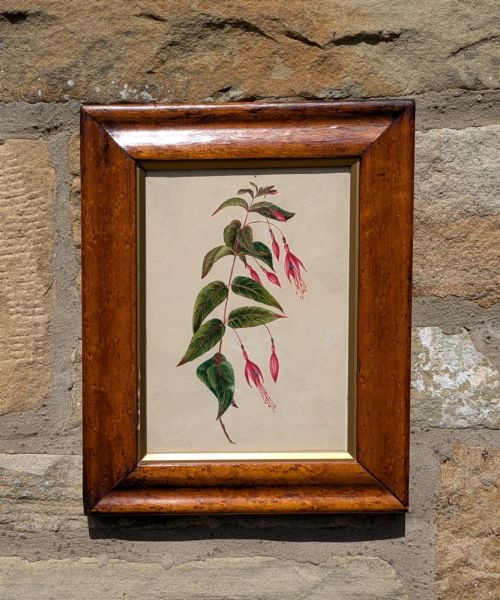
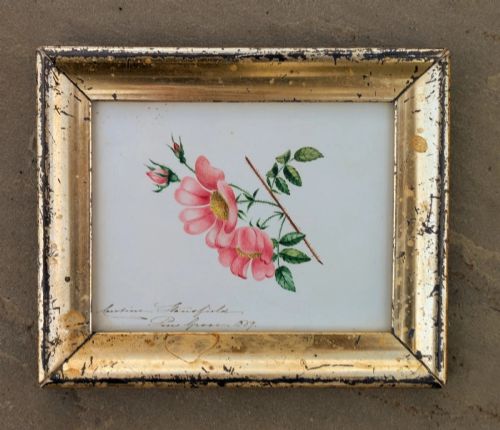
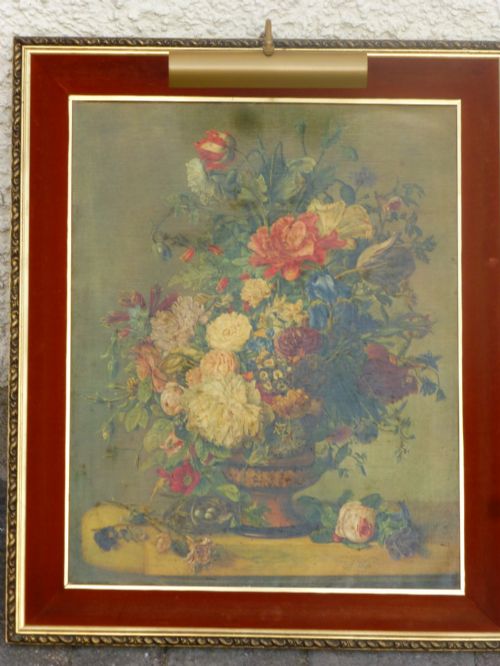
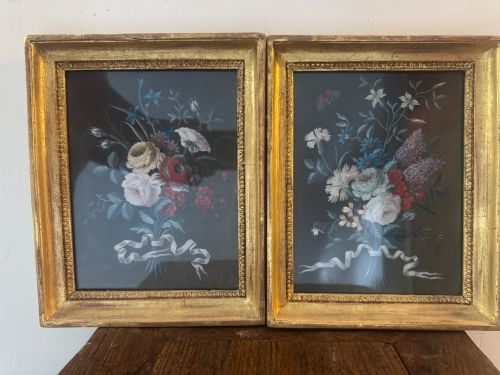


Framed Botanical Art Print
When you search for a framed botanical art print, you are looking at centuries of natural history captured in paper, paint and wood.
Framed Botanical Art Print
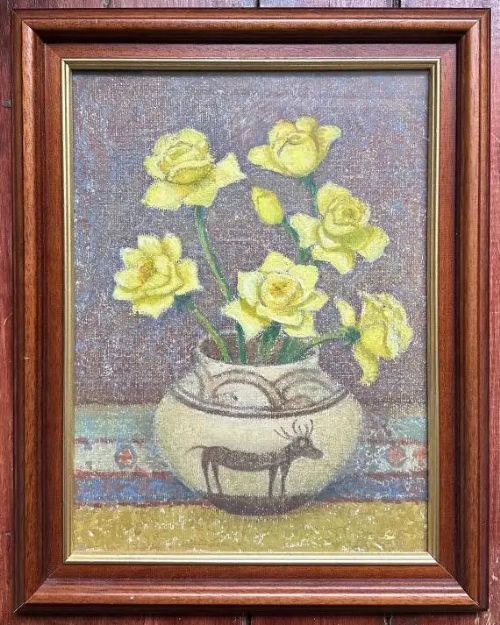
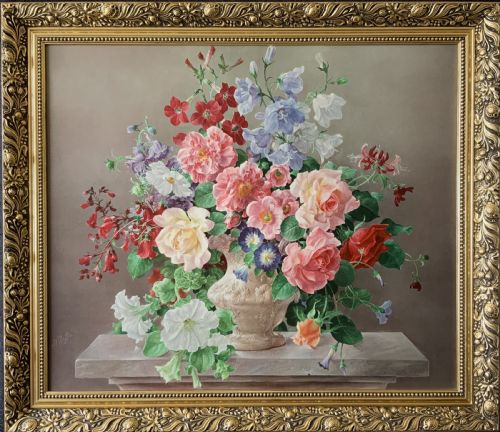
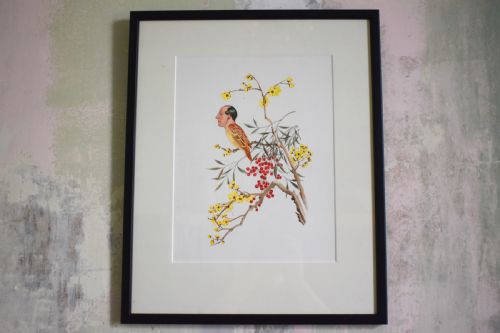
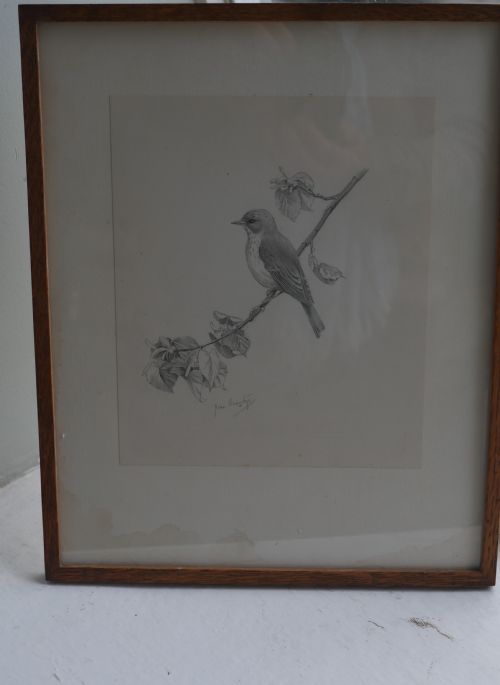
A framed botanical art print represents a tradition of recording plants, flowers and natural specimens through hand-coloured engravings, lithographs and watercolours.
The pieces listed here span the 18th century, the Regency period, the Victorian era and mid-century works, housed behind glass in period frames.
Buyers encounter single studies alongside sets of engravings, each presenting specimens ranging from garden flowers to wild fruit and butterflies.
How they were made
Many examples begin as copperplate engravings or lithographs on paper, which were subsequently hand-coloured with water-based pigments to achieve botanical accuracy.
Other works rely directly upon watercolour, gouache or oil on canvas and board, capturing floral still lifes and natural history studies by hand.
The supporting frames utilise wood, carved pine, gilt wood and gold leaf, often protected beneath glass to preserve the paper and paint.
The inventory includes works on paper, canvas and board from the 18th, 19th and 20th centuries, housed in wood and gilt frames.
What varies in quality
The standard of a framed botanical art print rests upon the crispness of the original impression and the skill of the hand-applied colour.
Paper preservation and the integrity of the period frame, whether rosewood, gilt or carved pine, contribute significantly to the overall standing of the piece.
Works attributed to known natural history illustrators or executed with exceptional botanical precision command greater attention than standard decorative prints.
Elisabeth Sonrel·Oliver Goldsmith·Pancrace Bessa·George Edwards·John Curtis·Georg Wolfgang Knorr·William Swainson
The Framed Botanical Art Print Glossary
- Lithograph
- A printmaking process where an image is drawn onto stone or metal and inked for transfer to paper. This technique enabled the production of detailed multi-coloured botanical plates.
- Engraving
- A method of cutting a design into a metal plate to hold ink for printing. Hand-coloured engravings form a large portion of early natural history illustration.
- Gouache
- An opaque water-based paint that provides solid, matte colour. It appears frequently in floral still lifes and studies alongside traditional watercolour.
- Gilt Wood
- Wood that has been decorated with a thin layer of gold leaf or metallic paint. These frames add warmth and structure to antique paper works.
- Oleograph
- A mechanical colour print textured to imitate an oil painting. They gained popularity in the 19th and 20th centuries as an accessible form of wall art.
Framed Botanical Art Print: Frequently Asked Questions
How do I hang a framed botanical art print safely?
Hang your artwork away from direct sunlight to prevent the watercolour pigments and paper from fading over time. Ensure the wall fixings match the weight of the timber and glass frame.
Use picture wire or sturdy D-rings attached securely to the back of the frame. Keeping the piece at eye level in a stable indoor environment protects both the paper and the historic wooden housing.
Can I mix different centuries of botanical prints together?
Combining pieces from the 18th, 19th and 20th centuries creates a layered gallery wall. The shared subject matter of plants and animals provides a natural visual link across different eras.
Matching frame materials, such as gilt wood or dark timber, helps unify diverse periods. Focus on the scale of the prints rather than their exact dates to achieve a balanced display.
What is the difference between an engraving and a watercolour?
An engraving is a printed reproduction taken from an inked metal plate, which was often hand-coloured afterwards. A watercolour is a unique, direct painting executed entirely by hand on paper.
Watercolours offer individual brushwork and texture, while engravings provide fine, repeatable lines suited to scientific illustration. Both formats frequently share the same historical framing styles.
How should I clean the glass on an antique frame?
Apply a mild glass cleaner to a soft cloth rather than spraying the liquid directly onto the frame. This prevents moisture from seeping under the edge of the glass and damaging the antique paper.
Wipe the surface gently and avoid touching any exposed timber or gilt leaf with cleaning chemicals. Regular dusting with a dry microfiber cloth is usually sufficient for general maintenance.