

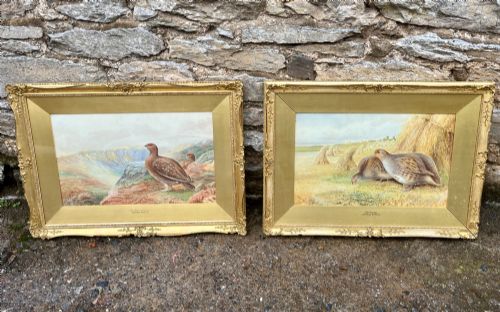
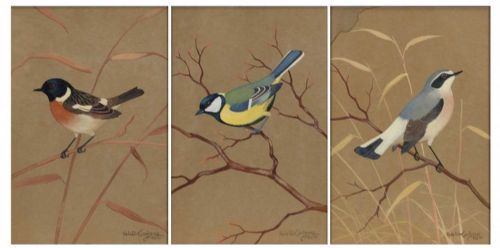

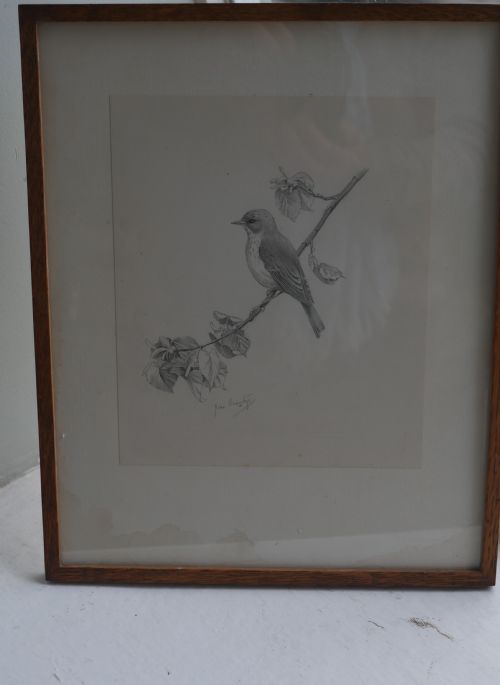
Framed Bird Art Print
A framed bird art print brings the precision of natural history study and the warmth of watercolour into a room.
Framed Bird Art Print
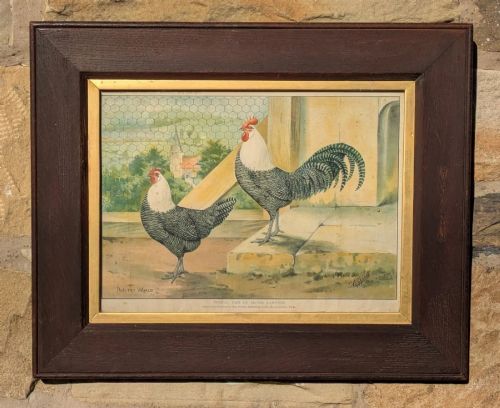
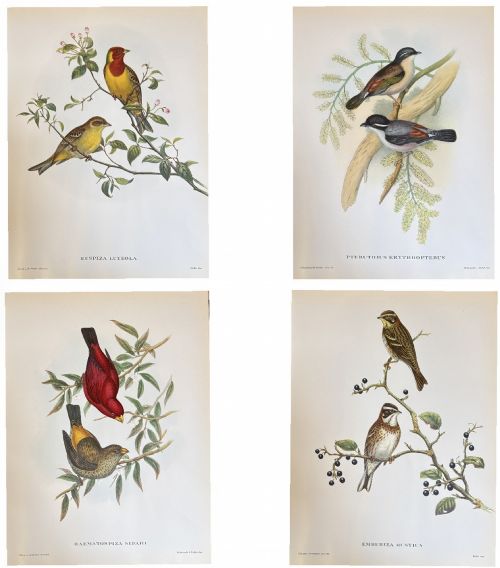
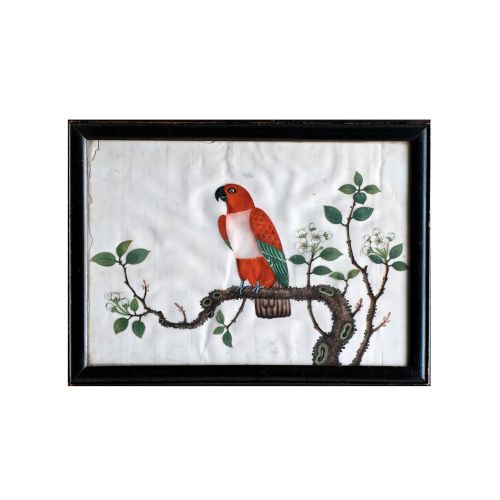
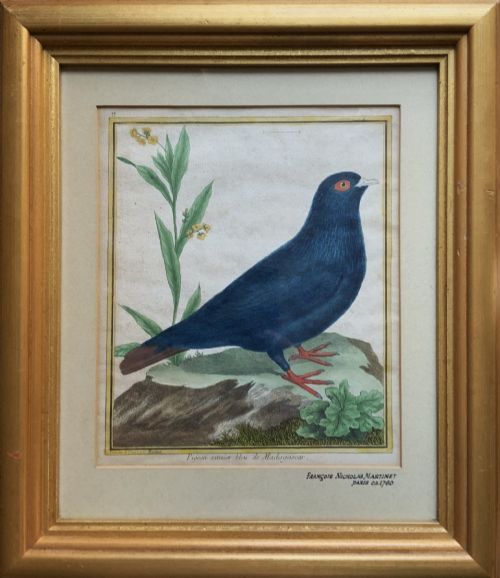
A framed bird art print encompasses engraved plates, hand-coloured lithographs and original watercolours spanning the eighteenth to the mid-twentieth centuries. These pieces record ornithological subjects ranging from British garden species to tropical parrots and game birds.
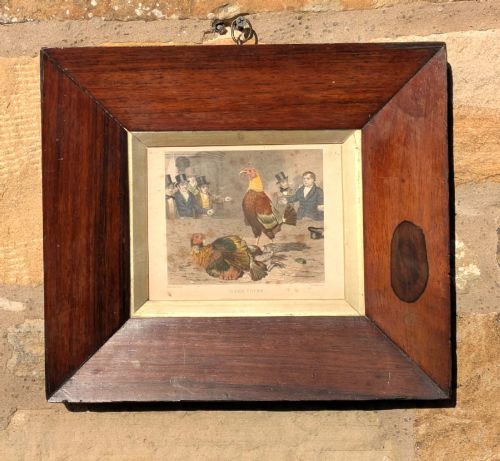
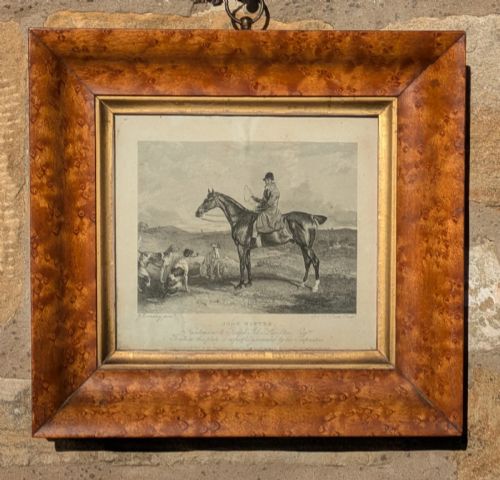
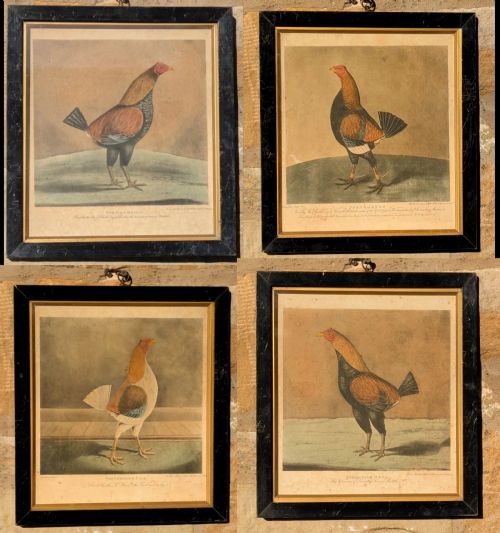
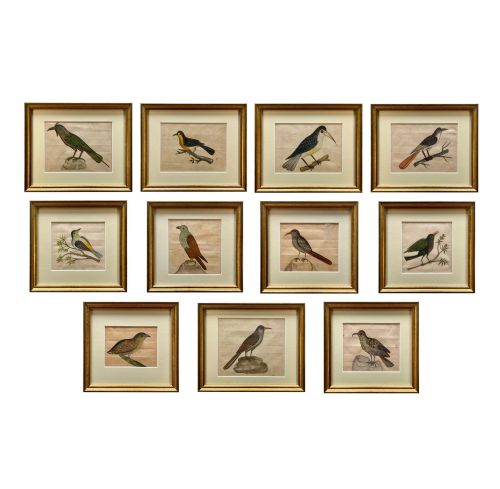
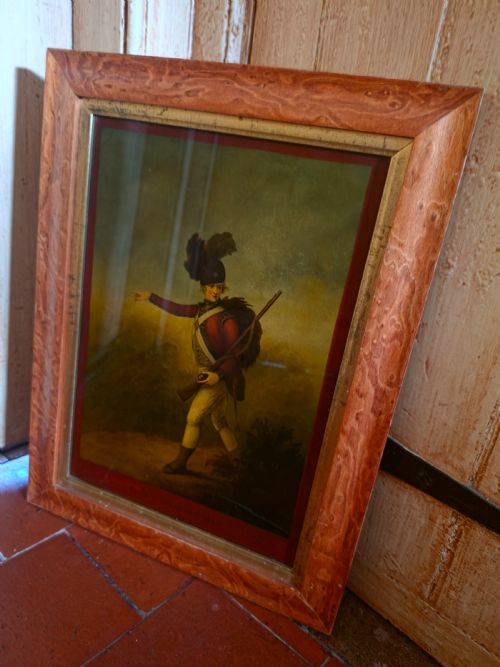
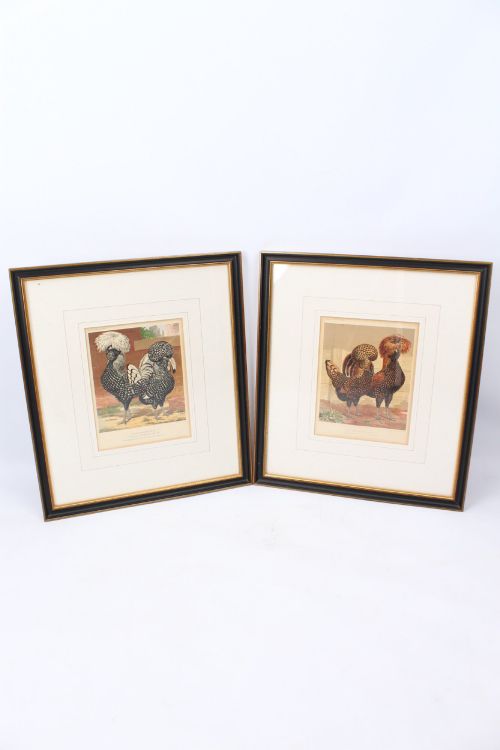
The selections on this page appear within period surrounds, predominantly wood frames with glass protection, alongside ebonised mouldings and deep giltwood mounts. Buyers encounter single sheets, pairs and matched sets of four originating from Georgian, Victorian and Edwardian periods.
The imagery serves both scientific and decorative functions, reflecting historical shifts in natural history illustration. Works range from mass-produced periodical prints to detailed brush-and-ink studies by named artists.
Materials and Technique
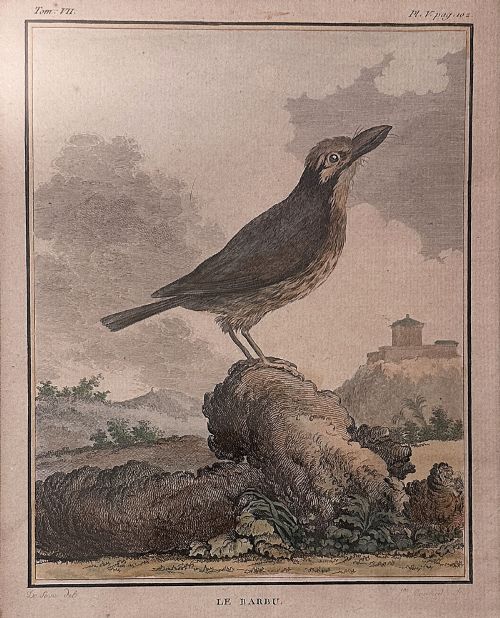
Image creation relies on copper or steel plate engraving, lithography and direct watercolour application upon paper or pith. Artists and workshops frequently applied hand-colouring over printed monochrome outlines using watercolour or gouache washes.
Framing utilised native hardwoods such as maple and walnut, alongside gilded mouldings and glass glazing to protect delicate pigments from light damage and atmospheric moisture. Mounts often incorporate gold leaf or traditional card framing to isolate the paper from the glass.
Framed Bird Art Print Retail Price Guide 2026
Typical asking prices for framed bird art print among the pieces listed under this phrase on Sellingantiques today, from the lower quarter to the upper quarter. They describe what is for sale here now, not the wider market.
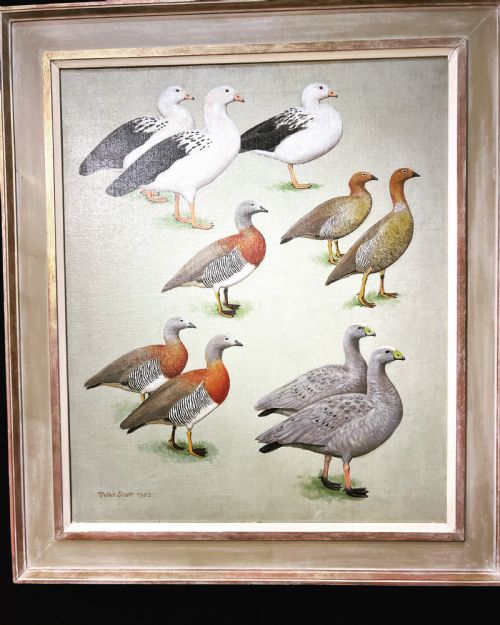
Listings feature works spanning the eighteenth century through to the 1960s, executed in watercolour, engraving, and lithography on paper.
Quality Variations
Quality rests in the precision of the initial engraving line and the fidelity of the hand-applied pigments. Early hand-coloured engravings by recognised ornithologists display a sharper delineation of plumage and more stable botanical pigments than later commercial reproductions.
The integrity of the framing materials also distinguishes examples, with original period wood frames and untouched backing papers preserving the work better than modern replacement surrounds.
François-Nicolas Martinet·George Edwards·Charles F. Tunnicliffe·William Swainson·Edward Lear
The Framed Bird Art Print Glossary
- Engraving
- A printmaking technique where an artist cuts an image into a metal plate with a burin. The resulting lines hold ink to transfer onto paper under pressure.
- Lithography
- A planographic printing method based on the mutual repulsion of oil and water. The image is drawn on limestone or a metal plate before ink is applied.
- Hand-coloured
- A finished monochrome print enhanced with watercolour or gouache applied by hand. This technique was common in ornithological publishing before modern colour printing.
- Pith painting
- An artwork created on delicate cellular material sliced from the stem of Tetrapanax papyriferus plants. These works are particularly fragile and sensitive to humidity.
- Giltwood
- Wood that has been coated with a thin layer of gold leaf or gold paint. It appears frequently on antique picture frames and decorative mounts.
Framed Bird Art Print: Frequently Asked Questions
How should I hang framed bird art?
Keep prints away from direct sunlight to prevent the watercolour pigments and hand-coloured inks from fading over time. Maintain stable indoor humidity levels to protect the antique paper and wooden frames.
Group matched sets of four together on a wall at eye level to replicate historical display styles. Ensure secure picture wire and appropriate wall fixings support the weight of glass and hardwood frames.
Are these prints original antiques?
The selection includes eighteenth, nineteenth and mid-twentieth century works created as book illustrations, scientific plates and standalone watercolours. Each piece originates from the period stated in its individual description.
Check for plate marks, paper age characteristics and printing techniques to verify period authenticity. Original engravings and lithographs carry the characteristic impression and ink texture of their era.
How do I identify different print periods?
Eighteenth and early nineteenth-century examples often feature hand-coloured copperplate engravings on laid or heavy woven paper. These typically display fine hatching and plate marks around the printed image boundary.
Victorian and later pieces frequently utilise lithography with smoother paper surfaces and multi-colour printing techniques. Edwardian and mid-century items introduce distinct watercolour styles and modern framing materials.
Can I remove prints from their frames?
Opening antique frames risks damaging fragile paper, brittle mounts and historical backing materials. Professional framers should handle any necessary conservation or glass replacement.
Original frames and backboards often contribute to the historical character and provenance of the artwork. Preserving the existing assembly maintains the physical integrity of the piece.