
Framed Tapestry
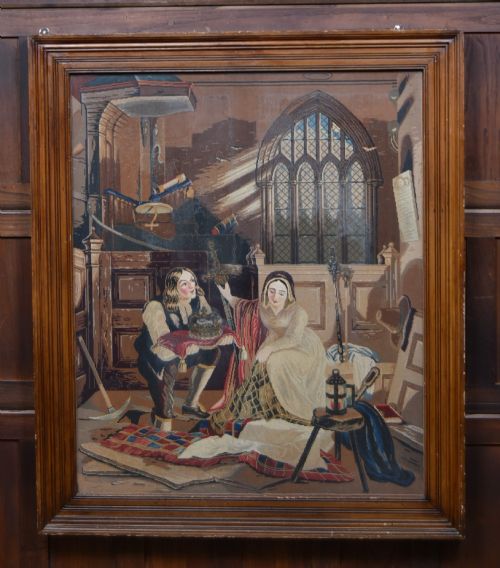
These framed antique tapestry pieces bring centuries of needlework, silk, and wool into modern rooms with rich historical colour and texture.
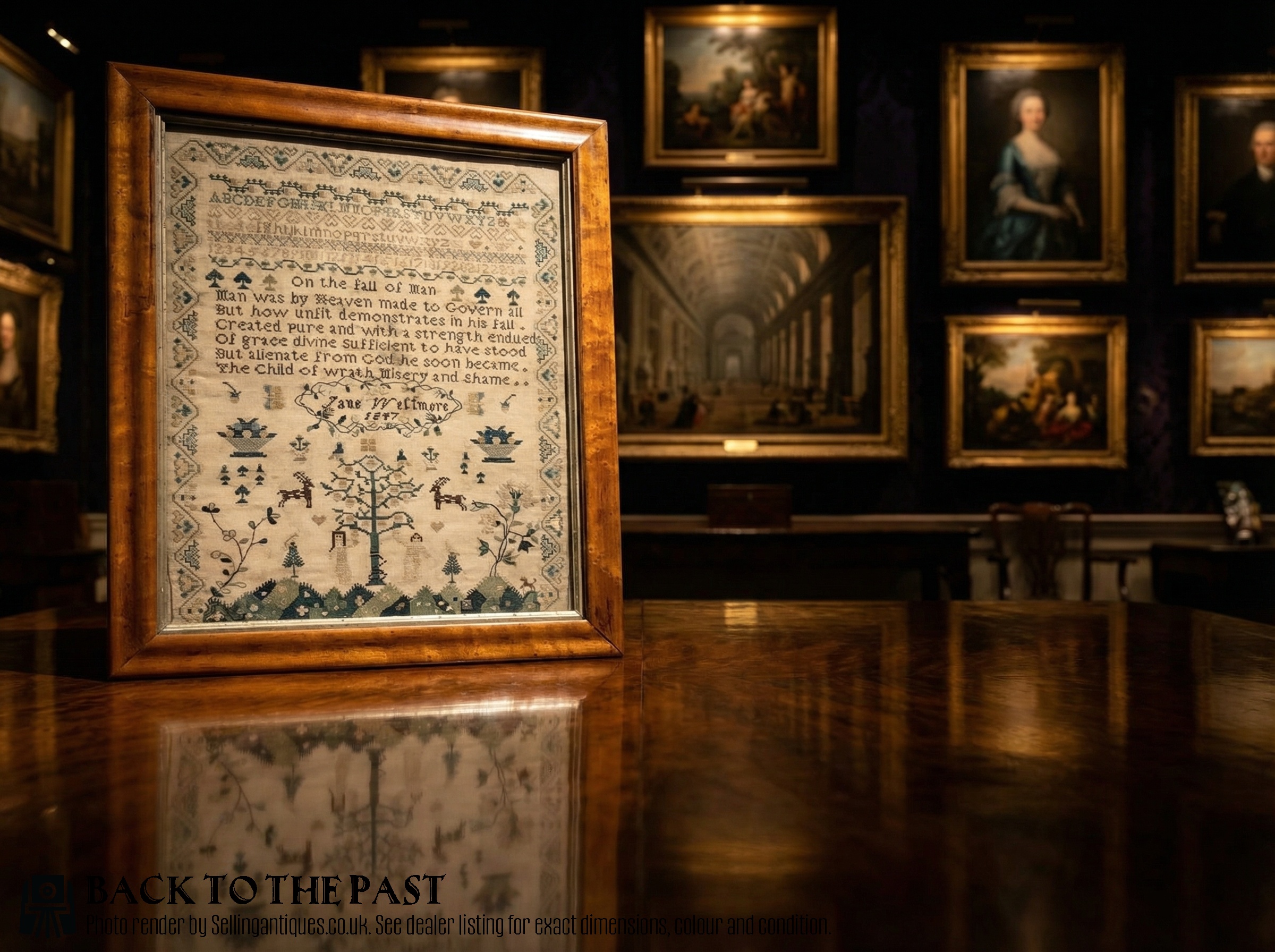
What framed antique tapestry pieces are
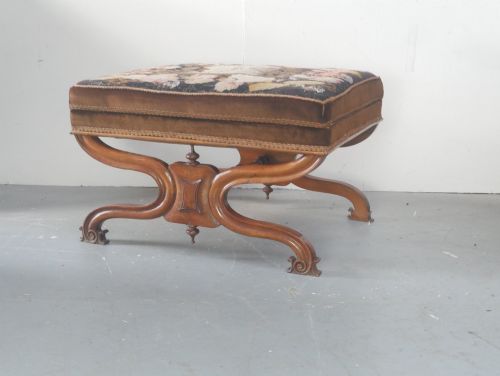
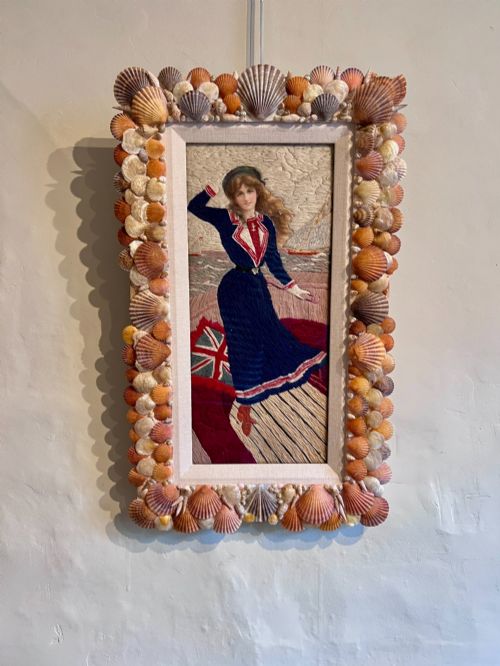
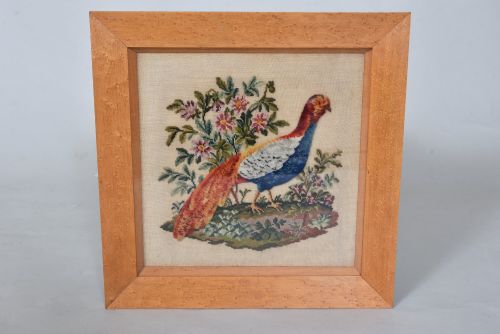
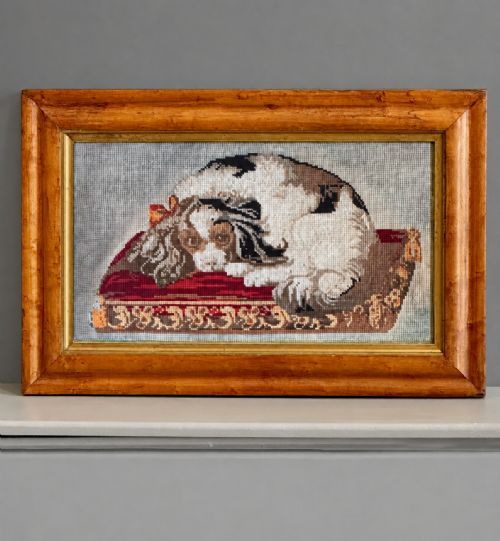
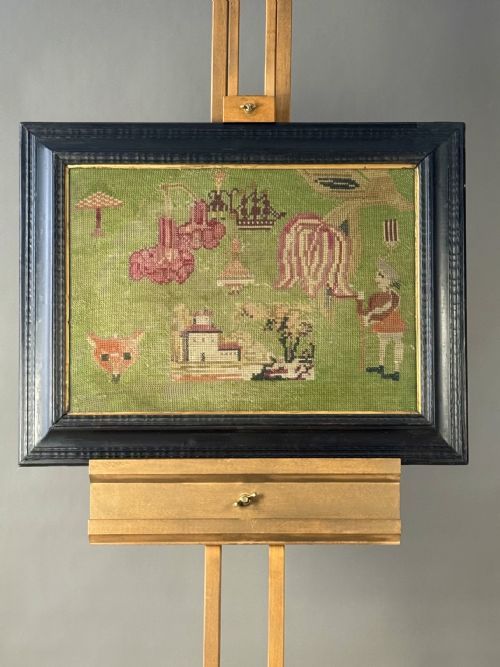
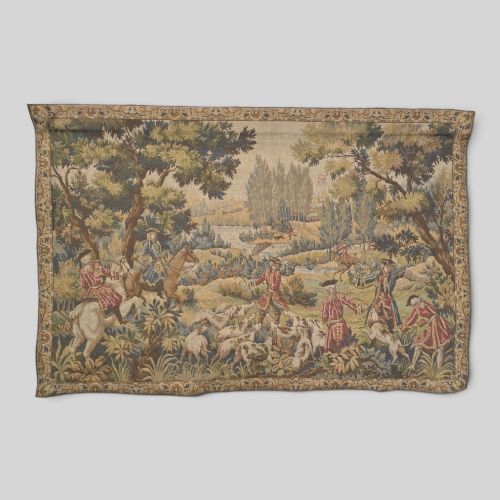
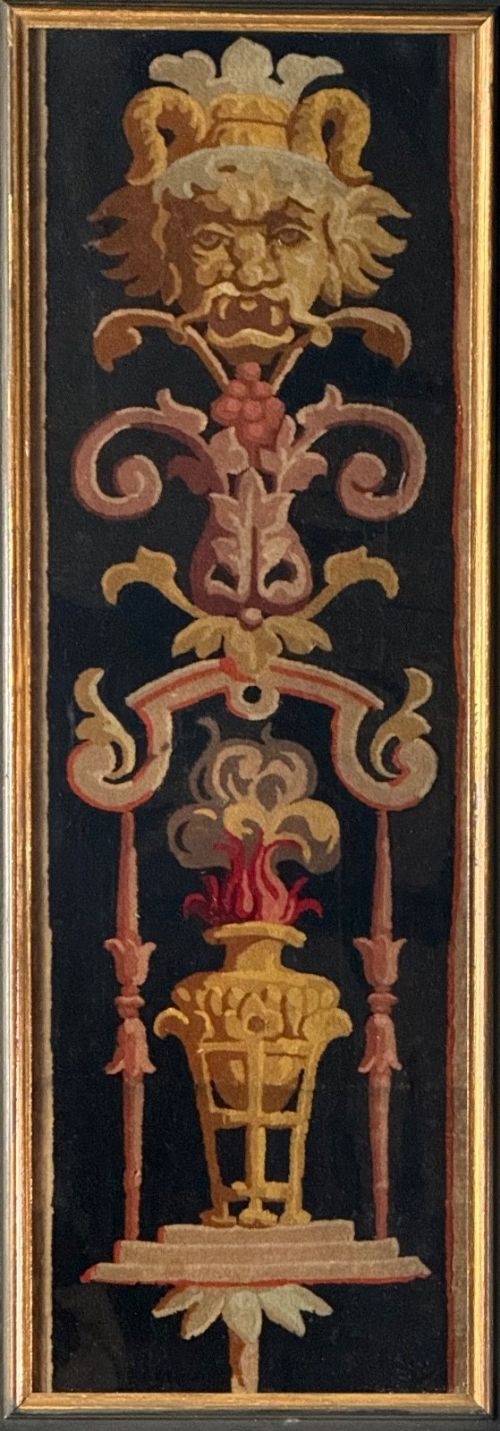
When buyers search for framed antique tapestry, they look at textile art and needlework pictures that span the eighteenth and nineteenth centuries. These works include sampler panels worked by young makers, wall panels, and French toile de Jouy fragments preserved behind glass.
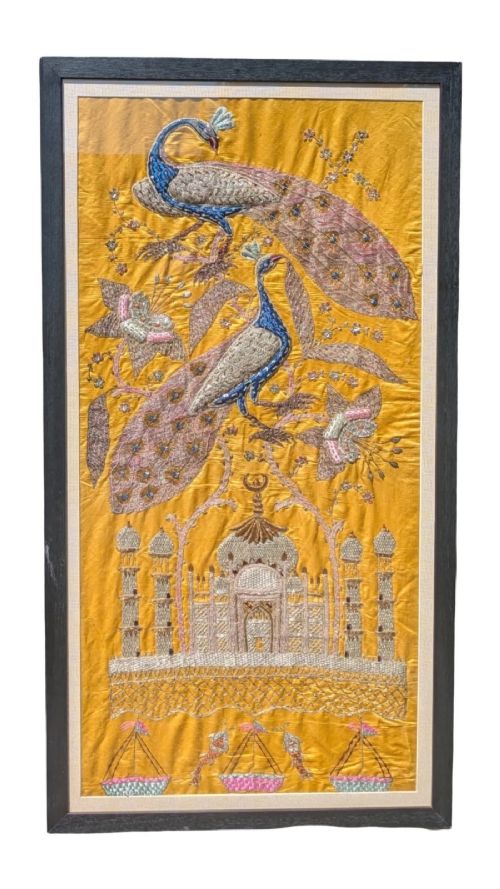
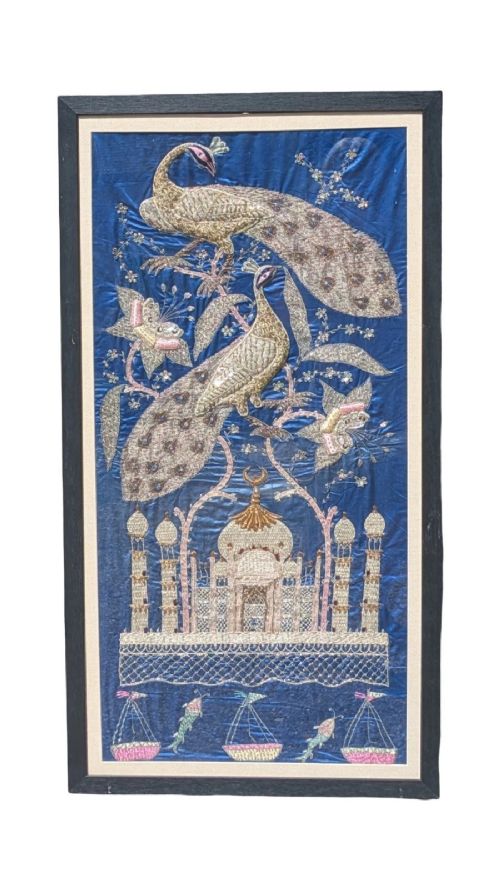
The nineteenth century provides the majority of examples on this page, particularly Victorian samplers and wool work embroidery pieces. English and continental origins appear regularly, alongside Chinese silk panels from around nineteen hundred.
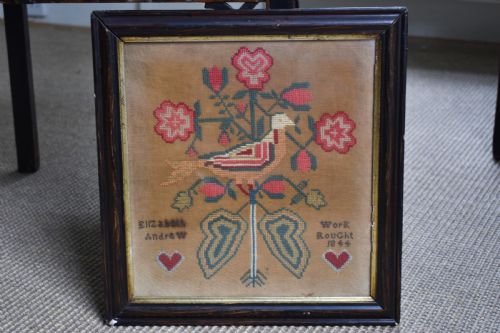
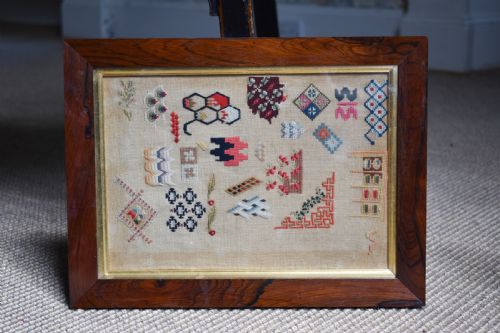
Formats range from intimate needlework samplers bearing names and dates to wide decorative wall panels. Each piece retains its original framing of wood or rosewood, protecting the fragile textiles within.
How they were made
Maker construction relies on natural fibres including wool, silk, silk thread, cotton, and linen worked into a fabric base. Stitchers used fine needlepoint and embroidery techniques to build complex pictorial scenes and lettering.
Retail Price Guide 2026
Typical UK retail prices for framed tapestry, calculated from the Sellingantiques database of over a million retail prices indexed since 2003. This retail price guide relies exclusively on Sellingantiques data; no external sources or auction records are used, so the figures do not describe the wider market.
Mary Mason recorded her age as twelve inside her needlework sampler, leaving a small personal footprint across the nineteenth century.
What varies in quality
Quality rests in the precision of the needlework and the preservation of the fibres. Tighter stitch density and complex pictorial detail distinguish superior pictorial scenes from simpler educational samplers.
The condition of the original materials dictates the standing of each piece. Intact silk and bright wool threads under clean glass represent the upper end of the range.
Jane Wettmore·Mary Mason
The Framed Tapestry Glossary
- Sampler
- A piece of needlework produced to demonstrate skill in various stitches. These often include alphabets, numbers, and the maker's name.
- Toile de Jouy
- A cotton or linen fabric printed with a repeating pastoral or historical vignette. Eighteenth-century fragments survive as framed decorative art.
- Needlepoint
- Embroidery stitched onto a canvas or linen mesh ground. This technique fully covers the foundation fabric to create dense pictorial surfaces.
- Rosewood
- A heavy, dark wood utilised for framing fine nineteenth-century textiles. Its dense grain provides a polished border for antique needlework.
Frequently Asked Questions
What is a framed antique tapestry?
These pieces comprise historical needlework, embroidered silk, and woven fragments preserved behind glass within period wooden frames. They capture domestic craft and decorative textile traditions from past centuries.
Examples on this page include eighteenth-century fragments, Victorian samplers, and Chinese silk panels. Each work offers a window into historical textile techniques.
How were needlework samplers used?
Makers originally worked samplers to practice stitches, alphabets, and numbers while demonstrating domestic proficiency. Young girls stitched names and dates into these compositions as a record of skill.
Over time, these educational exercises gained protective frames to serve as decorative wall art. They now hang as preserved pieces of social history.
How do I care for framed textiles?
Protect antique needlework by keeping panels away from direct sunlight to prevent fading in silk and wool threads. Stable indoor humidity levels protect both the textile fibres and the wooden frames.
Glass fronts shield the delicate embroidery from dust and physical contact. Cleaning should remain limited to gentle dusting of the exterior frame.
How do I date a tapestry panel?
Inscribed dates and stitched maker signatures provide direct evidence for nineteenth-century samplers. Framing materials, such as rosewood borders, also offer period indicators.
Stylistic shifts between Georgian needlework, Victorian wool work, and twentieth-century Chinese silk panels help establish the era of creation. Comparative study of motifs clarifies the timeline.