




Framed Maritime Scene
A framed antique maritime scene brings the energy of coastal tides, bustling harbours and open waters directly into a room.
Framed Maritime Scene
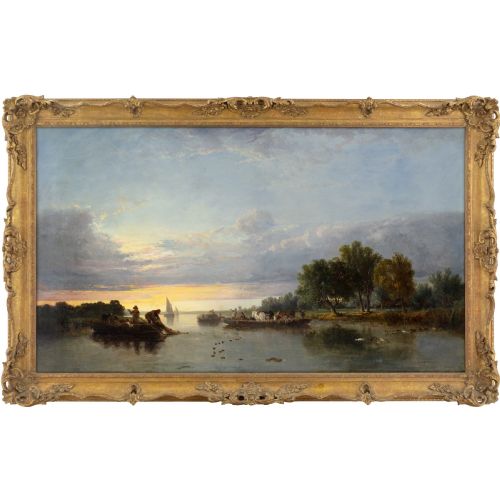
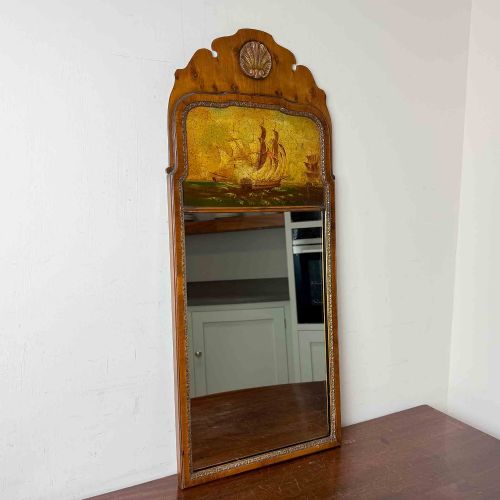
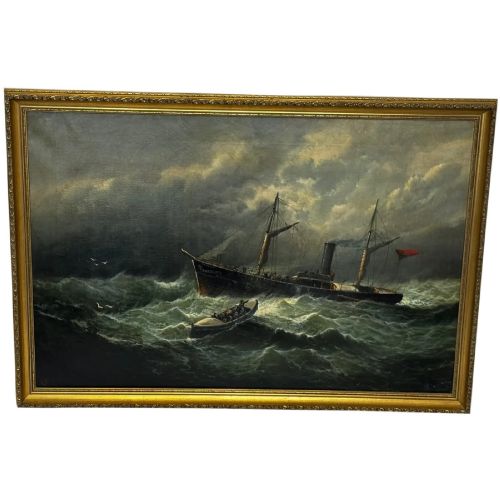
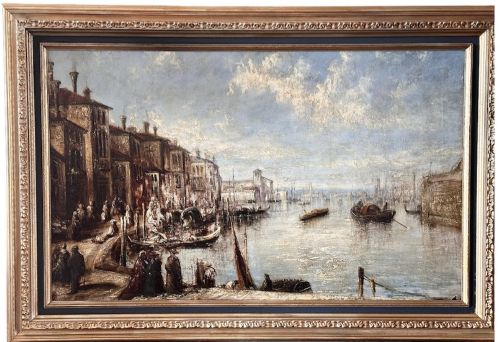
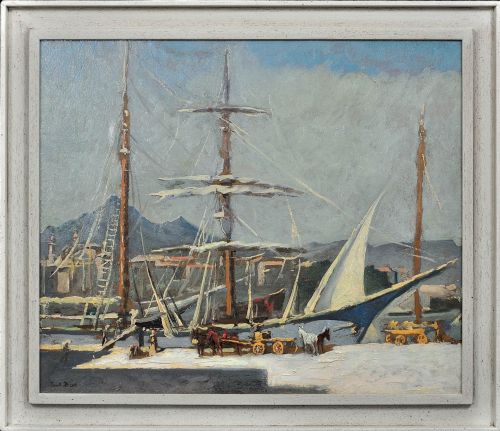
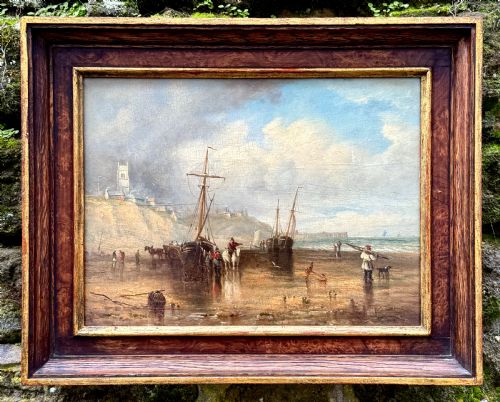
A framed antique maritime scene captures the enduring relationship between humanity and the sea, ranging from tranquil coastal inlets to dramatic open-water storms. When searching for a framed antique maritime scene, buyers encounter works executed in oil on canvas, oil on panel, and delicate watercolour on paper.
The material presentation typically includes heavy wood frames, often finished in gilt, which protect and define the pictorial space of the artwork. These pieces span the nineteenth and early twentieth centuries, reflecting the Victorian and Edwardian fascination with maritime trade, naval might, and coastal life.
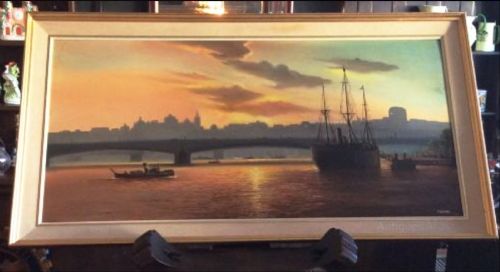
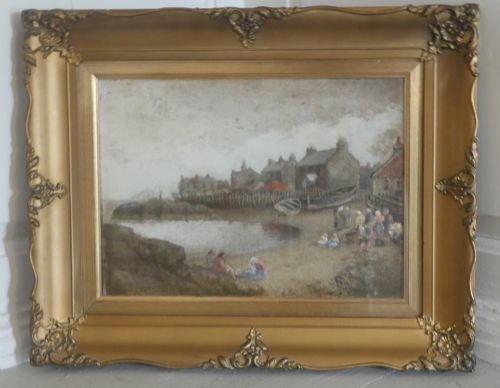
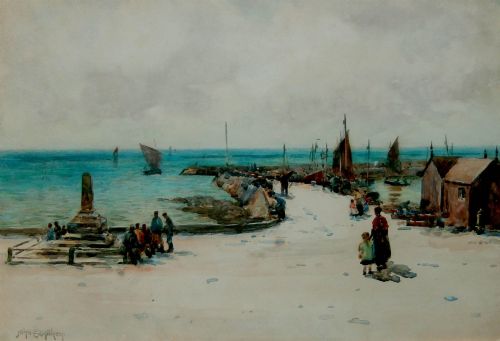
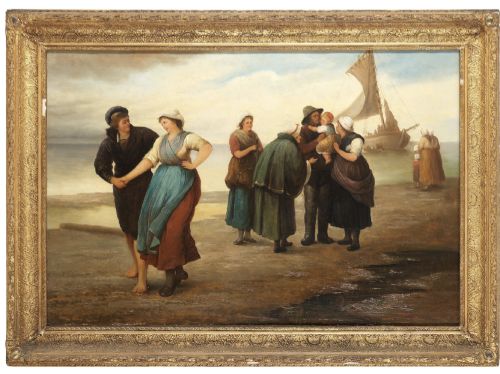
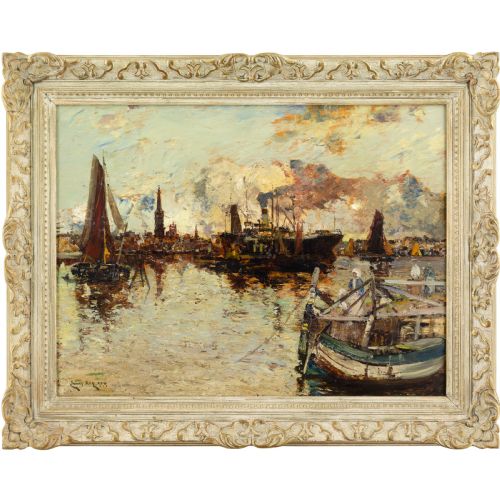
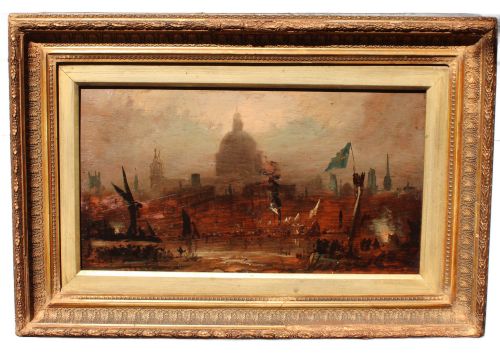
Common compositional formats include harbour views crowded with fishing boats, panoramic river scenes featuring historic bridges, and intimate studies of coastal workers on British and European shores. Each work serves as a historical window into past seafaring communities and coastal topography.
How they were made
Artists primarily utilised oil paint on stretched canvas or wooden panels, building up rich textures to render churning waves, billowing sails, and atmospheric skies. Watercolours on paper offered a lighter, more immediate medium favoured for capturing the bright light of beaches and harbours.
The framing was an integral part of the creation, utilising carved wood finished with gold leaf or dark polishing to complement the maritime subject matter. These frames provide structural integrity while enhancing the visual depth of the paintings they enclose.
Several canvases capture artists looking out at bustling local fishermen hauling their daily catch onto muddy shores.
What varies in quality
The distinction between average and exceptional works lies in the artist's command of light, shadow, and atmospheric movement across the water. Superior examples demonstrate a precise understanding of maritime architecture, vessel rigging, and the natural behaviour of tides and weather.
Materials also dictate the tier of the piece, with finely preserved original gilt wood frames and stable, unlined canvases commanding greater artistic merit. The provenance and documented attribution to established painters elevate specific works above anonymous coastal studies.
James Orrock·John E. Aitken·William Banks Fortescue·James Kay·Thomas Creswick
The Framed Maritime Scene Glossary
- Seascape
- A painting, drawing, or other work of art which depicts the sea. These works often focus on the open ocean, coastal cliffs, or ships navigating open waters.
- Watercolour
- A paint wherein the colour pigments are suspended in a water-soluble vehicle. Artists applied this medium to paper to achieve translucent washes of light and colour.
- Gilt wood
- Wood that has been treated with a thin layer of gold leaf or gilt powder. This decorative finish was standard for framing significant paintings of the nineteenth century.
- Canvas
- A closely woven heavy fabric used as a surface for oil painting. It was typically stretched over a wooden frame before the artist applied ground and pigment.
Framed Maritime Scene: Frequently Asked Questions
Where should I hang a maritime painting?
These works suit spaces with natural light that complements the coastal palette, such as living rooms, studies, or hallways. Placing them away from direct sunlight protects both the canvas and the gilt frame from fading.
Consider the scale of the frame relative to the wall space to ensure the artwork commands the room effectively without feeling crowded.
How do I care for antique oil paintings?
Keep the artwork in a stable environment with moderate humidity and temperature to prevent the canvas from warping or the paint from cracking. Dust the surface and the frame gently with a soft, dry brush.
Avoid using liquid cleaners or chemical solvents on the paint surface, as these can permanently damage the historic pigments and varnish layers.
What subjects are common in marine art?
Common subjects include bustling commercial harbours, fishing vessels battling rough seas, tranquil coastal inlets, and historic naval engagements. Artists frequently documented specific British and European ports, capturing local maritime trades.
Some pieces focus purely on atmospheric studies of light on water, while others tell narrative stories of sailors and coastal communities.
How do I identify the age of a frame?
Older frames often feature hand-carved wooden ornaments, layered gesso, and traditional gold leaf application methods rather than modern synthetic finishes. Examining the reverse side reveals construction joints, corner blocks, and old hardware indicative of past centuries.
Matches between the style of the frame and the period of the painting suggest the framing is contemporary to the artwork.