


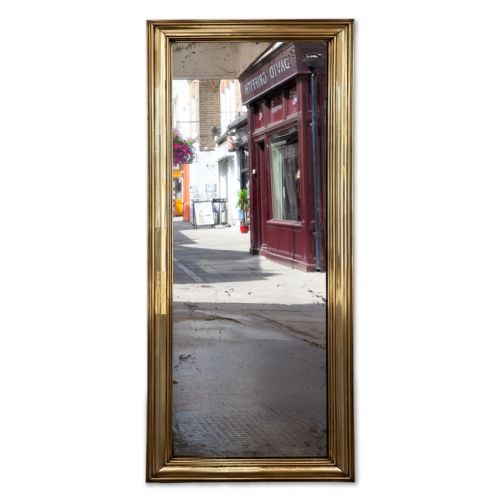


Foxed Glass Plate
These foxed glass plate pieces bring genuine age and mottled reflection to a room, offering the character that only time creates.
Foxed Glass Plate
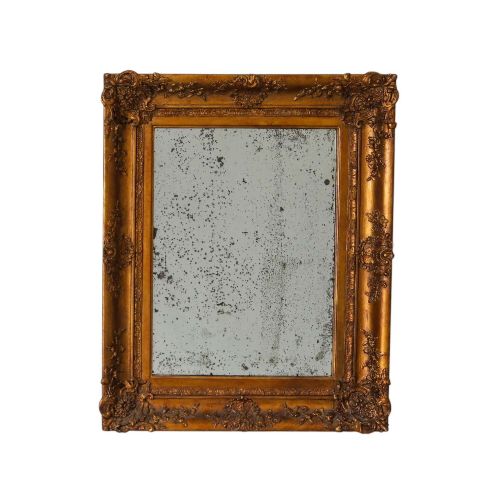
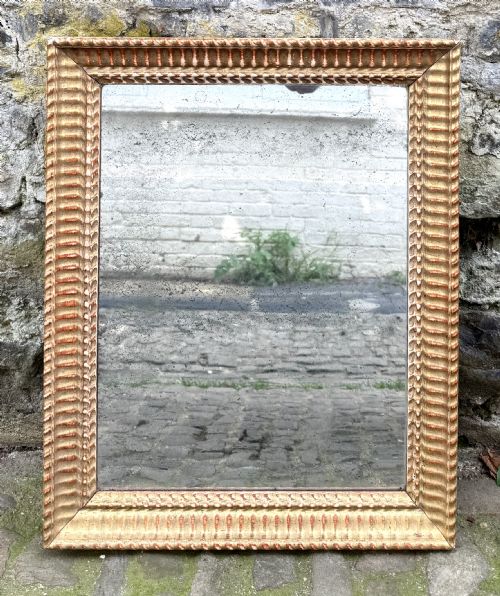
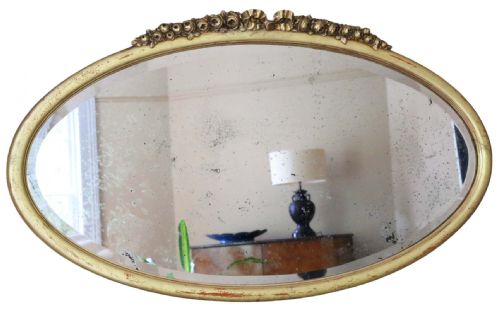
When you search for a foxed glass plate, you are looking at decorative antique mirrors that show the characteristic dark spots and speckling caused by the degradation of the backing over decades or centuries. Most examples you will encounter take the form of wall mirrors, pier mirrors, and overmantle mirrors framed in wood, giltwood, or brass.
The selections range from early 18th-century English walnut pier mirrors and Italian rococo cartouche designs to 19th-century French bistro mirrors and Victorian round wall pieces. These items serve primarily as decorative focal points where the aged mirror plate itself provides the main visual interest rather than a clear, modern reflection.
Object types stretch from large architectural wall mirrors down to smaller hand mirrors and specialised advertising boards, spanning periods from the 17th century through the 1930s. The common thread across all these variations is the presence of distressed, oxidized, or original mercury plates set within period frames.
How they were made
Makers constructed these pieces using traditional joinery and finishing techniques appropriate to their respective eras, utilising woods such as walnut, giltwood, gesso, and brass. Frames were frequently hand-carved or moulded before receiving applications of gold leaf, oil gilding, or ebonisation.
The reflective surfaces themselves rely on historical mirror-making methods, including original mercury plates and early silvering techniques that naturally degraded over time when exposed to air and moisture behind the glass. This chemical breakdown creates the desirable foxing patterns without artificial intervention.
Current selections span from the 17th century through the 1930s, featuring materials like brass, giltwood, and original mirror glass across wall, pier, and hand mirror formats.
What varies in quality
Quality in these items depends heavily on the integrity and harmony of the frame relative to the glass plate, with original mercury plates retaining their historical value more strongly than later replacements. The crispness of hand-carved details in the wood or gesso distinguishes finer workshop pieces from simpler commercial output.
The distribution and density of the foxing across the glass also play a role, as naturally occurring speckling that obscures the reflection evenly is often more aesthetically pleasing than isolated patches of damage. Furthermore, the retention of original gilding and untouched backboards elevates an example above those that have undergone extensive modern restoration.
The Foxed Glass Plate Glossary
- Foxed plate
- A mirror glass surface showing dark spots, speckling, or mottled patches caused by the ageing and oxidation of the reflective backing. This natural degradation is valued for its antique aesthetic.
- Mercury plate
- An early type of mirror manufacturing utilising a tin and mercury amalgam applied to the rear of the glass. It produces a softer, deeper reflection than modern aluminium or silver coatings.
- Pier mirror
- A tall, narrow mirror designed specifically to hang on the pier, which is the solid section of wall between two windows. They were often paired with console tables beneath them.
- Cartouche mirror
- A frame style shaped like an antique scroll or shield, often featuring elaborate rococo carving and asymmetry. These are typical of 18th-century Italian and French design.
- Giltwood
- Timber, usually carver's pine or gesso-coated wood, covered with thin sheets of gold leaf. It forms the lustrous finish seen on many formal antique frames.
Foxed Glass Plate: Frequently Asked Questions
What causes foxed glass?
Foxing occurs when moisture and air seep behind the glass over decades, reacting with the metal backing used to create the reflection. This chemical interaction breaks down the reflective layer, forming dark spots and speckled patterns.
Over long periods, this process alters the appearance of the mirror entirely, turning a functional looking-glass into a decorative antique surface with mottled depth.
Are these original antique plates?
Many pieces retain their original mercury or early silvered plates, which show the characteristic wear and foxing expected from their period of manufacture. However, mirrors are fragile and frames have often outlived their original glass.
Examining the backboards, the weight of the glass, and the specific nature of the oxidation helps determine whether a plate has remained with its frame since the 17th or 18th century.
How do I style a foxed mirror?
These mirrors work well in living rooms, hallways, and bedrooms where their subdued, mottled reflection adds texture rather than serving for close-up grooming. Hang them opposite windows to catch indirect light without creating harsh glares.
Pairing an ornate gilt or walnut frame against plain painted walls allows the aged character of the glass plate to stand out as the primary focal point.
How do I date a frame?
Dating relies on construction methods, timber choices like walnut or early pine, and stylistic indicators such as the asymmetry of rococo carving or the clean lines of the Regency period. Secondary woods on the reverse and the type of fixings used also provide reliable clues.
Comparing the joinery of the frame to known historical periods helps narrow down whether a piece originates from the 17th, 18th, or 19th century.