
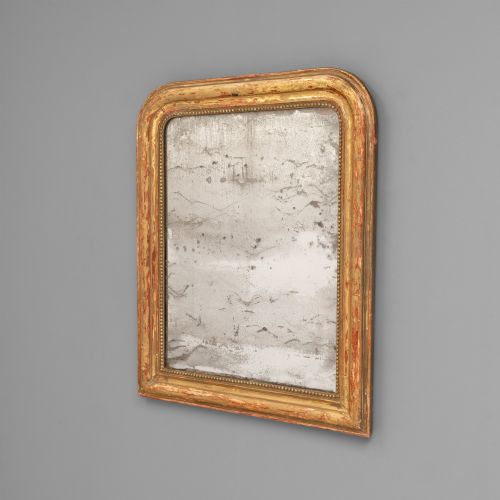
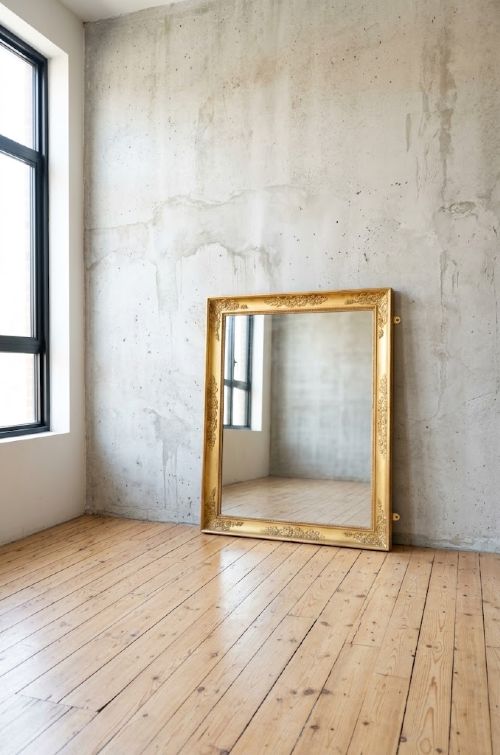
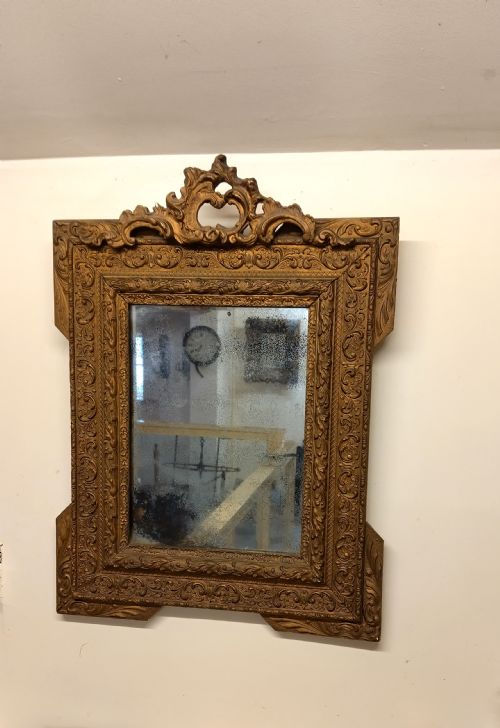
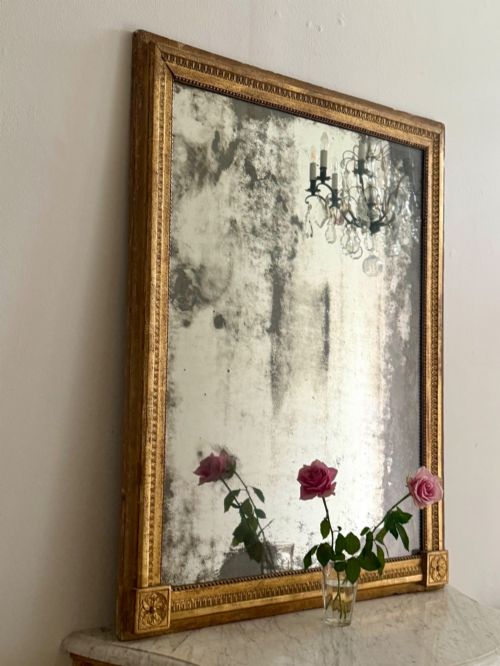
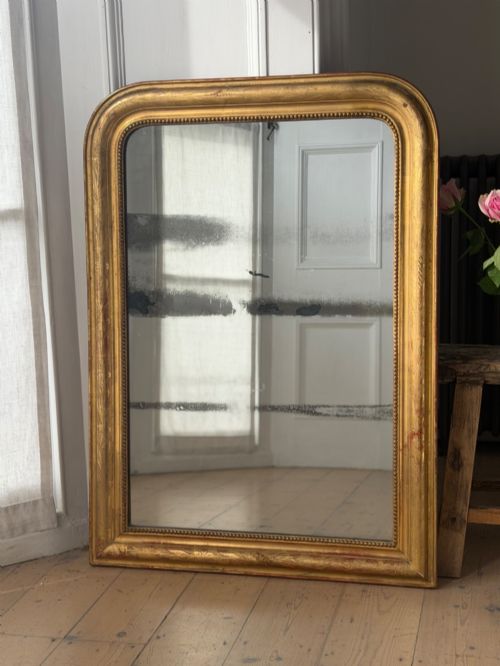
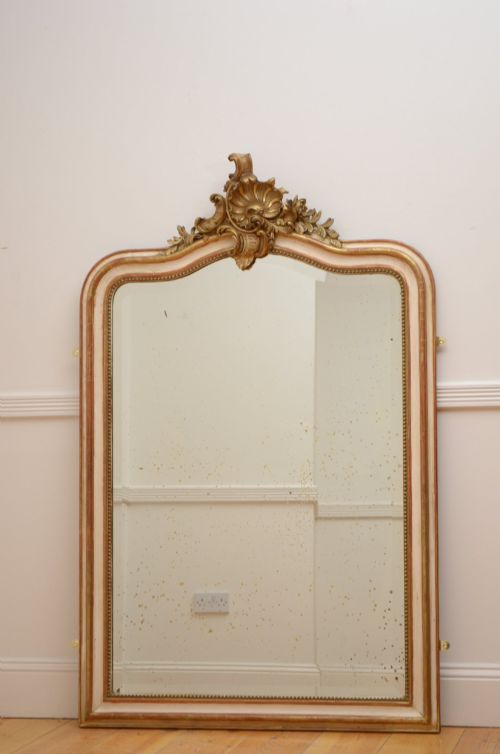
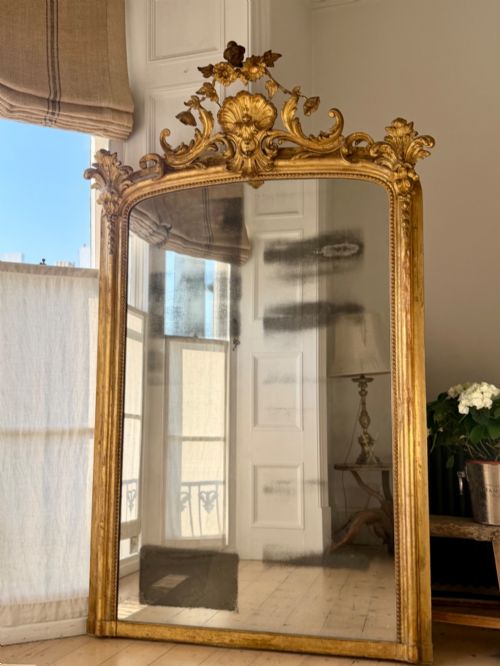

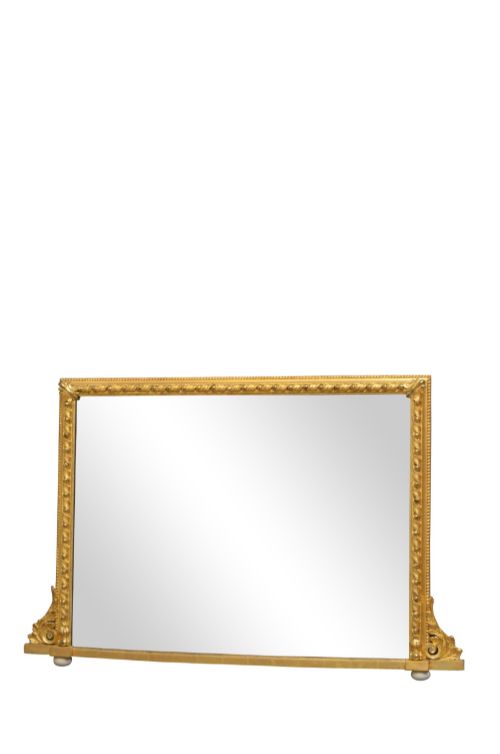
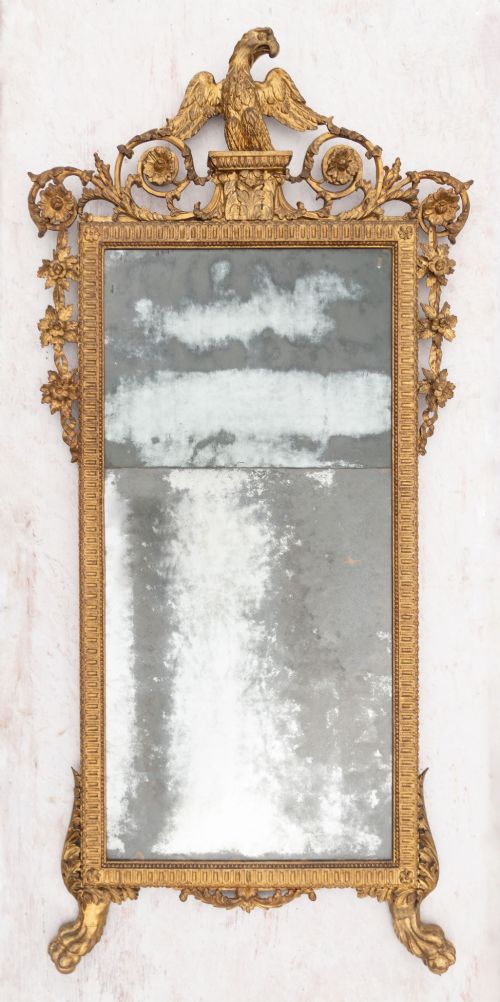
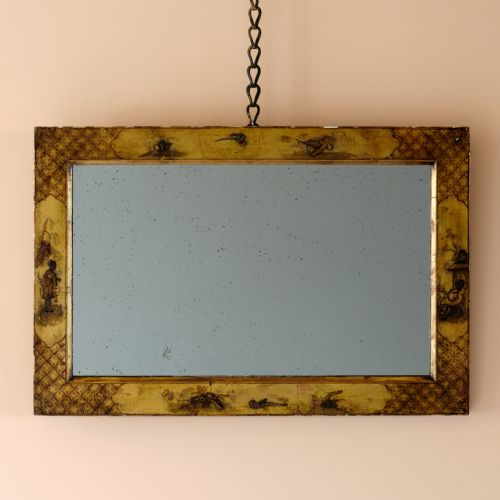
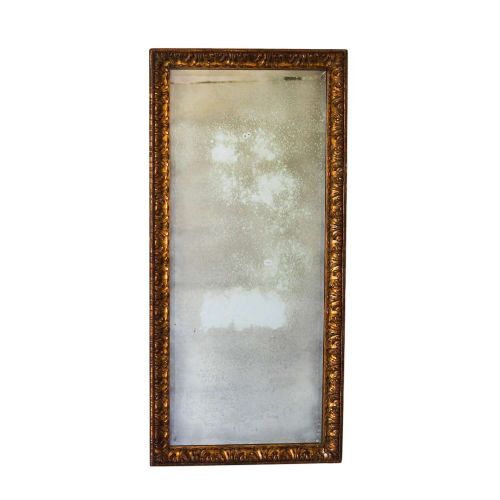
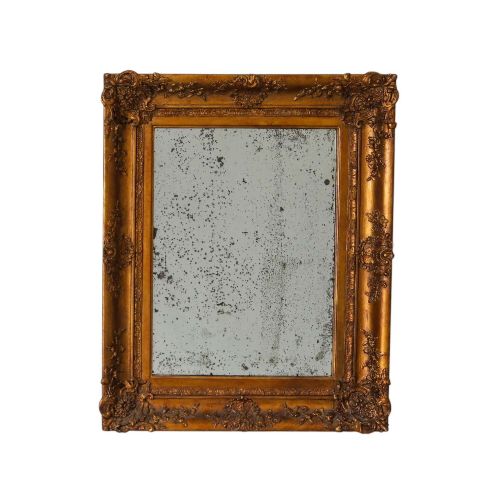
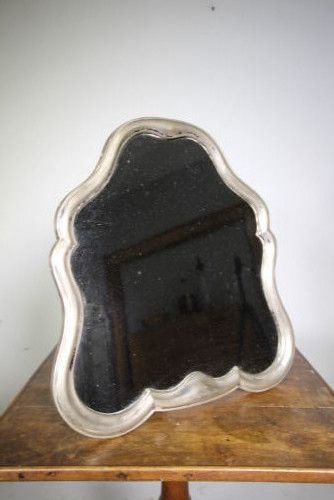
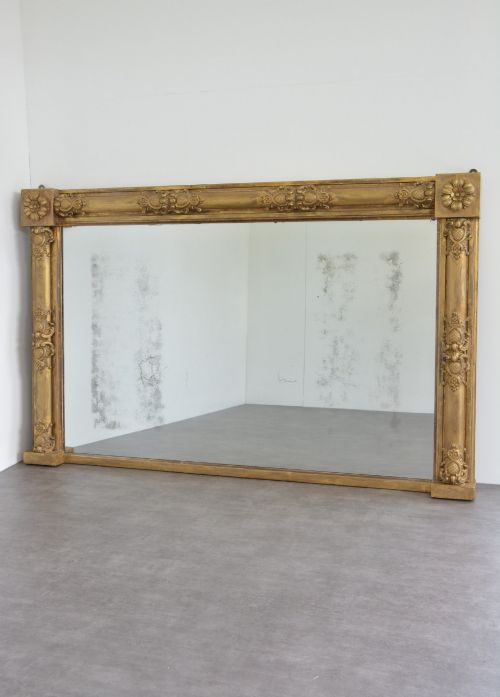
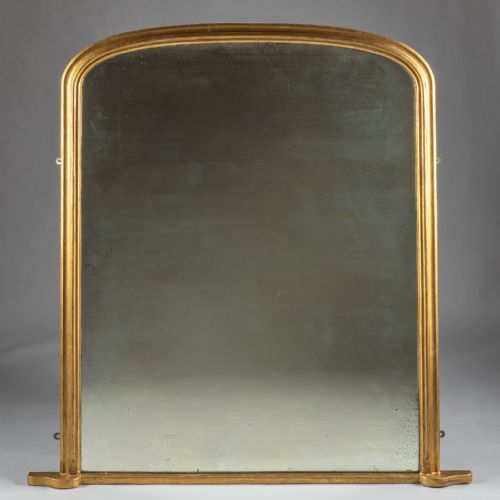
Foxed Glass Gilt Mirror
These foxed glass gilt mirror pieces bring mottled reflection and metallic warmth to a room, drawing the eye with centuries of decorative history.
Foxed Glass Gilt Mirror
When you search for a foxed glass gilt mirror, you encounter wall hung pieces, large overmantels, and tall pier mirrors designed to bounce light around domestic interiors. The examples met most often on this page originate from nineteenth century France and England, though earlier eighteenth century items appear regularly.
Forms range from simple rectangular frames to elaborate Rococo cartouches, Louis Philippe arched tops, and classical trumeau panels incorporating painted sections. These objects served traditionally above mantelpieces, between windows, or as dressing glass in panelled rooms.
The aesthetic relies heavily on the interplay between gilded wooden frames and plates that have aged unevenly over generations. Whether small or large, each piece carries evidence of historical manufacture in its timber structure and reflective surface.
How they were made
Makers constructed the structural frames using wood, gesso, and composition moulded ornaments before applying thin layers of gold leaf or oil gilt. Carved wooden elements and applied composition details created high relief decorative motifs ranging from floral carvings to rope twists.
Reflective plates were traditionally produced using a tin and mercury amalgam poured onto glass, a process that created the characteristic dark spots and oxidation known as foxing over time. Older plates display this natural degradation as a deep mottled pattern across the mirror surface.
Listings feature pieces spanning the eighteenth and nineteenth centuries, including Georgian, Regency, and Napoleon III periods.
What varies in quality
The depth and crispness of the carved details separate standard production from superior craftsmanship. Hand carved giltwood and original gold leaf retain a richer visual texture than later applied gold paint or heavy composition layers.
The integrity of the original mercury plate and the character of its foxing define the desirability of a piece. Plates that have aged uniformly without modern replacement glass preserve the historical authenticity of the mirror.
The Foxed Glass Gilt Mirror Glossary
- Foxed glass
- Mirror plate showing dark spots, speckling, or mottled degradation caused by the breakdown of the backing over time. This aged appearance is valued for its atmospheric reflection.
- Mercury glass
- Historic mirror plate created using a tin and mercury backing technique before silver nitrate became standard. It produces a warm, deep reflective quality.
- Giltwood
- Timber, often pine or oak, coated with gold leaf or metal leaf applied over a prepared gesso ground. It provides a bright metallic finish to the frame.
- Trumeau
- A decorative wall mirror combined with a painted panel or oil painting within a single wooden frame. These pieces originated in grand French interiors.
Foxed Glass Gilt Mirror: Frequently Asked Questions
What causes foxed glass?
Foxing occurs when moisture or air breaches the protective backing of the mirror plate over decades or centuries. This chemical interaction alters the metallic layer behind the glass.
The resulting dark spots and cloudiness create a unique speckled pattern that cannot be replicated artificially.
How do I hang a heavy overmantel mirror?
Heavy overmantel mirrors require secure fixings anchored directly into structural wall studs or masonry. Professional installation is strongly recommended given the substantial weight of old timber and glass.
Due to their size, these frames distribute weight across specific load points that must be properly supported.
Are mercury glass mirrors original?
Many eighteenth and nineteenth century mirrors retain their original mercury glass plates, which display distinctive mottled ageing. Replacement plates occasionally appear where historical damage occurred.
Examining the depth and nature of the foxing helps determine whether the reflective plate matches the age of the frame.
How do I clean an antique gilt mirror?
Dusting gently with a dry, soft brush protects fragile gold leaf and composition ornament from damage. Moisture and modern cleaning chemicals can strip historic gilding.
Glass surfaces require careful wiping with a barely damp cloth while avoiding contact with the wooden frame.