




Foo Dog Porcelain
These foo dog porcelain figures and vessels bring traditional guardian lions into interiors through centuries of Chinese and Japanese craftsmanship.
Foo Dog Porcelain
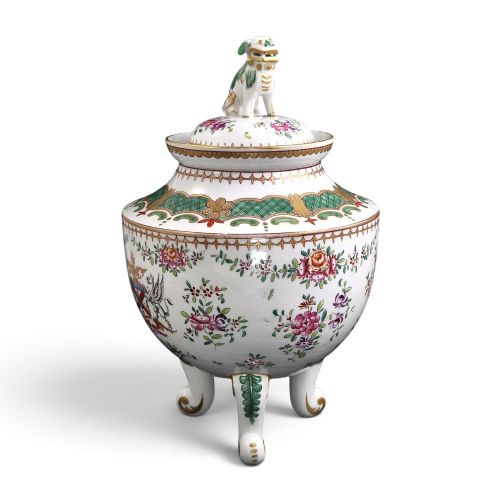
When you search for foo dog porcelain, you encounter guardian figures, temple lions, and vessels adorned with these mythical beasts across Chinese and Japanese traditions. The selection spans the nineteenth century through the early twentieth century, incorporating items from the Qing Dynasty and the Meiji period.
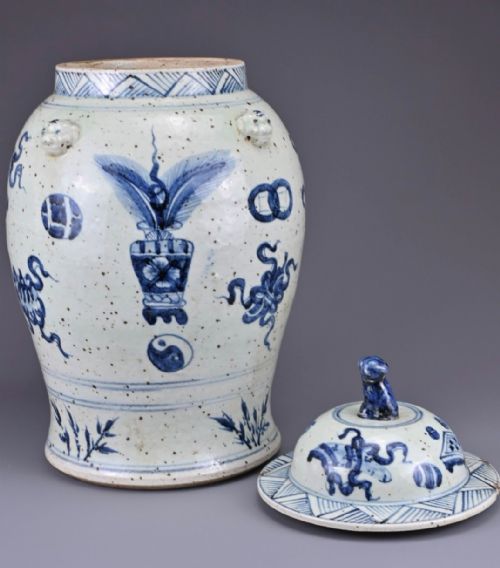
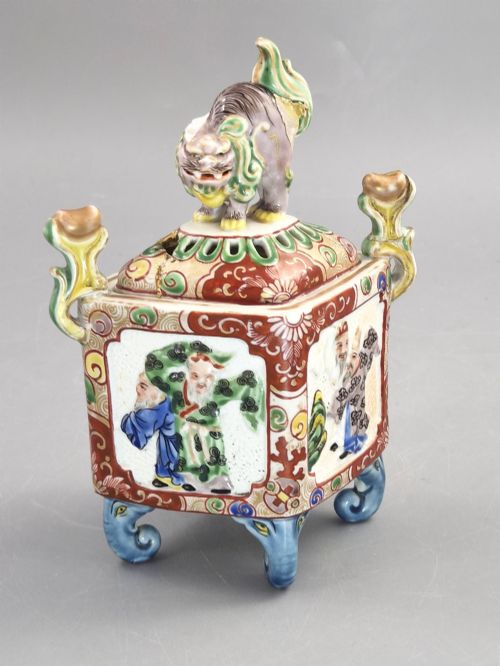
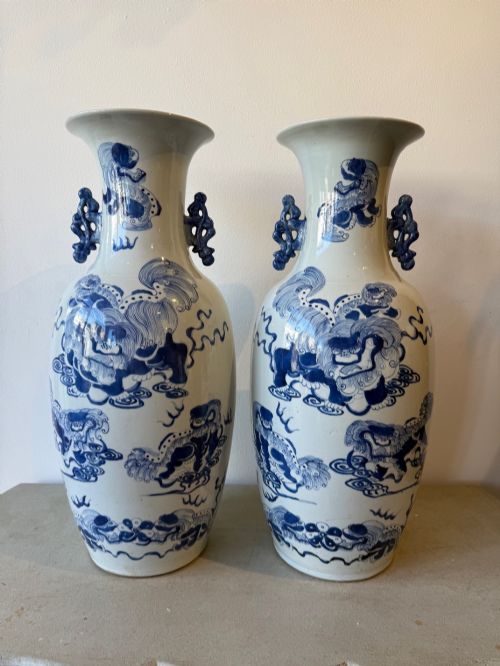
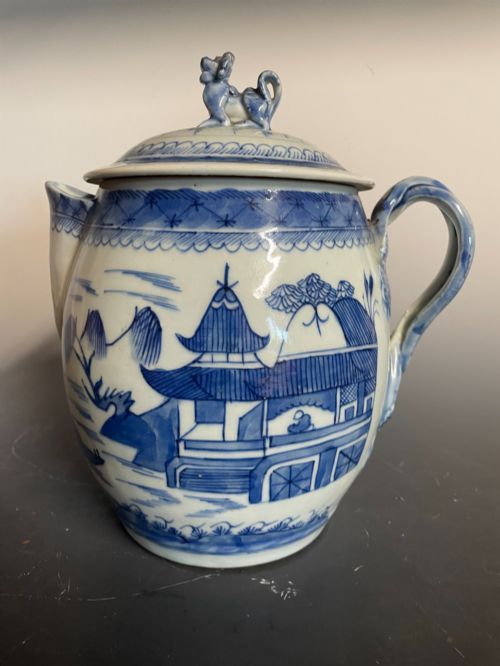
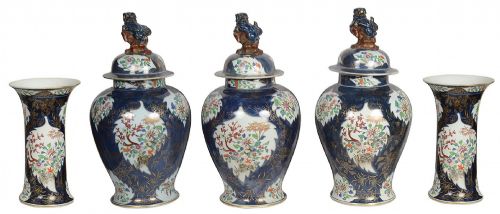
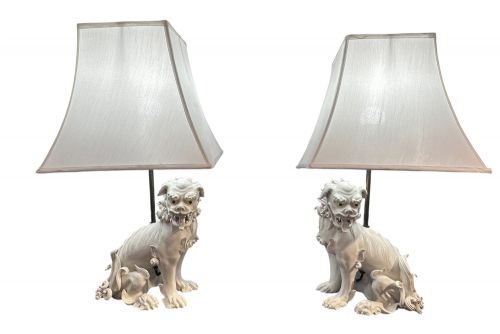
You are most likely to meet lidded jars, incense burners, and paired guardian figures rendered in blue and white, Imari palettes, or enamelled ceramics. These pieces function as decorative jars, lamps, and sculptural models originating from workshops in China and Japan.
How they were made
Potters shaped these objects from porcelain, pottery, and ironstone, applying glazes such as cobalt blue, pale green, and white blanc de chine. Artisans then hand-painted detailed motifs using enamels, gold leaf, and gilding.
Firing techniques varied from high-temperature kilns for blue and white wares to lower-temperature overglaze enamel work. Finials and feet were often modelled separately and attached before glazing and firing.
Guardian lions keep a watchful eye on your mantelpiece, ensuring mischief stays well clear of the living room.
What varies in quality
The sophistication of the hand-painting dictates much of the distinction, separating brisk commercial output from finely articulated modeller's work. Enamelling precision and the vibrancy of underglaze cobalt determine visual depth.
Samson Paris·Mason’s Ironstone China
The Foo Dog Porcelain Glossary
- Foo dog
- A Western term for a Chinese guardian lion or shishi, traditionally placed as a protector outside temples and homes. These figures appear frequently as finials on lidded jars or as standalone ceramic sculptures.
- Koro
- A Japanese incense burner, often porcelain or ceramic, fitted with a pierced cover. They frequently feature guardian lion finials and decorative feet.
- Blanc de chine
- A white porcelain produced in China, known for its smooth glaze and uniform tone. It is commonly used for monochrome Buddhist lion figures and lamps.
- Imari
- A style of Japanese export porcelain decorated in underglaze blue, iron red, and gold. This palette was widely adopted in European and Japanese production during the nineteenth century.
Foo Dog Porcelain: Frequently Asked Questions
What is a foo dog?
A foo dog is a Western name for a Chinese guardian lion, which represents protection and prosperity in traditional iconography.
These mythical beasts appear frequently as sculptural figures, lamp bases, or protective finials on lidded ceramic vessels.
How are Chinese and Japanese pieces told apart?
Chinese pieces often utilise blue and white underglaze painting, famille rose enamels, or monochrome glazes associated with the Qing Dynasty.
Japanese items from the Meiji period frequently display distinct Imari palettes, Kutani styles, or specific maker traditions like Hirado.
Were these figures used as incense burners?
Certain vessels, notably koros, served as incense burners with pierced lids designed to release fragrance.
Other items function strictly as decorative lidded jars, vases, or standalone guardian statues rather than functional burners.
How do I style these in a modern interior?
Paired temple lions and lidded jars work well on mantelpieces, sideboards, or occasional tables as focal points.
Larger baluster vases and converted lamp bases integrate easily into varied decorative schemes without needing specialised display cases.