

Folk Art Wooden Bird
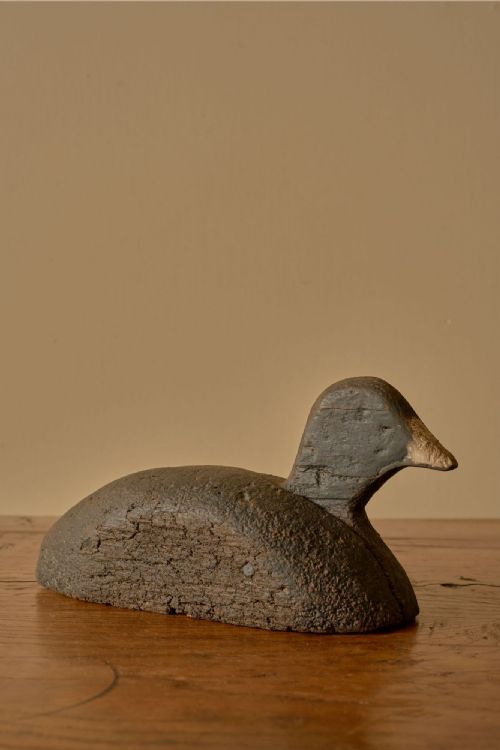
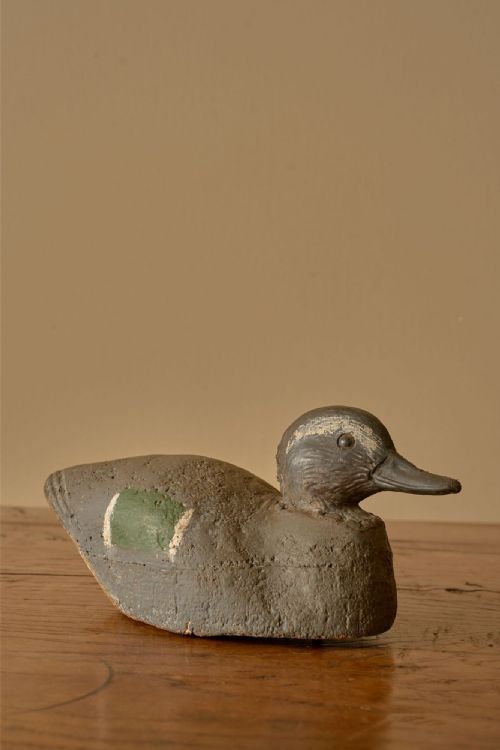
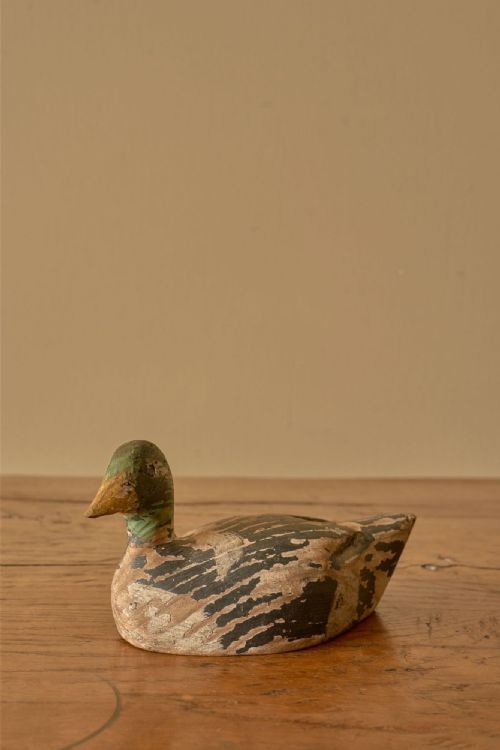
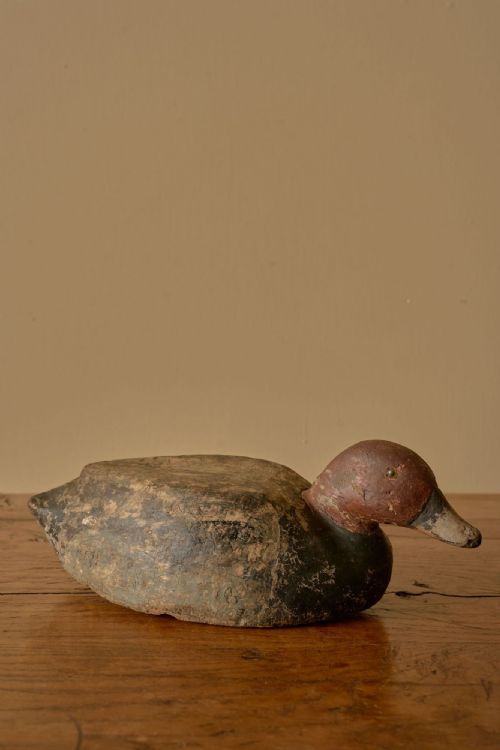
These carved and painted objects bring tactile character into a room, capturing avian forms through simple craftsmanship.
Folk Art Wooden Bird
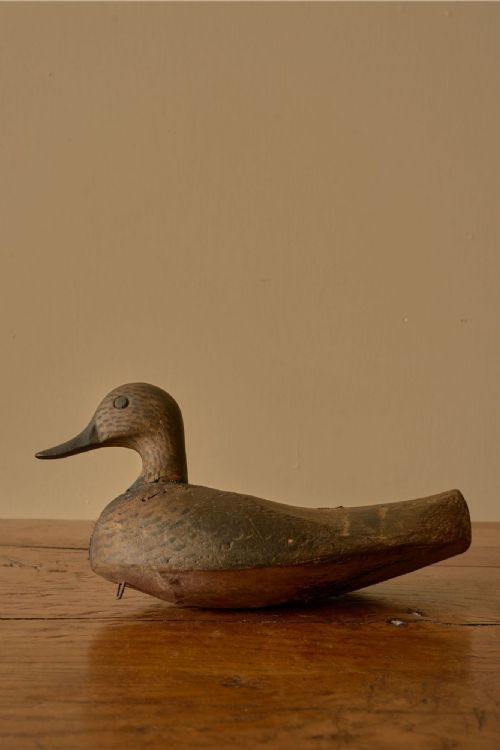
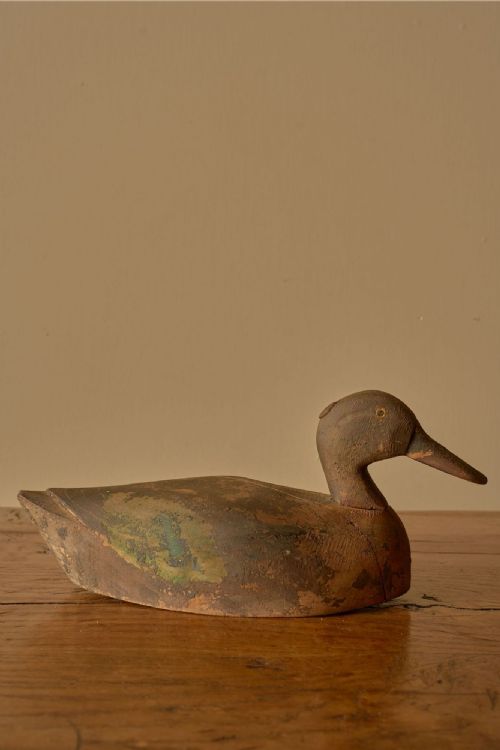
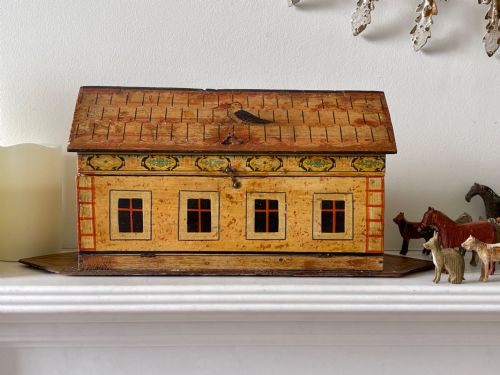
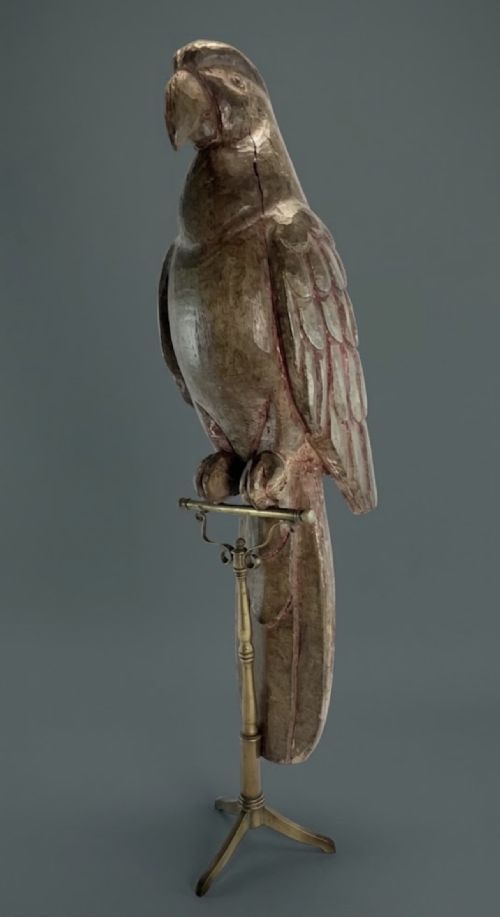
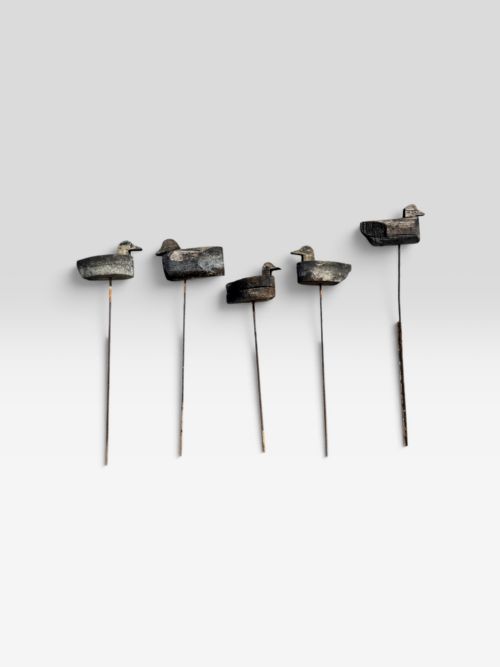
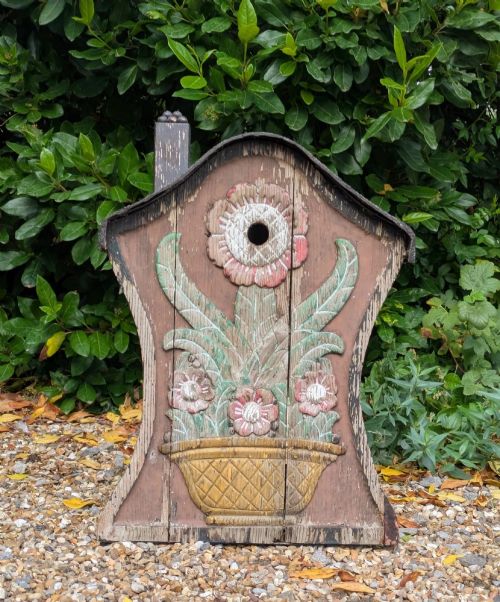
When searching for a folk art wooden bird, a buyer encounters a diverse group of hand-carved sculptures, utility items, and working decoys originating from the nineteenth and early twentieth centuries. These pieces encompass carved ducks, geese, pigeons, parrots, and herons, alongside whimsically decorated treen boxes and Noahs Ark sets.
The objects stem from English, Scandinavian, French, and American traditions, reflecting domestic country life rather than formal academic studios. Working decoys designed to lure wildfowl sit alongside decorative sculptures and miniature animal studies.
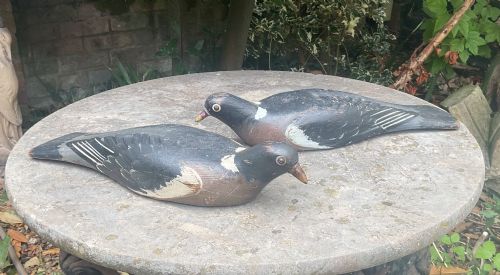
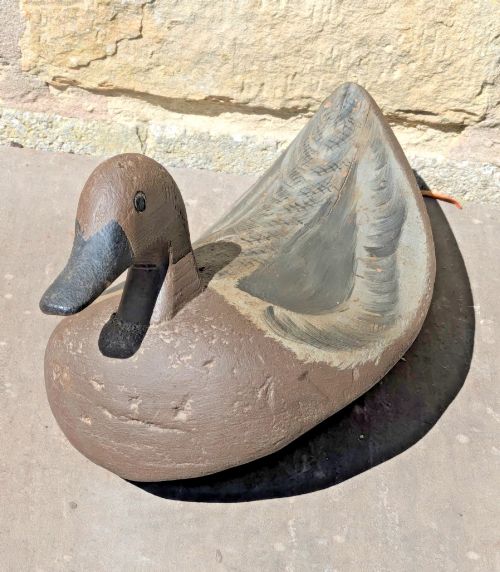
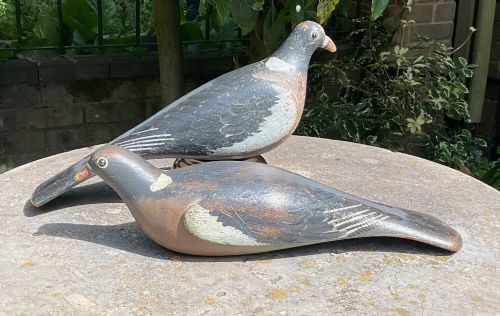
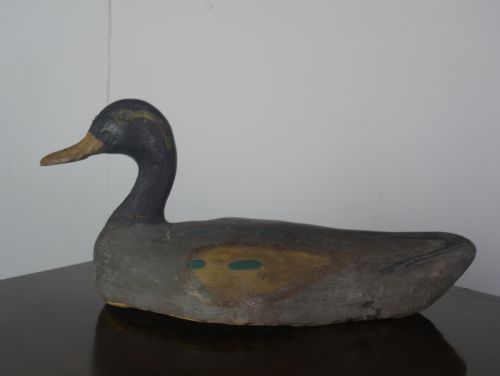
Dated specimens mostly cluster between the Victorian era and the nineteen-thirties, spanning Edwardian and early twentieth-century periods. Buyers will frequently meet painted decoy ducks and pigeons constructed for shooting use alongside carved wooden birds intended purely for display.
Materials and construction methods
Makers utilised available timber such as pine, birch root, and general solid woods, shaping blocks with hand tools into recognizable bird silhouettes. Carving marks often remain visible beneath subsequent layers of old paint.
Surface decoration frequently involves hand-applied paint, sometimes combining iron elements like mounting brackets or brass stands to support sculptures such as parrots and herons. Treen items incorporate sliding lids and hinged compartments executed with basic carpentry joints.
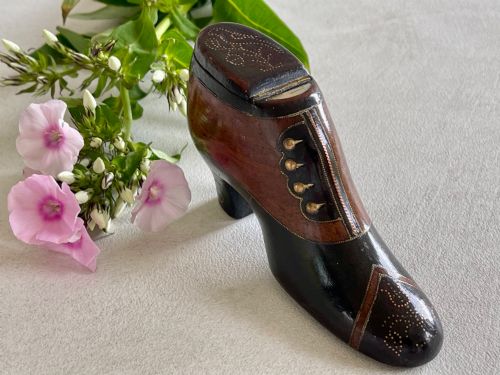
A double-opening treen snuff shoe preserves tiny carved birds alongside an old date, combining footwear with ornithology.
Judging quality and character
The visual appeal of these carvings depends upon the strength of the original silhouette and the personality captured in the posture of the bird. Bold tool work and honest, weathered surfaces carry more presence than overly refined execution.
Original untouched paint surfaces with authentic patination elevate an object significantly above later repainted examples. The harmony between the carved wooden form and any remaining pigment dictates the overall success of the piece.
The Folk Art Wooden Bird Glossary
- Decoy
- A carved and painted wooden representation of a bird, originally placed by hunters to attract wildfowl. Many surviving examples have transitioned entirely into decorative interior objects.
- Treen
- Small handmade wooden household utensils and decorative objects. These items often feature carved bird motifs or take specific animal forms.
- Folk art
- Utilitarian or decorative objects created by self-trained makers within traditional rural communities. These pieces prioritize practical function and rustic charm over academic precision.
- Snuff box
- A small pocket container designed to hold powdered tobacco. Examples often incorporate hinged wooden lids carved with bird figures or shaped directly as animals.
- Pine
- A soft timber commonly utilised by country carvers for sculptural animal and bird figures. Its open grain readily absorbs early oil and lead-based paints.
Folk Art Wooden Bird: Frequently Asked Questions
What are wooden bird decoys?
Decoys are carved wooden waterfowl or land birds created to attract live birds during shooting expeditions. Makers shaped pine and timber blocks to mimic the specific profiles of ducks, geese, and pigeons.
Over decades, these utilitarian objects have been adopted as decorative sculptures for interior spaces. Their working origins give them a sturdy, practical construction and honest aesthetic.
How old are these wooden birds?
The pieces span from the nineteenth century through the early decades of the twentieth century, including Victorian and Edwardian periods. Dates are typically deduced from construction techniques, timber types, and wear patterns.
Paint layers and tool marks also help indicate the era of manufacture. Many items date specifically around nineteen hundred to nineteen thirty.
How do I display a decoy?
Wooden birds fit comfortably on bookshelves, mantelpieces, and side tables alongside books and ceramics. Their neutral wood tones and weathered paint complement both traditional and modern interiors.
Placing them in natural light highlights the carved textures and aged surfaces. They require minimal upkeep beyond dusting with a dry cloth.
Are these birds carved by hand?
Makers shaped these sculptures using hand tools such as drawknives, chisels, and pocket knives. Each piece displays individual carving characteristics rather than mass-produced uniformity.
Tool marks frequently remain visible across the wood, giving each bird a distinct personality. This direct craftsmanship defines the folk art tradition.