






Folk Art Textile Panel
A folk art textile panel brings centuries of domestic needlework and regional tradition straight onto the wall.
Folk Art Textile Panel
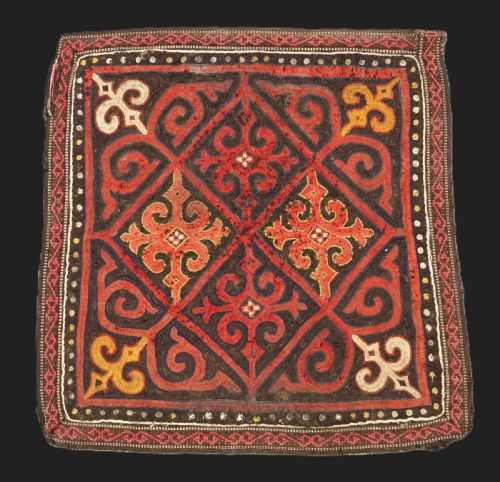
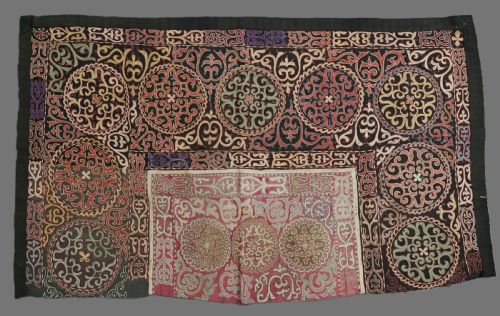
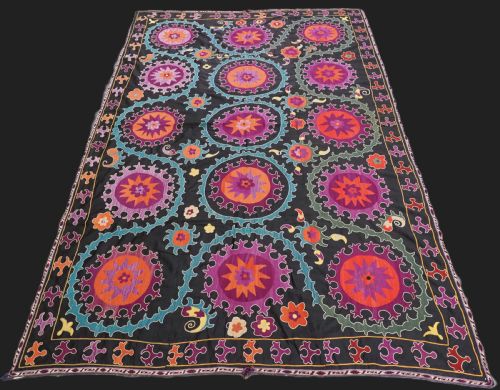
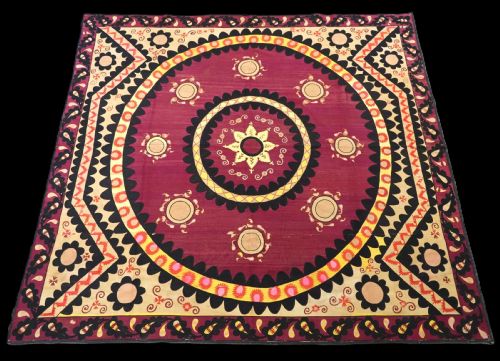
A folk art textile panel encompasses diverse wall hangings, framed needlework, and embroidered domestic items originating from various global traditions. Buyers seeking a folk art textile panel encounter everything from Central Asian Suzanis and tribalilgich to Greek island embroideries and English samplers.
The selection frequently includes pieces spanning the eighteenth century through the twentieth century, with nineteenth-century examples and nineteen-hundreds nomadic hangings appearing regularly. These works range from small hand towel end panels to large yurt wall hangings and detailed pictorial wool work.
Origin points stretch from Central Asian regions like Uzbekistan and Kyrgyzstan to Greece, Sweden, India, and England. Each piece reflects the distinct domestic or tribal craft of its specific locale and period.
How they were made
Makersemployed ground fabrics such as linen, cotton, wool, silk, canvas, and felt, working by hand to construct the foundation of each composition. Silk and wool threads, alongside metallic thread, provided the colourful details and dense pile seen across many panels.
Techniques relied heavily on needlework, embroidery, beadwork, and painting on cloth. Artisans stitched intricate motifs directly onto woven grounds, occasionally incorporating wooden or glass elements into the finished display.
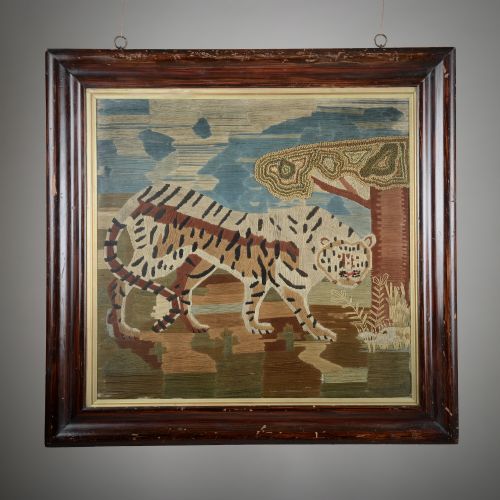
Someone spent hours stitching a fierce tiger onto wool, proving that historical textile artists enjoyed a wild imagination just as much as floral borders.
What varies in quality
The visual strength of a folk art textile panel depends upon the density of the stitching and the complexity of the design layout. Fully embroidered surfaces demonstrate a higher degree of maker investment than sparse or partial needlework.
Design clarity and the vitality of the pictorial narrative separate standard domestic exercises from exceptional examples. Works depicting complex figurative scenes, such as traditional stories or tribal motifs, display superior artistic ambition.
The Folk Art Textile Panel Glossary
- Suzani
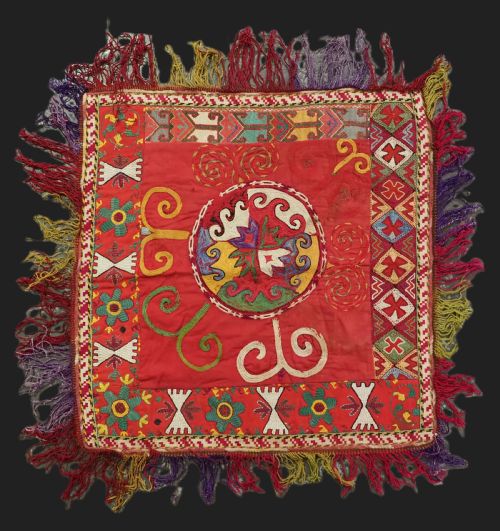
- An embroidered tribal hanging originating from Central Asia, typically worked in silk on a cotton ground. These large panels often feature bold botanical or celestial motifs.
- Sampler
- A piece of needlework produced to demonstrate skill in various stitches and alphabets. Makers often included dates, names, or moral verses.
- Ilgich
- A specific style of dowry embroidery used as a wall hanging by Central Asian nomadic tribes. They display distinct geometric and cultural symbolism.
- Felt
- A non-woven textile produced by matting, condensing, and pressing fibres together. Kirghiz panels frequently utilise this sturdy material as a base.
Folk Art Textile Panel: Frequently Asked Questions
How do I hang a textile panel safely?
Mount the panel using conservation-grade framing behind UV-filtered glass to protect delicate fibres from light damage and atmospheric dust. Alternatively, mount unglazed textiles onto a padded wooden stretcher using non-damaging stitching methods.
Ensure the weight of the piece distributes evenly across the hanging mount rather than pulling on a single anchor point. Keep panels away from direct sunlight and heat sources to preserve the original dyes.
Where were most Suzanis made?
Suzanis originate primarily from Central Asian regions including modern-day Uzbekistan, Tajikistan, and surrounding areas. Urban workshops and nomadic groups alike produced these large embroidered hangings for domestic and ceremonial use.
Different towns such as Tashkent and Samarkand developed distinct regional patterns and colour palettes. This local specialisation makes it possible to trace the geographic origins of many surviving pieces.
What is the difference between a sampler and a pictorial panel?
Samplers focus on displaying a repertoire of stitches, alphabets, and repetitive motifs, often created as educational exercises or records of skill. They prioritise formal arrangement and lettering over narrative scenes.
Pictorial panels tell a specific story or depict concrete subjects, such as animals, figures from literature, or religious scenes. These works function primarily as decorative art rather than technical practice pieces.
How can I tell a Greek island embroidery from an English sampler?
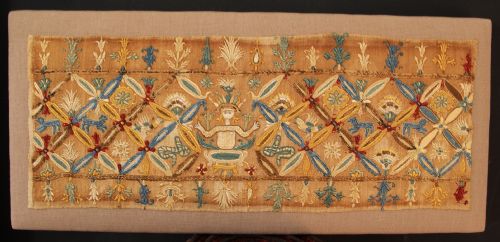
Greek island pieces from regions like Skyros or Epirus typically employ stylised botanical, geometric, or maritime motifs stitched in vibrant regional threads on linen grounds. Their composition reflects Mediterranean folk traditions and local dress customs.
English samplers rely heavily on written alphabets, verse, numbers, and domestic or architectural vignettes executed in standard linen or canvas foundations. The inclusion of English names and dates further distinguishes domestic British needlework.