
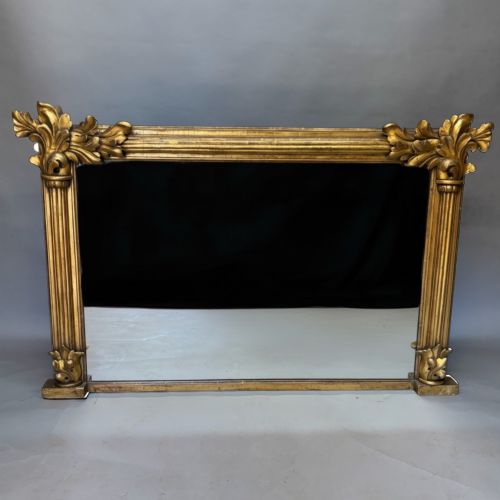


Fluted Giltwood Frame
A fluted giltwood frame brings classical line and reflective warmth to a room, offering the distinct texture of carved and gilded timber.
Fluted Giltwood Frame
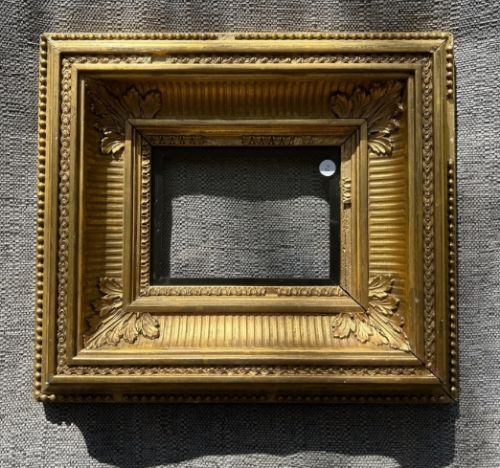
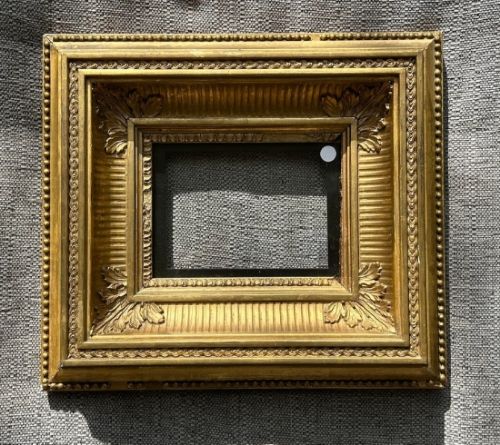
When you search for a fluted giltwood frame, you are looking at decorative mouldings and surrounds shaped from wood and finished with gold leaf or metal leaf over gesso, featuring parallel vertical grooves.
The versions you are most likely to meet on this page date from the 19th century, including Georgian and Regency periods, stretching through Victorian production to around 1900.
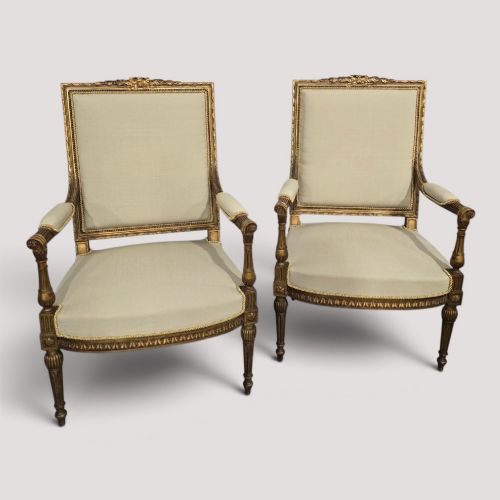
Forms span picture frames, wall mirrors, pier mirrors, triptych overmantels, and even occasional seating with gilded timber construction.
How they were made
Carved timber foundations, whether wood or ebonised wood, are coated in gesso to provide a smooth, absorbent base for gilding.
Gold leaf or silver leaf is applied to the prepared surface by hand, often burnished to catch the light across the channelled flutes.
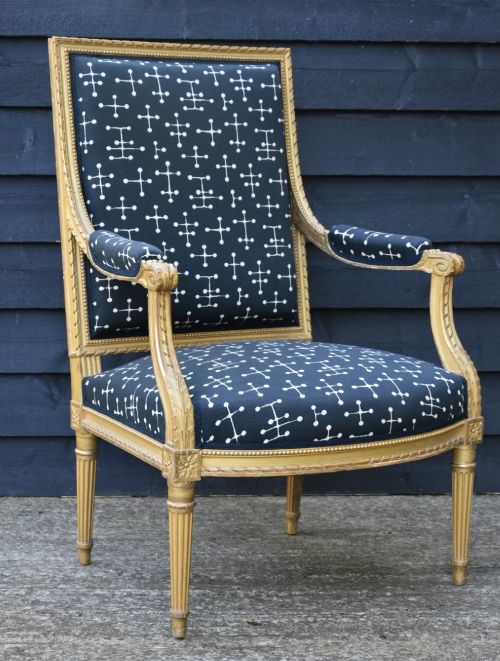
Among the gilded mirrors and frames sits an unexpected upholstered hall seat, proving that 19th-century craftsmen liked to apply fluted giltwood just about anywhere.
What varies in quality
The depth and crispness of the carved fluting define the piece, alongside the finesse of the underlying gesso work before the leaf is laid.
Original gilding surfaces show a softer patination and depth of colour compared to later retouching or complete regilding.
The Fluted Giltwood Frame Glossary
- Giltwood
- Timber that has been coated with gold leaf. This finish provides a warm, reflective metallic surface.
- Gesso
- A plaster mixture applied to wood frames to create a smooth surface for gilding. It holds fine detail well.
- Fluted
- Decorated with parallel vertical grooves. This classical architectural detail adds rhythmic texture to the frame.
- Pier mirror
- A tall glass designed to hang on the wall between windows. These mirrors often reflect additional light into darker spaces.
Fluted Giltwood Frame: Frequently Asked Questions
What is a fluted giltwood frame?
It is a wooden framing element decorated with vertical channels and finished with gold leaf. These pieces date principally from the nineteenth century.
They appear as picture surrounds, wall looking glasses, and substantial overmantel mirrors for principal rooms.
How do I date a giltwood mirror?
Dating relies on observing the construction of the wooden carcass, the formulation of the gesso, and the style of the carving. Regency and Georgian examples display specific neoclassical proportions.
Secondary woods at the back and the method of holding the mirror plate in place also provide clear chronological clues.
Where should I hang an overmantel mirror?
These large mirrors are traditionally placed on the wall directly above a fireplace mantelpiece. Their scale helps anchor the hearth within the room.
Secure wall fixings are essential due to the combined weight of the timber, gesso, and glass plate.
How do I care for antique giltwood?
Gilt surfaces require gentle dusting with a soft, dry brush to prevent the loss of fragile leaf. Moisture and harsh cleaning agents will damage the underlying gesso.
Keeping the frame away from direct heat sources prevents the wood from warping and cracking the finish.