


Fluted Garden Planter Urn
These fluted garden planter urn vessels bring classical proportion and enduring presence to an outdoor space.
Fluted Garden Planter Urn
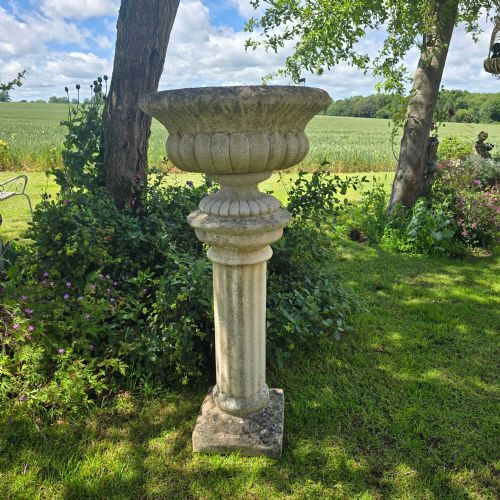
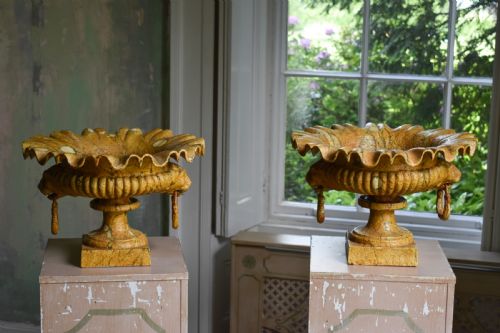
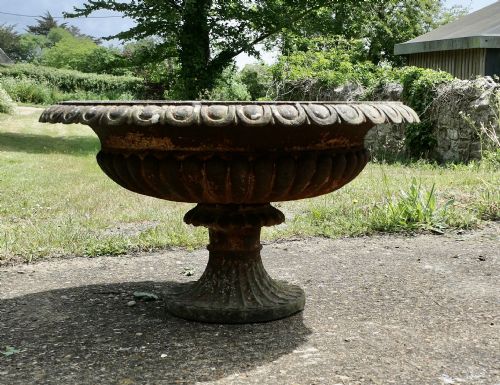
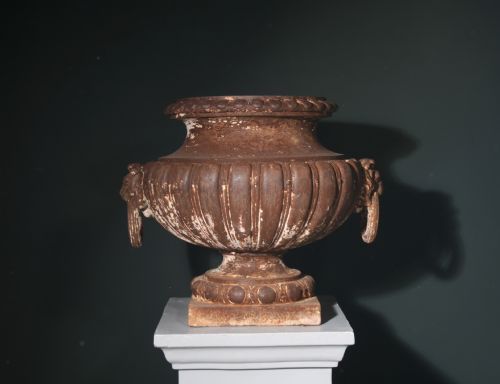
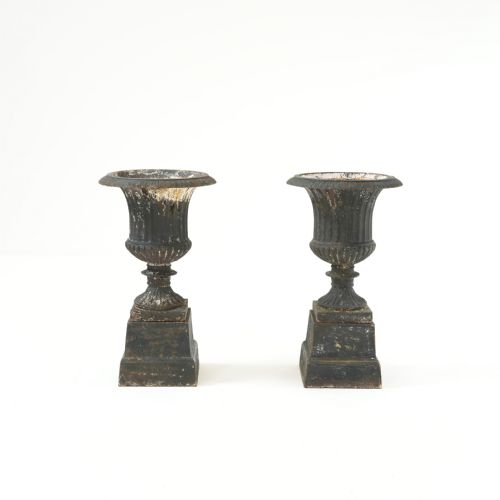
A fluted garden planter urn brings classical form to the grounds, taking the shape of traditional vessels designed to display foliage. When searching for this phrase, a buyer encounters pieces intended to sit upon plinths, pedestals, or directly upon stone paving in gardens and courtyards.
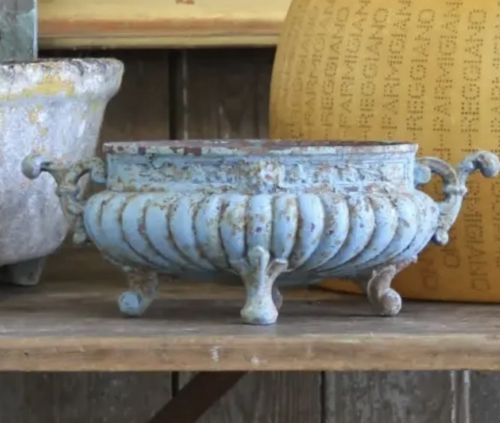
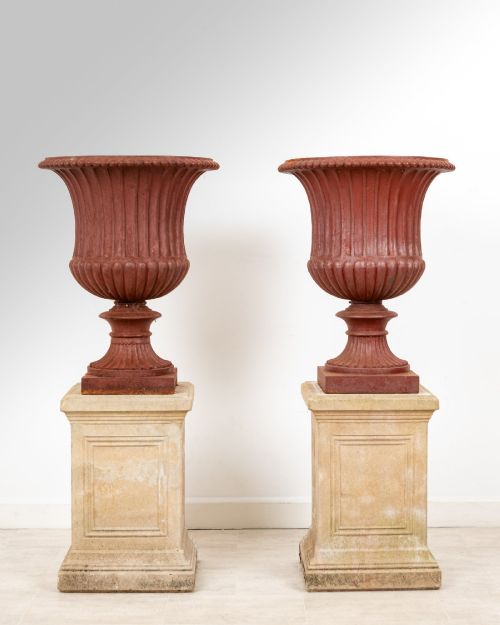
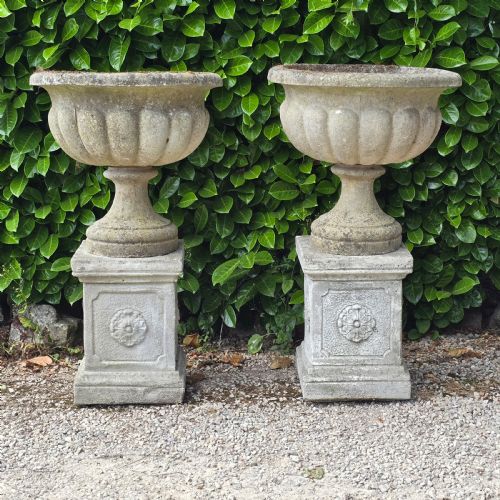
The versions most commonly met on this page span the 19th century and Victorian eras, alongside early 20th-century interpretations. These objects primarily manifest as campana shapes or wide tazzas, often paired as sets to flank an entrance or pathway.
How They Were Made
Makers utilised durable metals and mineral compounds suited to the elements, predominantly casting iron into moulds to achieve crisp fluting and classical ornament. Other examples employ carved white marble, heavy lead, or reconstituted stone.
Many iron pieces received layers of protective paint over the decades, while stone and terracotta versions rely on the natural grain and weathering of the material itself.
The listings span the 19th century through to the mid-20th century, utilising cast iron, stone, marble, and lead.
What Varies in Quality
The distinction between tiers rests upon the crispness of the casting and the architectural clarity of the classical details. Superior examples display sharply defined flutes and well-modelled rims without distortion from worn moulds.
Proportion and weight also divide the range, with heavier metals and solid stone or marble offering a more substantial presence than lighter utilitarian vessels.
Val D'Osne Foundry·Andrew Handyside
The Fluted Garden Planter Urn Glossary
- Campana urn
- A bell-shaped vessel with a flared rim and a tapering lower body, frequently mounted on a short stem and foot. This profile forms the basis for many traditional garden ornaments.
- Tazza
- A shallow bowl or cup resting upon a pedestal or foot, used historically for display and adapted as a garden planter. These items often feature decorative handles or gadrooned rims.
- Plinth
- A heavy base or block supporting an urn, elevating the vessel above ground level to emphasise its form. Plinths are frequently cast in matching iron or carved from stone.
- Jardiniere
- An ornamental pot or stand designed specifically to hold growing plants or flowers. In garden contexts, the term often overlaps with the broader category of urns.
- Reconstituted stone
- A durable composite material made from crushed stone or aggregate mixed with a binder, moulded into classical urn shapes. This technique allows for consistent detail while providing weather resistance.
Fluted Garden Planter Urn: Frequently Asked Questions
Where should I position a garden urn?
These vessels suit prominent positions such as flanking a terrace doorway, terminating a garden pathway, or anchoring the centre of a formal lawn. Placing them on matching plinths adds height and visual weight.
Ensure the ground beneath is level and capable of supporting substantial weight, particularly with cast iron or stone examples.
How do I care for cast iron urns?
Cast iron requires periodic inspection for surface rust, especially where moisture collects around the planting area. Maintaining a protective coat of paint preserves the metal against the elements.
During freezing winter weather, ensure adequate drainage holes remain clear so expanding water does not crack the material.
Are these urns heavy to move?
Most pieces cast in iron, lead, or carved from stone possess considerable weight and require multiple people or equipment to reposition safely. This mass helps stabilise them against strong winds when placed outdoors.
Lighter alternatives include reconstituted stone or terracotta, though care is still needed during transit.
Can these urns stay outside all year?
Materials such as cast iron, lead, and reconstituted stone withstand outdoor conditions across the seasons. Weathering often enhances the surface character of these garden pieces over time.
Checking that drainage channels are unblocked prevents water accumulation during heavy rain and frost.