




Fluted Column Overmantel Mirror
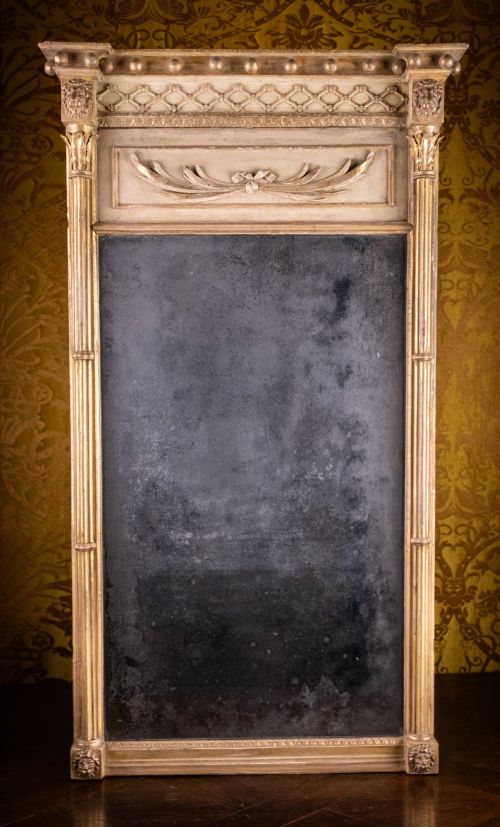
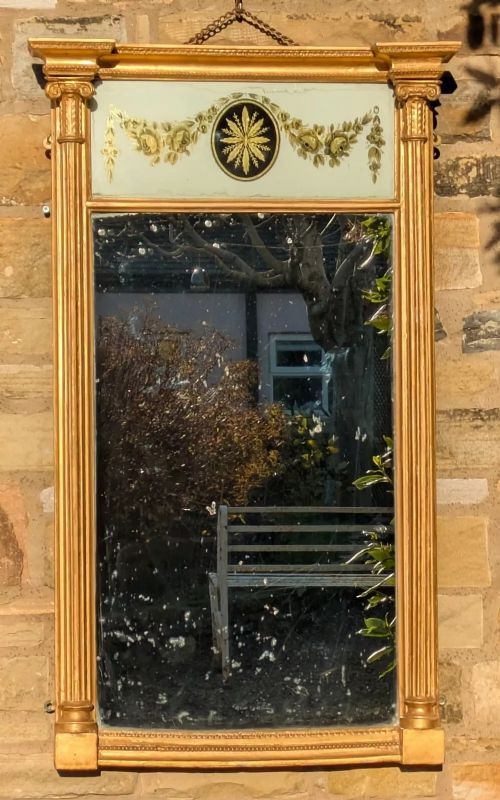
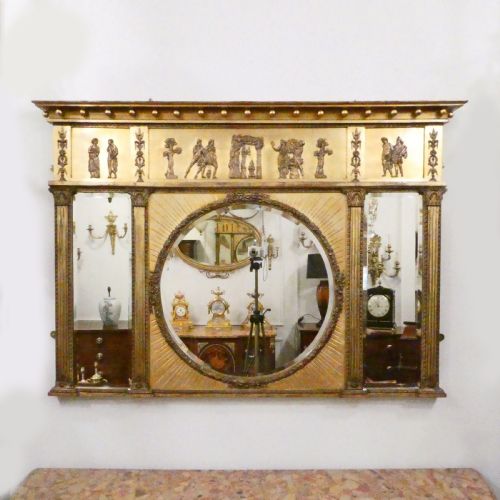
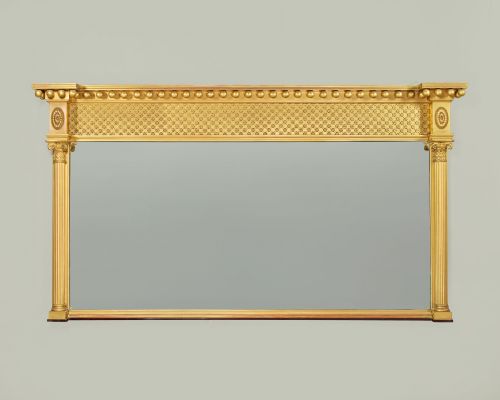
These fluted column overmantel mirror examples deliver classic Neoclassical verticality and architectural presence to a chimney breast.
Fluted Column Overmantel Mirror
A fluted column overmantel mirror sits above a fireplace to reflect light and anchor the room, drawing the eye upward with architectural symmetry. The pieces seen here span the Georgian, Regency, Victorian, and Edwardian eras, encompassing both original period items and later revivals.
Most examples adopt horizontal landscape formats designed for chimney placement, while others function as tall pier mirrors positioned between windows. The styles range from strict Neoclassical and Grand Regency designs to French Neoclassical variants and painted or parcel-gilt executions.
The defining characteristic remains the column frame, frequently fluted or ribbed, which gives the glass a formal architectural border. Buyers encounter solid oak frames alongside traditional giltwood and painted timber constructions.
How they were made
Cabinetmakers constructed the foundational frames from timber such as oak or softwoods before applying gesso layers to prepare surfaces for gilding. Carved wood details, including lion masks, added sculptural depth to the structural borders.
Gilding involved the application of gold leaf over bole to create the luminous reflective surfaces seen on Regency and Victorian pieces. Alternatively, surfaces received paint finishes, sometimes combined with parcel-gilt highlights or ebonised details.
Specialist glass production yielded mirror plates that occasionally incorporated decorative elements such as verre églomisé panels at the upper section. Frames utilised triptych glass divisions in neat-sized configurations to distribute reflection across three distinct panes.
Listings for fluted column overmantel mirror examples span the Georgian, Regency, Victorian, and Edwardian eras, featuring giltwood, painted wood, and gesso materials.
What varies in quality
The crispness of the carved wood and gesso ornamentation determines the visual authority of the frame, separating sharp architectural definition from softened, worn detailing. Superior examples maintain deep, clean fluting along the columns and crisp execution on decorative elements like lion masks.
The integration of the mirror plate within the frame reflects the care taken in original assembly, particularly where verre églomisé panels or triptych divisions align precisely. The choice of finish, from genuine gold leaf to layered paint and parcel-gilt work, dictates the richness of the surface texture.
The Fluted Column Overmantel Mirror Glossary
- Giltwood
- Timber coated with gold leaf or gold paint to produce a rich metallic finish. This surface treatment defines many formal overmantel mirrors from the Regency and Victorian periods.
- Gesso
- A plaster-like mixture applied to wood frames to provide a smooth base for gilding or painting. Artisans carved intricate decorative motifs directly into this layer.
- Verre églomisé
- A process of cold painting and gilding on the reverse side of glass to create decorative panels. These panels frequently appear above the main mirror plate in classical pier glasses.
- Triptych mirror
- A glass plate divided into three distinct vertical sections within a single frame. This format spreads reflection across a wider architectural span above a mantel.
Fluted Column Overmantel Mirror: Frequently Asked Questions
Where should an overmantel mirror hang?
These mirrors traditionally hang directly above a fireplace mantelpiece to anchor the hearth and bounce natural light around the room. Their horizontal proportions suit the expanse of a chimney breast.
Alternatively, tall pier mirror variants fit securely on wall spaces between windows or tall pieces of furniture. Position them at a height that reflects eye-level details rather than the ceiling.
How do I date a column mirror?
Dating relies on examining the framing materials, the construction methods of the timber backing, and the characteristics of the glass plate. Regency and Georgian pieces often display distinct Neoclassical proportions and hand-carved gesso details.
Later Victorian, Edwardian, and revival pieces incorporate similar column motifs but reveal differences in timber preparation and secondary woods. Comparing the style of ornamentation against known period design helps narrow the decade of manufacture.
What is a pier mirror?
A pier mirror is a tall, narrow glass designed specifically to hang on the wall space between two windows. These pieces maximise light reflection in darker corners of period drawing rooms.
Many share the fluted column framing and vertical emphasis found on overmantel mirrors but prioritize height over horizontal width.
Are painted finishes original?
Many period pieces utilise painted wood or painted and parcel-gilt surfaces as an intentional alternative to full gilding. Neoclassical and Regency designs frequently incorporated painted elements alongside gilded highlights to match interior colour schemes.
Evaluating the wear patterns and underlying gesso layers helps distinguish original surface treatments from later decorative updates.