




Regency Style Landscape Mirror
A regency style landscape mirror brings architectural poise and reflected light to a room, offering the classic horizontal proportions collectors prize.
Regency Style Landscape Mirror
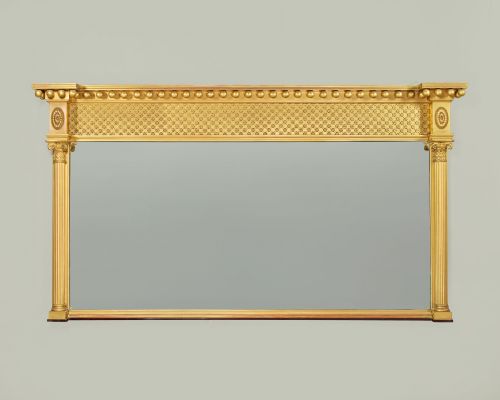
A regency style landscape mirror is a wide horizontal glass designed to sit above a mantelpiece or anchor a principal wall. The selection includes nineteenth-century pieces alongside later Victorian, Edwardian, and revival interpretations.
Most examples take the form of overmantel mirrors or pier mirrors, utilising broad horizontal formats rather than vertical proportions. Makers worked within Regency, Grand Regency, Regency Revival, French Empire, Neoclassical, and Victorian stylistic frameworks.
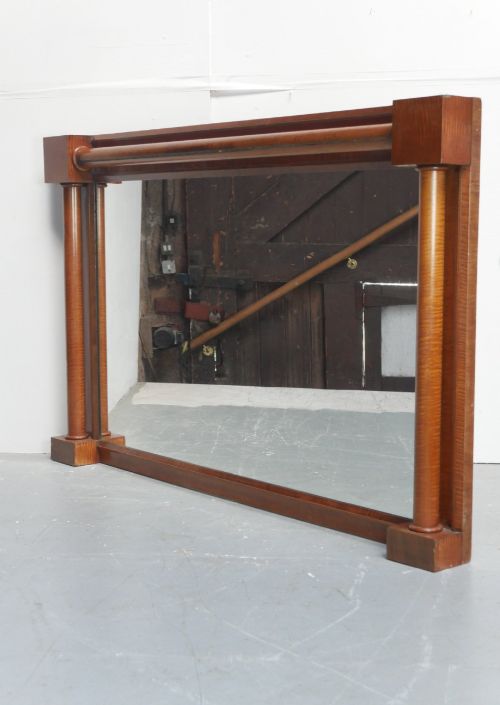
Buyers encounter formats ranging from large gilt overmantels to smaller wall-hung landscape mirrors framed in satin birch, birds eye maple, or ebonised wood. These items serve both decorative and functional roles in period and eclectic interiors.
How they were made
Craftsmen built the core frames from wood such as satin birch, birds eye maple, or ebonised timber, providing a sturdy architectural foundation. Applied ornament often relied on composition and gesso moulded onto the wooden structure.
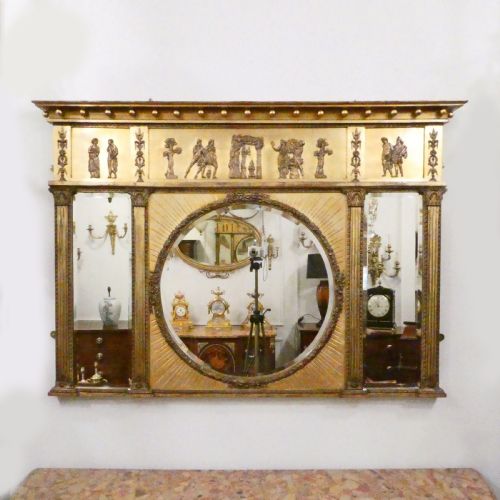
Gilding was achieved using gold leaf applied over bole, alongside standard paint finishes including hand-painted panels. Mirror glass was set into single or multiple plates, sometimes arranged as triple plate configurations within the broader frame.
Several mirrors include painted panels, proving that an antique landscape frame sometimes prefers to double as an actual painting.
What varies in quality
Quality rests in the crispness of the carved wood and moulded composition, where sharper detail in Neoclassical motifs distinguishes finer workshops from more routine production. The choice of underlying timber, such as figured birds eye maple or satin birch, also signals ambition.
The integrity of the gilding and the preservation of original mirror glass plates dictate the visual weight and historical authenticity of the piece. Superior examples maintain balanced proportions across wide horizontal spans without optical distortion in the glass.
The Regency Style Landscape Mirror Glossary
- Overmantel mirror
- A large horizontal looking glass specifically scaled to hang on the wall directly above a fireplace mantelpiece. These pieces often feature extensive giltwood moulding to dominate the chimney breast.
- Gesso
- A plaster-like mixture applied to wooden frame foundations as a smooth base for subsequent gilding or painting. Artisans carved intricate decorative details directly into this hardened material.
- Composition
- A moulded putty material made from whiting, resin, glue, and linseed oil, pressed into decorative reliefs for frames. It offered a cost-effective alternative to hand carving.
- Trumeau mirror
- A decorative wall mirror incorporating a painted panel or oil painting within the upper section of the wooden frame. Originating in French interiors, these pieces combine art and reflection.
- Pier mirror
- A tall or wide looking glass designed to hang on the wall space between windows, known as the pier. In landscape formats, they reflect natural light across the room.
Regency Style Landscape Mirror: Frequently Asked Questions
Where should a landscape mirror hang?
These horizontal looking glasses sit most naturally above a fireplace mantelpiece, where their wide proportions balance the hearth below. They also function effectively along long expanses of wall in reception rooms to bounce light across the space.
Ensure the wall fixings match the substantial weight of wooden and gilt frames. Positioning the glass opposite a window maximises the reflection of daylight.
How do I identify a revival piece?
Revival items borrow the crisp Neoclassical motifs and horizontal symmetry of the early nineteenth century but often employ later Victorian or Edwardian construction methods. Examination of the backboards, fixings, and frame composition reveals the true manufacturing period.
Makers working in later decades frequently combined Regency outlines with woods like ebonised timber or applied finishes distinct from the original Regency era.
What does triple plate mean?
A triple plate mirror contains three distinct panes of glass set side by side within a single large frame. This technique accommodated the manufacturing limits of early glass production while creating an expansive horizontal view.
The division lines between the plates add architectural rhythm to the reflection and distinguish these larger overmantels from single-sheet mirrors.
How do I care for antique giltwood?
Giltwood surfaces require gentle dusting with a dry, soft brush to prevent accumulation in the intricate recesses of the moulding. Moisture and harsh chemical cleaners damage the fragile gold leaf and underlying gesso.
Keep these mirrors away from direct heat sources and strong sunlight to protect the wooden frames from warping and the gilding from fading.