


Fluted Back Chair
When you search for a fluted back chair, you look for seating defined by vertical channels carved into the timber or gathered in the textile.
Fluted Back Chair
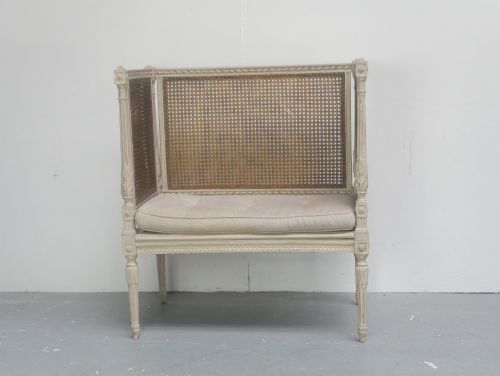
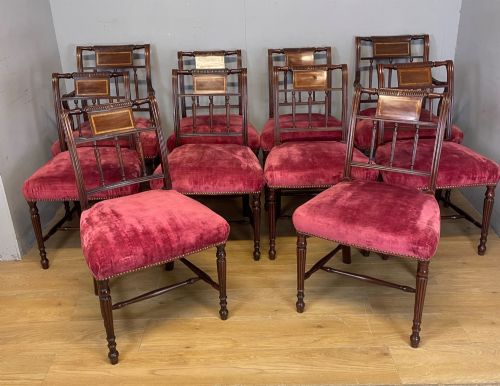
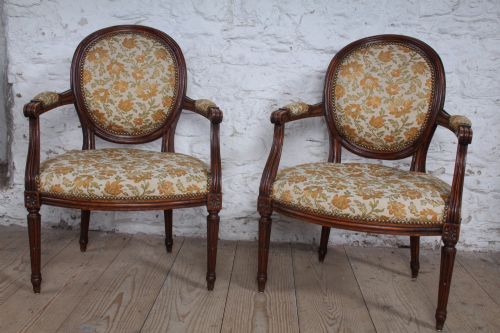
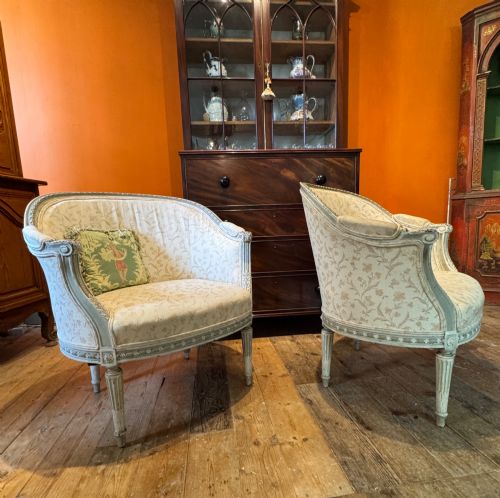
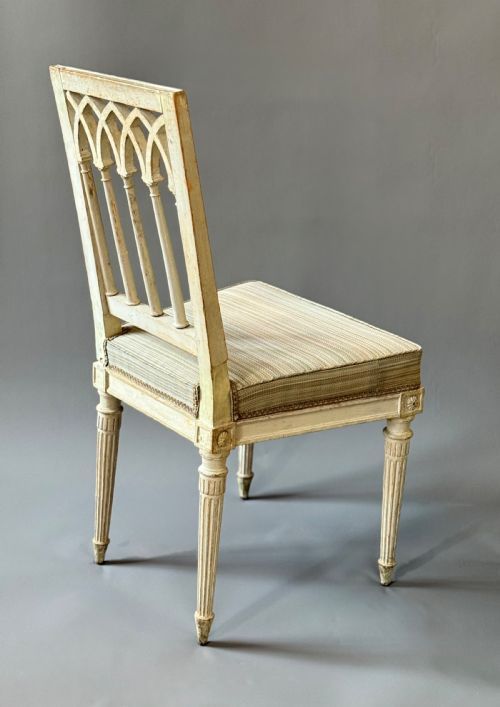
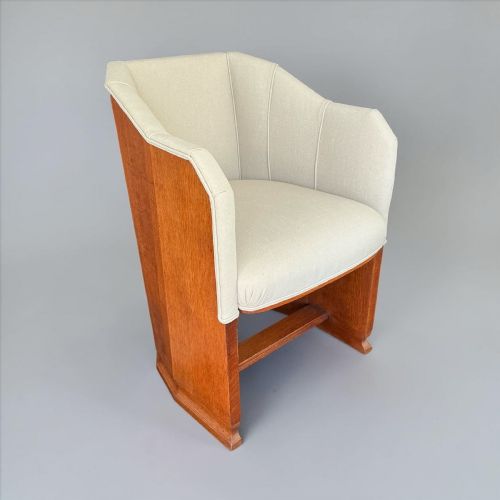
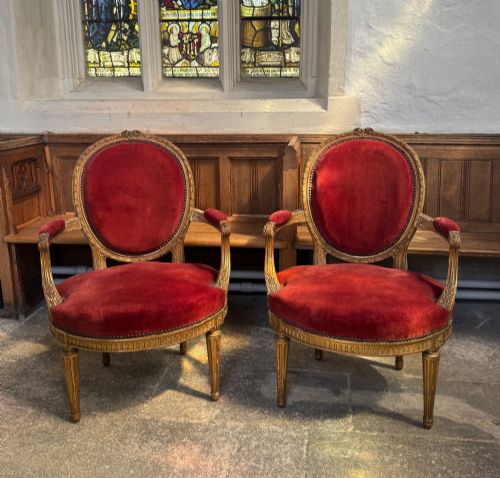
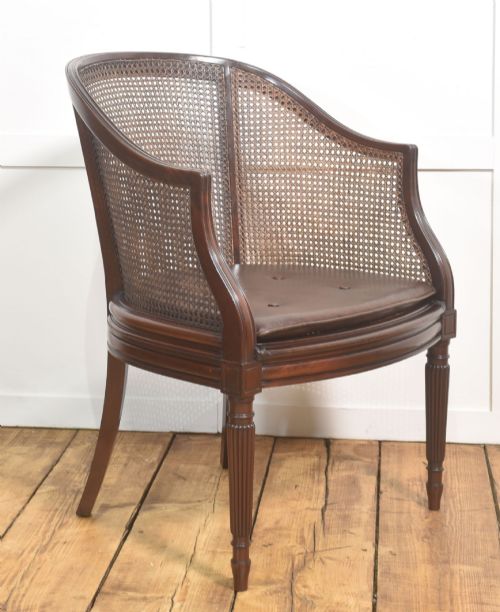
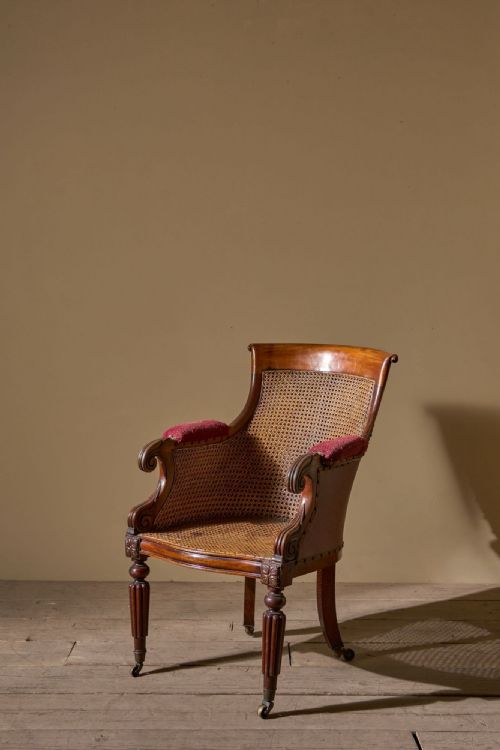
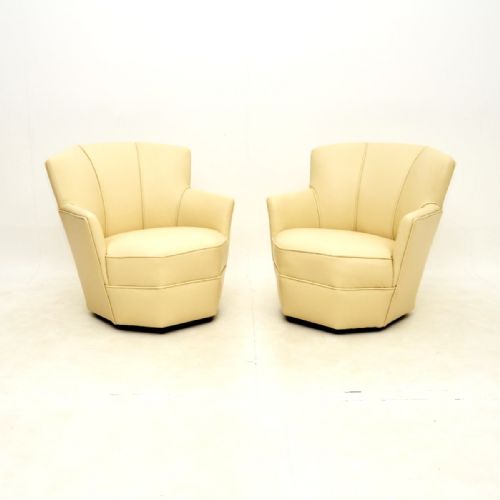
A fluted back chair takes several forms across this selection, appearing most frequently as barrel chairs, tub armchairs, and upholstered salon seating. The pieces span periods from the Georgian era through the Victorian years and into Art Deco designs.
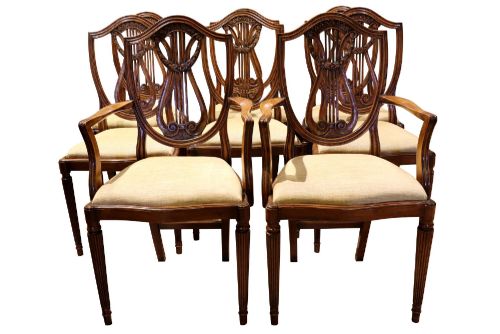
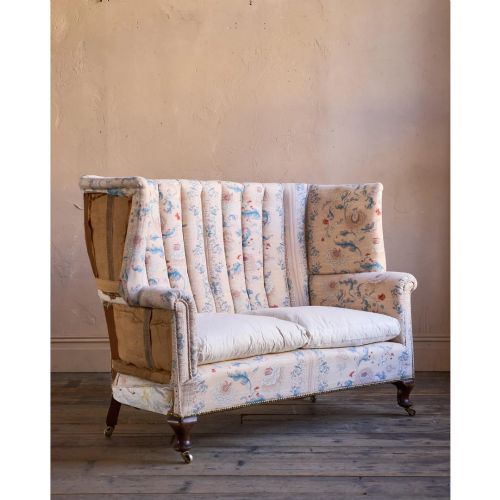
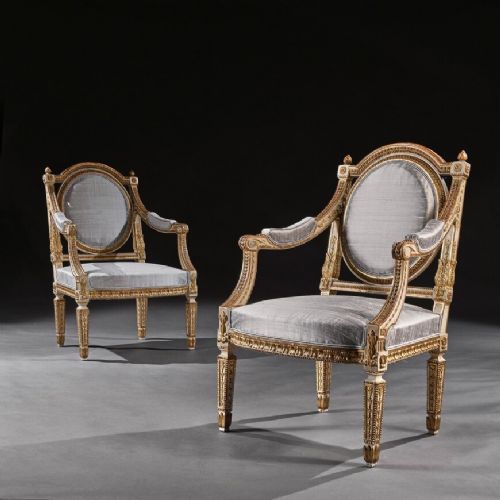
Dining chairs, side chairs, and larger settees also emerge with these characteristic vertical channels. Many examples draw on French Louis XVI and neoclassical styles, utilising painted wood or giltwood frames alongside mahogany and walnut.
Country house library chairs and specific wingback seating round out the selection. Buyers meet both single accent chairs and larger matched sets suited to formal dining rooms.
How they were made
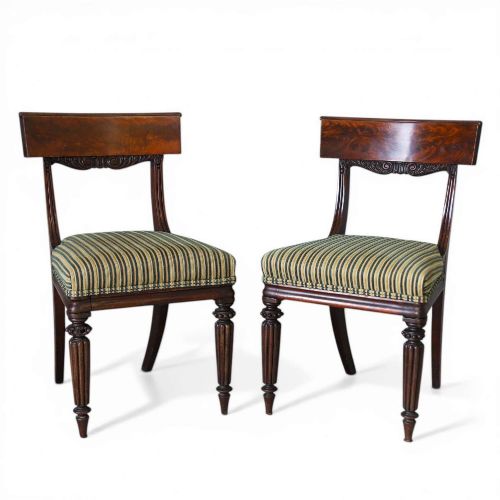
Cabinetmakers and joiners shaped these pieces from solid hardwoods like mahogany and walnut, alongside frames of painted wood and giltwood. Carving chisels formed the linear fluting directly into the timber backrests or chair legs.
Upholstery techniques combined traditional stuffing with textiles such as silk damask, leather, fabric, and cane seating inserts. Brass hardware and parcel gilt accents frequently finished the decorative details on French and English pieces.
The selection includes dining chairs, armchairs, wingback sofas, and full salon suites spanning multiple centuries.
What varies in quality
The precision and depth of the carved fluting dictate the standard of the woodwork, separating sharp hand-carved channels from softer machine-milled lines. Cabinetmaking pedigree shows in the structural joinery of the frame and the retention of original surfaces.
Upholstery work varies from later reupholstery to surviving period textiles like original silk damask or leather. The cohesion of matched sets and the integrity of gilded or painted finishes further separate the standard of individual examples.
Hary and Lou Epstein
The Fluted Back Chair Glossary
- Fluting
- A series of shallow, parallel vertical grooves carved into a column, leg, or chair back. This classical decorative detail adds linear elegance to furniture from the Georgian period onward.
- Bergère
- An enclosed upholstered armchair with wooden sides and an exposed frame. These French forms often feature cane panels or fully padded armrests.
- Giltwood
- Timber coated with a thin layer of gold leaf. This finish appears frequently on elaborate neoclassical and Louis XVI style salon furniture.
- Caning
- Woven rattan material used for chair seats and back inserts. This lightweight technique provides flexible support and ventilated comfort.
- Parcel gilt
- A decorative treatment where only specific carved elements or details of a wooden frame receive gilding. The remaining surfaces display exposed painted wood or polished mahogany.
Fluted Back Chair: Frequently Asked Questions
What periods do these chairs come from?
The pieces span from the 18th century and Georgian era through Victorian times and into Edwardian and Art Deco designs. Makers across these periods adapted the vertical fluting to suit changing domestic fashions.
Later revivals, particularly Louis XVI style pieces from the late 19th and early 20th centuries, also form a significant part of the selection.
How do I identify a fluted back chair?
You look for parallel vertical grooves carved into the wooden frame of the backrest or integrated into the upholstery design. These channels create a distinct pleated or fluted texture.
The vertical lines often match similar fluting found on the turned or tapered legs of the seat.
Where were these chairs used in the home?
Barrel back and tub armchairs served as comfortable seating in libraries, studies, and bedrooms. Dining chairs and side chairs furnished formal dining rooms and reception spaces.
Larger settees and salon suites provided seating for entertaining guests in drawing rooms.
What materials are typical for the frames?
Mahogany and walnut provide the primary timber frames for English dining and library chairs. Painted wood and giltwood appear frequently on French neoclassical and Louis XVI style pieces.
Cane inserts, brass details, and leather upholstery complement these wood and gilt structures.