
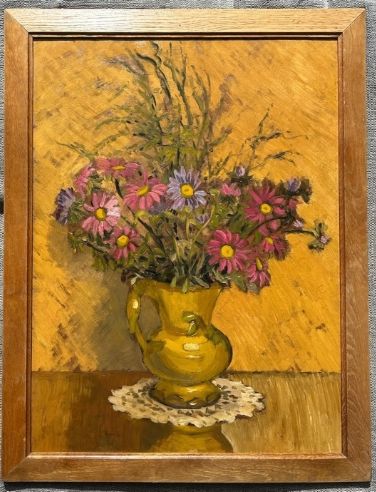
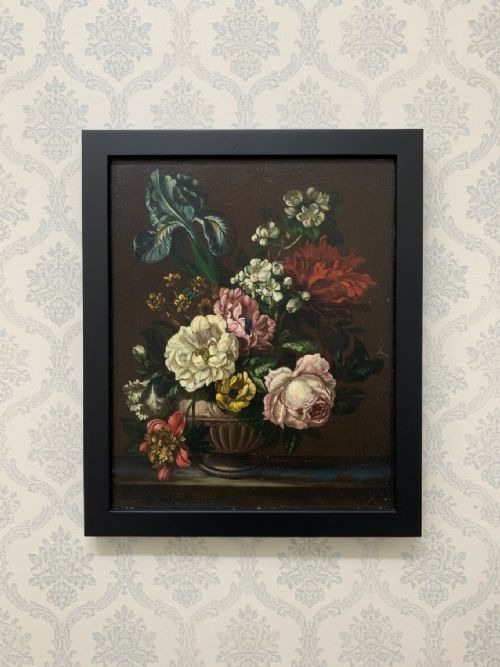
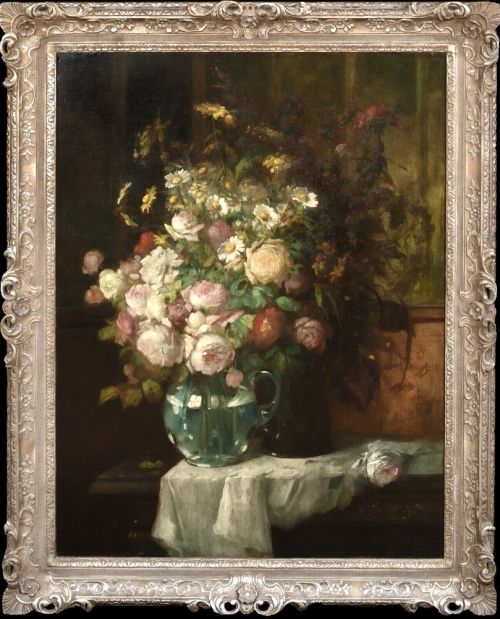
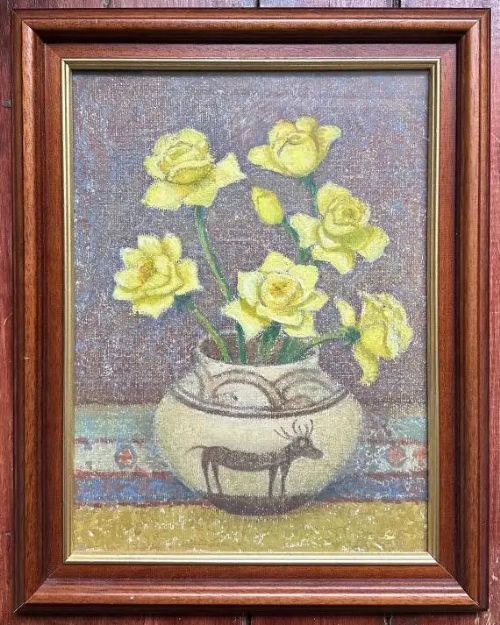
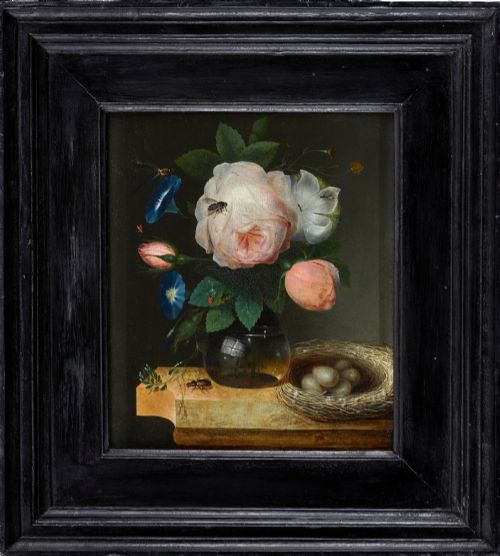
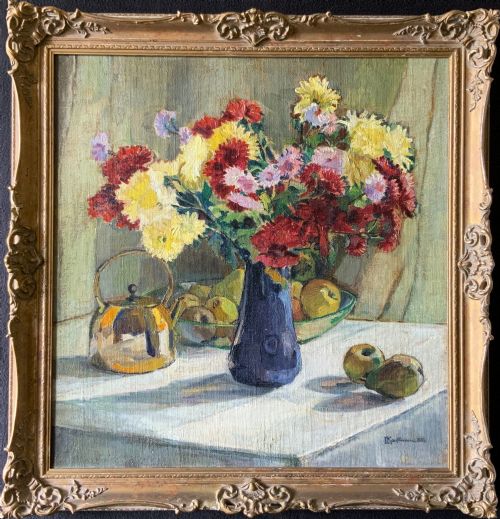
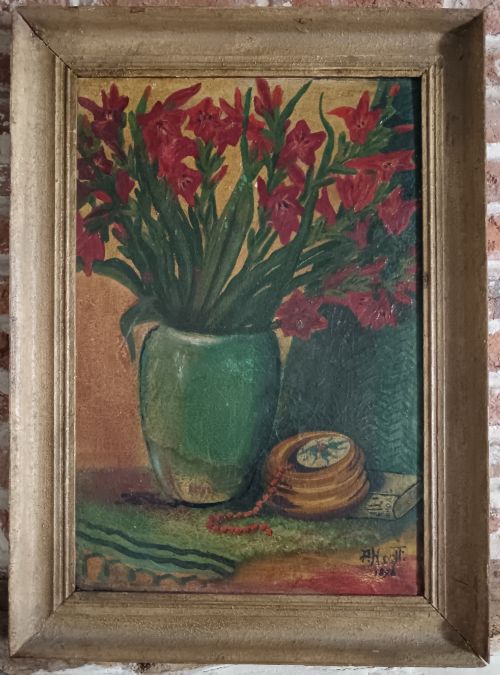


Flower Vase Oil Painting
A flower vase oil painting captures the enduring appeal of botanical arrangements rendered on canvas or board across centuries.
Flower Vase Oil Painting
A flower vase oil painting brings domestic botanical displays into interior spaces through centuries of artistic tradition. When searching this phrase, buyers encounter works ranging from traditional still life compositions to impressionist and mid-century interpretations.
The selections span from late eighteenth-century panels to mid-century canvases, reflecting shifting approaches to light, colour, and arrangement. Traditional Dutch-inspired pieces sit alongside British and European impressionist studies of seasonal blooms.
Vessels depicted vary widely, encompassing simple ceramic pots, glass holders, and ornate pedestal vases filled with roses, anemones, and field flowers. These works provide a lasting record of interior decoration and botanical enthusiasm through successive eras.
Materials and technique
Artists built these compositions primarily using oil paint applied to stretched canvas, wooden panels, or prepared boards. The medium allowed for rich blending of pigment, capturing the translucent quality of petals and the texture of ceramic or glass vessels.
Support materials evolved over the periods represented, with earlier works frequently appearing on oak or mahogany panels before canvas and composition boards gained widespread favour in the nineteenth and twentieth centuries.
Represented artistic movements include British Impressionism, Post-Impressionism, Mid-Century Modern, and Traditional Still Life.
Assessing quality
Distinction in these works rests upon the artist's handling of light, shadow, and spatial depth within the composition. Masterful brushwork brings vitality to foliage and petals, separating spirited studies from rigid academic exercises.
The structural integrity of the support and the preservation of the pigment layer significantly influence the standing of an individual painting. Balanced composition and harmonious colour palettes further distinguish the finest examples in the genre.
Konstantin Stoitzner·Emma Fordyce MacRae·Gaspar Peeter Verbruggen·Owen Bowen·Florence Hess·Terence Loudon·Robin MacKertich·Freda Marston·Stuart Armfield·Henry Schouten·Emily Selinger·William Thomas Wood·Harold Edward Conway·Harold Arthur Burke·Henry D'Arcy Hart·Herbert Davis Richter·Bertoldo Taubert·Giuseppe Pesci·Charles-Gilles Dutillieu·William Greaves·John Burns Robertson·Rudolphus Schmutz·Alfred Lyndon Grace·E Nunn·J Brandt
The Flower Vase Oil Painting Glossary
- Still life
- A painting featuring inanimate subject matter, typically commonplace objects such as flowers, fruit, or vessels. This genre allows artists to focus heavily on arrangement, light, and colour harmony.
- Canvas
- A heavy woven fabric used as a surface for oil painting, usually stretched tightly over a wooden frame. It provides a flexible yet durable support favoured by artists since the Renaissance.
- Impressionism
- A nineteenth-century art movement characterised by relatively small, thin yet visible brush strokes and an emphasis on accurate depiction of light. Practitioners sought to capture immediate visual impressions of the scene.
- Panel
- A flat piece of wood used as a rigid painting support instead of canvas. Oak and mahogany were frequently utilised by artists, particularly in earlier centuries.
- Gilt
- Covered thinly with gold leaf or gold paint, commonly found on decorative frames housing these paintings. Ornate gilt frames enhance the visual weight and period context of the artwork.
Flower Vase Oil Painting: Frequently Asked Questions
What periods do these paintings cover?
The available works span from the eighteenth century through the Victorian era and into the mid-twentieth century.
Mid-century and impressionist pieces from the 1920s to 1960s appear frequently alongside earlier European examples.
What surfaces were used by artists?
Artists painted on various supports depending on the period and school, including stretched canvas, wooden panels, and composition boards.
Panel supports tend to appear more frequently in older works, while canvas and board dominate twentieth-century pieces.
How should I display a floral painting?
These works suit traditional and contemporary interiors alike, often serving as a focal point in living rooms, hallways, or dining spaces.
Consider the original frame style when selecting a hanging location to ensure the piece complements its surroundings.
How do impressionist and traditional styles differ?
Traditional still life works focus on meticulous detail, rich textures, and dramatic lighting derived from Dutch and Flemish master traditions.
Impressionist and post-impressionist interpretations prioritise visible brushwork, atmospheric effects, and overall colour harmony over strict botanical precision.