


Floral Upholstered Bedroom Seat
These floral upholstered bedroom seat options span Victorian mahogany nursing chairs and Edwardian dressing stools, offering intimate comfort for private chambers.
Floral Upholstered Bedroom Seat
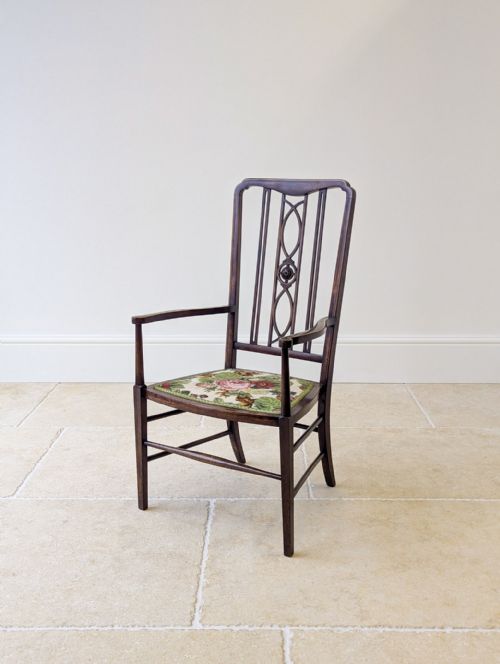
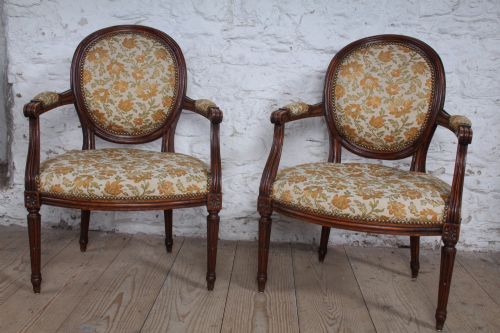
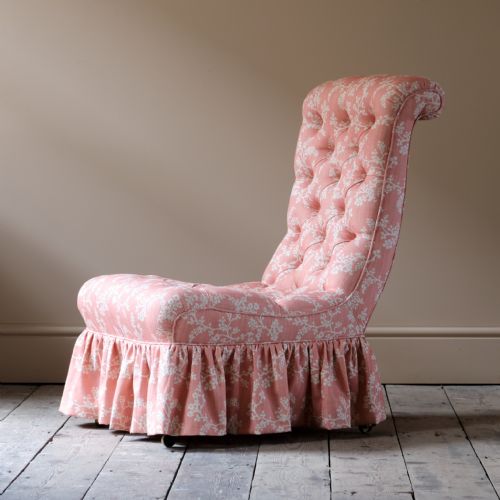
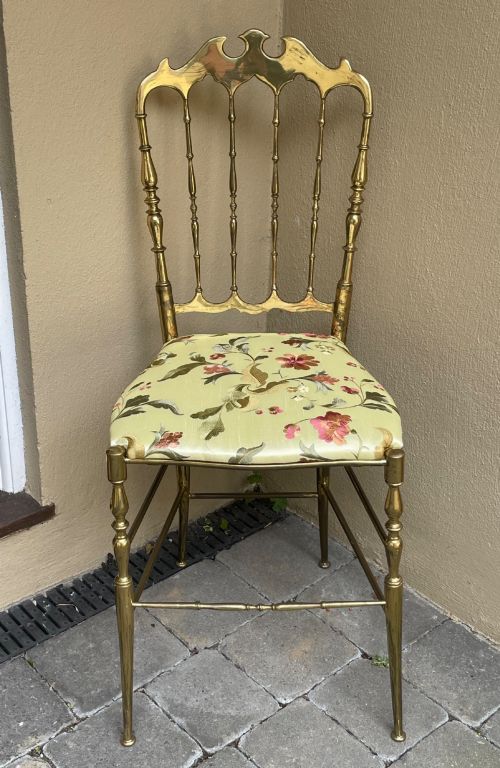
A floral upholstered bedroom seat encompasses a varied group of intimate furniture built for dressing rooms, boudoirs, and private chambers. Buyers seeking a floral upholstered bedroom seat will encounter low-slung nursing chairs, compact slipper chairs, and dressing table stools designed for daily domestic utility. The form bridges decorative arts and practical seating, scaled down from larger parlour furniture to fit private domestic spaces.
Victorian and Edwardian examples dominate the selection, often rendered in mahogany, walnut, or polished brass with patterned textile covers. Pieces range from mid-nineteenth-century spoon-back armchairs to early-twentieth-century dressing stools with newly applied needlework or tapestry tops. This assortment reflects generations of changing interior fashions where comfort met decorative textile work.
Stools and low chairs serve specific functions, such as nursing infants or sitting while dressing, which dictates their compact proportions and low centres of gravity. Makers utilised diverse stylistic influences from Louis XVI revival to Art Deco, adapting traditional seating forms to suit contemporary bedroom requirements. Each piece demonstrates how historical periods reinterpreted domestic comfort through upholstery and carved timber frames.
Materials and Construction Methods
Frames rely principally upon dense hardwoods such as mahogany and walnut, selected for their structural stability and capacity for intricate carving. Cabinetmakers shaped solid timber into curved cabriole legs, turned supports, and spoon-backed frames, frequently accentuating the wood grain with polished finishes. Secondary materials like brass and sycamore appear in specific decorative or modernist contexts, such as Art Deco dressing stools.
Upholstery forms the primary visual element, utilising woven textiles, tapestry, needlepoint, and velvet fixed over supportive internal padding. Historic pieces often retain original hand-stitched needlework or display modern replacement covers that respect traditional floral motifs. Wooden frames are joined using traditional methods, while specialist details like button-backing and twisted rope legs demonstrate advanced craftsmanship.
Some dressing stools hide internal storage beneath their floral tops, proving that Victorians loved a secret compartment just as much as a carved cabriole leg.
Measures of Quality and Craft
The distinction between standard domestic seating and exceptional work lies in the depth of timber carving and the sophistication of the frame silhouette. Master workshops invested considerable labour in shaping fluent spoon backs, reeded legs, and crisp mouldings rather than relying on plain turned components. Heavier gauge timbers and robust joinery ensure the structural integrity of the frame survives centuries of daily use.
Upholstery execution dictates the tactile appeal, separating basic recovering jobs from skilled needlepoint panels and hand-stitched tapestry covers. Pieces stamped by notable makers or originating from documented workshops command higher regard due to traceable provenance and superior internal construction. The harmony between the textile design and the timber frame distinguishes thoughtful design from mass production.
Gillows·Hindley and Sons
The Floral Upholstered Bedroom Seat Glossary
- Nursing chair
- A low-seated chair historically designed to assist women with infant care or dressing. These low proportions allowed the sitter to manage long garments comfortably.
- Slipper chair
- An upholstered bedroom chair characterised by its very low seat and absence of arms. This configuration facilitated the putting on of shoes and stockings.
- Prie Dieu
- A devotional chair featuring a high, narrow back topped with a padded shelf for kneeling or resting elbows. The form gained popularity during the Victorian religious revivals.
- Needlepoint
- A type of canvas work embroidery executed with wool or silk threads to produce dense floral patterns. It frequently decorates the seats and backs of period chamber chairs.
- Spoon back
- An upholstered chair back shaped in a concave oval resembling the bowl of a spoon. This ergonomic contour provided supportive seating tailored to the human spine.
Floral Upholstered Bedroom Seat: Frequently Asked Questions
What is a nursing chair?
A nursing chair is a low-seated Victorian chair designed for comfort in private chambers and nurseries. Their compact height allowed sitters to manage garments or hold infants with ease.
Over time, these versatile pieces migrated to dressing rooms and bedrooms as decorative accent seating. Their distinctive low profile remains their defining characteristic today.
How do I date a bedroom stool?
Dating relies on examining the timber species, turning styles, and structural joinery methods. Victorian examples often feature heavy walnut or mahogany frames with elaborate carvings.
Later Edwardian and Art Deco pieces display simpler geometries or lighter woods like sycamore. Original upholstery remnants also offer vital clues regarding the period of manufacture.
Where were these chairs used?
These seats belonged in private domestic spaces such as dressing rooms, boudoirs, and bedrooms. They served functional roles for grooming, dressing, or quiet relaxation.
Unlike formal parlour furniture, bedroom pieces prioritized intimate comfort and personal utility. Their smaller scale ensured they fitted easily into alcoves and beside dressing tables.
Are tapestry covers original?
Many surviving pieces feature either historic hand-stitched needlework or modern replacement textile covers. Original floral tapestries show natural fading and wear consistent with age.
Listings frequently note whether a piece retains its original textile or has received a fresh covering. Both options offer distinct aesthetic benefits depending on restoration preferences.