






Floral Silk Wall Tapestry
These floral silk wall tapestry pieces bring texture and historical narrative into domestic spaces through hand-stitched botanical motifs.
Floral Silk Wall Tapestry
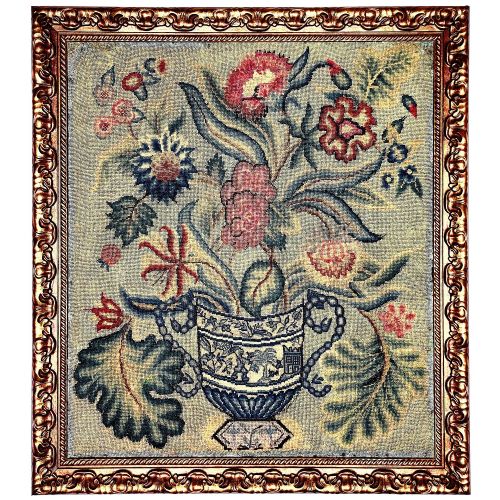
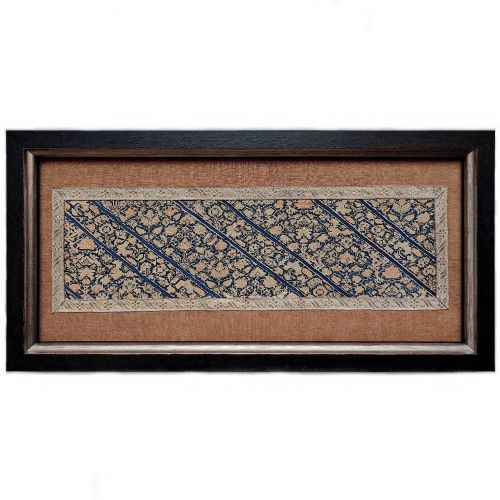
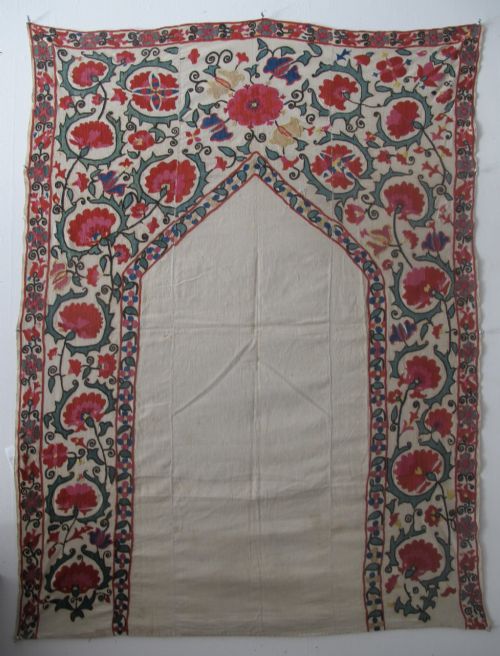
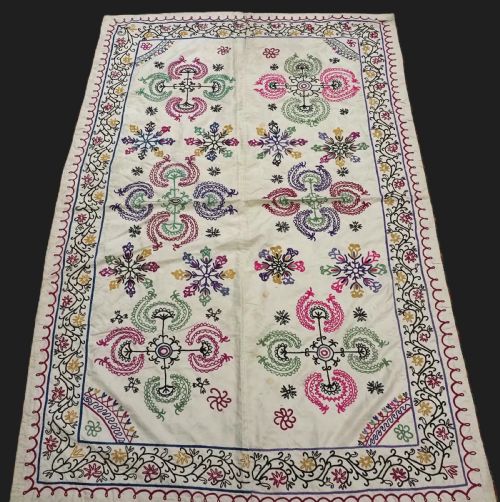
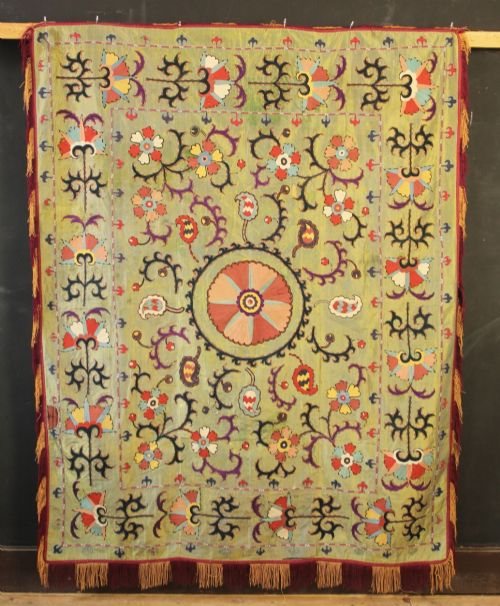
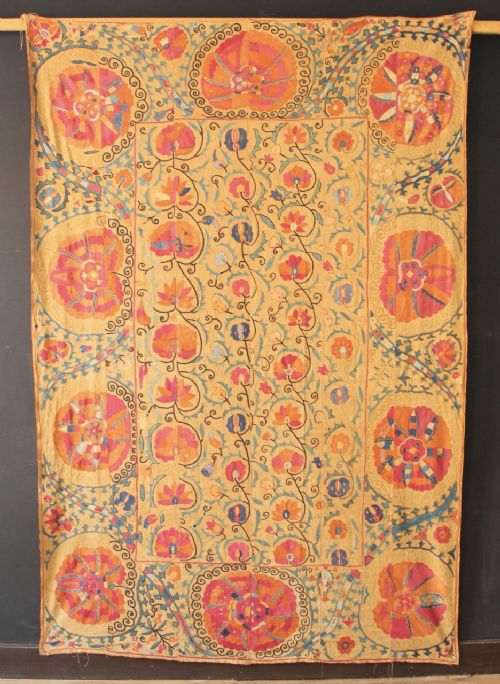
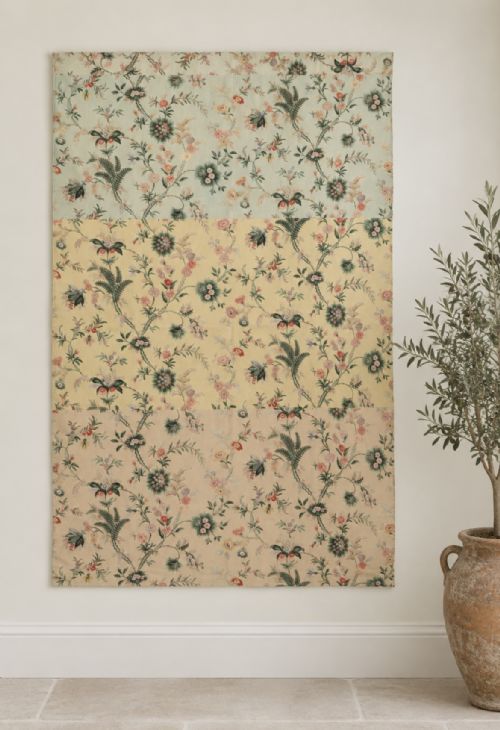
A floral silk wall tapestry encompasses hand-embroidered textiles, needlework pictures, and woven panels originating from traditions spanning the eighteenth century through to the early twentieth century. Buyers seeking a floral silk wall tapestry will encounter diverse regional expressions, with Central Asian suzanis featuring prominently alongside French, English, and Chinese needlework panels.
The selections on this page range from compact nineteenth-century nim suzanis to large seventeenth and eighteenth-century verdure wall hangings. These textiles function primarily as decorative vertical art, traditionally displayed across domestic interiors to introduce rich colour and intricate botanical pattern.
Originating from workshops and domestic settings in regions such as Uzbekistan, France, and China, these wall hangings showcase distinct local interpretations of floral and foliate design. Each piece reflects the material culture of its period, utilising local textile traditions to render intricate garden motifs on backgrounds of cotton, wool, silk, or linen.
Materials and construction methods
Makers constructed these wall art pieces by employing fine silk thread for intricate surface embroidery upon foundation grounds of cotton, linen, wool, or velvet. Certain examples incorporate supplementary materials such as felt applique work and glass elements to add textural depth to the botanical compositions.
Needlework and embroidery techniques vary by region, utilising specialised stitches executed by hand across foundational fabrics that were occasionally dyed in bold shades of red, yellow, or green. The structural integrity of each hanging relies on the density of the thread work and the durability of the supporting ground fabric.
Floral Silk Wall Tapestry Retail Price Guide 2026
Typical asking prices for floral silk wall tapestry among the pieces listed under this phrase on Sellingantiques today, from the lower quarter to the upper quarter. They describe what is for sale here now, not the wider market.
Regional styles represented include Central Asian tribal work, French needlework, and traditional Uzbek embroidery formats.
Quality factors in antique textile art
The distinction between tiers of quality rests upon the fineness of the needlework execution and the complexity of the botanical design. Superior examples display exceptionally tight, precise stitching and sophisticated composition within the floral motifs.
Condition and integrity of the original ground fabrics also dictate the standing of a textile, alongside the vibrancy and survival of the natural silk threads. Pieces retaining their original scale, balanced colour palettes, and uncompromised structural grounds represent the upper echelon of these historic wall hangings.
The Floral Silk Wall Tapestry Glossary
- Suzani
- A traditional embroidered tribal textile originating from Central Asia, typically featuring large-scale floral and medallion patterns worked in silk thread. These decorative hangings were often created as part of a bride's dowry.
- Nim Suzani
- A smaller scale variant of the traditional Central Asian suzani, generally measuring around half the dimension of a full-sized hanging. This format allows for easier domestic display while retaining the intricate botanical embroidery.
- Verdure tapestry
- A woven or needleworked wall hanging depicting lush garden foliage, trees, and botanical landscapes. Originating largely in European weaving centres, these pieces bring dense natural scenery into interior spaces.
- Applique
- A decorative technique where pieces of fabric, such as felt or silk, are stitched onto a larger foundational ground to build up a layered design. This method provides strong textural contrast in regional embroideries.
- Sampler
- A piece of needlework produced to demonstrate a maker's proficiency in various stitches and patterns. These often include alphabets, dates, and small floral motifs arranged across a linen or cotton ground.
Floral Silk Wall Tapestry: Frequently Asked Questions
What is a suzani wall hanging?
A suzani is a traditional embroidered textile from Central Asia featuring bold floral and medallion designs stitched in silk thread onto cotton or linen grounds. These pieces were historically created in regions such as Bokhara and Samarkand.
They served functional and decorative roles within domestic interiors, often functioning as wall art or coverlets. Their vibrant botanical motifs reflect rich regional artistry from the nineteenth and early twentieth centuries.
How do I hang a textile safely?
Hanging an antique textile requires weight distribution across the entire top edge to prevent stretching or tearing of the historic fibres. Professional framing behind UV-filtered glass or mounting on a padded, fabric-covered batten is standard practice.
Direct sunlight and heavy tension must be avoided to protect the delicate silk threads and original ground fabrics from degradation over time. Proper mounting ensures the wall hanging remains stable and secure.
How are different periods identified?
Dating these textiles involves analyzing the stylistic evolution of the botanical motifs, the chemical composition of the dyes, and the type of ground fabric used. Eighteenth-century pieces often display distinct European verdure or needlework characteristics.
Nineteenth and early twentieth-century examples, particularly from Central Asia or China, exhibit regional specificities in their stitch density and colour palettes. Comparing structural traits with documented examples helps establish the correct era.
Where were these wall tapestries made?
These decorative wall pieces originate from diverse global textile centres, ranging from Central Asian workshops in Uzbekistan to European and Chinese domestic or professional studios. Each geographical area developed unique embroidery and weaving traditions.
Local materials, such as regional cotton grounds or specific silk thread weights, provide clear indicators of geographical origin. This variety allows collectors to appreciate distinct cultural expressions within botanical textile art.