
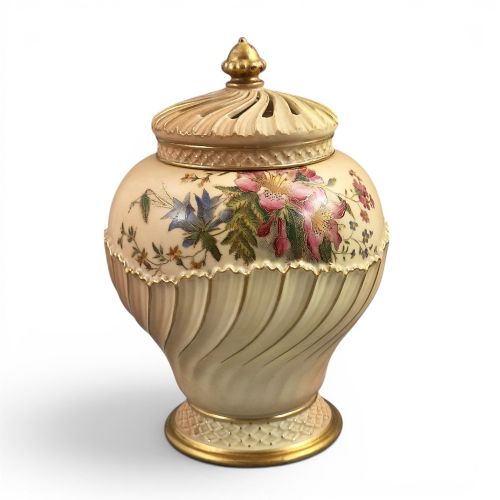
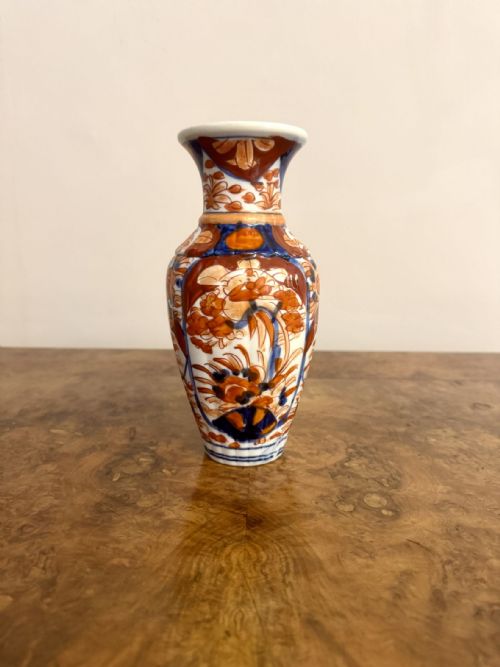
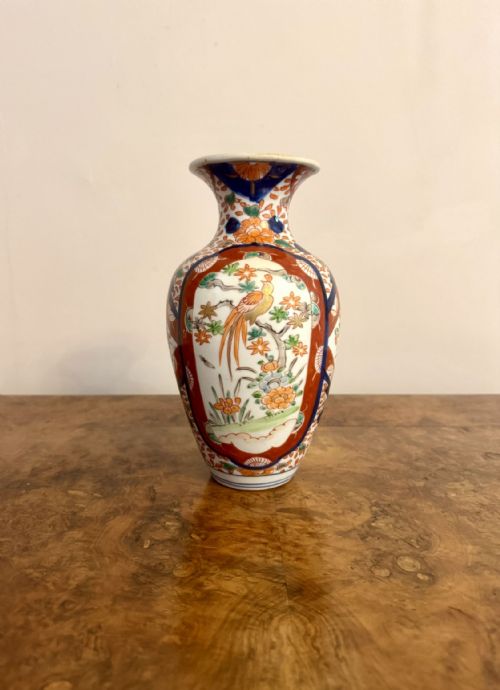
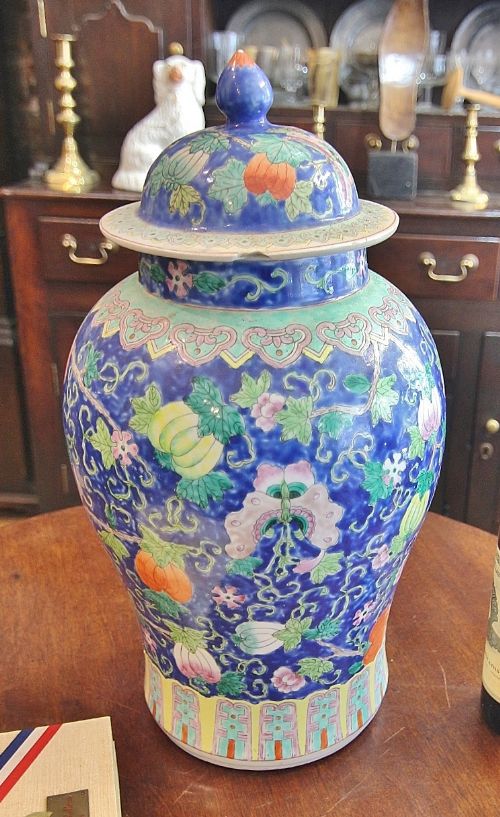


Floral Painted Porcelain Jar
A floral painted porcelain jar brings together centuries of hand-painted botanical motifs and vitreous ceramic bodies.
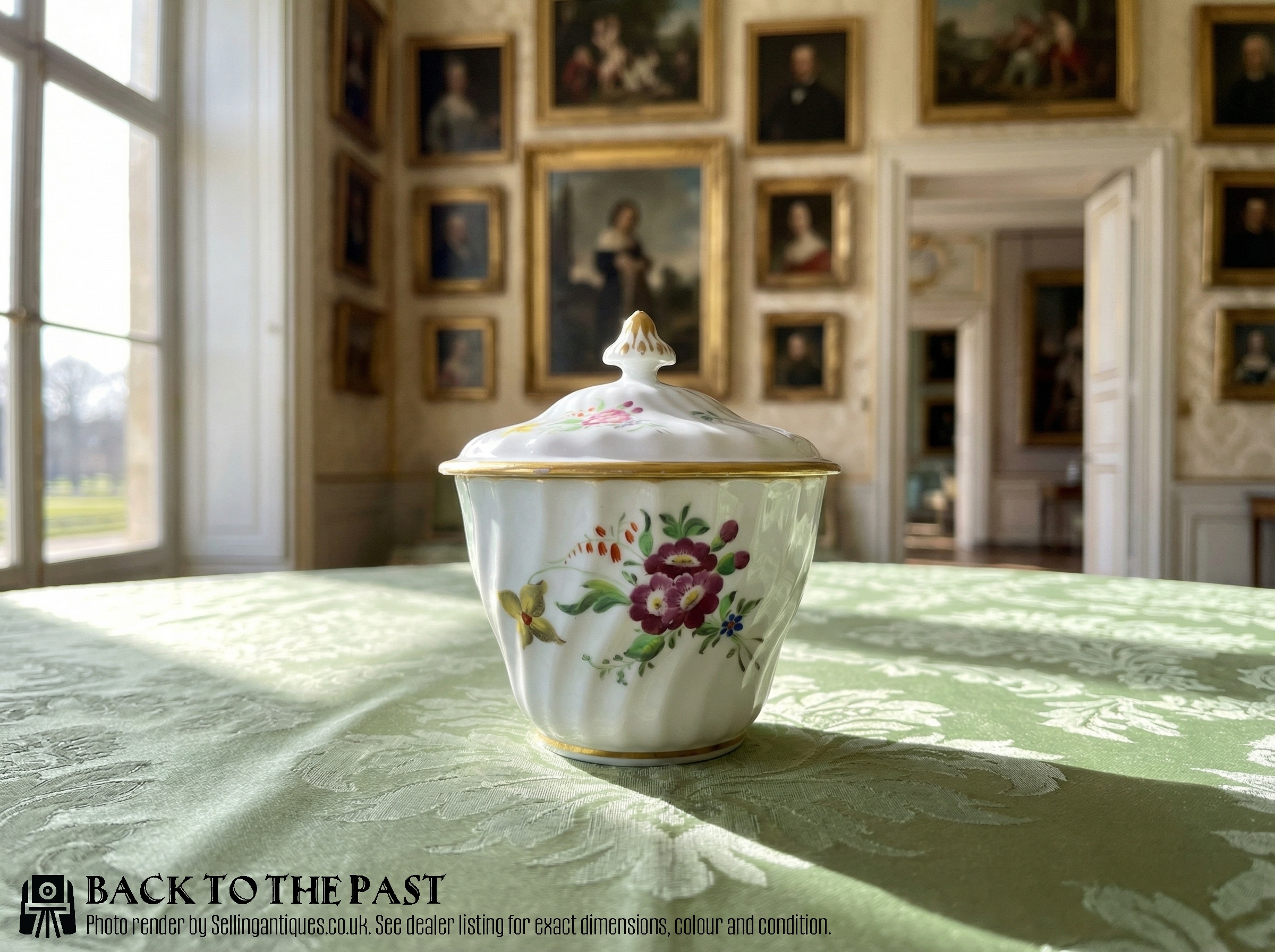
Floral Painted Porcelain Jar
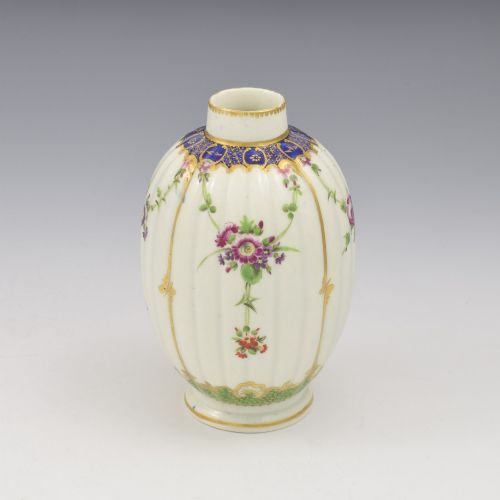
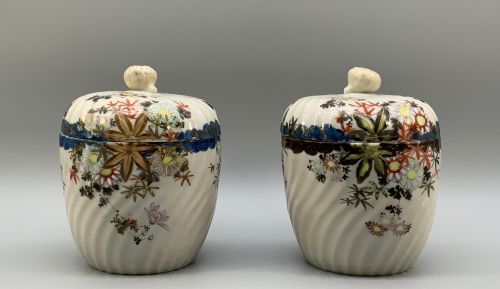
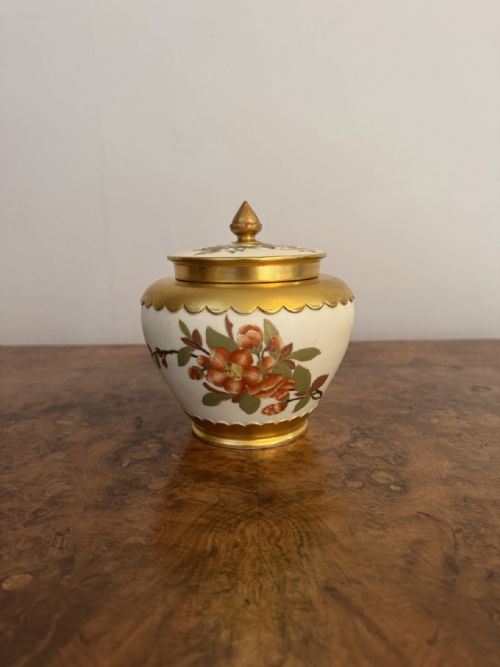
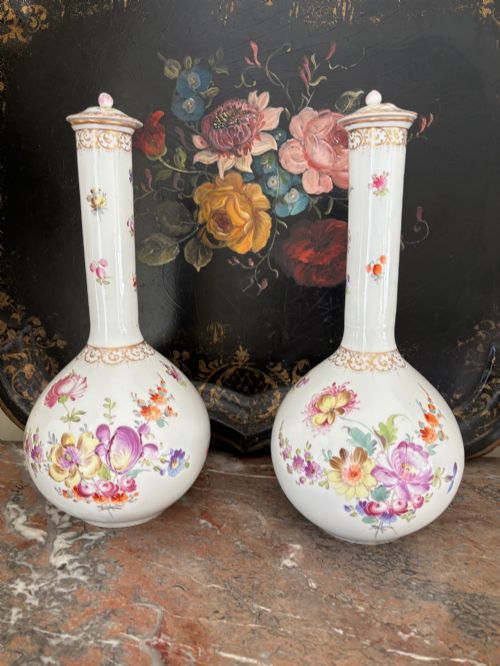
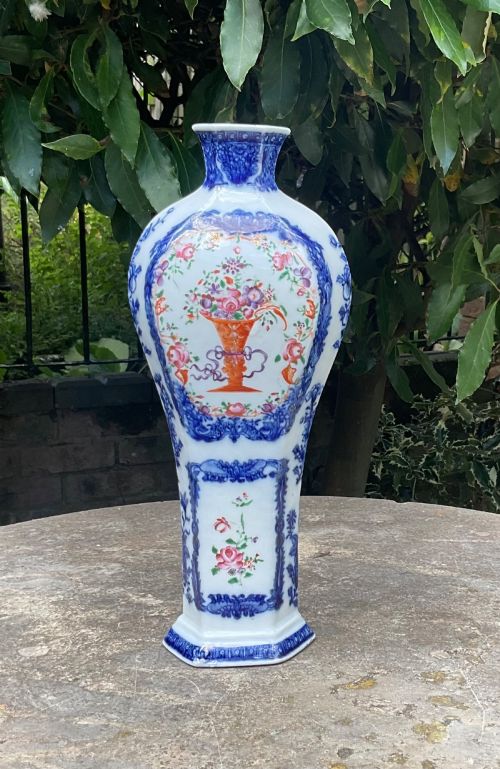
A floral painted porcelain jar encompasses lidded vessels, ginger jars, tea caddies and potpourri pots produced across the eighteenth, nineteenth and early twentieth centuries. These pieces emerge from diverse traditions including English factories, French manufactories, German potteries and Japanese kilns.
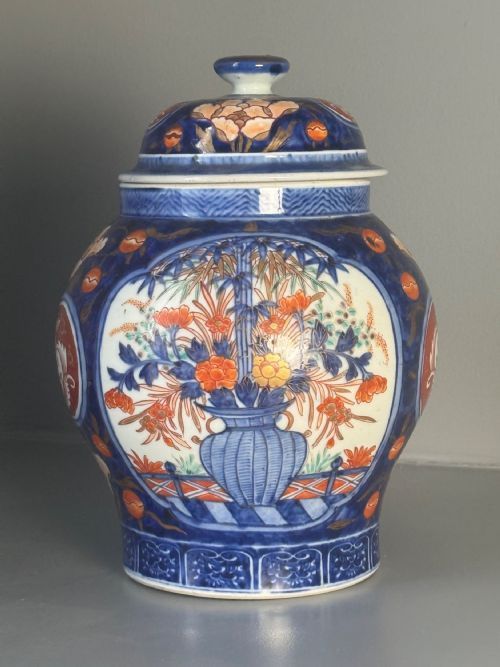
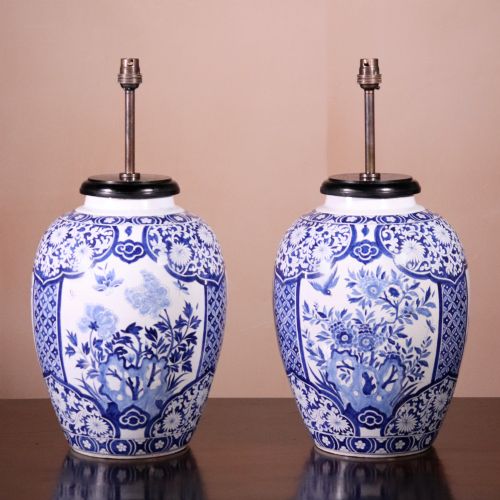
Buyers frequently encounter Japanese Imari examples from the Meiji period alongside Victorian English works and continental European porcelain. Forms range from bulbous covered jars and double gourds to fluted tea canisters and table lamps adapted from earlier bodies.
How they were made
Potters shaped ceramic clay and porcelain bodies on the wheel or in moulds before applying glaze and firing at high temperatures. Artisans then painted floral subjects by hand using enamel colours, frequently adding gold leaf or gilding to highlights.
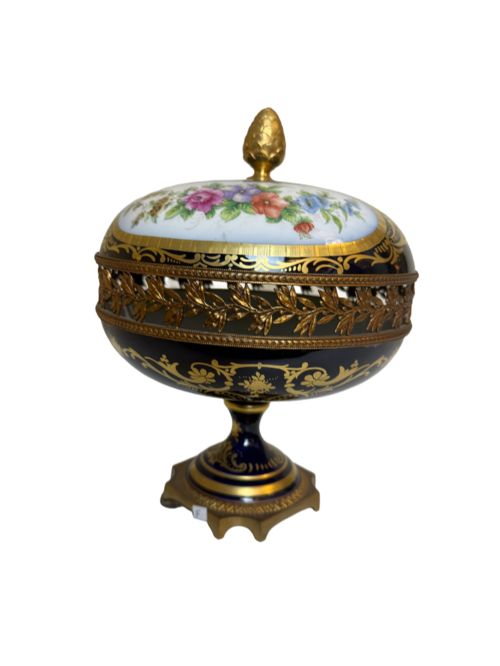
Certain English and continental pieces incorporate brass, silver plate or ormolu mounts to secure lids and bases. Specific Japanese works utilise Arita porcelain traditions with cobalt blue and iron-red enamel pigments.
Listings feature porcelain, enamel, gold leaf, gilding, glaze, gilt, ceramic and brass across the eighteenth, nineteenth and twentieth centuries.
What varies in quality
The precision and detail of the hand-painted floral decoration separate standard production items from exceptional studio works. Brushwork dexterity, enamel saturation and the careful application of gilding indicate the skill of the original decorator.
Body translucency, potting weight and the crispness of moulded relief work also distinguish finer examples. The integration of mounts, such as ormolu or silver plate, reflects the overall ambition of the finished piece.
Royal Worcester·Sitzendorf·Limoges·Dresden·Spode·Samuel Alcock·Herend·Royal Doulton·Royal Winton·Samson
The Floral Painted Porcelain Jar Glossary
- Porcelain
- A white, vitrified translucent ceramic material fired at high temperatures. It forms the impermeable vitreous body beneath the floral enamel painting.
- Imari
- A Japanese export style originating in Arita featuring cobalt blue, iron-red and gilt decoration. These pieces often display densely patterned floral motifs across porcelain jars.
- Ginger Jar
- A high-shouldered ceramic storage vessel with a wide mouth and a fitted cover. Originally designed for spices, they frequently feature hand-painted floral subjects.
- Potpourri
- A lidded vessel perforated to release the scent of dried flowers and spices placed within. These decorative jars combine ceramic bodies with pierced covers.
Floral Painted Porcelain Jar: Frequently Asked Questions
How are these lidded jars cleaned?
Dust porcelain surfaces gently with a soft, dry cloth to protect delicate enamel decoration and gilding. Avoid using liquid cleaners or chemical solvents on hand-painted floral motifs.
Keep pieces away from direct sunlight and damp environments to preserve the integrity of the glaze and any metallic mounts.
Can these jars still hold food?
Many older pieces feature porous bodies, aged glazes or repaired sections that make them unsuitable for culinary storage. Enamels applied over the glaze may also contain materials not certified for modern food contact.
Display them as decorative objects rather than utilitarian kitchenware to protect the antique surface.
What distinguishes Japanese Imari from European porcelain?
Japanese Imari porcelain relies on a distinct palette of cobalt blue underglaze combined with iron-red and gold enamel overglaze. The patterns typically feature dense arrangements of flowers and natural scenes.
European factories often imitated these Asian aesthetics while employing distinct paste formulas and porcelain marks characteristic of local traditions.
How do I identify the period of a floral jar?
Examine the base for factory marks, handwritten ciphers or impressed numbers that correspond to known operating dates. The style of the floral painting, the tone of the porcelain paste and the presence of mounts also offer clues.
Compare the potting technique and glaze characteristics against documented examples from specific centuries and reigns.