
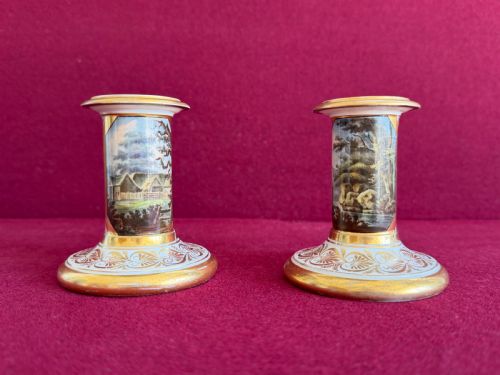


Flight Period Worcester Porcelain
Flight period Worcester porcelain brings the refined elegance of late eighteenth and early nineteenth century British ceramic art directly to your tea table.
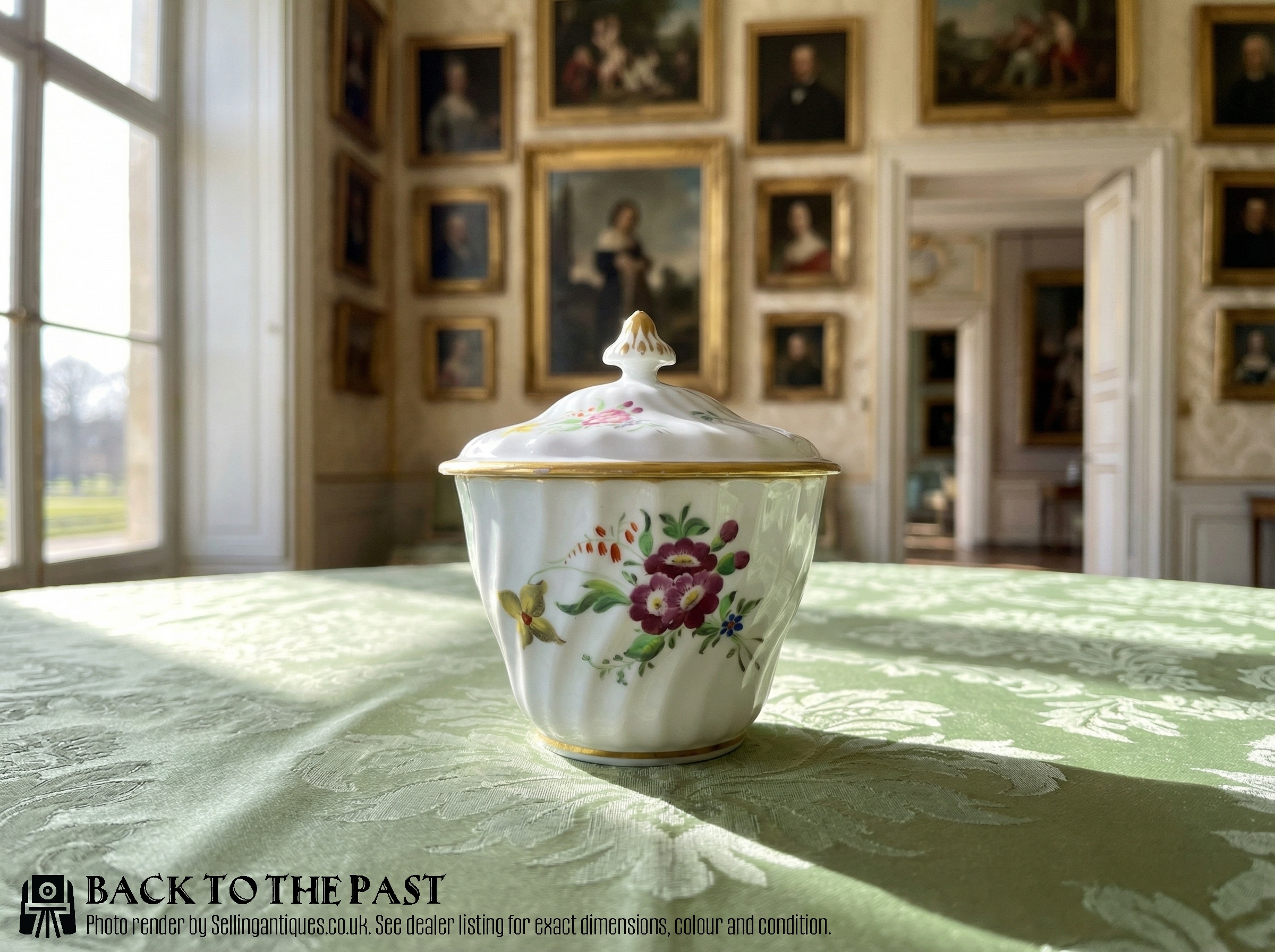
Flight Period Worcester Porcelain
When you search for flight period worcester porcelain, you encounter items created during the ownership of the Flight family and their subsequent partnerships. These wares span from the late eighteenth century into the Regency era, bridging Georgian classicism and nineteenth century design.
The objects on this page range from domestic teacups and saucers to decorative vases, jardinieres, and dessert dishes. Teacups, trios, and cream jugs appear frequently alongside larger cabinet pieces and topographical plates.
Originating from the renowned Worcester factory under the management of Joseph Flight and his partners, these ceramics reflect the evolving tastes of Georgian and Regency households. Collectors find both utilitarian tea wares and ornamental display pieces represented across the inventory.
How they were made
The makers utilised soft-paste porcelain as the primary body for these vessels, shaping them on wheels or casting them into moulds to achieve forms such as spiral fluted tea bowls and waisted cream jugs. Enamel colours were then applied by hand, often paired with gold leaf and elaborate gilding to accentuate the painted scenes and patterns.
Painters and decorators embellished the porcelain surfaces with motifs ranging from botanical sprays and topographical views to exotic subjects like the dragon in compartments pattern. Skilled hands applied meticulous gold leaf accents to rims, handles, and borders to finish each piece.
Materials recorded across the inventory include soft-paste porcelain, enamel, gold leaf, and gilt.
What varies in quality
The distinction between ordinary and exceptional pieces rests upon the finesse of the hand painting and the ambition of the form. Hand-painted topographical views and named artist decorations elevate an item far above standard factory output.
The application of gilding and enamel work reveals the hand of the artisan, where crisp lines and substantial gold leaf weight mark the finer examples. Elaborate forms such as vases, jardinieres, and rose water sprinklers demand greater sculptural skill than simple tea bowls.
Barr Flight and Barr·Flight Barr and Barr·Thomas Lowe·Samuel Astles
The Flight Period Worcester Porcelain Glossary
- Soft-paste porcelain
- A vitrified ceramic composition fired at lower temperatures than hard-paste porcelain, producing a warm, creamy body common in eighteenth-century English factories.
- Gilding
- The application of gold or gold leaf to ceramic surfaces for decorative effect. It defines the borders and handles of many Regency table wares.
- Trio
- A matched set comprising a teacup, a coffee cup, and a saucer. These tea service groupings formed an essential part of Georgian social dining.
- Egg drainer
- A specialised ceramic utensil pierced with small holes for draining liquids. These uncommon pieces served specific functions in period households.
- Spiral fluted
- A decorative moulding technique creating twisted vertical ridges on the body of tea bowls and cups. This texture catches the light and adds depth to the glaze.
Flight Period Worcester Porcelain: Frequently Asked Questions
How do I identify flight period pieces?
Look for the factory marks beneath the glaze, which evolved through various partnerships managed by the Flight family from the late eighteenth century onward. Stylistic clues such as Regency shapes and specific hand-painted patterns also help determine the era.
Comparing the paste quality and gilding style against documented examples provides further confirmation of authenticity for collectors.
What is a spiral fluted tea bowl?
A spiral fluted tea bowl is a small, handleless drinking vessel featuring twisted vertical ridges moulded directly into the porcelain body. These bowls formed part of eighteenth century tea sets before handled cups became standard.
They were designed for drinking tea infused from leaves brewed in a matching teapot.
Were these pieces used daily?
Many items, including teacups, saucers, cream jugs, and sucriers, were created for active service in Georgian and Regency drawing rooms. Wealthy households utilised them during formal tea and dessert courses.
Over time, surviving pieces transitioned from practical tableware to cabinet displays and collector items.
Who painted these porcelain designs?
Skilled ceramic artists working within the Worcester factory decorated these wares by hand, sometimes signing their work on topographical dessert plates and cabinet cups. Notable decorators included Thomas Lowe and Samuel Astles.
Their hand-painted scenes captured landscapes, botanical specimens, and exotic motifs fashionable during the Regency period.