

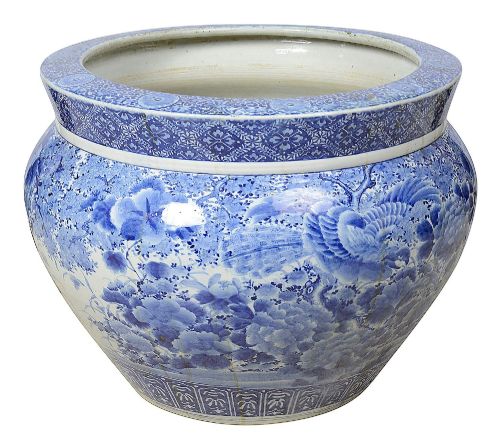


Floral Painted Ceramic Planter
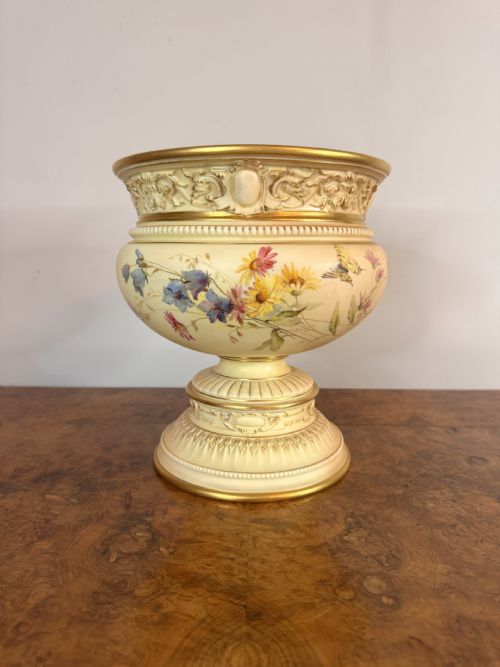
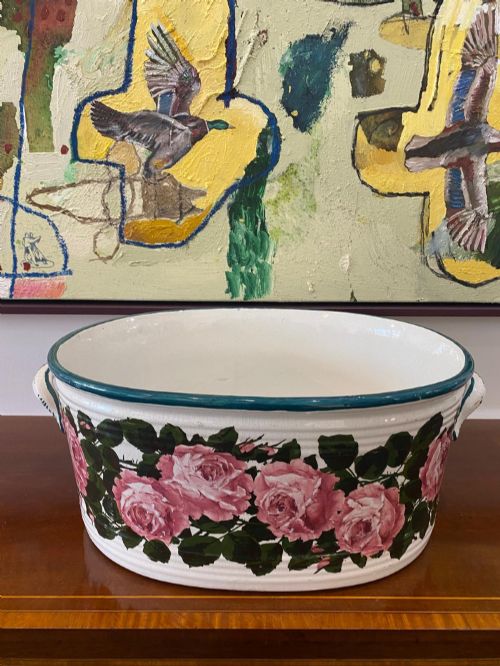
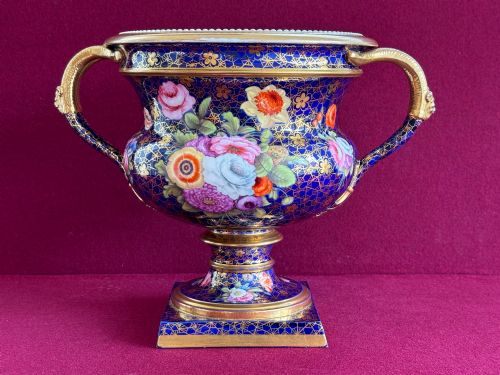
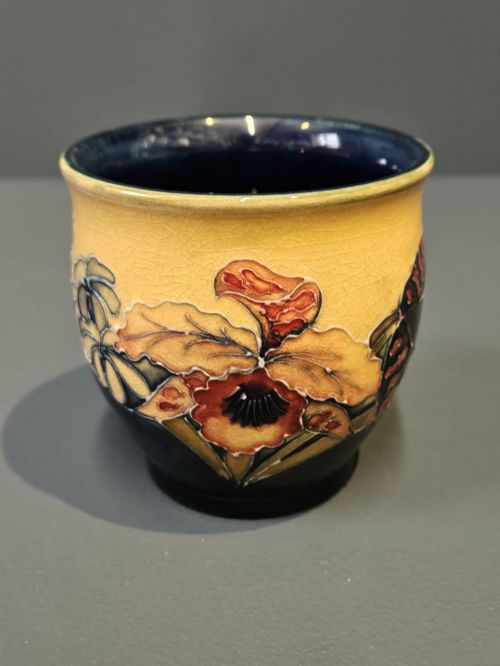
These floral painted ceramic planter pieces bring vibrant botanical motifs into a room, offering a decorative vessel for plants.
Floral Painted Ceramic Planter
When you search for floral painted ceramic planter, you encounter a varied selection of jardiniere vessels, vases, and decorative bowls spanning the nineteenth and early twentieth centuries. These objects incorporate diverse origins, ranging from Victorian and Edwardian British potteries to Chinese Qing style works and Japanese Meiji period pieces.
The most common forms you are likely to meet on this page include large porcelain jardinieres, pedestal stands, and footbaths. Makers utilised earthenware, porcelain, and glazed bodies to construct these vessels, often applying cobalt underglaze or hand painted floral details.
Stylistic influences stretch from Chinoiserie and Japanese Imari to Art Deco designs and traditional floral motifs. Pieces such as hexagonal planters with drip trays and lobbed rectangular bowls demonstrate the breadth of forms available within this category.
How they were made
Potters shaped these vessels using ceramic materials such as earthenware and porcelain, frequently finishing the surfaces with a protective glaze. Cobalt underglaze and enamel pigments provided the medium for intricate floral and avian painting.
Gilt highlights and majolica techniques added texture and visual depth to bodies like the Burmantofts majolica jardiniere. Artisans employed hand painting methods to apply floral scenes, peony decorations, and songbird motifs directly onto the fired clay.
Floral Painted Ceramic Planter Retail Price Guide 2026
Typical asking prices for floral painted ceramic planter among the pieces listed under this phrase on Sellingantiques today, from the lower quarter to the upper quarter. They describe what is for sale here now, not the wider market.
Peonies and songbirds share ceramic space with Victorian footbaths, proving that nineteenth-century plants enjoyed very scenic surroundings.
What varies in quality
Quality in these ceramic vessels rests on the precision of the hand painting and the crispness of the underglaze decoration. Pieces decorated with detailed botanical subjects and clear seal marks demonstrate a higher degree of artistic control.
The application of glaze and the retention of gilt detailing influence the overall visual impact of each jardiniere or vase. Variations also arise in the complexity of the form, from simple bowls to structured hexagonal planters with matching drip trays.
Wemyss·Burmantofts·Royal Worcester
The Floral Painted Ceramic Planter Glossary
- Jardiniere
- A large ceramic pot or vessel designed to hold plants or flowers, often displayed on a pedestal or floor. These pieces serve as decorative interior focal points.
- Cobalt Underglaze
- A blue pigment applied to the ceramic body before glazing and firing, creating a durable and vivid colour. It appears frequently in traditional blue and white porcelain works.
- Majolica
- A type of earthenware coated with an opaque tin glaze and painted with bright enamel colours. This technique produces rich, glossy surfaces found on nineteenth-century stands and planters.
- Imari
- A style of Japanese porcelain decorated in underglaze blue, iron red, and gilt. Pieces featuring this palette draw on traditional export ware aesthetics.
Floral Painted Ceramic Planter: Frequently Asked Questions
How were ceramic jardinieres used?
These vessels functioned primarily as indoor plant holders, often placed on tables, plant stands, or matching pedestals to display ferns and floral arrangements.
Larger versions, such as footbaths or deep jardinieres, accommodated substantial potted plants within grand Victorian and Edwardian interiors.
How do I identify a nineteenth century piece?
Nineteenth century ceramics often display characteristic glazing techniques, hand painted botanical motifs, and specific regional styles such as Japanese Imari or Victorian majolica.
Examining the base for maker marks, seal marks, or historical attribution helps narrow down the period of manufacture.
What is the difference between a jardiniere and a vase?
A jardiniere is typically wider and deeper than a standard vase, designed to house potted plants rather than cut stems.
Many jardinieres feature straight or gently curving sides intended to sit directly on furniture surfaces or floor stands.
How should I clean my ceramic planter?
Gentle dusting with a soft cloth preserves the hand painted enamel and gilt surfaces of antique ceramic vessels. Avoid harsh chemical cleaners that might damage the historical glaze.
Using a plastic liner inside the planter prevents moisture from reaching the porous earthenware or porcelain body over time.