



Pink Rose Ceramic Basin
These pink rose ceramic basin alternatives span grand nineteenth-century punch bowls and footbaths, offering hand-painted floral artistry for your interior.
Pink Rose Ceramic Basin
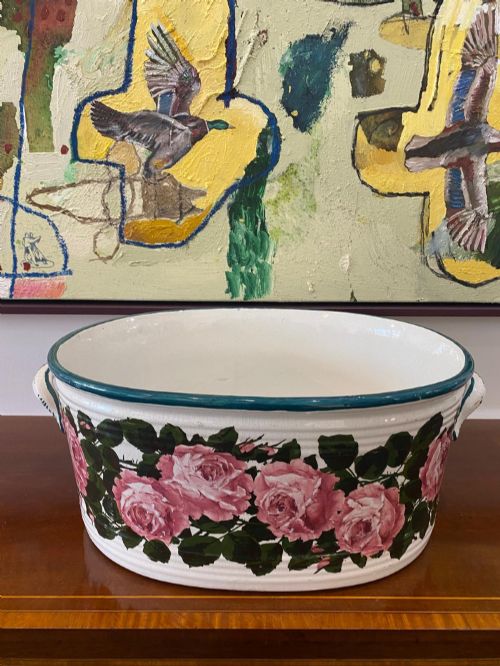
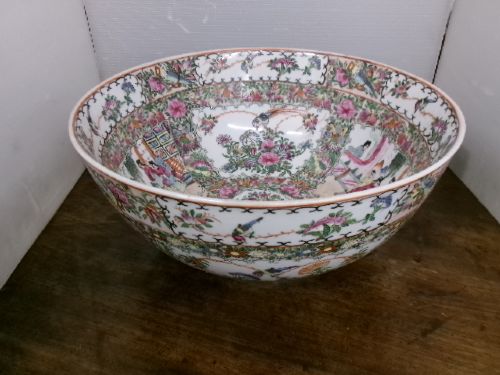
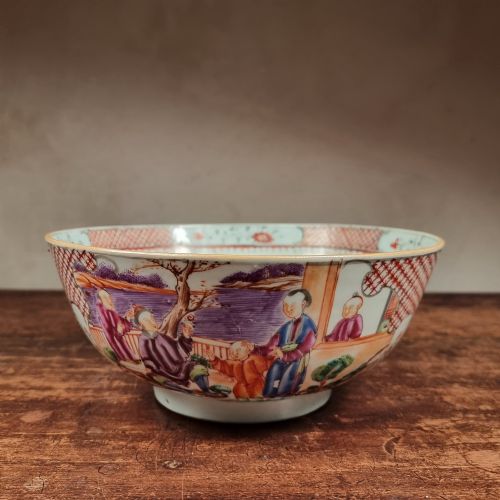
When searching for a pink rose ceramic basin, collectors typically encounter large nineteenth-century Chinese export vessels, Victorian footbaths, and Canton famille rose bowls. These substantial bowls and jardinieres served utilitarian and decorative functions in historical households, often painted with intricate floral and medallion motifs.
The selection here heavily favours Chinese Canton and Rose Medallion porcelain alongside nineteenth-century earthenware. Pieces range from grand punch bowls spanning over fifteen inches to footbaths and decorative jardinieres adorned with overglaze enamel and gilt details.
Qing dynasty export wares dominate the visual landscape of this category, bringing colourful pink rose and floral compositions to deep porcelain bodies. Buyers find both Victorian British interpretations and traditional Chinese export pieces that share a common botanical theme.
How they were made
Potters shaped these large basins and bowls from porcelain or earthenware, throwing or moulding the heavy clay bodies before initial firing. Artisans then applied intricate hand-painted designs directly onto the ceramic surface utilising vibrant overglaze enamels.
Many examples incorporate delicate gold leaf, gilt, or gilding to highlight rim borders and frame the central pink rose and figural motifs. A subsequent firing fused the colourful enamels and gold leaf securely to the glaze.
Pink Rose Ceramic Basin Retail Price Guide 2026
Typical asking prices for pink rose ceramic basin among the pieces listed under this phrase on Sellingantiques today, from the lower quarter to the upper quarter. They describe what is for sale here now, not the wider market.
Footbaths built for Victorian winter evenings now live quiet second lives holding potted ferns.
What varies in quality
The distinction between standard export wares and superior examples lies in the precision of the hand-painted brushwork and the complexity of the figural and floral compositions. Finer pieces display crisp detailing in the rose medallions and vibrant, well-preserved overglaze enamels that retain their original lustre.
The weight, throwing consistency, and structural integrity of the heavy porcelain or earthenware body also indicate the standard of production. Superior basins demonstrate careful control during the gilding process, where gold leaf remains bright and evenly adhered across the decorative borders.
Wemyss
The Pink Rose Ceramic Basin Glossary
- Famille Rose
- A palette of opaque overglaze enamels introduced in Chinese porcelain during the Qing dynasty, dominated by pink or rose colours derived from colloidal gold. This characteristic tone defines the floral motifs seen across many export bowls.
- Rose Medallion
- A specific nineteenth-century Chinese export pattern featuring alternating panels of figures and birds, flowers, or butterflies, typically centred around a prominent pink rose medallion. It creates a rich, compartmentalised visual surface.
- Footbath
- A large, deep ceramic vessel historically utilised for bathing feet, often featuring sturdy handles and generous proportions suited to holding warm water. In modern interiors, these substantial forms frequently double as planters or decorative centrepieces.
- Overglaze Enamel
- Colourful glass-like decoration applied over a previously fired and glazed ceramic surface, requiring a secondary low-temperature kiln firing to bond the pigments. This technique allows for bright pinks, greens, and gilt accents on porcelain.
- Jardiniere
- An ornamental ceramic pot or stand designed to hold live plants or floral arrangements indoors. They offer a stable, decorative housing for greenery while showcasing elaborate hand-painted exterior scenes.
Pink Rose Ceramic Basin: Frequently Asked Questions
What were these large basins used for historically?
Historical households utilised these large vessels for practical purposes such as washing, serving punch at large gatherings, or containing water for washing feet. Footbaths and punch bowls were engineered with thick ceramic walls to handle heavy daily use.
Over time, owners transitioned these durable basins into decorative interior display pieces, floral planters, or striking centrepieces for dining rooms and hallways.
How do I care for antique porcelain basins?
Cleaning antique porcelain requires gentle handling with warm water and mild soap, avoiding harsh scrubbing materials that might damage fragile overglaze enamels or gilt edges. Soft cloths help preserve the historic glaze and delicate painted surfaces.
If using a basin as a plant holder, place a protective liner inside rather than planting directly into the historic ceramic to prevent moisture seepage through older earthenware bodies.
What periods do these ceramic basins come from?
The available inventory primarily spans the nineteenth century, including pieces produced during the Qing dynasty and the Victorian era. Earlier eighteenth-century examples also appear alongside late Victorian interpretations.
Dating relies on stylistic markers, enamel characteristics, and manufacturing traits typical of Chinese export and British earthenware production during those decades.