


Floral Inlay Cupboard
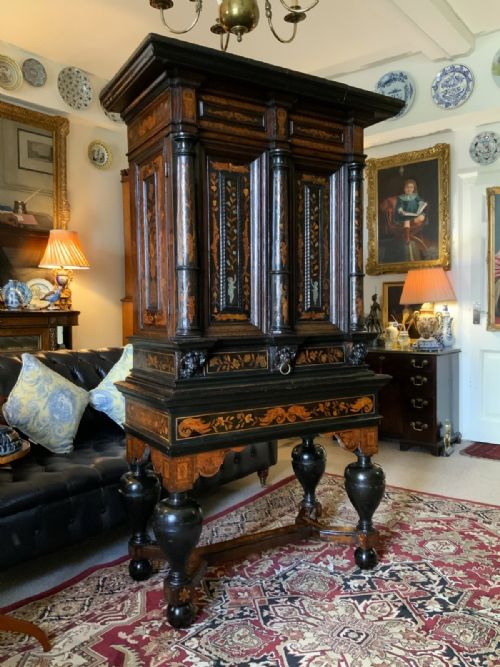
A floral inlay cupboard brings botanical imagery into domestic spaces through meticulous timber work.
Floral Inlay Cupboard
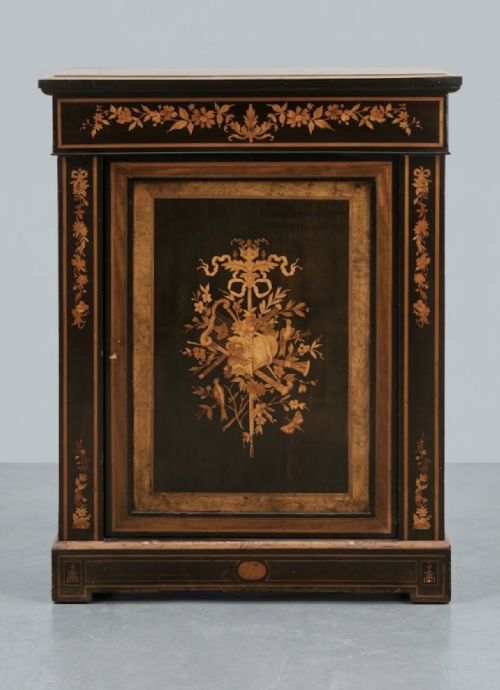
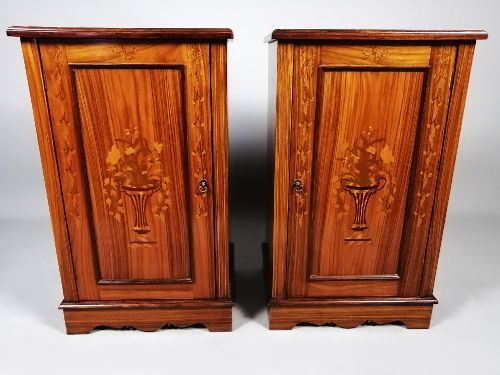
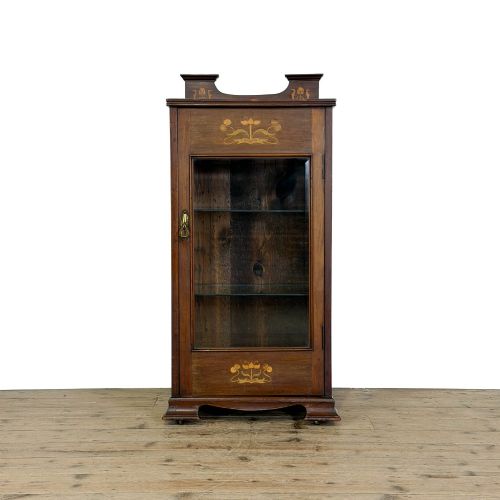
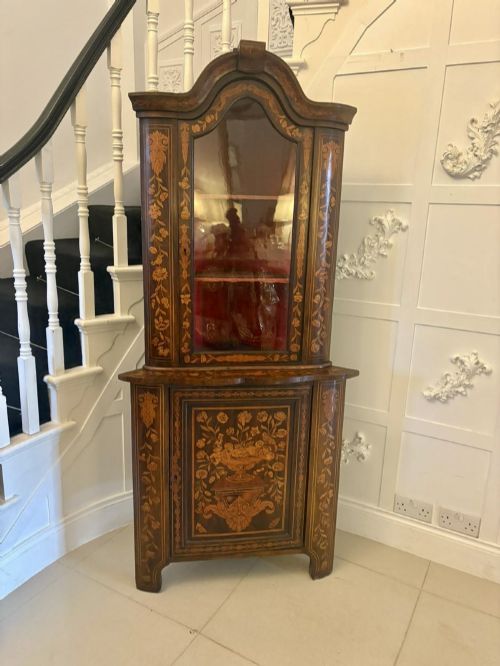
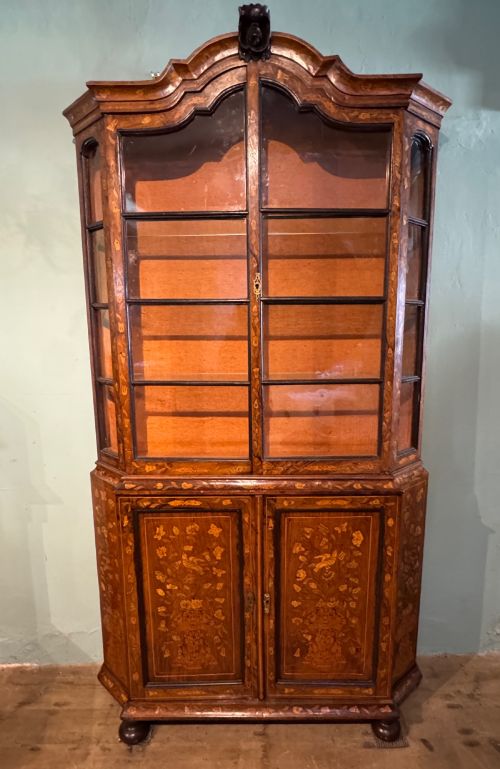
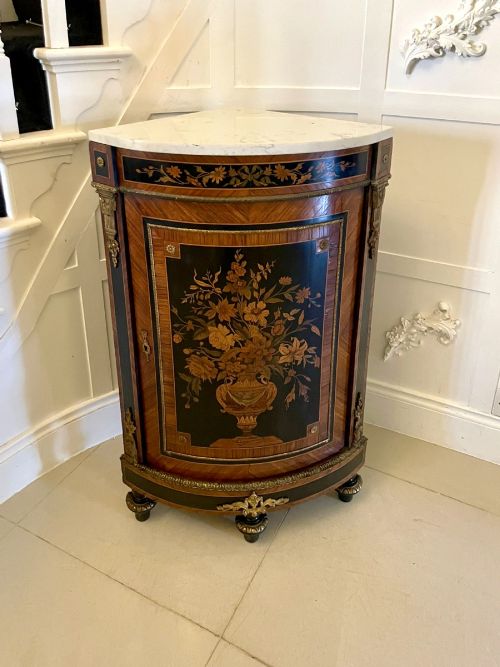
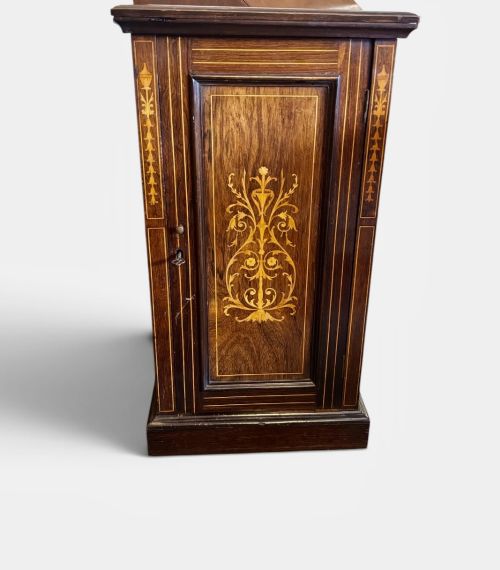
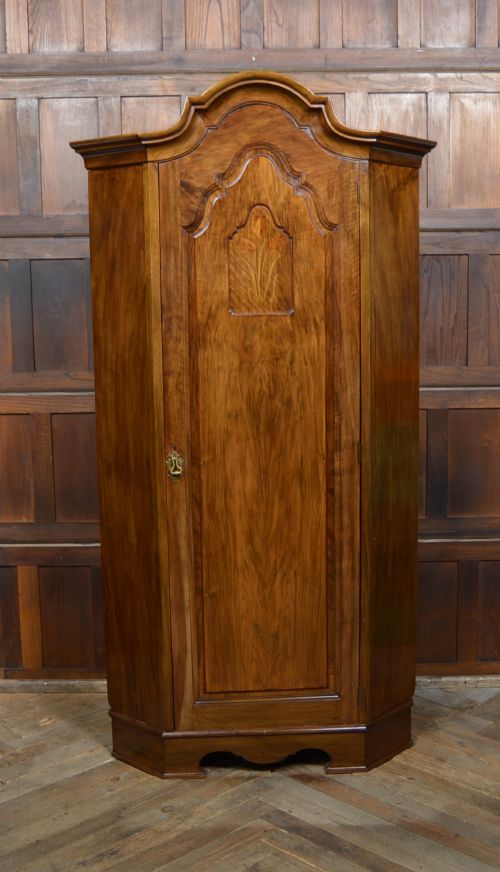
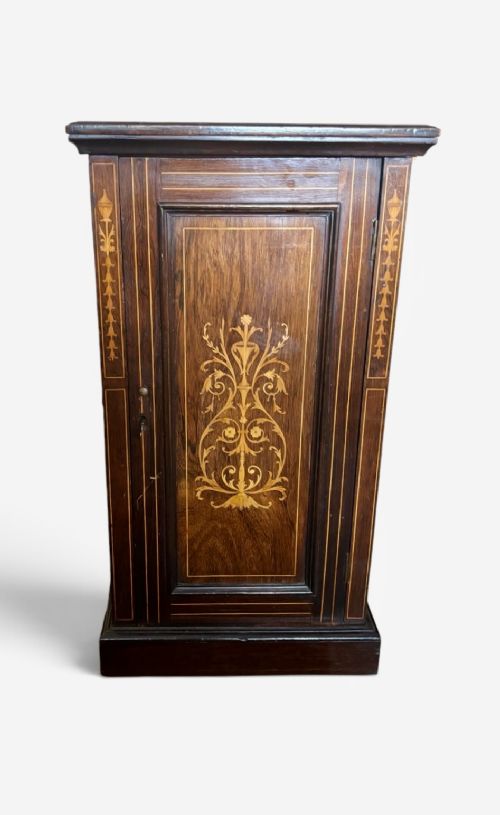
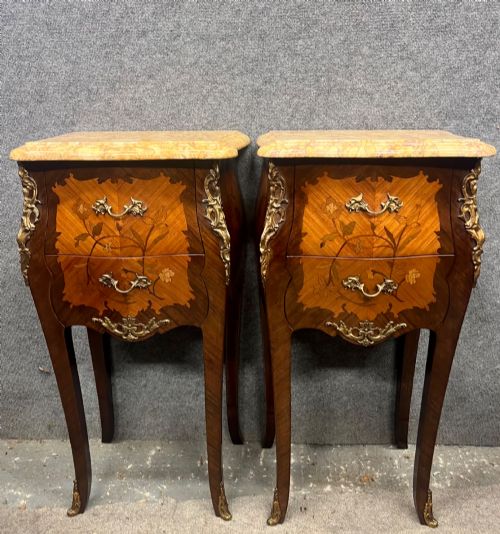
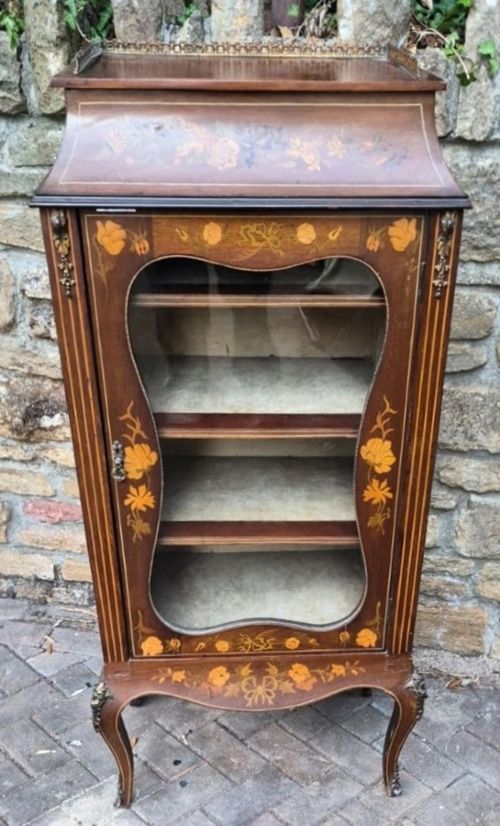
A floral inlay cupboard encompasses storage furniture decorated with botanical marquetry and cabinet work. When searching for a floral inlay cupboard, a buyer encounters forms ranging from corner cupboards and bedside cabinets to large display cabinets and linen presses.
The pieces span multiple periods, with examples originating from the eighteenth, nineteenth, and early twentieth centuries. Dutch Baroque and Edwardian interpretations appear frequently alongside French Louis XVI style designs.
Makers utilised various primary timbers including walnut, mahogany, satinwood, and kingwood as the ground for intricate floral compositions. These items served both practical storage functions and decorative display roles within historic interiors.
How they were made
Cabinet makers constructed these pieces using solid timbers and supportive veneers on underlying carcases of mahogany or oak. Marquetry cutters sliced varied fruitwoods and exotic timbers to form floral motifs, which were then fitted tightly into prepared recesses within the surface.
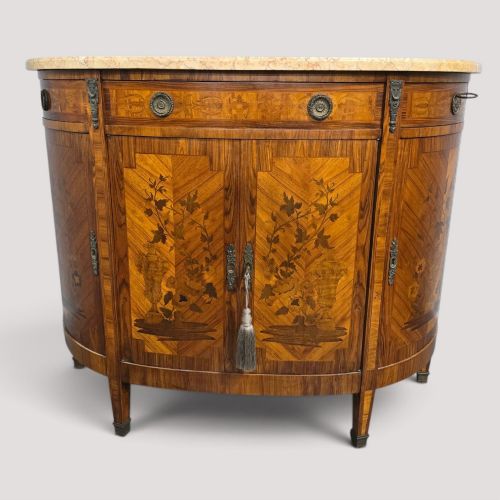
Additional decorative elements included cast ormolu mounts, brass stringing, and inset marble tops, particularly on French pieces. Craftsmen finished these surfaces with hand-applied polishes that highlighted the natural grain variations of the woods.
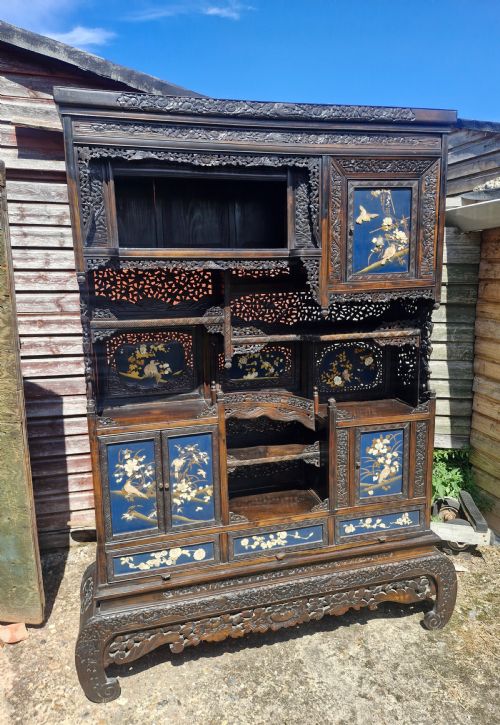
Among the botanical timber stems inlaid into these historic carcases, occasional whimsical birds hide quietly within the floral foliage.
What varies in quality
The standard of execution in the marquetry work differentiates individual examples. Finer pieces display crisp botanical details with varied timber shades providing natural depth to leaves and petals, whereas simpler items rely on basic engraved lines.
Structural integrity and the selection of primary and secondary timbers also mark the distinction between standard production and master cabinet work. Heavier carcases combined with balanced proportions and integrated mounts elevate the status of a piece.
The Floral Inlay Cupboard Glossary
- Marquetry
- A technique where small pieces of veneer are assembled to form pictorial patterns on a wooden ground. This method allowed craftsmen to depict complex floral arrangements across cabinet doors and tabletops.
- Ormolu
- Gilded bronze used for decorative mounts and trimmings on furniture. It accentuates the corners and feet of finer French and English cabinets.
- Demi-lune
- A half-moon shape characteristic of console tables and specific side cabinets. This form fits flush against walls while offering a curved front profile.
- Linen press
- A tall storage piece designed to hold folded textiles, often featuring upper doors enclosing sliding trays. These frequently incorporate extensive marquetry panels.
- Pier cabinet
- A narrow piece designed to stand against the wall space between windows. They often incorporate glass doors for displaying porcelain.
Floral Inlay Cupboard: Frequently Asked Questions
How do I care for a marquetry cabinet?
Keep wooden furniture away from direct heat sources and fluctuating humidity to protect the delicate veneers.
Apply high quality natural wax polish periodically and buff gently with a soft cloth to maintain the surface sheen.
What periods do these cabinets come from?
The listings include eighteenth-century Dutch and Georgian pieces alongside Victorian, Edwardian, and early twentieth-century examples.
Stylistic revivals during the nineteenth century also produced substantial numbers of pieces reflecting earlier French and Dutch aesthetics.
Where were these cupboards placed historically?
Bedside cabinets and chests served bedrooms for holding personal items, while display cabinets occupied reception rooms and parlours.
Corner cupboards utilised awkward room angles for storage and the exhibition of valued ceramics or glassware.
How are different wood types identified?
Walnut and mahogany provide darker, rich grounds, whereas satinwood offers a pale, golden yellow surface for floral displays.
Fruitwoods provide varied tones of orange, brown, and pink used specifically to shade petals and stems within the marquetry.