


Brown Timber Credenza
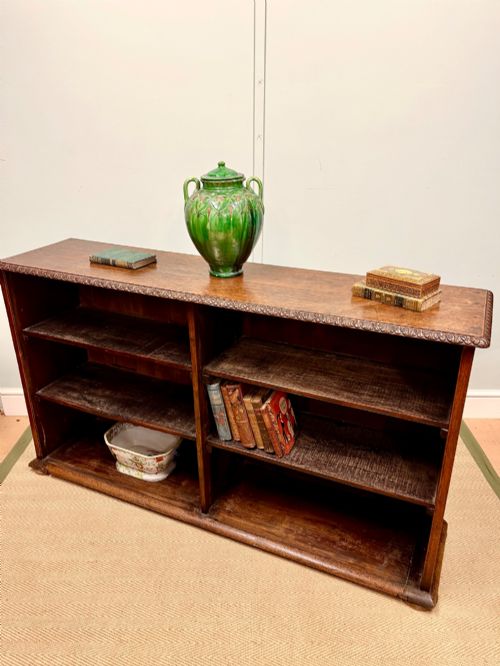
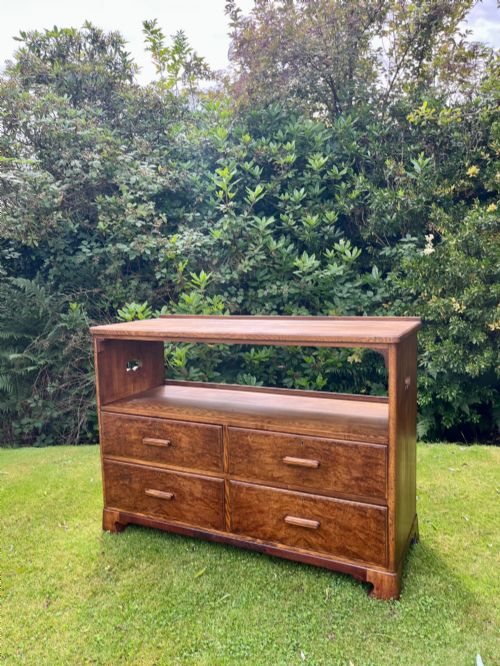
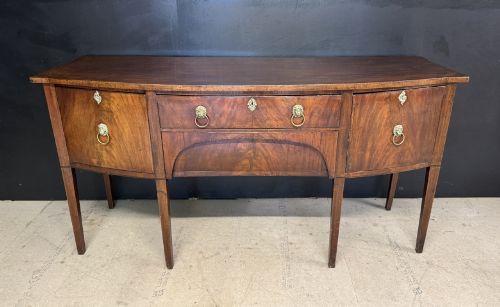
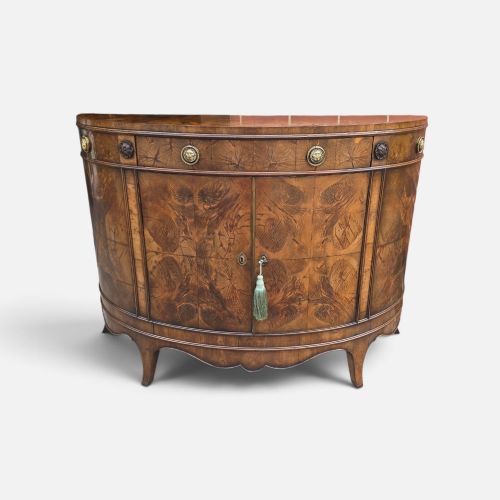
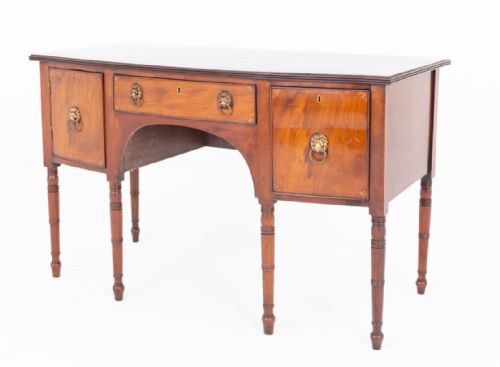
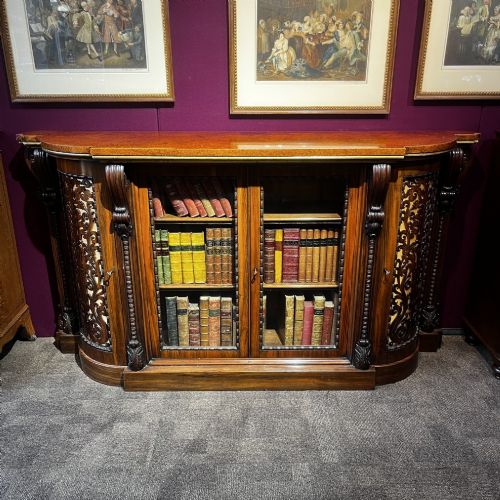
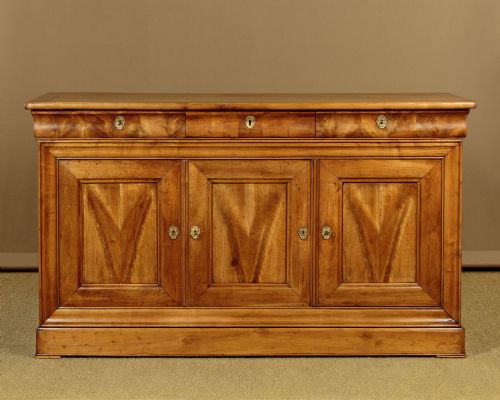
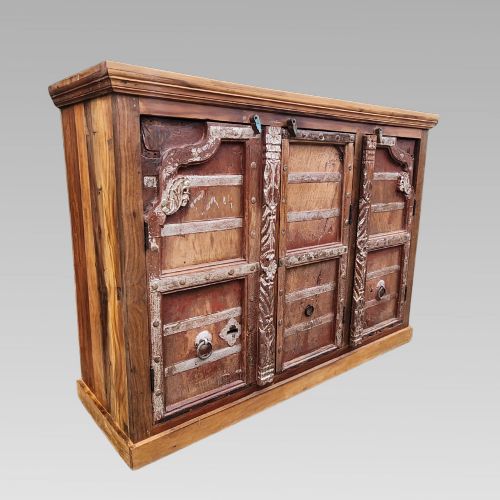
A brown timber credenza offers substantial storage and surface display, bringing rich grain and traditional cabinet-making directly into a dining room or hall.
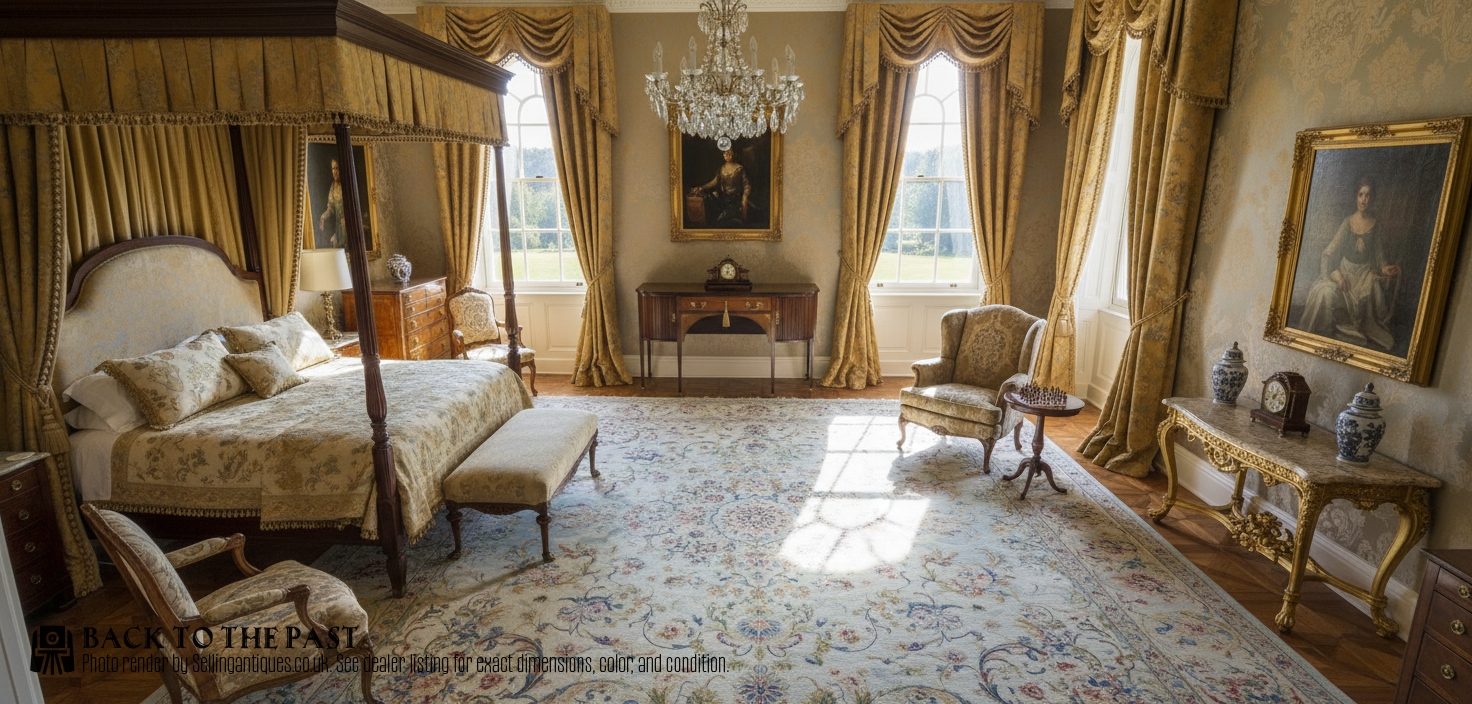
Brown Timber Credenza
A brown timber credenza encompasses heavy storage furniture often listed across related forms like sideboards, side cabinets, and cupboards. Buyers seeking a brown timber credenza typically encounter pieces spanning from the eighteenth century through the Victorian era and into the nineteen-thirties.
The selection ranges from classical Georgian mahogany designs to nineteenth-century walnut and rosewood iterations. Makers and workshops utilise diverse timbers such as teak, elm, satinwood, and goncalo alves to construct these substantial items.
Formations vary from bowfront and serpentine shapes to breakfront bookcases and simple two-door cupboards. Each variant serves primary functions in entertaining and storage while displaying period specific joinery.
How they were made
Craftsmen built these brown timber credenza examples using solid woods and selected veneers over secondary framing timbers. Cabinet-makers applied brass hardware, glass panels, and boxwood inlay to enhance the natural figured surfaces.
Techniques relied on traditional joinery methods, including dovetailing for drawers and mortise and tenon joints for structural frames. Carved decorations appeared directly on solid mahogany, oak, walnut, and teak components.
Polish and wax finishes were rubbed into the timber by hand to highlight the deep tones of rosewood, goncalo alves, and mahogany. Secondary woods provided stability behind the primary show timbers on larger sideboards and cabinets.
Listings feature items from the Georgian and Victorian eras, alongside twentieth-century works in mahogany, teak, walnut, and rosewood.
What varies in quality
The sophistication of the timber selection dictates much of the value, with highly figured burr elm, amboyna, or matched mahogany veneers marking superior execution. The crispness of hand-carved mouldings and the precision of boxwood stringing separate standard utility items from elite commissions.
Original brass handles, functional locks with matching keys, and intact glass panes preserve the integrity of a piece. The presence of secondary woods appropriate to the stated period confirms the authenticity of the construction.
Whytock and Reid·Gillows
The Brown Timber Credenza Glossary
- Serpentine
- A front profile that curves outward at the centre and inward toward the ends. This undulating shape requires advanced woodworking skill to execute properly.
- Bowfront
- A convex curved front that projects outward in a smooth arc. It appears frequently on nineteenth-century sideboards and cabinets.
- Goncalo Alves
- A dense exotic hardwood featuring striking dark brown and golden contrasting figures. Cabinet-makers utilised this timber for high-status Regency and Victorian side cabinets.
- Inlay
- A decorative technique where contrasting materials like boxwood or satinwood are inserted into recesses cut into the primary timber surface. This creates geometric or floral patterns.
- Breakfront
- A piece of furniture where the central section projects forward from the flanking outer sections. This architectural arrangement adds depth to large bookcases and sideboards.
Brown Timber Credenza: Frequently Asked Questions
What is a brown timber credenza used for?
These pieces function primarily as heavy storage units for dining room porcelain, silver, and table linens. The flat top surface also provides space for serving food or displaying decorative objects.
Historically, dining rooms relied on these large cabinets to keep serving items close at hand during formal meals. Today, they serve similar organizational purposes in living spaces and hallways.
How do I date a brown timber credenza?
Dating relies on identifying the primary wood species, construction methods, and decorative styles present. Georgian pieces often show linear mahogany designs, while Victorian examples lean toward heavier carved walnut and rosewood.
Hardware styles, dovetail construction tightness, and secondary woods inside drawers offer further clues to the exact manufacturing decade. Comparing the piece to documented regional cabinet-making styles helps narrow down the origin.
Where should I place a brown timber credenza?
Dining rooms remain the traditional placement for storing tableware and serving dishes. Large walls in grand hallways or spacious living rooms also accommodate the substantial footprint of these cabinets.
Direct sunlight and extreme temperature changes from radiators should be avoided to protect antique wood veneers and polished finishes. Placing the unit against a structurally sound wall ensures stability for heavy timber doors.
How do I clean a brown timber credenza?
Dusting the surfaces regularly with a soft, dry cloth prevents particle buildup on the polished timber. Avoid using modern silicone sprays or harsh chemical cleaners that can damage traditional wax finishes.
Applying a quality furniture wax periodically helps nourish old mahogany, walnut, or teak surfaces. Gentle buffing restores the natural lustre without stripping the aged patina.