


Floral Glazed Pottery Vessel
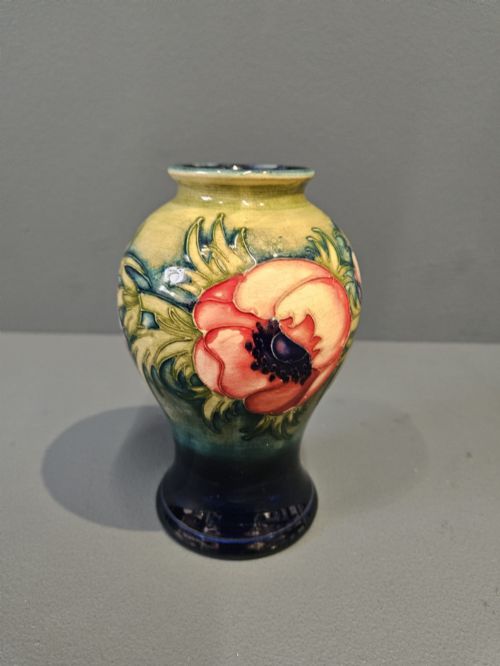
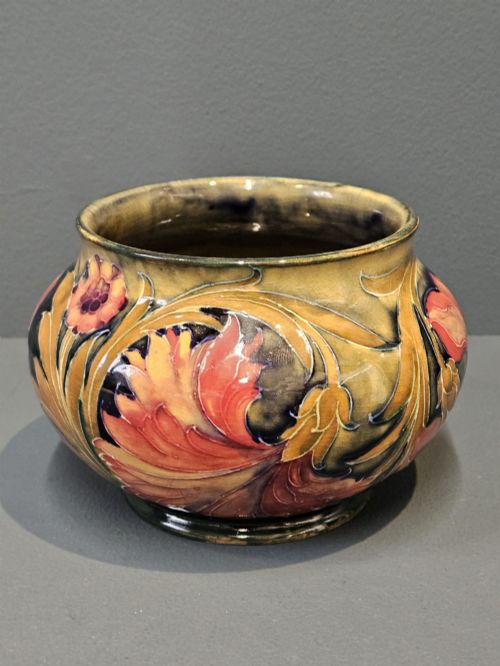
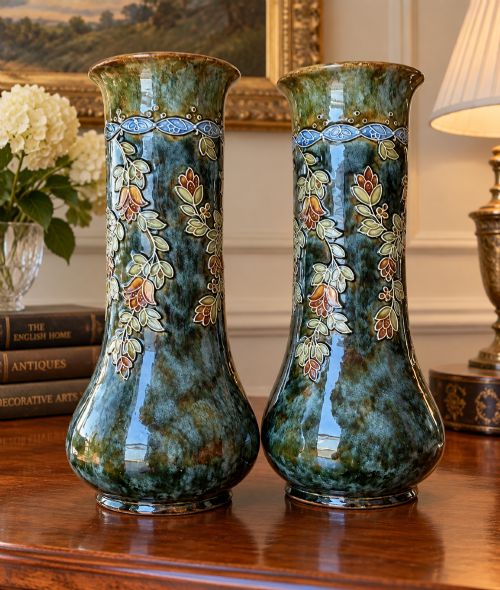
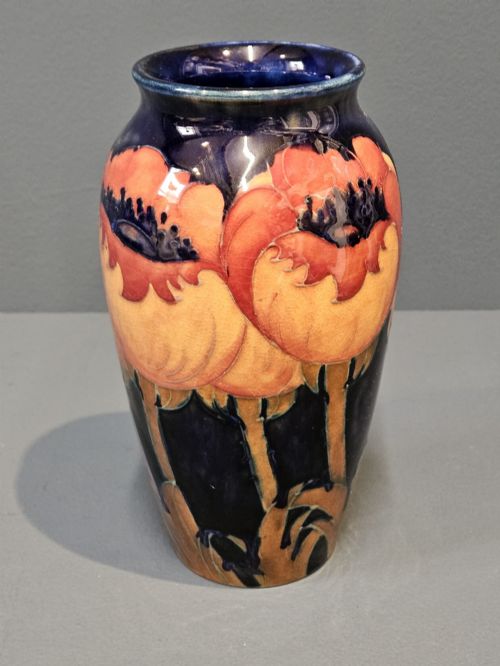
A floral glazed pottery vessel brings organic colour and hand-painted plant motifs into a room, spanning centuries of ceramic craft.
Floral Glazed Pottery Vessel
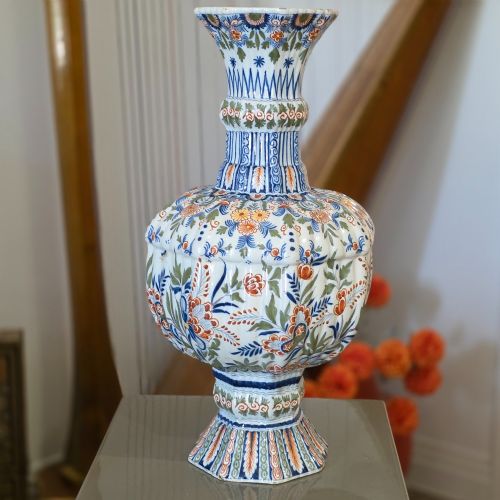
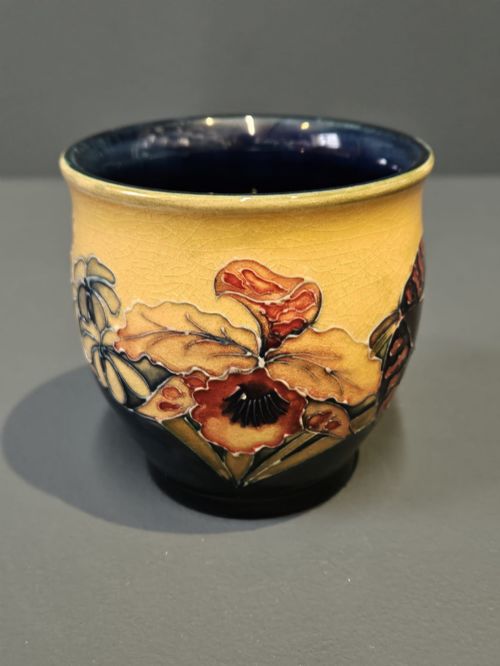
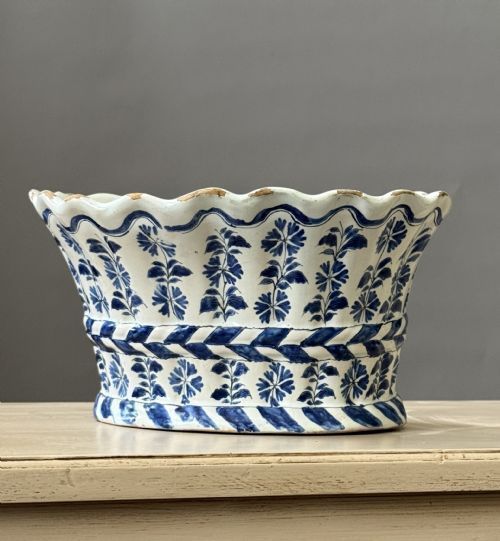
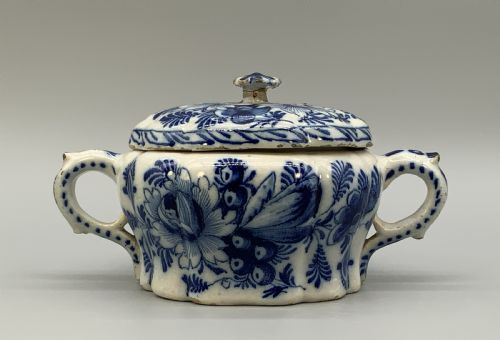
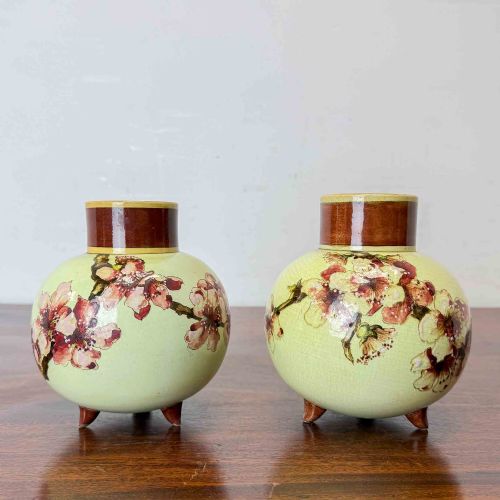
A floral glazed pottery vessel encompasses an array of ceramic forms ranging from early Delft bough pots and posset pots to later Art Nouveau vases and jardinières. These objects serve both ornamental and utilitarian functions through distinct historical eras.
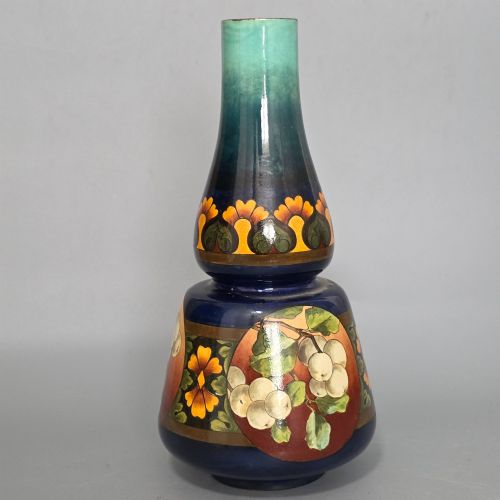
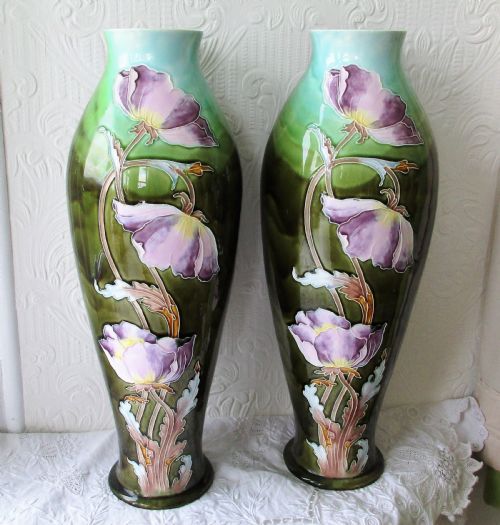
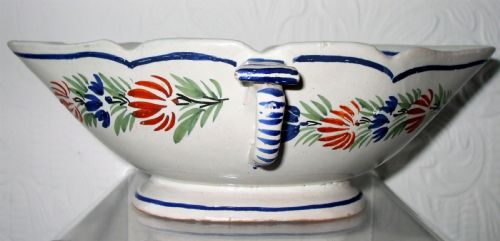
The most common examples encountered on this page belong to the Victorian and Edwardian periods, with stoneware and faience creations dominating the selection. Pieces vary from large baluster vases to chamber pots and sauceboats.
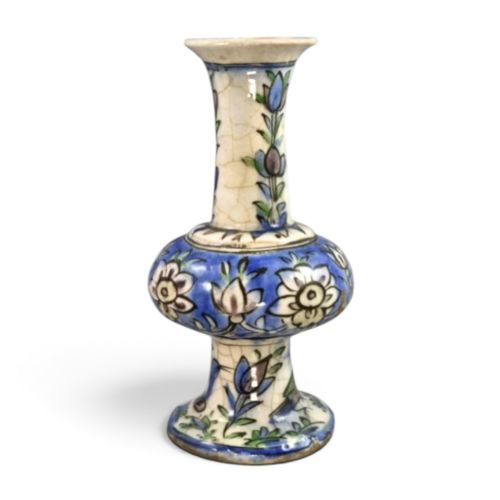
Makers from Britain, France, Belgium, Germany, Persia and Japan contribute to the assortment of styles. Examples span from Dutch Baroque and Delftware to Arts and Crafts, Art Deco and Qajar Persian aesthetics.
How they were made
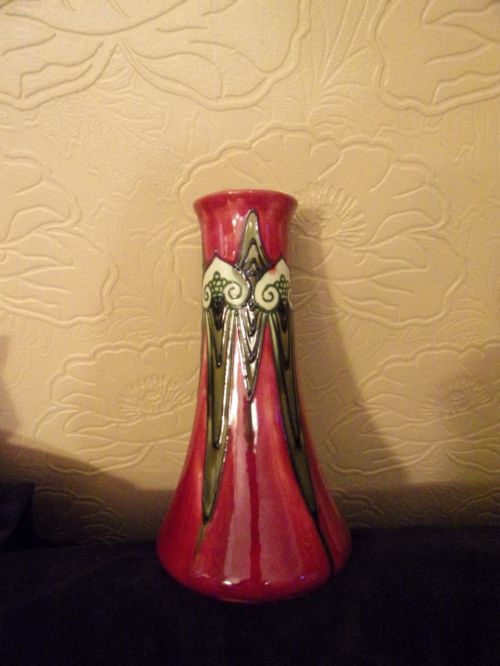
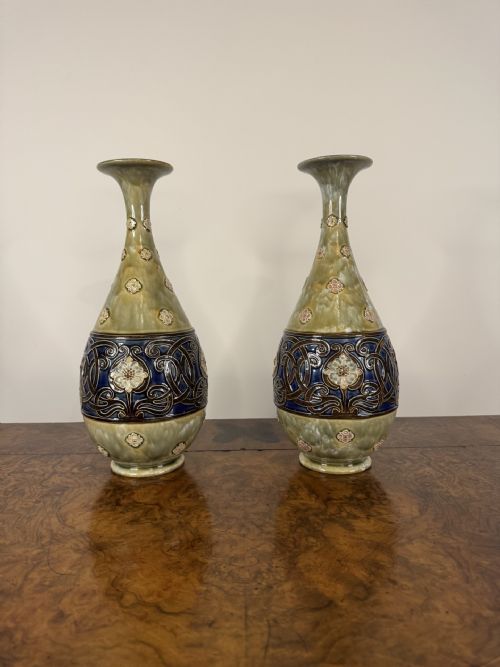
Potters shaped earthenware, stoneware and faience on the wheel or in moulds before applying glazes and enamel decoration. Techniques such as tube-lining partitioned the coloured pigments on pieces like Minton Secessionist and Doulton Lambeth items.
Firing took place in kilns at varying temperatures to vitrify the ceramic body and fuse the surface glaze. Artisans occasionally added gold leaf or polychrome pigments during secondary decorating stages.
Floral Glazed Pottery Vessel Retail Price Guide 2026
Typical asking prices for floral glazed pottery vessel among the pieces listed under this phrase on Sellingantiques today, from the lower quarter to the upper quarter. They describe what is for sale here now, not the wider market.
Listings feature periods from the seventeenth century through to the twentieth century, incorporating earthenware, stoneware, and faience.
What varies in quality
Quality rests in the crispness of the modelled form, the precision of the hand-painted floral motifs and the depth of the glaze. Master decorators working at prominent potteries achieved greater harmony between line and colour.
The distinction between standard production items and exceptional pieces lies in the complexity of the design and the control shown during the firing process. Intricate tube-lined patterns and well-preserved polychrome enamels elevate certain works above basic utility wares.
Royal Doulton Lambeth·Alice Euphemia Thatcher·Louisa Wakely·Eliza Simmance·William Moorcroft·Kinkozan Satsuma·Burmantofts Faience·Wileman Intarsio·Minton Secessionist
The Floral Glazed Pottery Vessel Glossary
- Stoneware
- A dense, impermeable ceramic fired at high temperatures until vitrified. This material resists liquids without requiring a traditional glaze, though surface decoration remains common.
- Tube-lining
- A ceramic decoration technique where lines of clay slip are squeezed from a bulb onto the vessel to form raised outlines for coloured glazes. This method defines many Arts and Crafts designs.
- Delftware
- Tin-glazed earthenware originating in the Netherlands, typically decorated in blue and white with floral or landscape motifs. It gained popularity during the seventeenth and eighteenth centuries.
- Baluster
- An architectural shape featuring a rounded body that tapers towards a narrow neck and flares at the base. Many tall vases adopt this balanced silhouette.
Floral Glazed Pottery Vessel: Frequently Asked Questions
How do I date an antique ceramic vase?
Dating relies on examining the ceramic body, glaze characteristics, and any maker marks stamped or painted on the base. Stylistic clues such as Art Nouveau plant motifs or seventeenth-century blue and white palettes also help narrow the period.
Comparing the potting technique and form against documented examples from specific makers provides further chronological context. Certain glazes and colour combinations remained popular during distinct decades.
What is the difference between earthenware and stoneware?
Earthenware is fired at lower temperatures and remains porous unless coated with an impermeable glaze. It forms the basis of traditional faience and many domestic vessels.
Stoneware undergoes firing at much higher heats until the clay vitrifies and becomes completely watertight on its own. This creates a much heavier and more durable vessel.
How were floral motifs applied to these vessels?
Decorators painted floral subjects directly onto the raw or tin-glazed surface using mineral pigments before firing. Techniques like tube-lining used raised clay outlines to contain liquid enamel colours.
Some makers utilised printed transfers for base patterns, finishing the details by hand with polychrome enamels. Hand-painted pieces show subtle brushstroke variations that distinguish them from printed wares.
Where should I display a large ceramic jardiniere?
A large jardiniere suits heavy furniture tops, hallways, or conservatory floors where its weight and decorative presence balance the surrounding space. Placing it away from high-traffic areas protects the glazed exterior from accidental impacts.
Using a waterproof liner inside protects the antique ceramic body if holding living plants with damp soil. Dry floral arrangements or branches also work well without introducing moisture.
What defines Delftware floral patterns?
Delftware floral patterns typically display blue and white painting influenced by imported Chinese porcelain or Dutch garden flowers. The brushwork tends to be fluent and expressive rather than strictly botanical.
These designs often appear on bough pots, posset pots, and tall vases from the seventeenth and eighteenth centuries. The tin glaze gives the background a soft, slightly milky opacity.