

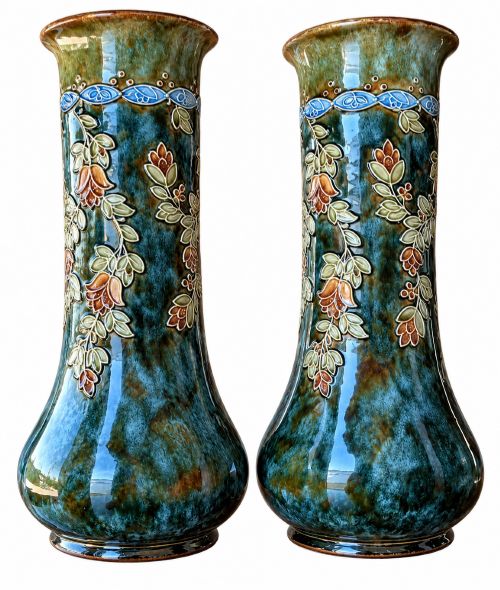
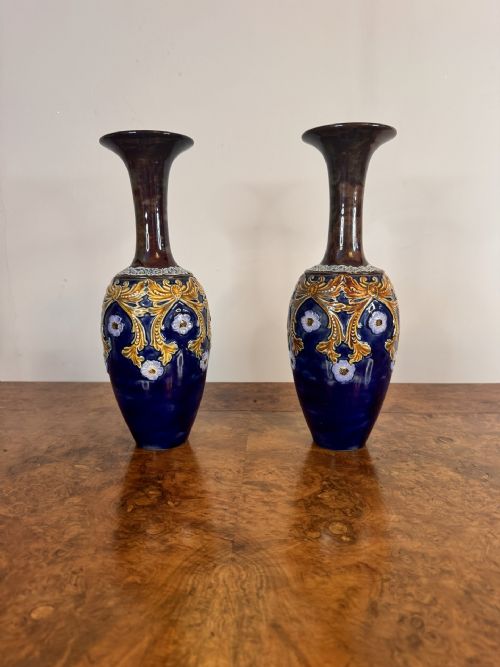
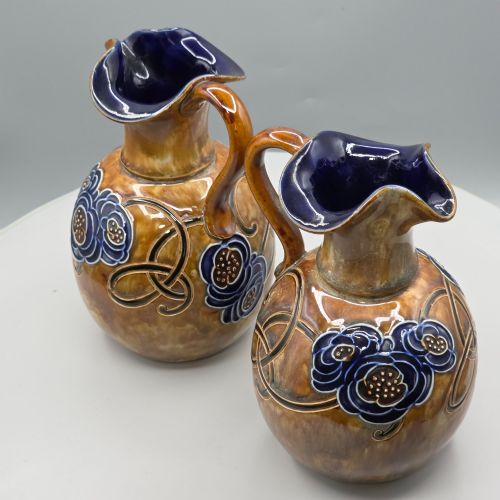
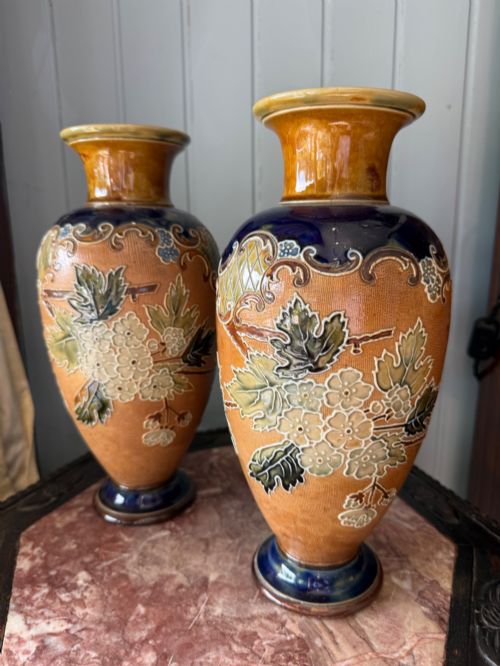

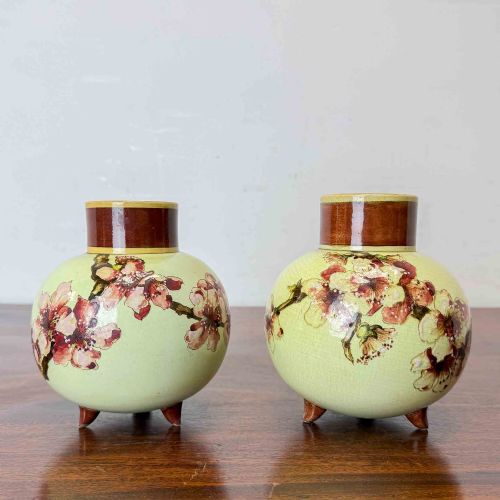


Floral Glazed Pottery Pair
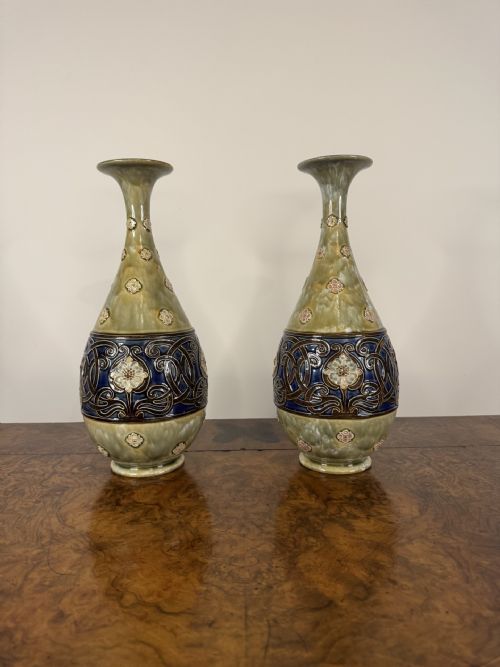
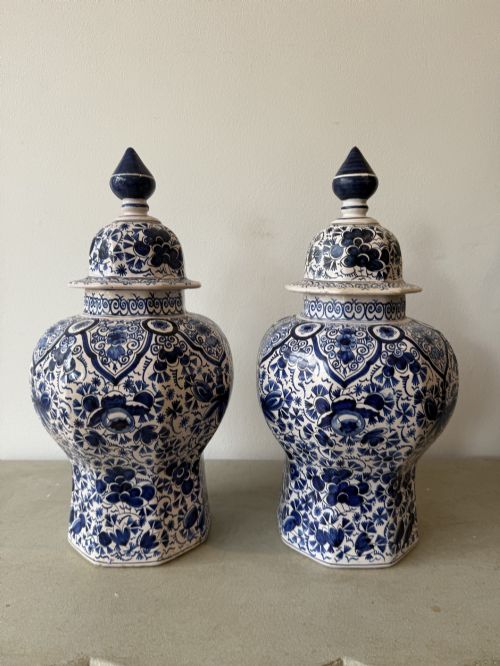
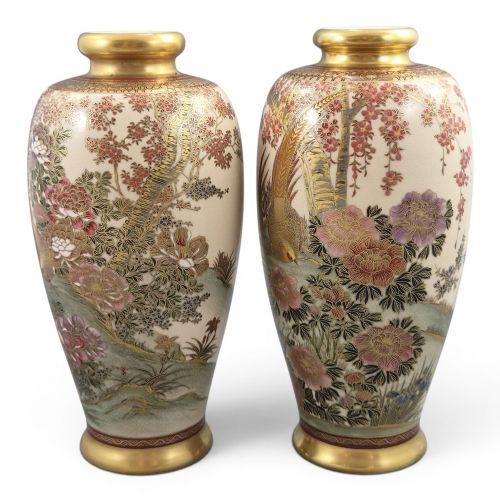
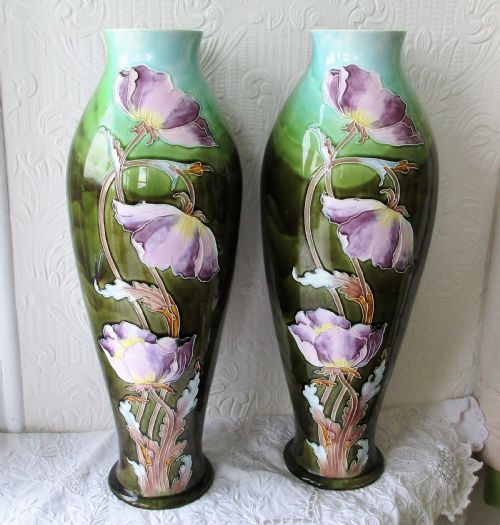
These floral glazed pottery pair selections bring together matched vessels spanning periods from the eighteenth century to the twentieth.
Floral Glazed Pottery Pair
A floral glazed pottery pair consists of matching ceramic vessels decorated with plant motifs, uniting historical periods from the eighteenth century onwards. Buyers searching this phrase encounter matched sets of vases, jugs, loving cups, jardinieres and decorative plates.
How they were made
Potters shaped these vessels using earthenware and stoneware bodies, applying glazes and enamels to seal the clay and provide a smooth surface for decoration. Many items utilise tin-glaze techniques or salt-glazing methods developed in British and European kilns.
Surface patterns incorporate floral designs hand-painted directly onto the unfired glaze or incised into the clay body before firing. Skilled artisans executed these botanical motifs using cobalt blue pigments and rich polychrome palettes.
Floral Glazed Pottery Pair Retail Price Guide 2026
Typical asking prices for floral glazed pottery pair among the pieces listed under this phrase on Sellingantiques today, from the lower quarter to the upper quarter. They describe what is for sale here now, not the wider market.
Some loving cups manage to look simultaneously pious and ready for a rowdy Victorian tavern evening.
What varies in quality
The distinction between standard commercial output and superior work rests on the crispness of the modelled form and the precision of the botanical painting. Pieces associated with named artists or major potteries display superior decorative control.
Glaze consistency and colour depth separate finer items from simpler production wares, particularly where complex polychrome enamels or deep blue underglazes are employed. The balance and symmetry of the matched pair remain essential measures of overall integrity.
Royal Doulton·Doulton Lambeth·TG Green·Mettlach Pottery·Minton
The Floral Glazed Pottery Pair Glossary
- Earthenware
- Porous pottery fired at lower temperatures, commonly coated with a tin glaze or transparent lead glaze. This material forms the base of many traditional decorative plates and jugs.
- Stoneware
- Dense, impermeable ceramic fired at high temperatures until vitrified, offering strong resistance to liquid and wear. It provides the durable body for many nineteenth-century British vases.
- Tin Glaze
- An opaque white glaze containing tin oxide, providing a smooth background for painted blue and white or polychrome decoration. It characterises traditional Delftware and French faience.
- Jardiniere
- A large ornamental pot designed to hold growing plants or flowers, often featuring multiple handles or raised decorative moulding. These items frequently display robust Arts and Crafts styling.
- Baluster
- A vase shape with a rounded lower body that tapers towards a narrow neck, resembling an architectural pillar. This classic silhouette appears frequently among nineteenth-century British stoneware.
Floral Glazed Pottery Pair: Frequently Asked Questions
How do I care for antique ceramic pairs?
Antique ceramics require gentle handling and placement away from direct sunlight and sudden temperature fluctuations. Dusting with a soft, dry cloth preserves the glaze and painted surfaces without causing abrasion.
Submerging porous earthenware or tin-glazed pieces in water should be avoided, as moisture can penetrate the clay body through historic crazing. Display them on stable surfaces to protect the matching elements from accidental impacts.
How are different periods identified?
Periods are distinguished through a combination of ceramic body composition, glaze characteristics, and decorative styles such as Art Nouveau or Victorian ornament. Maker marks and impressed stamps on the base provide definitive dates of manufacture.
Stoneware forms from the late nineteenth century differ noticeably in weight and finish from eighteenth-century tin-glazed earthenware plates. Comparing the potting technique and colour palette helps place items within their correct era.
Were these pieces used for flowers?
Many vases and jugs served as functional vessels for fresh blooms, while decorative plates and lidded vases remained purely ornamental items. Jardinieres were specifically built to house potted plants within domestic interiors.
Interior use determined the application of interior glazes designed to hold water safely. Over time, many decorative sets transitioned into purely display-focused roles within the home.