





Floral Ceramic Wall Charger
A floral ceramic wall charger brings bold colour and pattern to a room, offering large-scale display pieces from diverse global traditions.
Floral Ceramic Wall Charger
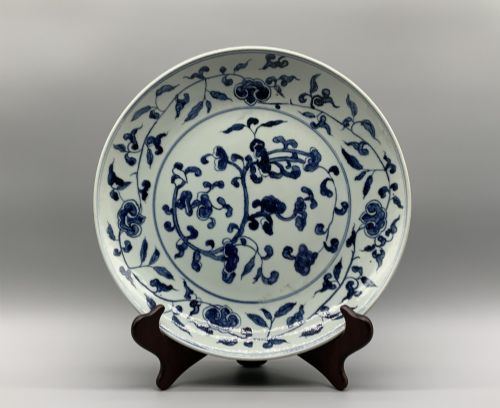
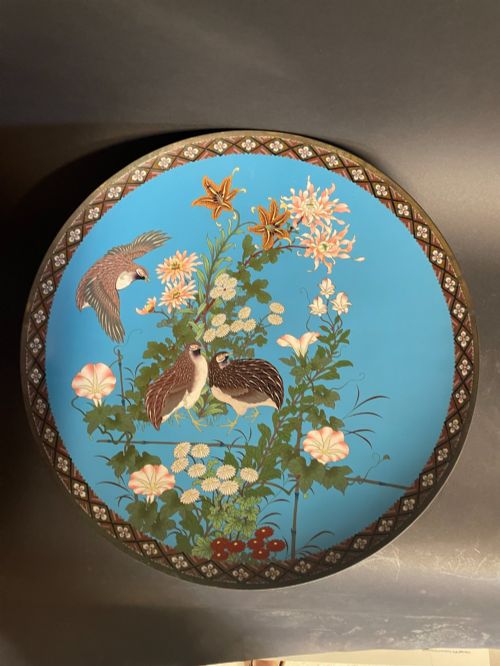
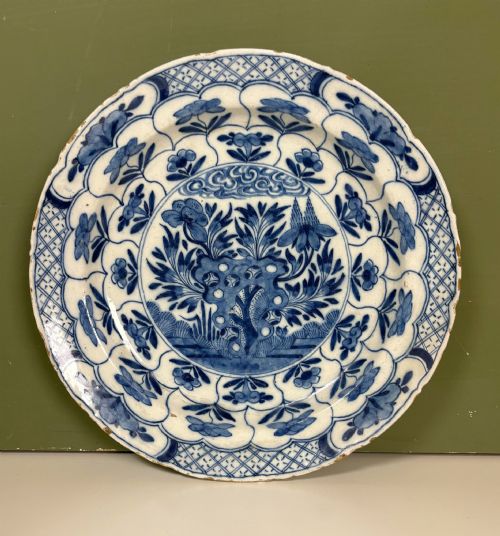
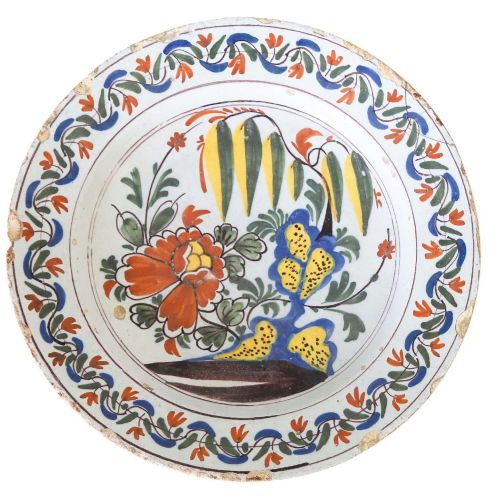
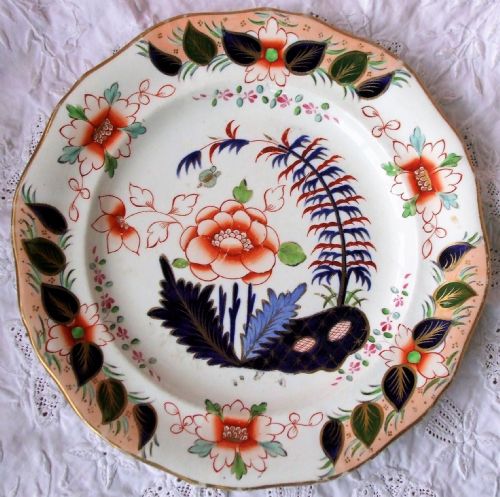
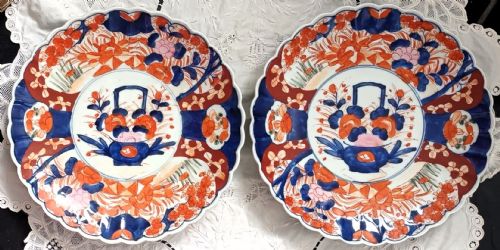
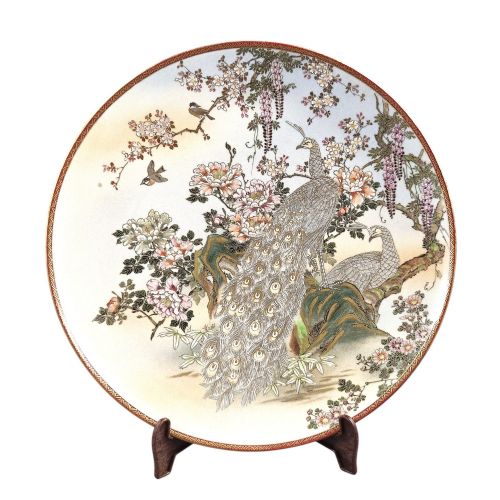
A floral ceramic wall charger functions primarily as a decorative display dish, measuring larger than standard dining plates and designed to be mounted on walls or placed on cabinets. When searching for a floral ceramic wall charger, buyers encounter significant examples originating from Japanese Meiji and Edo periods, alongside eighteenth-century Dutch and English delftware.
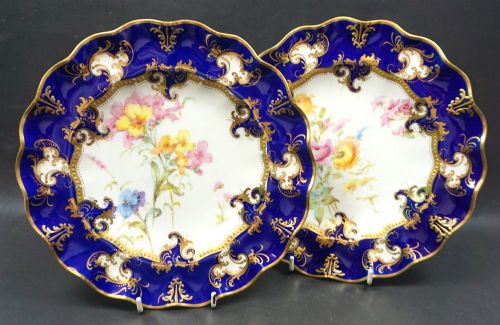
The physical forms span broad charger plates, deep cabinet plates and decorative dishes with scalloped or rounded edges. These items cross multiple centuries, stretching from early eighteenth-century pieces through the Victorian era and into the early twentieth century.
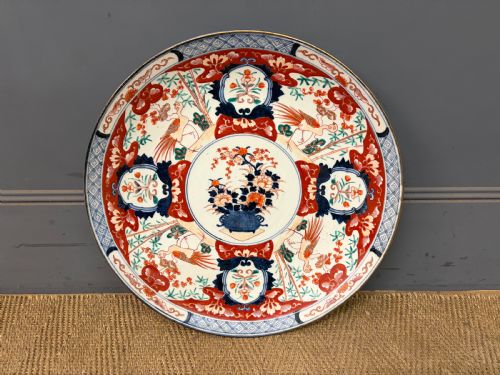
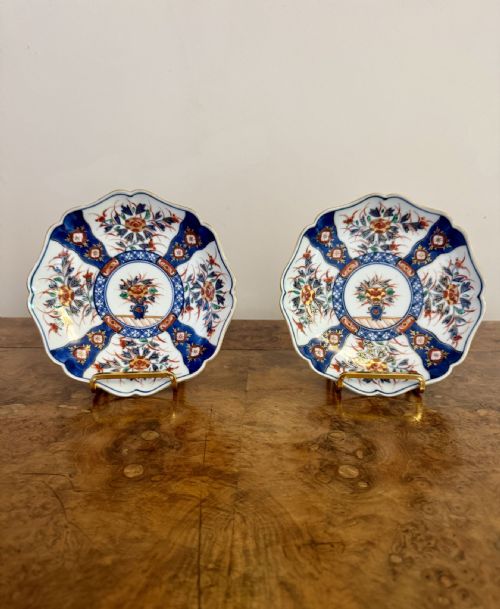
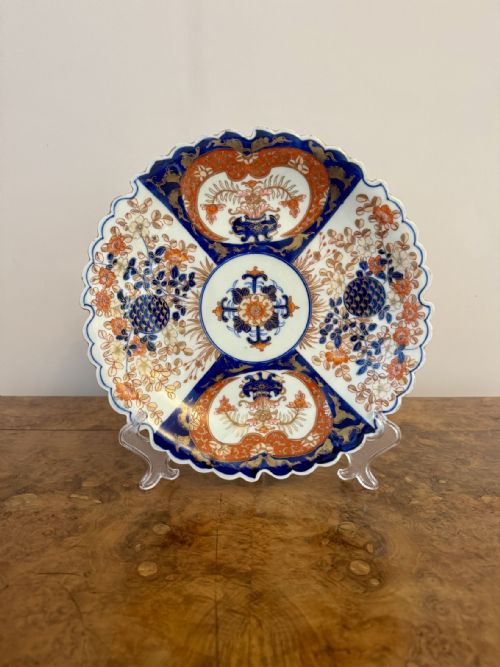
Japanese Imari styles dominate the selection, bringing cobalt pigment and contrasting iron-red motifs to porcelain and earthenware bodies. Alongside these, buyers find Chinese blue and white porcelain alongside English polychrome delftware bearing hand-painted floral decoration.
Materials and production methods
Potters shaped these large display vessels using porcelain, earthenware, and ironstone bodies, applying glaze to seal the surface before firing. Artisans utilised cobalt pigment beneath the glaze alongside hand-painted polychrome enamel details to build complex botanical patterns.
Selected pieces incorporate gold leaf and gilt highlights over the glaze, adding reflective depth to the painted motifs. Master painters executed floral designs freehand, depicting peonies, wisteria and abstract botanical arrangements directly onto the ceramic surface.
Listings feature ceramics spanning the eighteenth, nineteenth, and early twentieth centuries, incorporating porcelain, earthenware, glaze, and gold leaf.
Distinctions in quality
Quality rests on the crispness of the hand-painted brushwork and the vibrancy of the cobalt pigment and enamel colours. Superior pieces display precise detailing in complex floral scenes, whereas lesser examples show rushed or formulaic brush application.
The clarity of the porcelain or earthenware body and the evenness of the glaze application also separate standard production from finer cabinet pieces. Intact gilding and stable enamel adherence further elevate the standing of antique specimens.
John Ford·John Davenport of Longport·Pucher Deroche
The Floral Ceramic Wall Charger Glossary
- Charger
- A large decorative plate traditionally used for display rather than service at the table. These substantial pieces form the focal point of wall displays.
- Imari
- A Japanese style of porcelain decorated in underglaze blue, iron red, and gilt. The palette remains vibrant across centuries of production.
- Delftware
- Tin-glazed earthenware produced in England and the Netherlands, typically featuring painted blue motifs on a white background. It developed as a European response to imported Chinese porcelain.
- Cabinet Plate
- A fine ceramic plate intended for display in a cabinet or on a wall rather than dining use. These often carry detailed armorial crests or specialised floral painting.
- Satsuma Moriage
- Japanese pottery featuring raised enamel decoration that creates a textured, tactile surface. Floral and avian subjects frequently appear in this technique.
Floral Ceramic Wall Charger: Frequently Asked Questions
How do I hang a wall charger safely?
Displaying a large ceramic dish safely requires a dedicated spring-loaded wall hanger that distributes weight evenly across the rim. Ensure the mounting fixings match the wall type before placing the piece.
Avoid hanging chargers in areas subject to direct sunlight or dramatic temperature fluctuations. Routine dusting with a soft cloth keeps the glazed surface clean without risking abrasion.
What is the difference between Imari and delftware?
Imari pieces originate from Japan and utilise a distinct palette of cobalt blue, iron red, and gold leaf on a porcelain body. The designs lean heavily into intricate floral and geometric patterns.
Delftware represents European tin-glazed earthenware, most commonly associated with Dutch and English workshops. It relies primarily on cobalt blue pigments painted onto an opaque white tin glaze.
Were these chargers used for dining?
Most large chargers served a decorative function rather than a practical dining purpose, often displayed on sideboards or walls. Their generous scale made them ideal for showing off elaborate hand-painted craftsmanship.
Smaller cabinet plates and dishes within the same categories were similarly kept for visual appreciation. Their survival in good condition owes much to this non-utilitarian history.
How can I tell an eighteenth-century piece from a later one?
Early pieces from the eighteenth century often display subtle imperfections in the glaze, variations in the cobalt blue tone, and hand-thrown potting irregularities. The weight and footring construction also offer clues to the period of manufacture.
Nineteenth and twentieth-century reproductions or later traditions generally exhibit more uniform bodies and standardised glaze finishes. Comparing the crispness of the hand-painted floral motifs helps clarify the age.