
Floral Accent Table
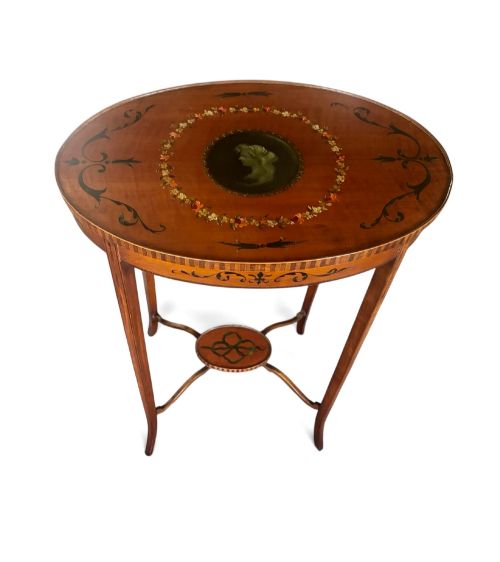
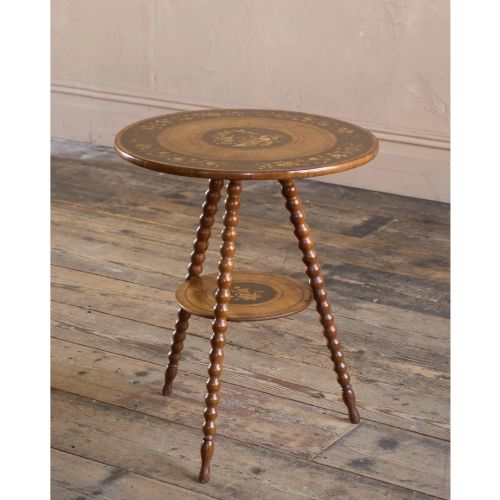
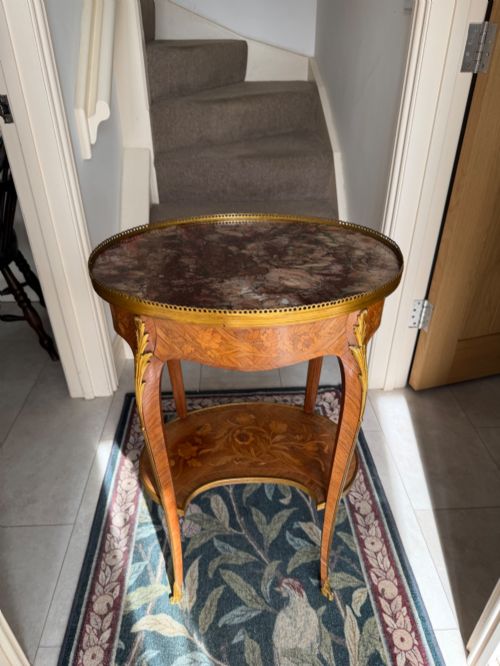
A floral accent table brings botanical marquetry and painted blooms onto walnut, satinwood, and kingwood surfaces.
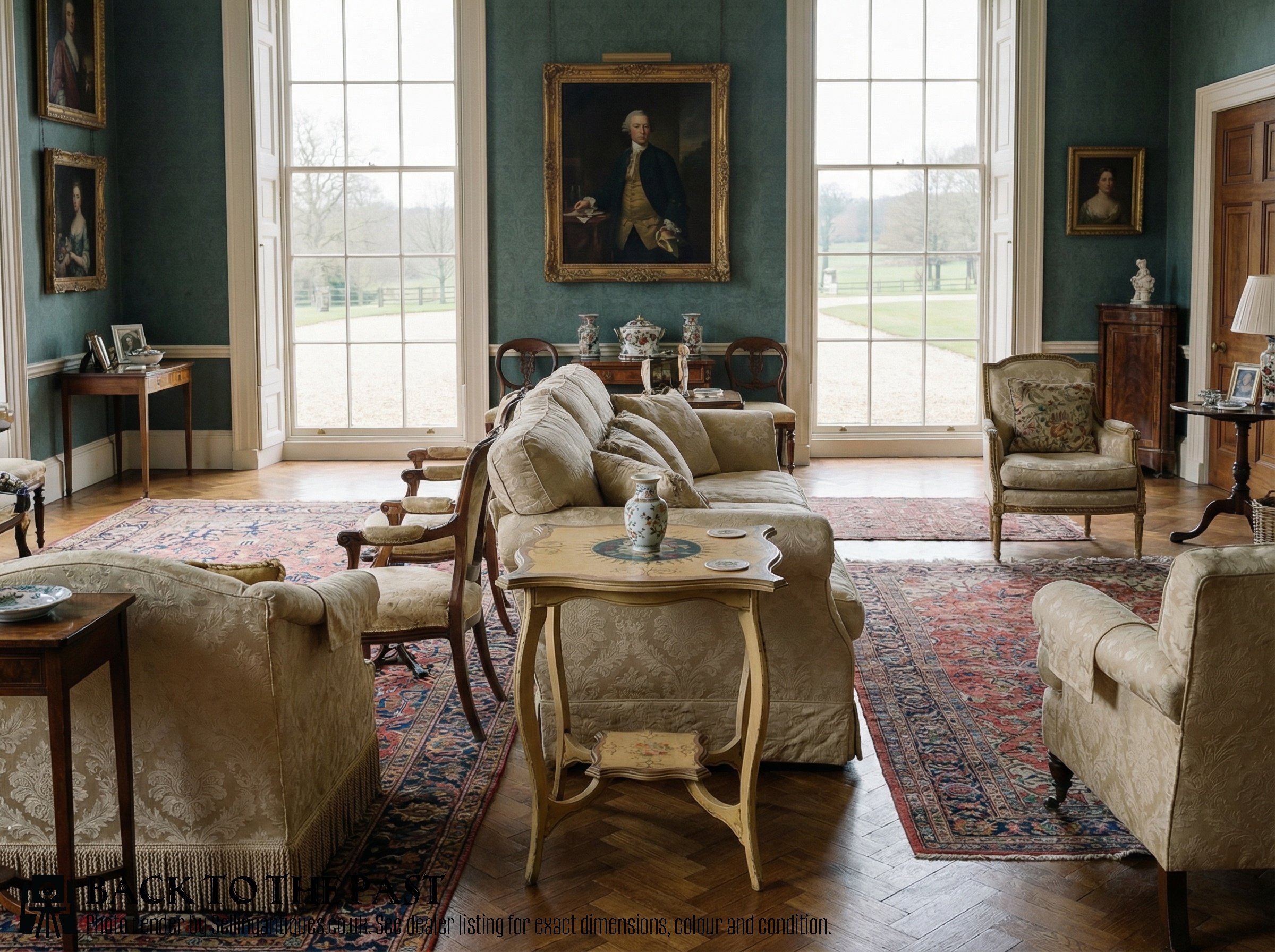
Floral Accent Table
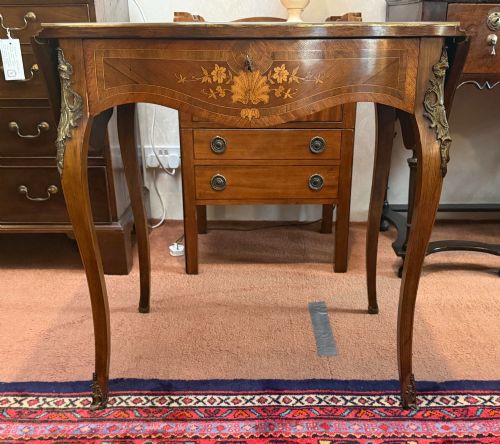
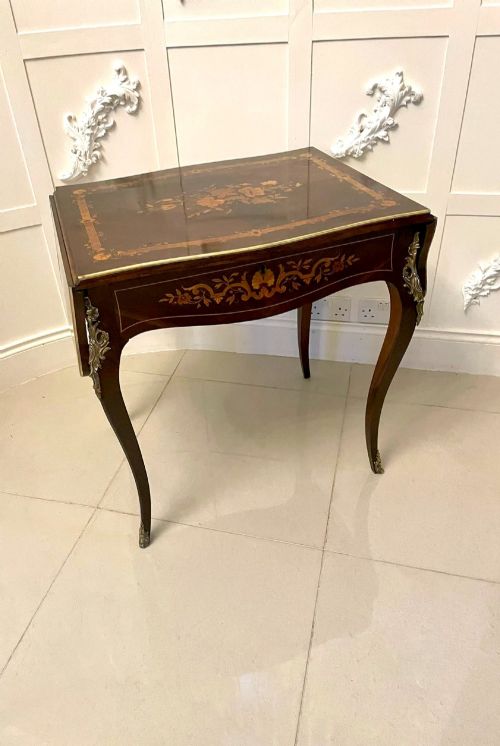
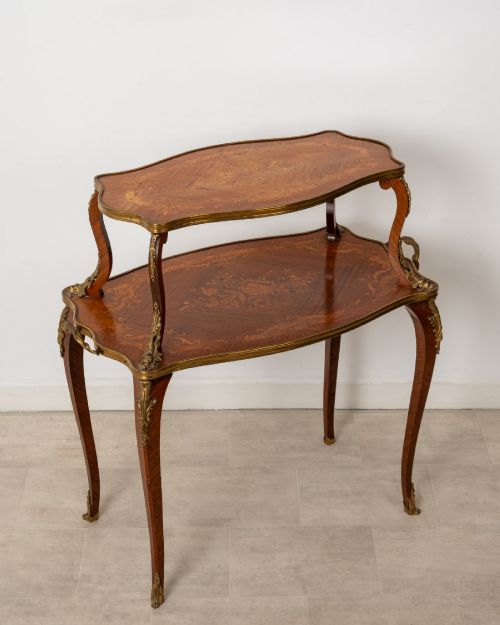
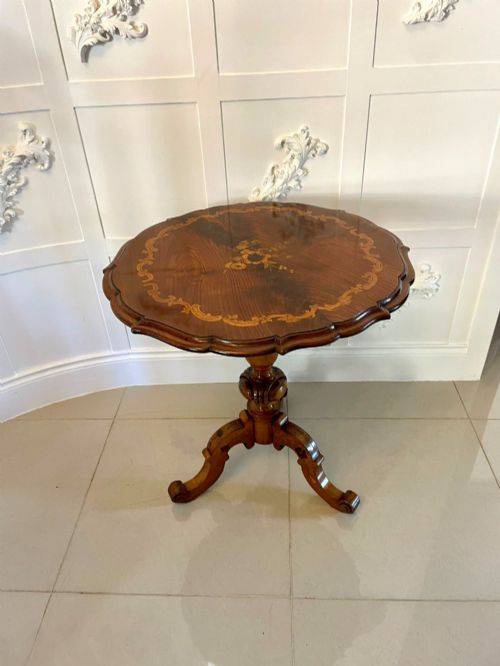
A floral accent table encompasses side tables, occasional tables, centre tables, and plant stands produced across the nineteenth and early twentieth centuries. These pieces appear in forms such as Sutherland tables, étagères, and drop-leaf formats, originating from English, French, Italian, Dutch, and Indian workshops.
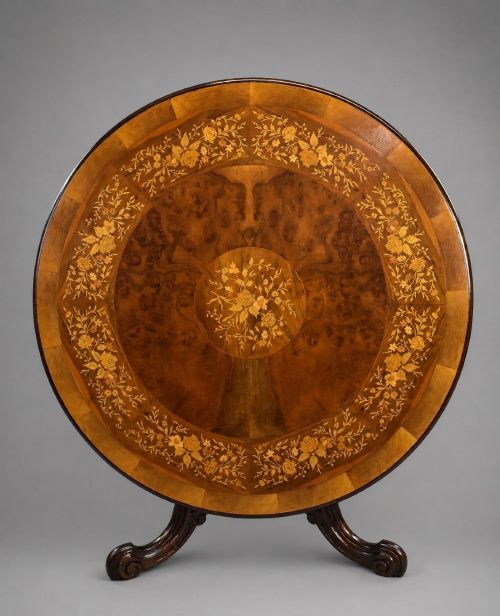
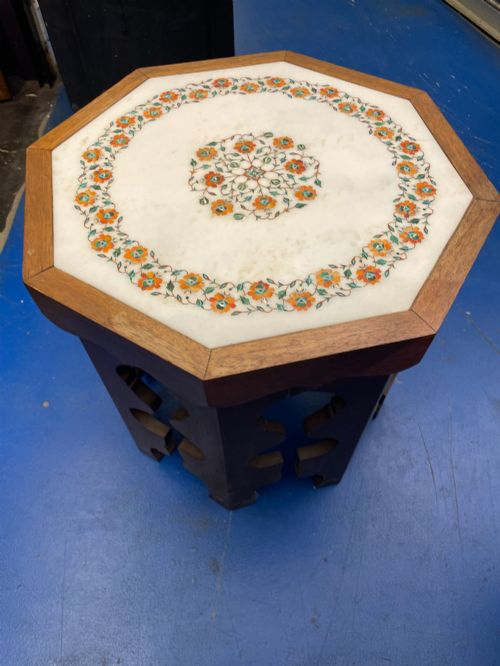
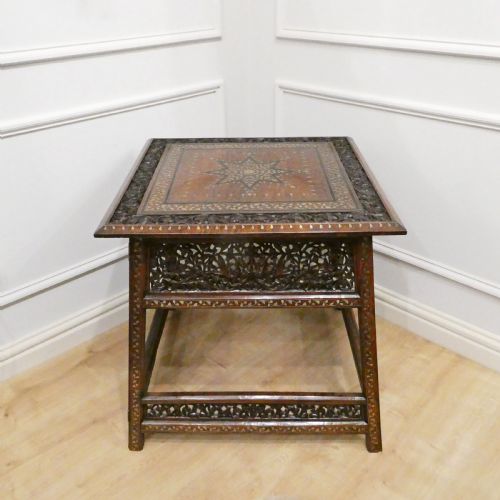
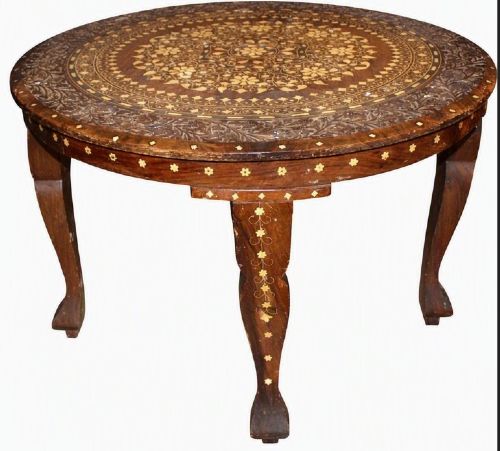
Buyers seeking this phrase encounter surfaces adorned with floral marquetry, bone inlay, or hand-painted botanical decoration. The selection ranges from Victorian burr walnut designs to Edwardian satinwood pieces and Anglo-Indian carved tables.
How they were made
Cabinetmakers utilised dense timbers like walnut, rosewood, kingwood, and satinwood as foundations for intricate wood veneers. Marquetry panels combined contrasting timbers to delineate floral stems and petals.
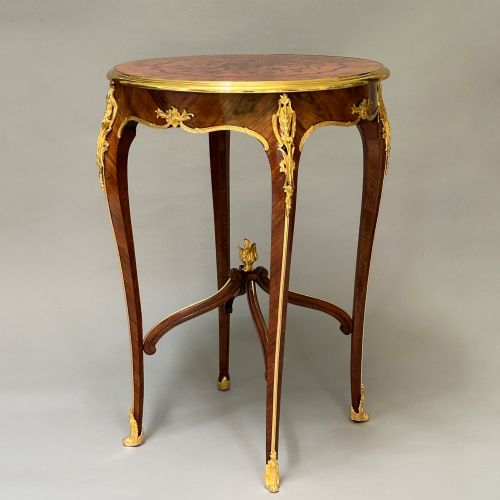
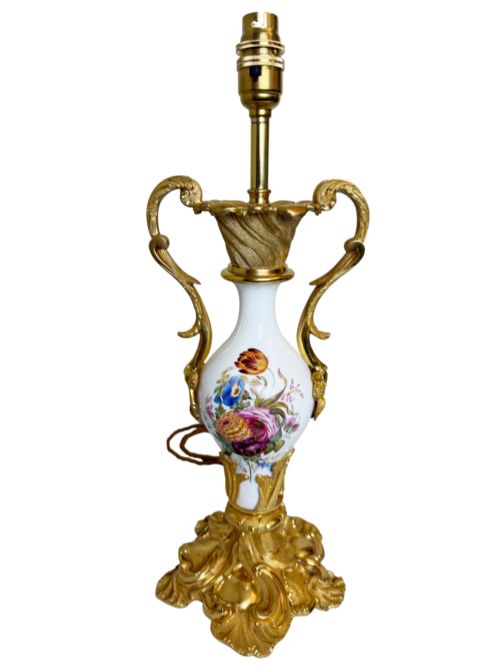
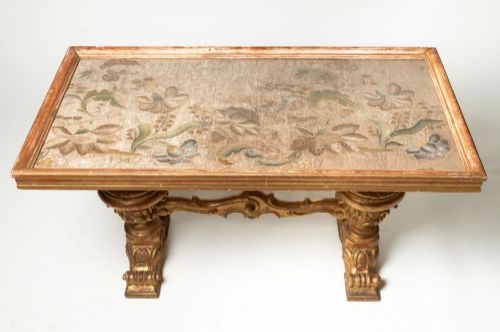
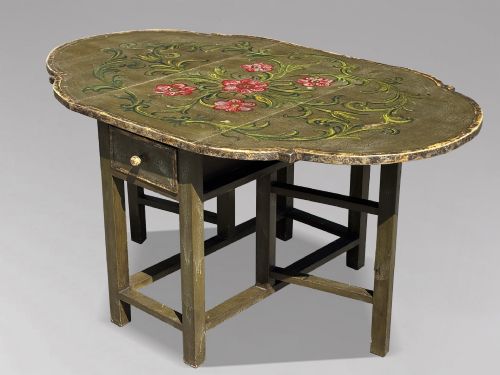
Decoration extended beyond wood veneers to include polychrome paint, brass and bone inlay, and gilt bronze or ormolu mounts. Carving appeared on linden wood and hardwood frames, while specific regions employed detailed surface painting on green or gold grounds.
Listings feature pieces spanning the nineteenth and early twentieth centuries, constructed from walnut, satinwood, kingwood, brass, and painted wood.
What varies in quality
The sophistication of the floral depiction dictates the standing of a piece, separating simple surface decoration from complex, multi-timber marquetry shading. Fineness in the hand-cutting of veneers and the crispness of carved wooden or bone details define superior execution.
The choice of primary and secondary timbers contributes to distinction, alongside the integration of cast ormolu mounts and authentic period hardware. Structural integrity within drop-leaf actions, tilt-top mechanisms, and multi-tier étagères reflects workshop competence.
Liberty & Co·Edwards & Roberts·Royal Worcester
The Floral Accent Table Glossary
- Marquetry
- The art of forming decorative patterns by fitting together small pieces of veneer into timber surfaces. This technique creates the floral motifs seen on table tops.
- Kingwood
- A dense, richly figured timber utilised in French and English cabinet making during the nineteenth century. Its dark grain provides contrast in inlaid table designs.
- Étagère
- A set of open shelves for small objects, often freestanding and mounted in ormolu. These tiered pieces frequently incorporate floral marquetry panels.
- Sutherland table
- A narrow drop-leaf table with folding leaves supported by swing legs. Victorian examples often display burr walnut and floral marquetry.
- Ormolu
- Gilded bronze mounts applied to furniture edges and legs. This decorative metalwork complements kingwood and mahogany surfaces.
Floral Accent Table: Frequently Asked Questions
Where should I place a floral accent table?
These tables function well as side pieces next to seating or as freestanding centre tables in a room. Their decorative tops suit locations where light highlights the wood grain and floral inlay.
Psmaller occasional tables and plant stands adapt easily to corners or entryways without crowding the floor plan.
How do I care for antique marquetry?
Keep wooden surfaces away from direct heat sources and strong sunlight to prevent the timber veneers from drying and lifting. Regular dusting with a soft, dry cloth preserves the polished finish.
Apply occasional natural wax suitable for antique furniture to maintain the moisture and sheen of walnut and satinwood.
What is the difference between marquetry and painted decoration?
Marquetry involves inlaying thin slices of various coloured woods into a solid ground to construct the floral image. This method relies on natural timber tones and grain direction.
Painted decoration uses pigments applied directly onto the wood or prepared gesso surface, frequently seen on satinwood or green-ground occasional tables.
How do I identify a Victorian piece?
Victorian tables often feature dark walnut timbers, burr walnut veneers, and heavy use of floral marquetry across Sutherland or tilt-top formats. Construction methods typically show period-appropriate joinery beneath the top.
Comparing the turned legs and overall proportions helps distinguish these nineteenth-century examples from later Edwardian satinwood variations.