





Flight Barr Barr Ceramic
Flight barr barr ceramic pieces are fine porcelain items from the Georgian and Regency periods, prized by collectors for their intricate handpainting and historic Worcester manufacture.
Flight Barr Barr Ceramic
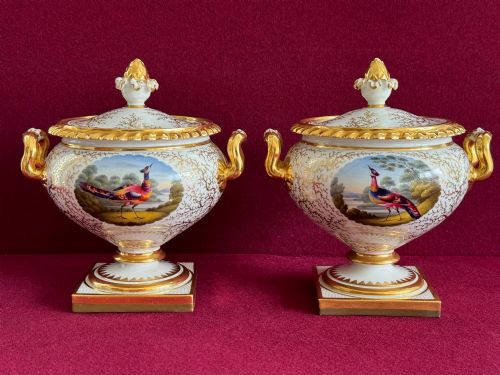
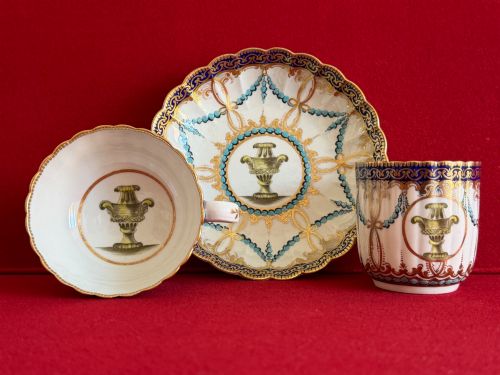
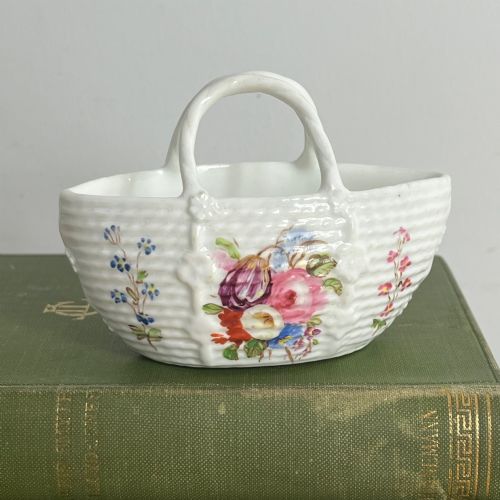
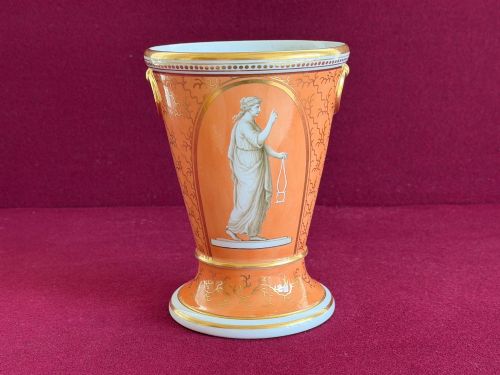
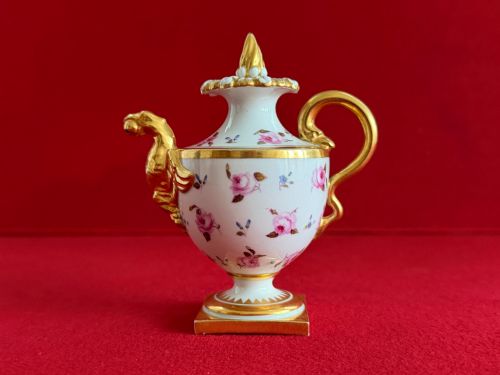
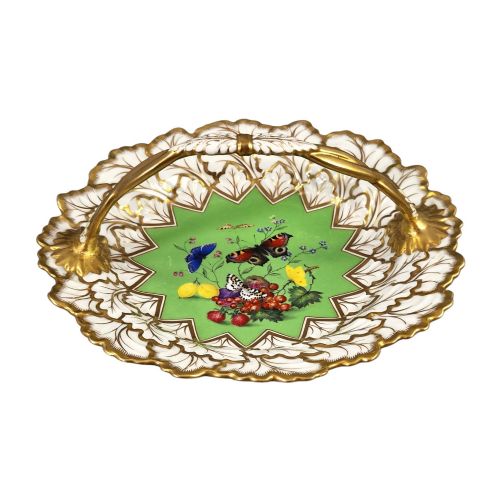
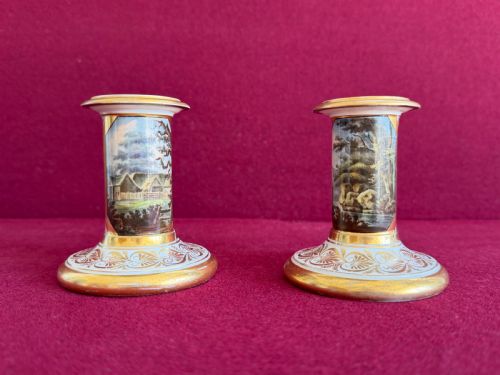
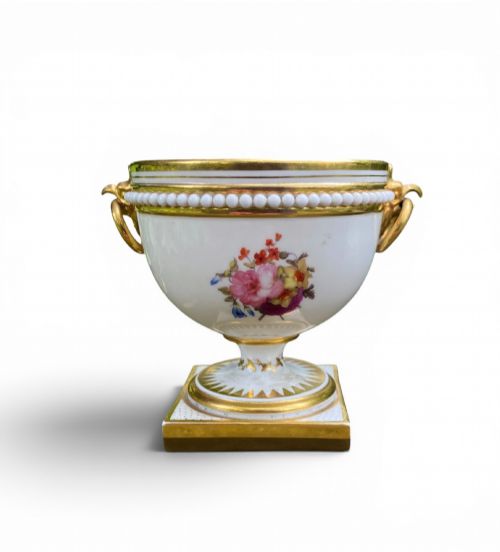
Flight barr barr ceramic pieces encompass a variety of decorative and utilitarian forms produced by the historic Worcester factory during the Georgian and Regency eras. Collectors encounter diverse objects ranging from cabinet plates and teacups to larger garnitures, jardinieres, and rose water sprinklers.
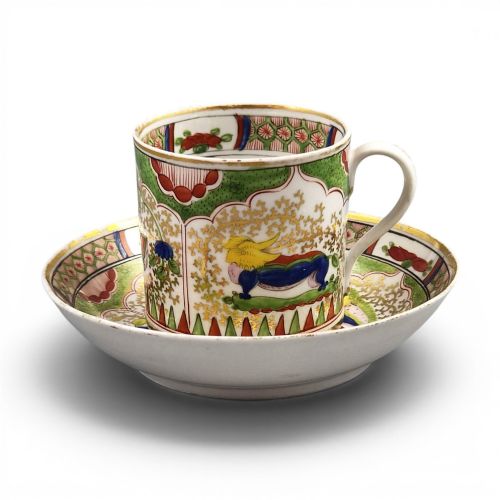
The pieces on this page heavily reflect the distinct aesthetic tastes of the early nineteenth century, including grand Regency designs and Georgian neoclassical styles. Many items showcase specialised patterns such as the Japanese-inspired Dragon in Compartments or topographical scenes painted by notable artists like Samuel Astles.
Materials and production
Makers utilised high-quality porcelain and soft-paste porcelain bodies as the foundation for these elaborate forms. Artisans then applied detailed enamel colours and handpainted motifs directly onto the glazed ceramic surface.
Gold leaf, gilt, and heavy gilding were frequently added to accent handles, rims, and borders. These metallic elements were meticulously fired and burnished to provide a brilliant contrast against the painted enamel designs.
Listings feature porcelain forms from the Regency and Georgian eras, spanning the years 1800 to 1830.
Assessing quality
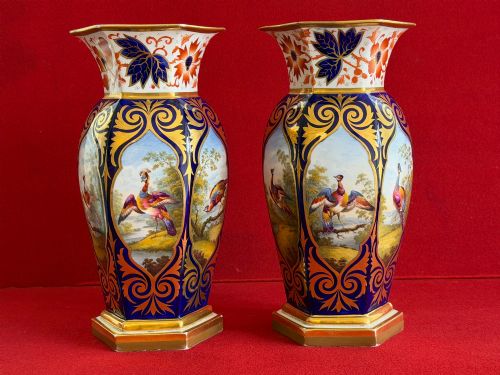
Quality in these ceramics depends significantly on the ambition of the form and the precision of the handpainting. Elaborate objects like ice pails, inkstands, and matched pairs of vases demonstrate higher artisan skill than standard tableware.
The refinement of the gilding and the complexity of patterns, such as multi-figure Japanese-style scenes or named topographical views, distinguish finer cabinet pieces from simpler production items.
Flight Barr And Barr·Barr Flight And Barr·Flight And Barr
The Flight Barr Barr Ceramic Glossary
- Porcelain
- A fine, hard, white ceramic material fired at high temperatures. It forms the base body for all Worcester factory wares.
- Gilt
- A thin layer of gold applied to the surface of the ceramic. This technique adds decorative borders and highlights to handles and rims.
- Jardiniere
- An ornamental pot or receptacle designed to hold plants or flowers. These vessels often feature substantial proportions and decorative handles.
- Garniture
- A set of matching ceramic vases or vessels designed to be displayed together on a mantelpiece or sideboard.
- Coffee Can
- A cylindrical ceramic cup without a handle, popular for serving strong coffee during the Georgian and Regency periods.
Flight Barr Barr Ceramic: Frequently Asked Questions
What is flight barr barr ceramic?
Flight barr barr ceramic refers to porcelain items manufactured by the famous Worcester firm under the Flight, Barr and Barr partnership during the early nineteenth century.
These pieces include decorative tableware, vases, and serving vessels characterised by fine handpainting and rich gilding.
How do I date these pieces?
Dating relies on identifying specific periods such as the Georgian and Regency eras, alongside factory partnerships marked on the bases.
Changes in porcelain bodies and decorative styles from around eighteen hundred to eighteen twenty help narrow the production window.
Were these items used daily?
Many items like tea cups, saucers, and plates were made for dining and social rituals in prosperous households.
Other forms such as jardinieres, inkstands, and garniture vases served primarily as decorative ornaments for display.
What are common patterns?
Common decorative motifs include Japanese-inspired designs like the Dragon in Compartments and delicate floral sprays.
Topographical views and exotic birds also appear frequently on cabinet plates and dessert services.