
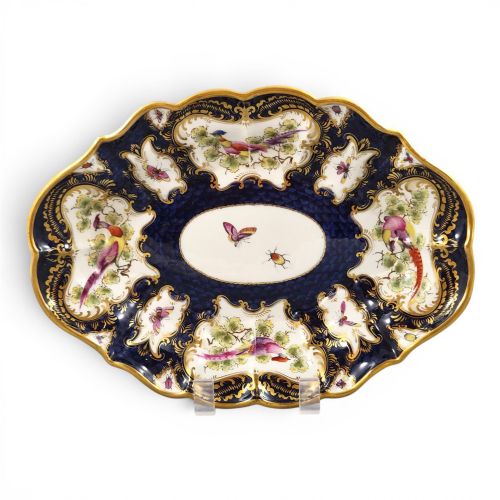


Gold Gilt Dessert Plate
These gold gilt dessert plate pieces bring hand-painted elegance to the table, uniting period porcelain with lavish gilding.
Gold Gilt Dessert Plate
A gold gilt dessert plate is a decorative or service piece designed for the final course of a formal meal, frequently appearing alongside cabinet plates and decorative dishes. When exploring this selection, buyers encounter forms spanning the Georgian, Regency, Victorian, and Edwardian eras, reflecting changing dining habits over more than a century.
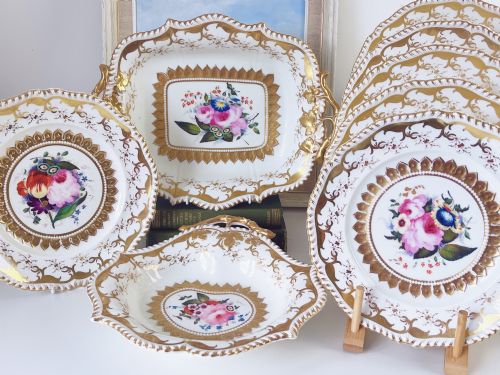
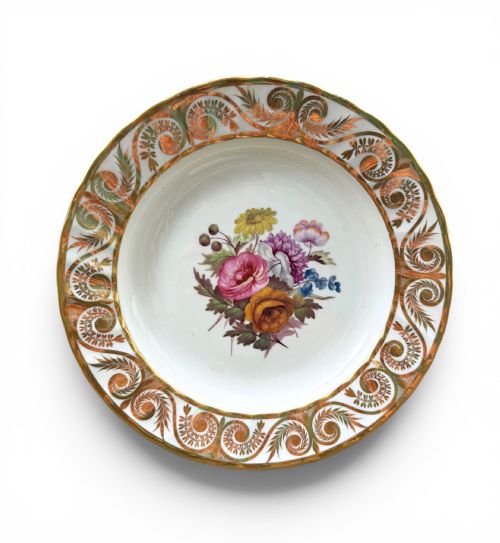
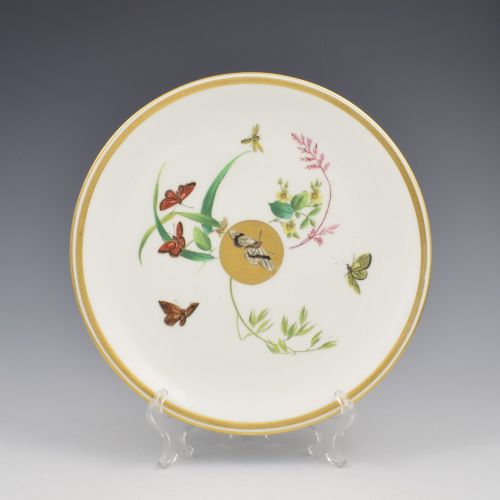
The objects listed here include individual dessert plates, pairs, and portions of larger dessert services originating from notable English and continental factories. Many examples combine rich gilding with hand-painted flora, landscapes, and Japanese-influenced motifs typical of the Aesthetic period.
Materials and Manufacture
These pieces rely on fine ceramic bodies such as porcelain and bone china, which were moulded or thrown before receiving initial glazing and kiln firing. Makers then applied enamel painting by hand, depicting botanical studies, topographical views, and fruit scenes.
Gold leaf, gilt, and deliberate gilding techniques were applied to rims, borders, and central highlights, often requiring a secondary firing to bond the precious metal permanently to the ceramic surface.
Some nineteenth-century diners enjoyed dessert plates hand-painted with local cottages, ensuring they could admire British real estate while eating sponge cake.
Factors That Distinguish Quality
The distinction between standard production and top-tier examples rests largely on the skill of the painting and the complexity of the porcelain body. Plates featuring named artists, detailed botanical studies, or intricate topographical scenes command greater attention than simple factory-standard decoration.
The application and preservation of the gold leaf also define quality, with heavier, burnished gilding indicating superior workshop standards. Furthermore, complete services or matched pairs hold higher significance for collectors than solitary plates.
Grainger Lee And Co·Derby Porcelain·Minton Porcelain·Royal Worcester·Coalport·Flight Barr And Barr·Sevres·Wedgwood
The Gold Gilt Dessert Plate Glossary
- Bone China
- A type of soft-paste porcelain incorporating bone ash, which produces a strong, slightly translucent body suitable for fine tableware. It became a staple material for English potteries during the nineteenth century.
- Cabinet Plate
- A decorative plate intended for display in a cabinet or on a wall rather than for practical dining use. These often feature elaborate hand-painted scenes and rich gilding that would risk damage during regular meals.
- Gilding
- The application of gold leaf or powdered gold to the surface of porcelain to create decorative borders and highlights. Hand-applied gilding was frequently burnished to achieve a bright, reflective finish.
- Dessert Service
- A coordinated set of plates and dishes created for serving fruit, sweets, and pastries at the conclusion of a formal dinner. Surviving services often comprise varied numbers of individual plates and larger comports.
Gold Gilt Dessert Plate: Frequently Asked Questions
What are gold gilt dessert plates used for?
These pieces were originally produced to serve dessert courses during formal nineteenth and early twentieth-century dining occasions.
Today, collectors primarily use them as decorative cabinet plates or display items to showcase period ceramic artistry.
How do I identify a Victorian dessert plate?
Victorian examples often display eclectic revival styles, such as French Rococo Revival or Aesthetic Movement Japanese influences.
They frequently feature vibrant enamel colours and heavy gilding applied over standard nineteenth-century porcelain bodies.
Are these plates meant for daily dining?
Most surviving antique dessert plates are too delicate and historically significant for regular daily use.
Hand-painted enamels and burnished gold leaf can wear down with frequent washing and cutlery contact.
How can I tell Georgian plates from Edwardian ones?
Georgian and Regency pieces tend to feature hand-painted botanical or topographical studies within restrained neoclassical or early revival borders.
Edwardian items often showcase brighter printed or painted fruit motifs, alongside broader, more uniform porcelain forms.