



Flatwoven Tribal Carpet
These pieces of flatwoven tribal carpet bring nomadic geometry and vegetable dyes directly into domestic interiors through centuries of tradition.
Flatwoven Tribal Carpet
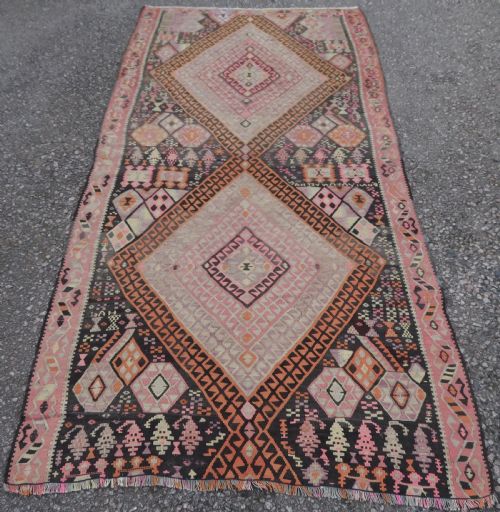
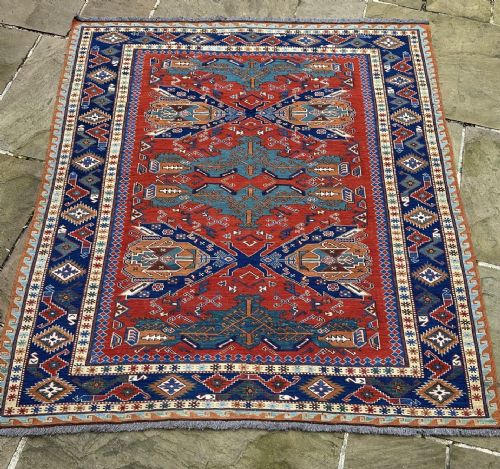
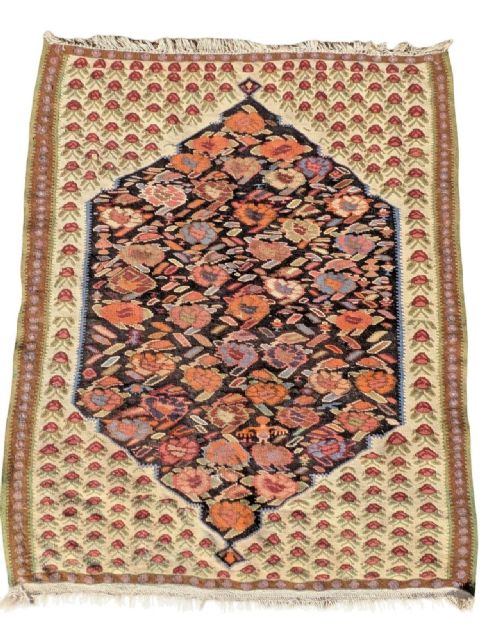
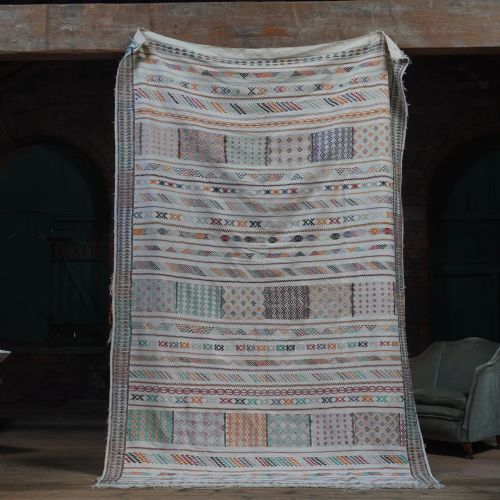
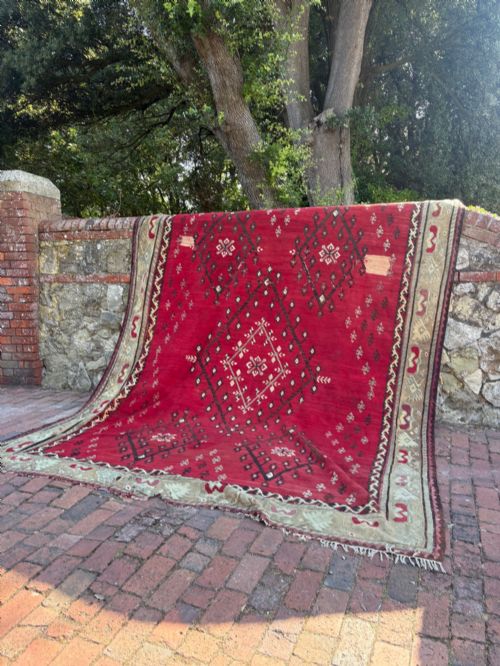
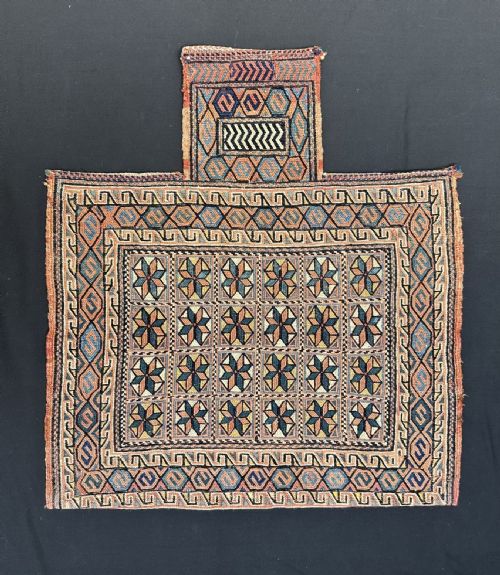
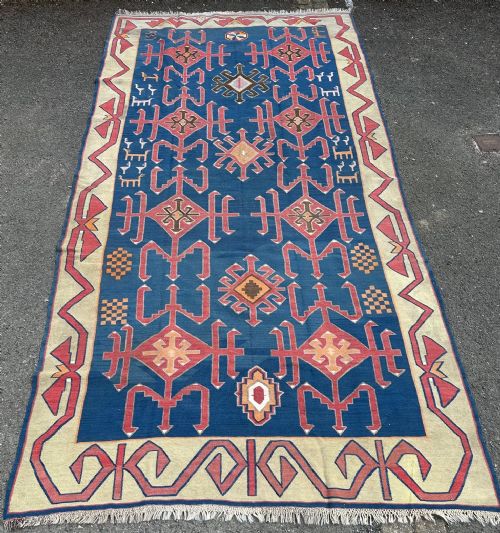
A flatwoven tribal carpet represents the utilitarian textiles produced by nomadic and village weavers across Persia, the Caucasus, Anatolia, and Central Asia. These items include large room-sized carpets, runners, prayer rugs, and functional storage containers such as mafrash panels and salt-bags.
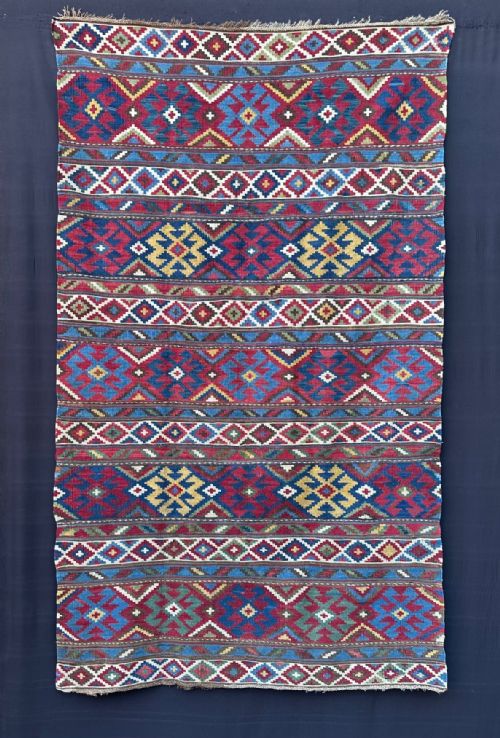
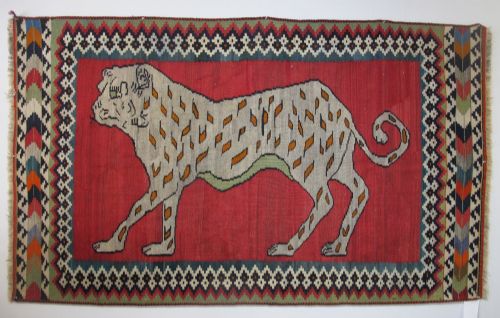
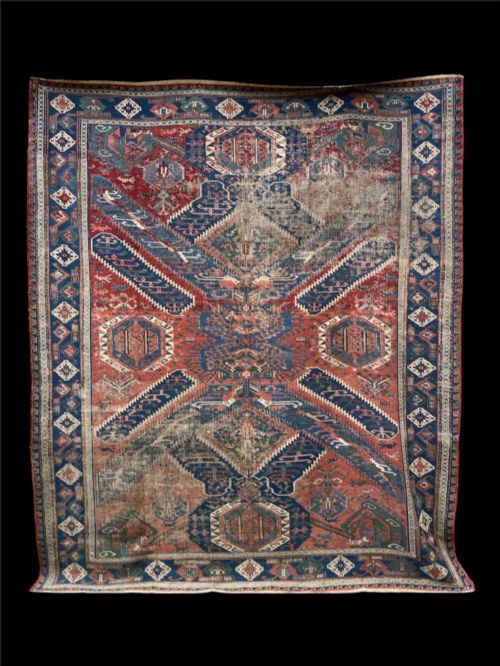
The versions most commonly met on this page span the late nineteenth century into the mid-twentieth century, featuring regional designs associated with groups like the Qashqai, Afshar, Shahsavan, Yomut, and Uzbek peoples. Their patterns rely on geometric repeats, medallions, and banded layouts rather than floral court designs.
These textiles function well as floor coverings or wall hangings, bringing distinct tribal motifs and regional wool characteristics into modern living spaces. Each piece reflects the specific weaving grammar of the district where it was knotted or flatwoven.
Materials and construction methods
The foundation of a flatwoven tribal carpet relies primarily on hand-spun wool and cotton, sometimes supplemented by camel wool, camel hair, or sabra cactus fibre. Weavers interlace warp and weft threads using slit-tapestry or soumak wrapping techniques to build durable, pileless structures.
Natural dyes provide the palette, yielding soft reds, indigos, and muted earth tones that age through oxidation and light exposure. Selected pieces incorporate mixed techniques, combining flatweave structures with supplementary weft wrapping to create textured geometric surface details.
Listings feature flatweaves spanning from the nineteenth century through the mid-twentieth century, constructed from hand-spun wool, cotton, and camel hair.
Factors influencing quality and structure
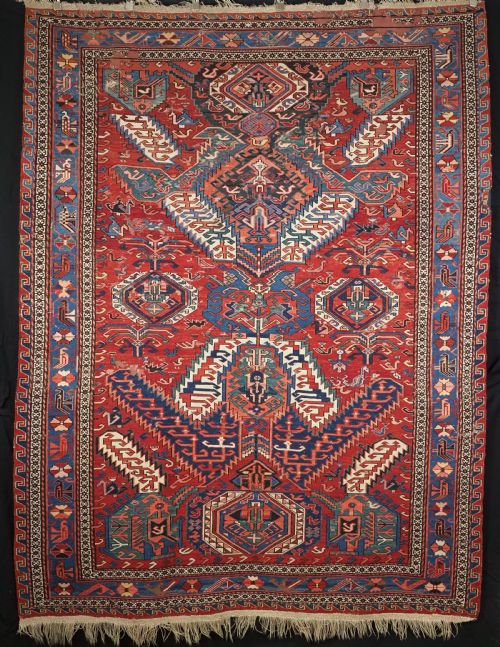
Quality in a flatwoven tribal carpet emerges from the tightness of the weave, the handling of the yarn, and the complexity of the regional design execution. Finer weaves allow for sharper graphic definition in motifs like dragon designs, medallions, or banded stripes.
The integrity of the material selection, particularly hand-spun wool combined with stable natural dyes, determines how the textile ages under foot traffic or display. Condition details such as timeworn repairs reflect the working life of these functional objects rather than factory defects.
The Flatwoven Tribal Carpet Glossary
- Kilim
- A flatwoven carpet or rug produced without a pile by tightly interweaving warp and weft strands. This technique creates a lightweight, reversible textile suitable for floors or wall hanging.
- Soumak
- A brocading technique where coloured weft threads wrap around the warp yarns in patterns, producing a textured surface with floating threads on the reverse. It yields a heavier and more rigid structure than standard tapestries.
- Mafrash
- A rectangular storage bag or chest panel used by nomadic tribes for bedding and household goods. These pieces are often disassembled and preserved as flat textiles or small rugs.
- Sofreh
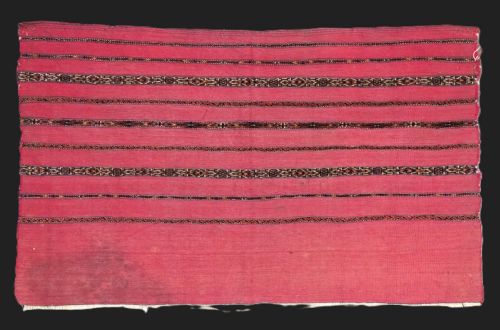
- A spread or cloth utilised for eating, dough preparation, or ritual meals among nomadic communities. They feature specific tribal iconography centered around domestic life.
- Warp
- The stationary vertical threads stretched on a loom that form the structural foundation of the textile. Weft threads are passed horizontally through these yarns to create the pattern.
Flatwoven Tribal Carpet: Frequently Asked Questions
How do I clean a flatwoven tribal carpet?
Gentle surface vacuuming without a beater bar removes loose dust and debris from the weave. Professional textile cleaning tailored to antique wool is recommended for deeper maintenance.
Water washing should be approached with caution to prevent dye bleed in pieces dyed with natural pigments. Regular rotation ensures even wear across high-traffic areas.
Where were these carpets originally made?
Nomadic and village weavers produced these textiles across regions including South Persia, the Caucasus, Anatolia, and Central Asia. Specific tribes such as the Qashqai, Afshar, and Yomut Turkmen developed distinct regional design vocabularies.
Geographic origins dictate the specific palette, wool quality, and structural geometry found in each individual textile. Local environmental conditions influenced the availability of materials like camel hair and natural dye stuffs.
Can I use a flatwoven carpet on the floor?
These sturdy flatweaves function effectively as floor coverings when paired with a quality rug underlay to prevent sliding. The lack of a pile makes them easy to maintain and suitable for high-traffic zones.
Placing them over a breathable pad protects the antique structure from friction against hard subfloors. They also adapt well to wall display if floor space is limited.
How do I distinguish regional tribal styles?
Caucasian pieces tend to display crisp, angular geometry and structured borders, while Persian tribal weavings often utilise warmer madder reds and medallion layouts. Turkmen and Uzbek work frequently employs repeating guls and banded stripe configurations.
Examining the handling of the wool, side-cord construction, and end finishes helps isolate specific tribal workshops. Comparing colour saturation points toward particular village traditions.