

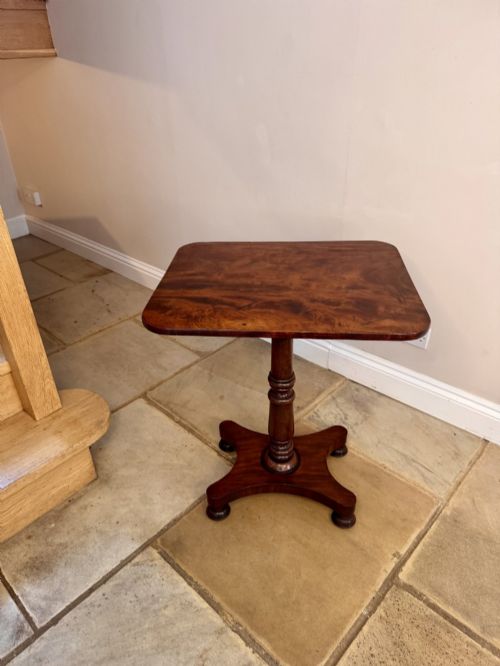
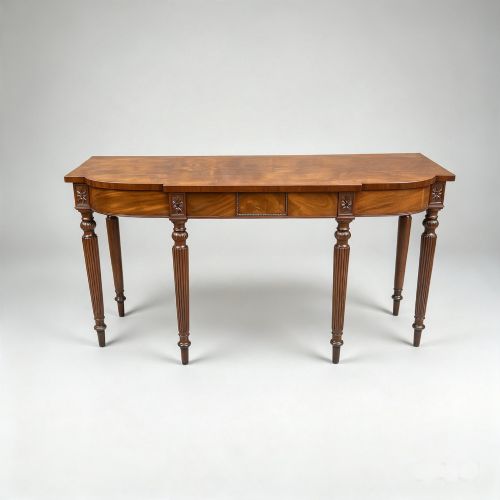
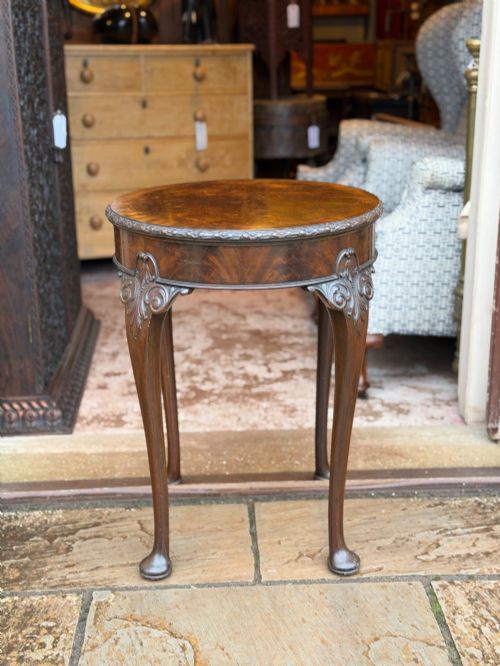
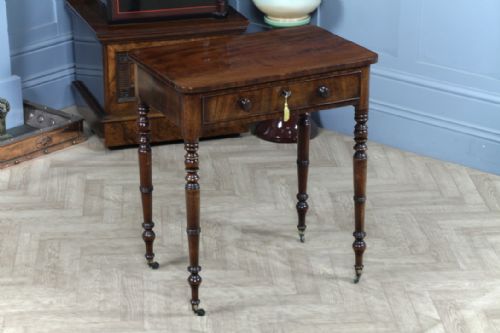
Flame Mahogany Side Tables
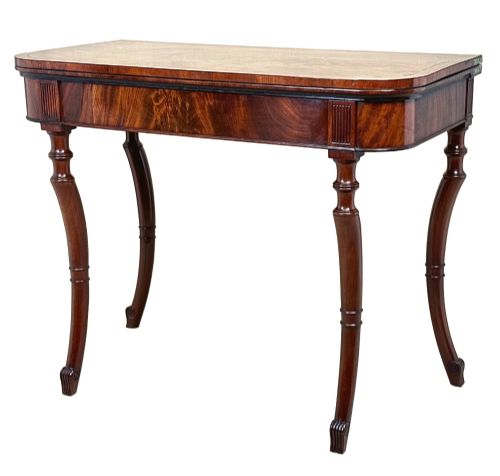
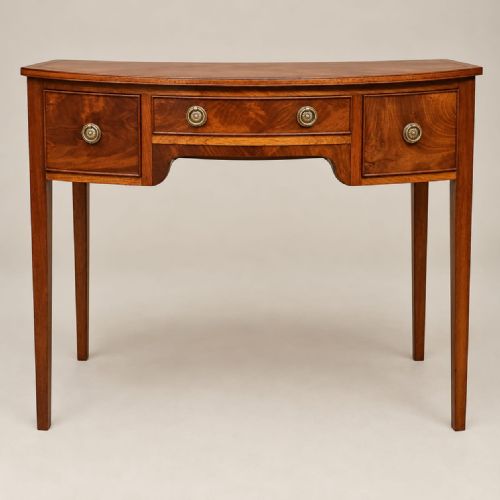
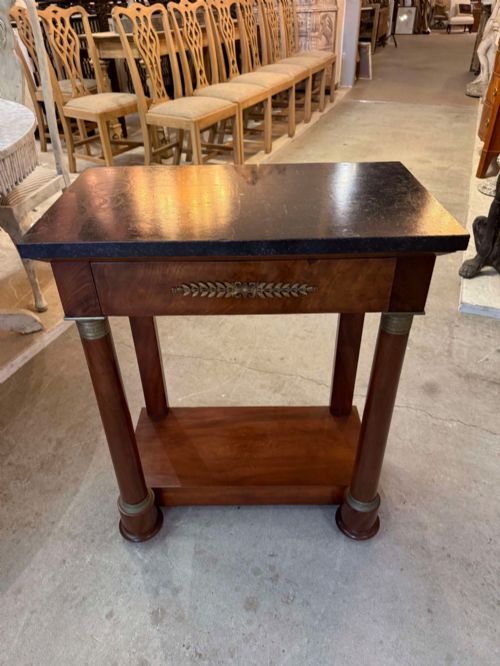
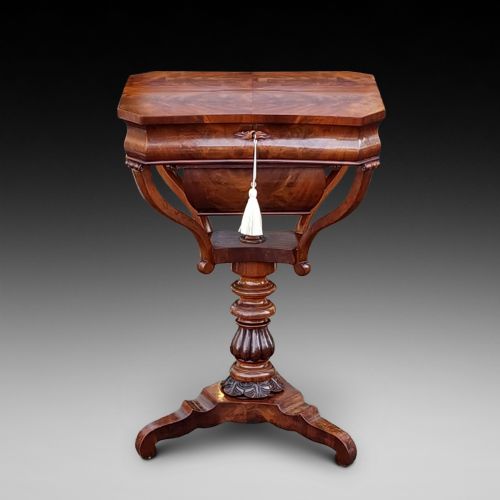
Flame mahogany side tables combine rich, fiery wood grain with practical proportions, offering both utility and strong visual presence.
Flame Mahogany Side Tables
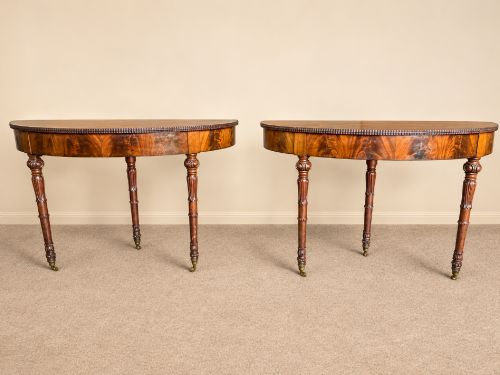
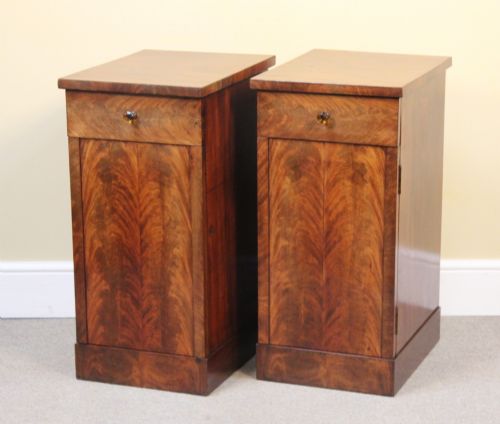
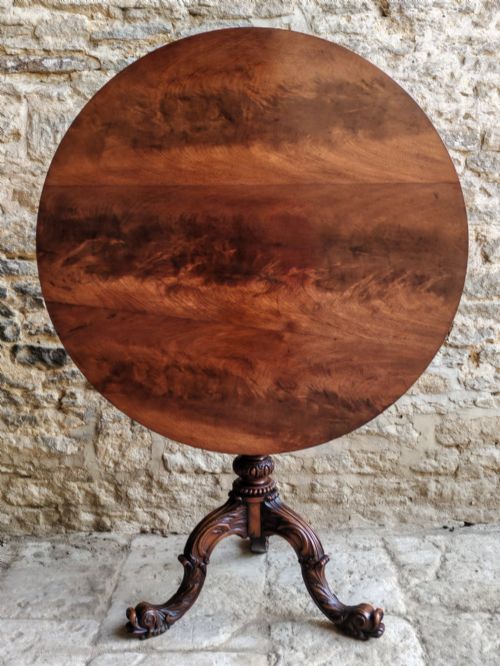
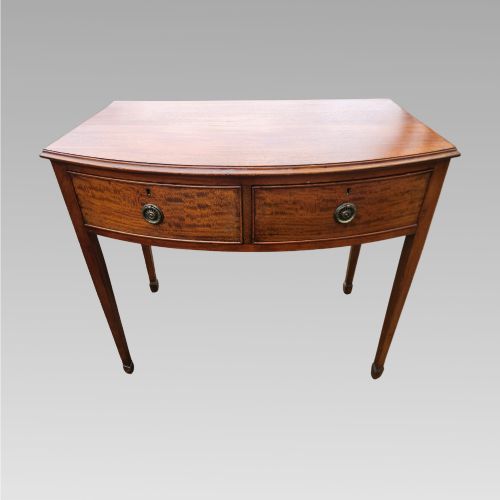
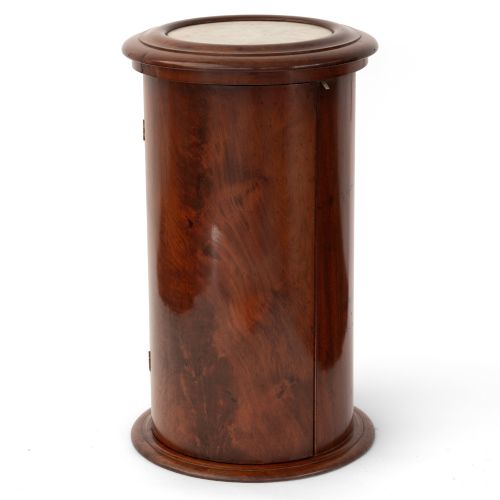
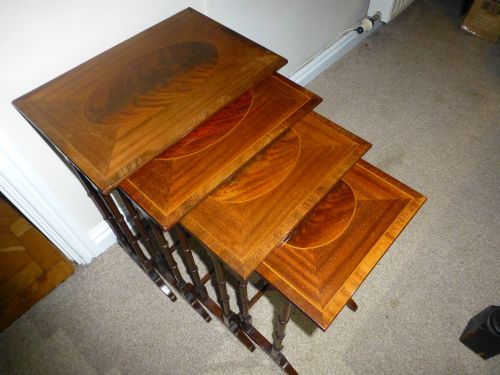
Flame mahogany side tables encompass a variety of occasional, console, and work tables designed for domestic use across multiple historic periods. When exploring flame mahogany side tables, buyers regularly encounter pieces spanning the Georgian, Regency, and Victorian eras.
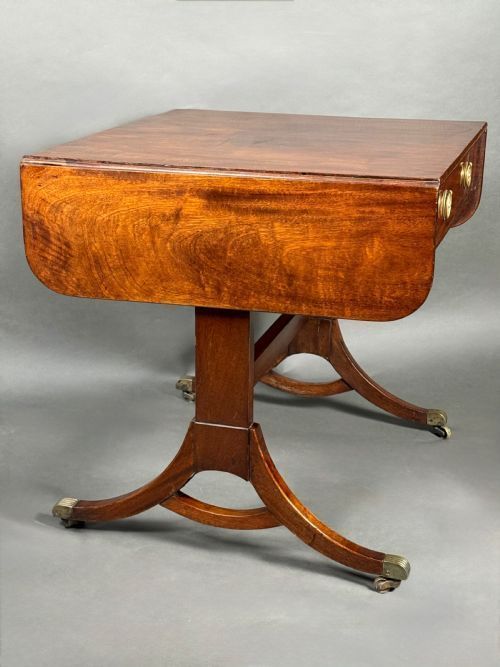
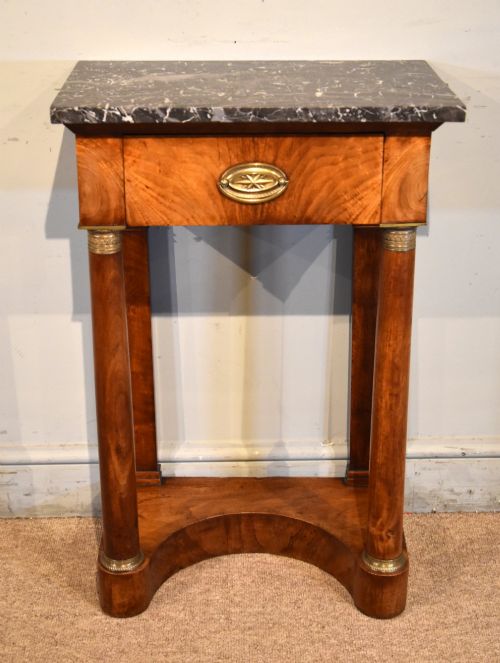
The selection ranges from small lamp tables and tea tables to larger sofa tables and serving tables. Pieces often feature single or multiple drawers, drop leaves, or pedestal bases tailored to specific room layouts.
Originating predominantly from British and French workshops, these tables demonstrate the enduring appeal of figured timber in classical furniture design.
Materials and construction
Cabinet makers utilised solid mahogany for structural frames, legs, and drawer linings, ensuring stability and long-term durability. Artisans applied thin veneers of flame mahogany to tabletops and drawer fronts to showcase the dramatic, swirling grain patterns characteristic of the timber.
Secondary timbers such as satinwood appeared in fine inlay work, while brass fittings, leather inserts, and marble tops added functional and decorative contrast to specific designs.
Flame Mahogany Side Tables Retail Price Guide 2026
Typical asking prices for flame mahogany side tables among the pieces listed under this phrase on Sellingantiques today, from the lower quarter to the upper quarter. They describe what is for sale here now, not the wider market.
Current listings feature mahogany, brass, marble, leather, and satinwood across Georgian, Regency, and Victorian periods.
Evaluating quality and execution
The distinction between tiers of work rests upon the selection of the veneer and the precision of the cabinet maker. Superior examples display symmetrical, highly figured flame patterns that flow seamlessly across surfaces.
Construction details such as dovetailed drawer joints, solid secondary woods, and crisp carving or inlay separate standard utility furniture from pieces produced by premier workshops.
Howard and Sons
The Flame Mahogany Side Tables Glossary
- Flame mahogany
- A veneer cut from the branch junctions of the mahogany tree, producing a distinctive fire-like grain pattern. This timber is prized for its dramatic visual movement.
- Sofa table
- A rectangular occasional table traditionally placed in front of a sofa, featuring drop leaves on either side and usually two small drawers. These tables often possess trestle or pedestal supports.
- Pembroke table
- A small drop-leaf table with hinged flaps on both sides, typically fitted with a single drawer. It was designed for versatility and easy movement around a drawing room.
- Gueridon
- A small French round table supported by a central column or figures, frequently topped with marble. Originating in the seventeenth century, these tables served various decorative and practical roles.
Flame Mahogany Side Tables: Frequently Asked Questions
How were flame mahogany side tables used originally?
These tables served multiple functions in period homes, acting as surfaces for lighting, tea service, or writing. Smaller versions stood beside seating areas, while larger console and serving tables occupied hallways and reception rooms.
Their adaptable forms made them essential items for daily domestic routines, moving easily between rooms as household needs required.
How do I distinguish between Georgian and Victorian examples?
Georgian pieces generally exhibit restrained classical proportions, subtle veneer work, and understated structural elegance. Victorian tables often display bolder, more exuberant forms, deeper colour tones, and heavier pedestal or leg turnings.
Examining the secondary woods inside the drawers and the style of the carving helps confirm the likely period of manufacture.
How do I care for flame mahogany furniture?
Keep wooden surfaces away from direct sunlight and heat sources to prevent the veneer from drying or fading. Regular dusting with a soft cloth maintains the polish without building up residue.
Apply a traditional beeswax polish sparingly to nourish the timber and preserve the depth of the figured grain.
What is the difference between a side table and a console table?
Side tables typically feature four legs and stand freely against any wall, offering general surface space and occasional drawer storage. Console tables are often designed to be secured against a wall and frequently feature decorative wall brackets or front legs only.
Console tables lean towards ornamental display, whereas side tables tend to prioritise functional versatility.