
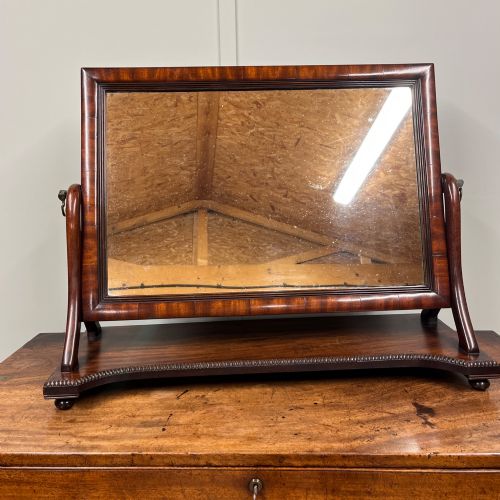

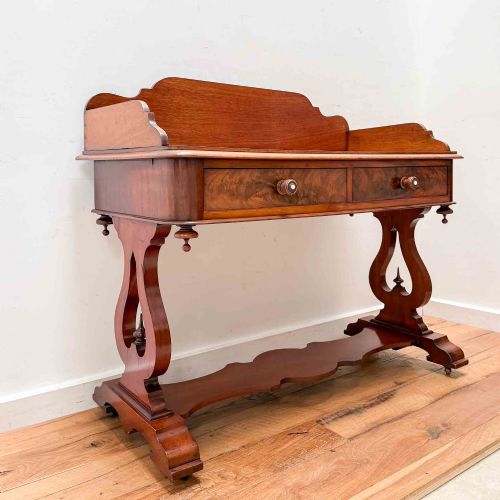

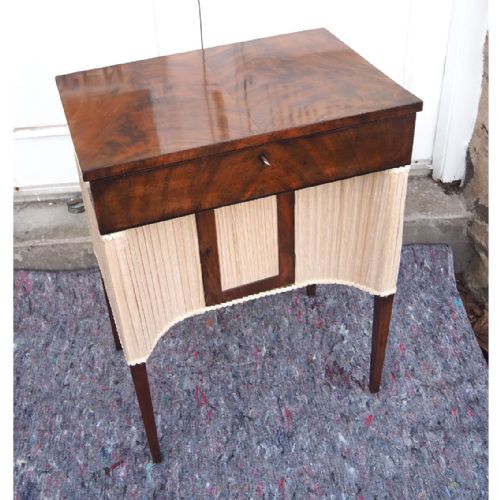


Flame Mahogany Dressing Table
A flame mahogany dressing table brings deep figured grain and rich timber tones into a bedroom or dressing room through centuries of cabinet-making skill.
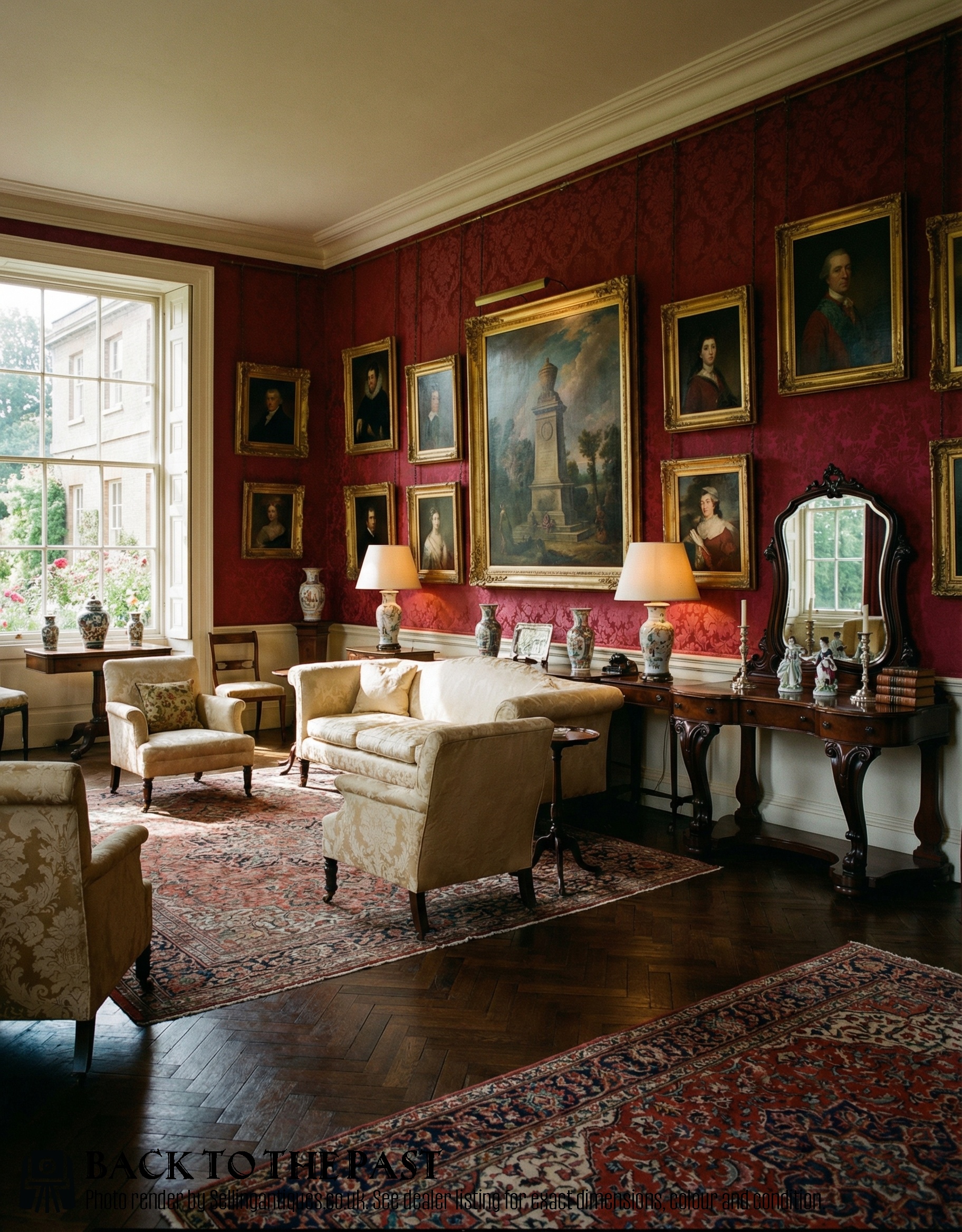
Flame Mahogany Dressing Table
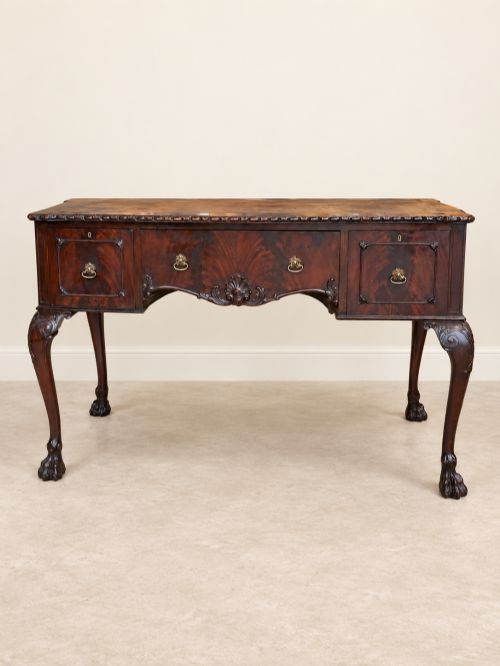
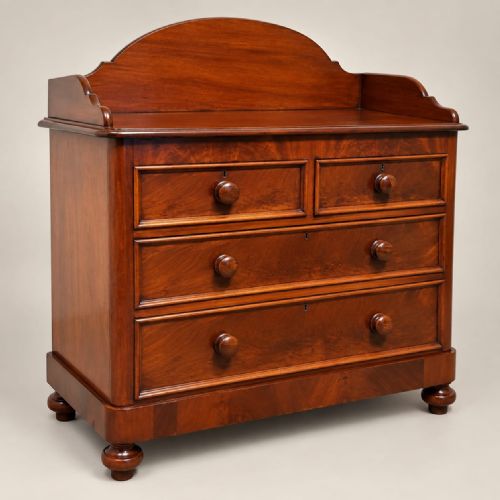
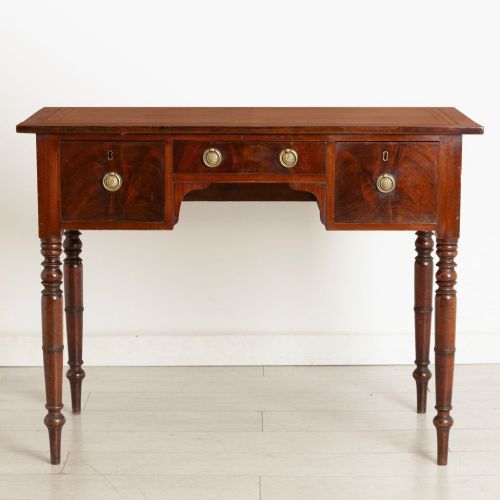
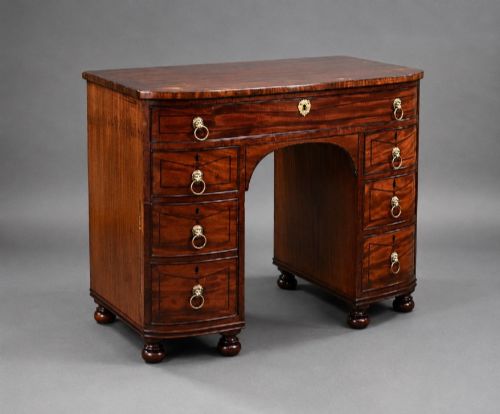
A flame mahogany dressing table combines practical drawers and surfaces with the striking, rippled wood grain that defines this group of furniture. Pieces span from the Georgian and Regency eras through the Victorian period and into the early twentieth century.
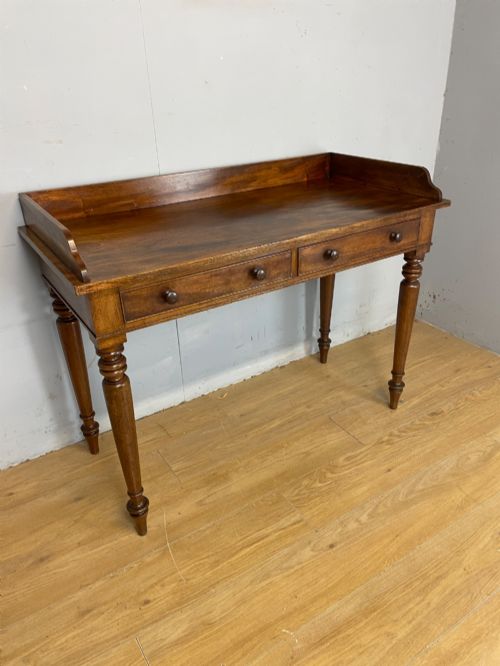
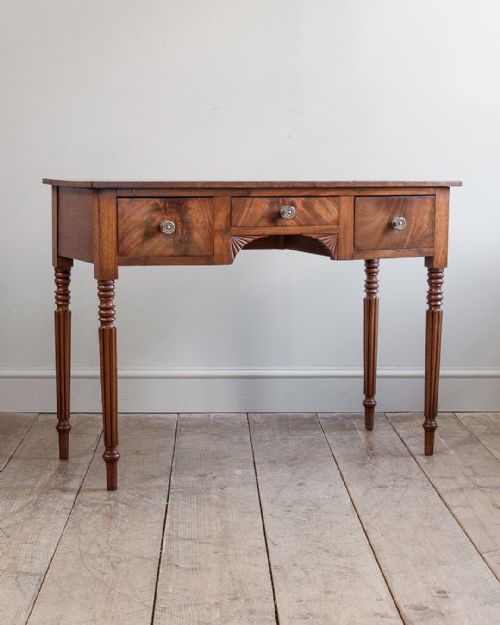
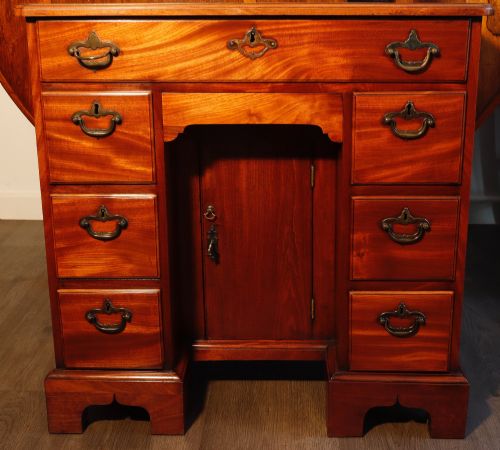
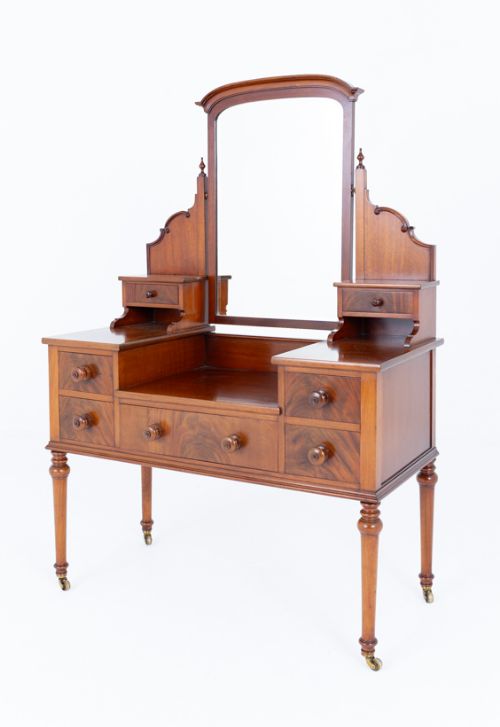
Forms range from full-sized kneehole desks and duchess dressing tables with integrated mirrors to smaller side tables and tabletop toilet mirrors. Many incorporate swing mirrors, shaped fronts, and brass hardware.
Makers drew on Georgian, French Empire, and Chippendale styles to shape these dressing tables, side tables, and writing desks. The selection includes both compact bedroom pieces and large country house furniture.
What varies in quality
Quality rests in the intensity and symmetry of the wood grain veneer and the crispness of any carved detailing, such as serpentine fronts or architectural mouldings. Finer examples maintain original handles, glass plates, and polished finishes that reflect the maker's care.
Proportion and structural integrity distinguish finer workshops from standard production. Well-executed joints, balanced drawer configurations, and harmonious proportions separate utilitarian items from exceptional pieces.
Listings feature mahogany, brass, glass, leather, ormolu, and marble across Georgian, Regency, and Victorian periods.
Waring and Gillows·Whytock and Reid
The Flame Mahogany Dressing Table Glossary
- Flame Mahogany Veneer
- A thin slice of mahogany cut from the fork of the tree where branches meet the trunk, producing a rippled, flame-like grain pattern. This veneer forms the visual focal point of the best dressing tables.
- Duchesse Dressing Table
- A large dressing table featuring a central mirror, often flanked by smaller jewellery boxes or tiered drawers. These grand bedroom pieces frequently date to the Victorian period.
- Toilet Mirror
- A smaller tabletop mirror mounted on a stand or small chest of drawers, designed to sit atop a dressing table or desk. Examples range from simple Georgian shield shapes to large Victorian swing mirrors.
- Serpentine Front
- A furniture front curved with a convex centre flanked by concave wings. This undulating shape requires advanced cabinet-making skill.
- Ormolu
- Gilded bronze mounts applied as decorative trim on furniture, commonly found on pieces influenced by French Empire and continental styles.
Flame Mahogany Dressing Table: Frequently Asked Questions
What is a flame mahogany dressing table?
A flame mahogany dressing table is a piece of antique bedroom furniture surfaced with highly figured veneer cut from where tree branches join the trunk. These items range from compact Georgian chests with mirrors to large Victorian duchess tables.
Cabinet-makers utilised this decorative timber on drawer fronts and surfaces to create dramatic visual patterns. The category also includes related forms such as writing desks, side tables, and vanity mirrors.
How do I date a dressing table?
Dating relies on stylistic clues, construction methods, and hardware. Georgian pieces often feature cleaner lines and simpler timber framing, while Victorian examples tend to be heavier with elaborate carving and large swing mirrors.
Secondary woods, drawer dovetails, and the style of the mirror supports help narrow the period. Reference points span from the eighteenth century through the nineteenth century and into the early twentieth century.
How do I care for flame mahogany?
Maintenance involves keeping the timber away from direct sunlight and fluctuating heat sources that can dry out the veneer. Regular dusting with a soft, dry cloth preserves the polished finish.
Occasional application of appropriate wax polish helps nourish the wood and maintain its natural lustre. Avoid placing damp items or harsh chemicals directly on the polished surface.
Where were these tables used?
These tables served primarily in bedrooms and dressing rooms for personal grooming and storage. Smaller variants functioned as writing desks or side tables in sitting rooms and halls.
Grand houses employed large duchess styles in principal bedchambers, while more compact versions suited smaller rooms. Their decorative grain ensured they sat comfortably in public reception spaces as well.