




Ormolu Mounted Vanity
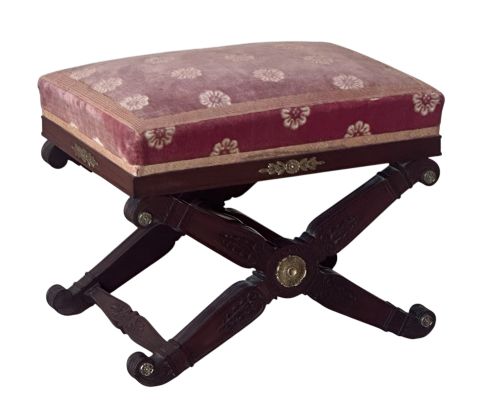
When you search for ormolu mounted vanity, you seek objects defined by cast bronze enrichment on walnut, mahogany, and kingwood.
Ormolu Mounted Vanity
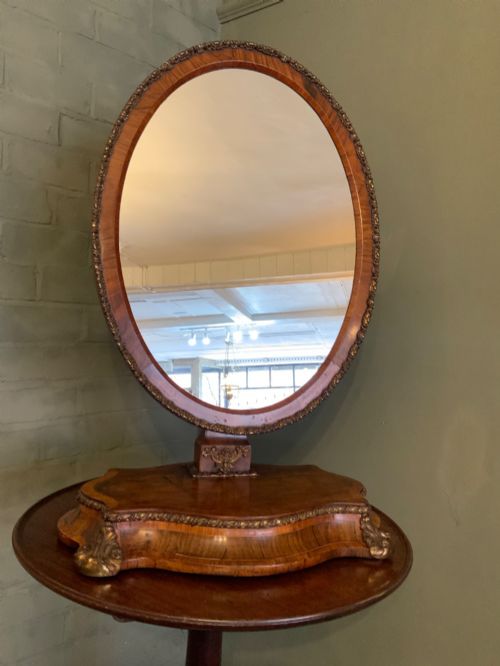
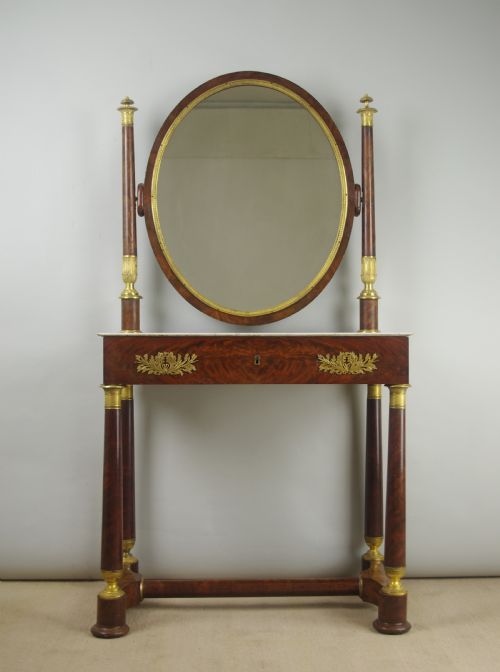
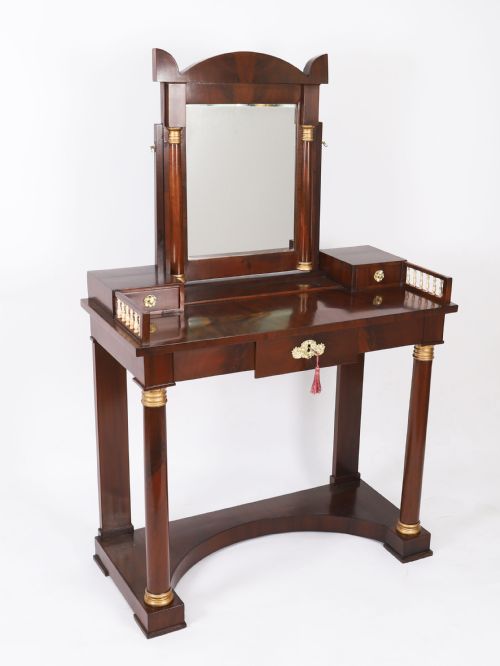
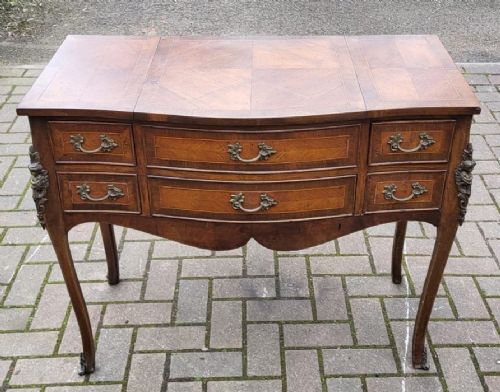
An ormolu mounted vanity brings together nineteenth century dressing tables, poudreuses, and toilet mirrors embellished with gilt bronze mounts. You are most likely to meet French Empire and Victorian examples that combine practical compartments with decorative metalwork.
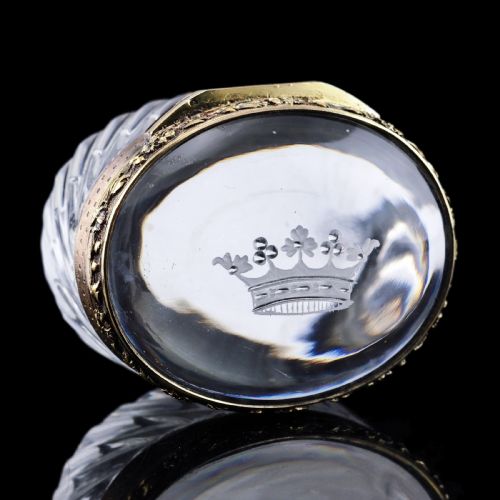
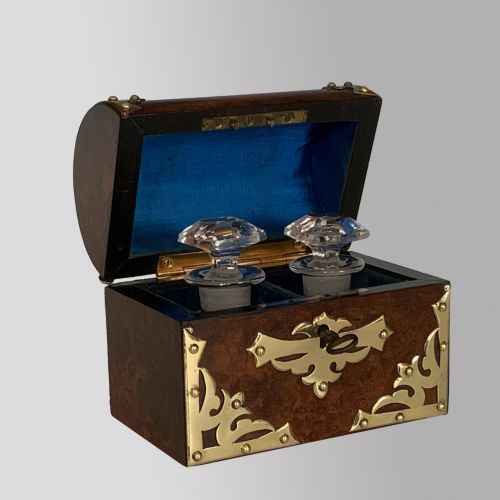
The selection ranges from larger mahogany dressing tables and bonheur du jour desks to smaller scent caskets, jewellery boxes, and perfume caskets. These smaller boxes and caskets frequently incorporate Sevres porcelain panels, glass, and crystal alongside their ormolu mounts.
How they were made
Cabinetmakers constructed the foundational carcases using mahogany, walnut, burr walnut, kingwood, tulipwood, and satinwood, often applying intricate marquetry patterns. Ormolu mounts, cast as gilt bronze or silver gilt, were then secured to accent the structural lines of the wood.
Glass, crystal, and Sevres porcelain were integrated into boxes and mirrors, combining with the metalwork to produce reflective surfaces and decorative panels.
The listings feature pieces from the nineteenth century, including Victorian, French Empire, Louis XVI Revival, and Napoleon III periods.
What varies in quality
The precision and depth of the ormolu casting largely determine the quality of the piece, separating crisp, detailed metalwork from softer, simpler execution. The choice of underlying timber, from standard mahogany to figured burr walnut and intricate marquetry inlay, also sets pieces apart.
Cohesion of design between the timber carcase, the gilt bronze mounts, and secondary materials such as porcelain or crystal dictates the standing of an individual item within its period.
Maison Pretot Paris
The Ormolu Mounted Vanity Glossary
- Ormolu
- Gilt bronze mounts applied to furniture and decorative objects. The technique involves applying a gold amalgam to bronze.
- Poudreuse
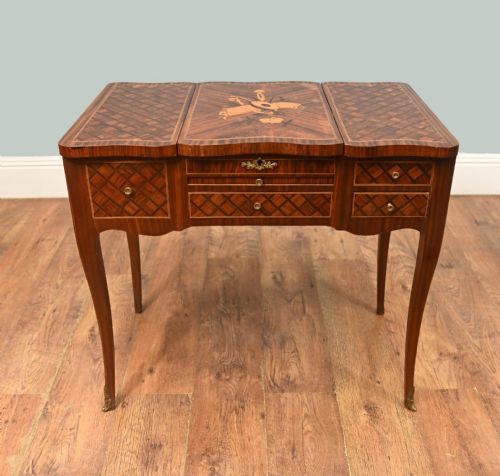
- A French dressing table equipped with folding lids and compartments for powder and cosmetics. These tables typically date from the nineteenth century.
- Bonheur du jour
- A light lady's writing desk featuring a small cabinet or set of drawers on the writing surface. They frequently incorporate fine wood veneers and ormolu mounts.
- Marquetry
- Decorative veneer patterns formed by fitting together pieces of various woods. It appears frequently on nineteenth century French and Victorian furniture.
- Sevres porcelain
- Porcelain produced by the French national factory, often incorporated as painted plaques into nineteenth century jewellery caskets and dressing tables.
Ormolu Mounted Vanity: Frequently Asked Questions
What is a poudreuse?
A poudreuse is a French dressing table equipped with folding mirrors and compartments designed for cosmetics and toilet articles.
These pieces date predominantly from the nineteenth century and combine practical storage with decorative veneers and ormolu mounts.
How do I identify French Empire style?
French Empire style pieces rely on dark mahogany timbers, symmetrical forms, and classical ormolu mounts depicting military or mythological motifs.
This aesthetic dominated the early nineteenth century and prioritised architectural dignity over ornate carving.
Where were ormolu mounts used?
Ormolu mounts appear on the corners, feet, handles, and aprons of dressing tables, desks, and small boxes.
They serve to accent the lines of the timber carcase and protect vulnerable edges from wear.
How do I care for wood and ormolu?
Keep these items away from direct sunlight and sudden temperature changes to protect the timber and veneer.
Dust the ormolu gently with a dry cloth and avoid harsh chemical cleaners that can damage the gilt surface.