


Fitted Wooden Lap Desk
These fitted wooden lap desk examples span the Georgian, Regency and Victorian eras, offering portable writing surfaces lined with leather and fitted interiors.
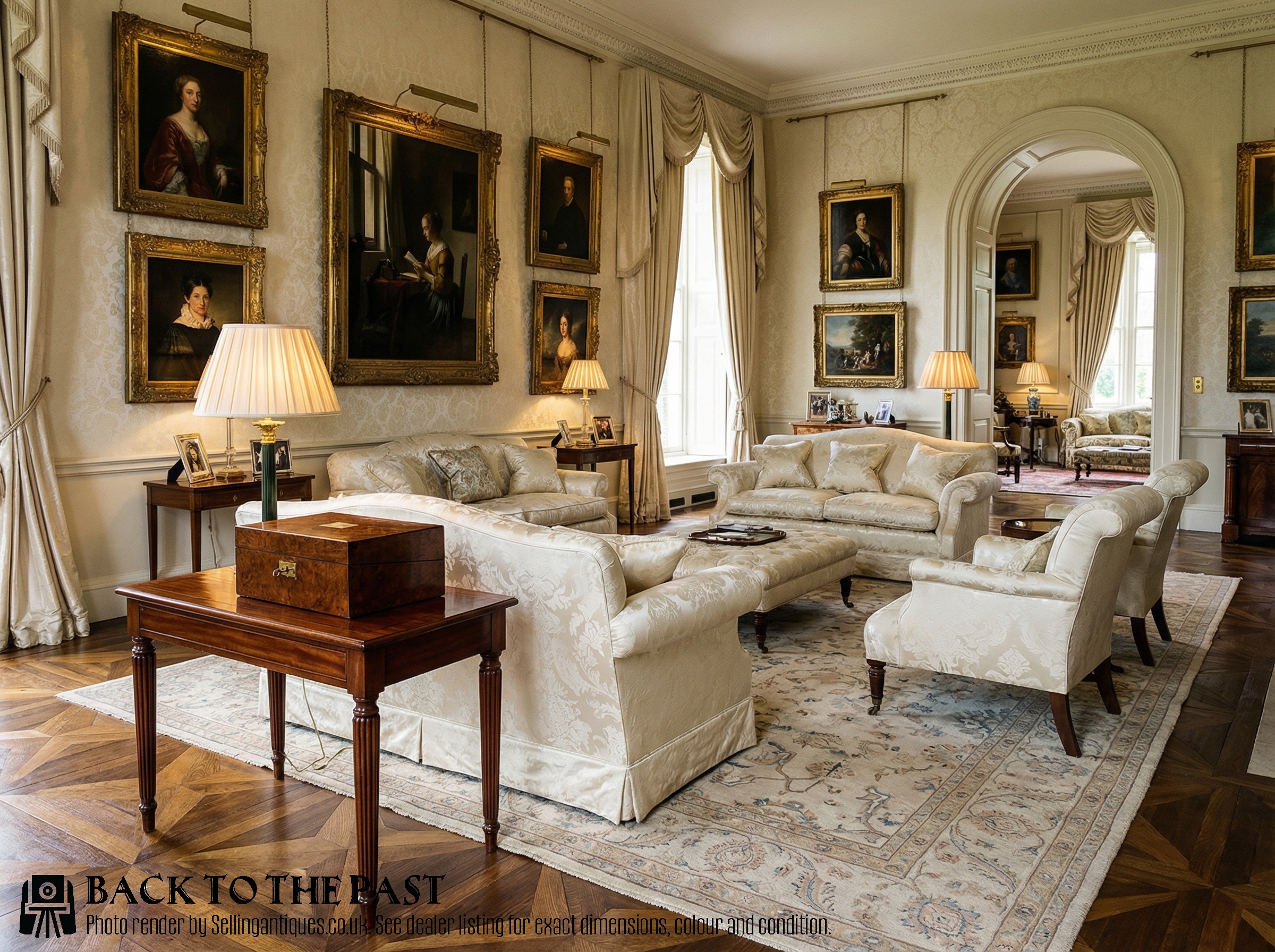
Fitted Wooden Lap Desk
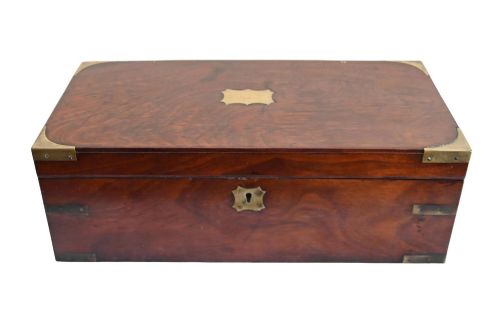
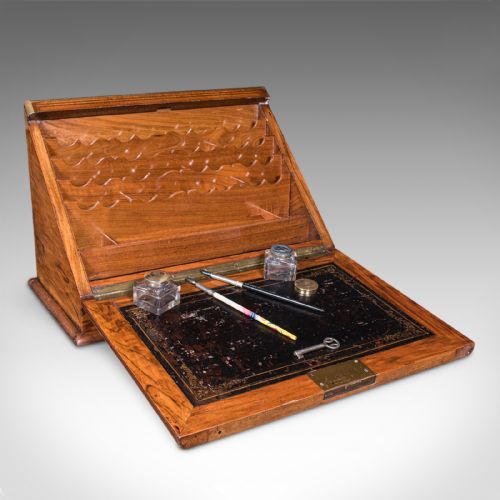
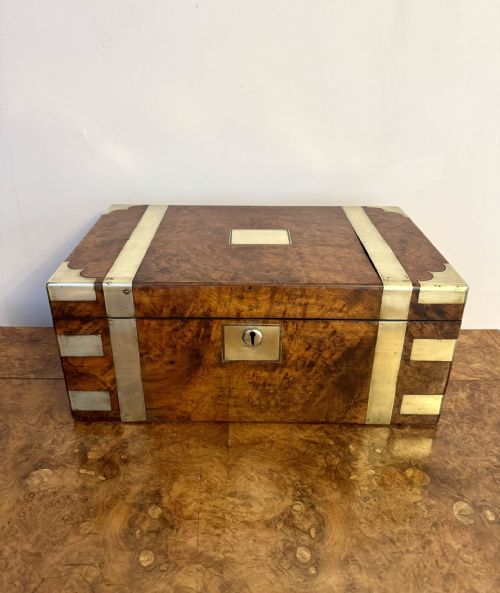
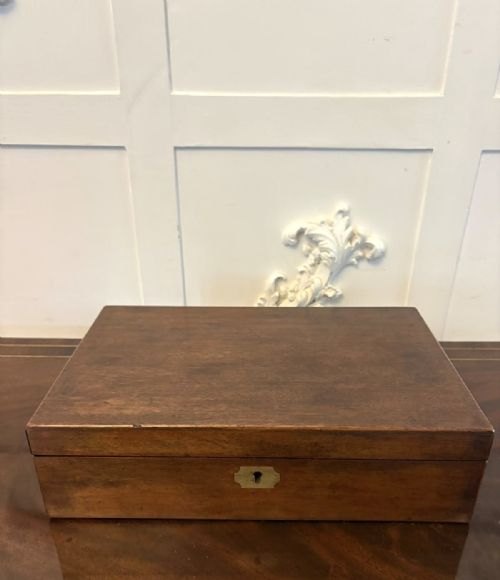
A fitted wooden lap desk is a portable box designed for correspondence, opening to reveal a slanted writing surface, compartments for stationery, and often secret drawers. The listings here primarily comprise Victorian and Georgian examples, alongside Regency pieces and Campaign styles.
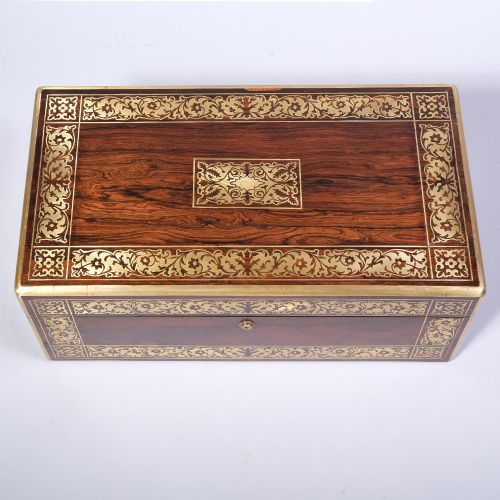
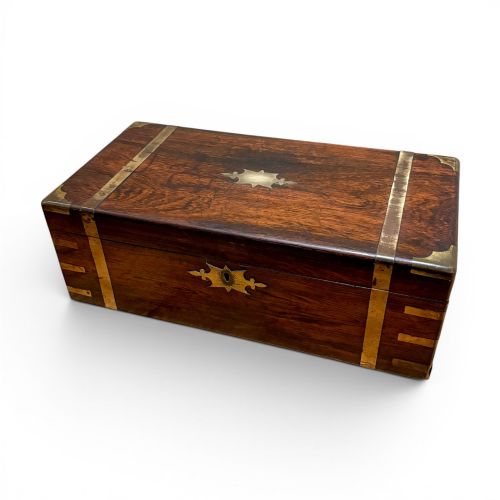
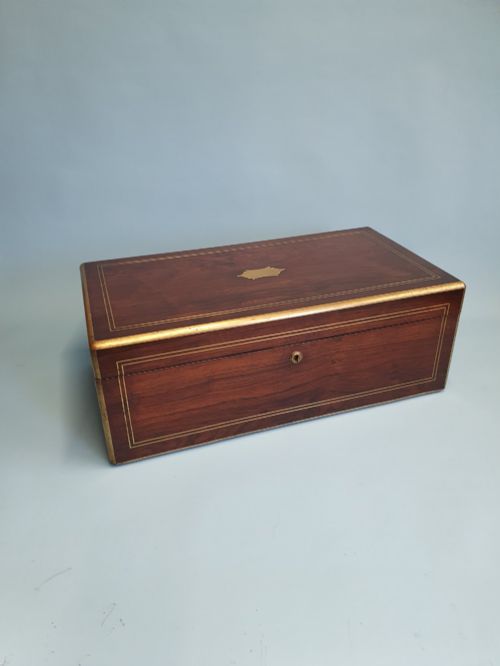
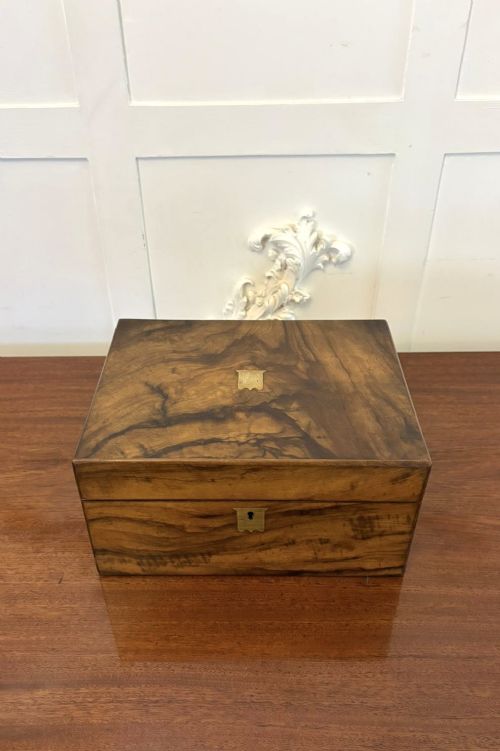
Most items you will encounter on this page are constructed from dense timbers such as mahogany, walnut, rosewood, and burr walnut. These pieces frequently feature brass binding or inlay to protect the corners and edges during travel.
Internal fittings commonly include inkwells, pen trays, and velvet or leather writing surfaces. Specialised variations incorporate candle sconces, sovereign sections, or lectern conversions.
How they were made
Cabinet makers utilised dense hardwoods like mahogany, rosewood, walnut, and camphor wood to withstand regular transport and daily use. These timbers were often selected for striking grain figures, particularly burr walnut.
Brass was employed extensively for corner binding, escutcheons, and inlaid banding to reinforce the structural integrity of the boxes. Interiors were meticulously fitted with small secret drawers, partitions, and leather or velvet writing inserts.
Listings feature woods such as camphor wood, ebony, rosewood, and burr walnut, alongside brass and ivory decorative elements.
What varies in quality
The sophistication of the internal mechanism and the complexity of secret compartments distinguish finer examples from standard boxes. High-grade items incorporate secure locks such as Bramah mechanisms and complex concealed drawer releases.
Timber selection and decorative detail heavily influence the standing of a piece, with figured burr walnut, intricate brass inlay, and ivory detailing marking superior manufacture. The precision of the joinery and the quality of the original fitted interior fittings also dictate the tier of the piece.
The Fitted Wooden Lap Desk Glossary
- Lap desk
- A portable box designed for writing upon while travelling or sitting away from a formal desk. It typically opens to form a sloping writing plane.
- Campaign style
- Furniture and accessories constructed for military officers on active service, characterised by brass binding, flush handles, and robust portability.
- Secret compartment
- A hidden drawer or compartment accessed through a concealed release mechanism within the fitted interior. These were intended for valuables and sensitive documents.
- Escutcheon
- A protective plate surrounding a keyhole, usually fashioned from brass to match corner braces and banding.
- Bramah lock
- A high-security barrel lock patented in the late eighteenth century, commonly found on superior quality nineteenth-century boxes.
Fitted Wooden Lap Desk: Frequently Asked Questions
How do I date a lap desk?
Dating a lap desk relies on observing the timber, hardware, and construction methods used by the cabinet maker. Georgian pieces often feature simpler mahogany or rosewood forms, while Victorian boxes frequently display elaborate burr walnut veneers and extensive brass binding.
Design styles also provide clues, with military campaign pieces and Anglo-Indian variants showing specific regional characteristics. Internal fittings and lock types further help narrow down the period of manufacture.
Where were lap desks used?
These desks were utilised primarily for private correspondence and record keeping in domestic settings, offices, or while travelling. Their portable nature allowed writers to work comfortably from a lap or table.
Military officers and colonial travellers relied heavily on campaign styles during transit. The addition of candle sconces and secure locks made them self-contained writing stations.
How do I maintain the interior leather?
Maintaining the writing surface requires gentle cleaning and keeping the box in a stable environment away from direct heat sources. Many Victorian and Georgian desks retain their original leather or velvet inserts.
Avoid excessive moisture when cleaning the timber and brass exterior. Regular dusting preserves the polish of woods like burr walnut and rosewood.