
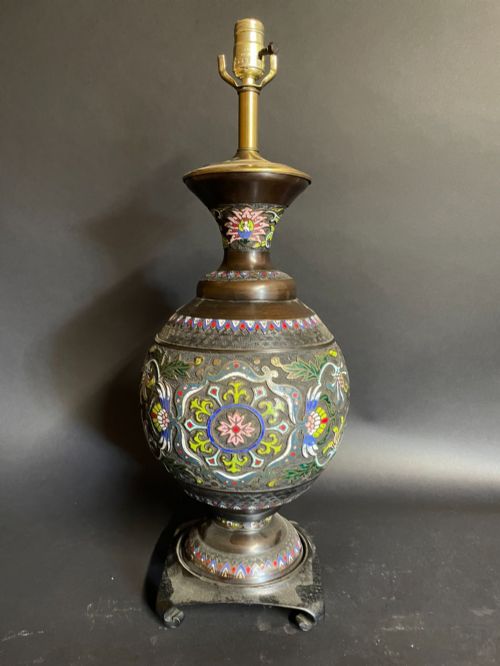


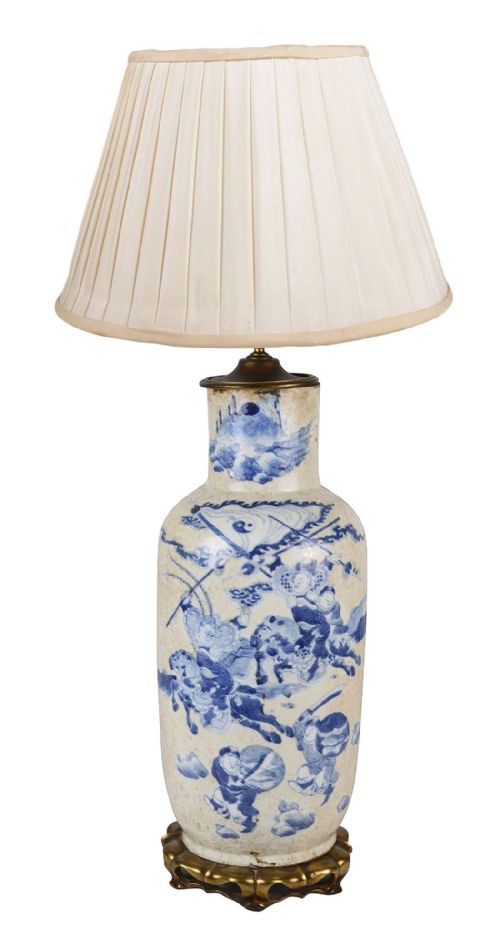


Fitted Vase Table Lamp
A fitted vase table lamp brings historic porcelain and bronze vessels into modern rooms with decorative illumination.
Fitted Vase Table Lamp
A fitted vase table lamp repurposes antique vessels, predominantly from the nineteenth century, into functional domestic lighting. These pieces take forms originating from Chinese Qing Dynasty, Chinese Export, and Japanese Meiji periods.
The most common examples on this page are large pairs of Chinese porcelain vases transformed into lamps. Collectors encounter Famille Rose, Famille Verte, Rose Medallion, blue and white, and cloisonné works alongside Japanese Imari and Fukagawa porcelain.
Makers adapted these ceramic and bronze bodies by adding wiring and lamp hardware while retaining the character of the original vessels. Buyers find both single statement pieces and matched pairs spanning the late nineteenth century and the 1920s.
How they were made
Artisans constructed the bodies using porcelain, bronze, gilt bronze, and cloisonne enamel, shaping vessels that later received electrical fittings. Ceramic surfaces feature painted glazes including blue and white, famille rose, and famille verte pigments.
Mountings and hardware incorporate brass components secured to hardwood bases. Lampshades utilising silk and fabric complete the assembly, paired with porcelain bodies originating from diverse Asian ceramic traditions.
Some nineteenth-century vases spent decades as decorative mantel ornaments before an electrician finally gave them a job.
What varies in quality
Quality rests on the artistic execution of the original vase and the integration of the lamp fittings. Hand-painted ceramic details, rich enamel colours, and crisp bronze casting elevate certain examples above simpler productions.
The proportion between the ceramic body and the added hardware dictates the visual balance of the piece. Intricate cloisonné work and finely detailed Canton or Rose Medallion porcelain represent the upper tier of craftsmanship.
The Fitted Vase Table Lamp Glossary
- Famille Rose
- A palette of opaque pink enamel introduced to Chinese ceramics during the Qing Dynasty. It allowed artisans to paint subtle tonal gradations on porcelain vases.
- Cloisonne
- A metalwork technique where artists solder wire partitions onto a bronze base and fill the resulting cells with coloured enamel paste. Firing produces a vibrant decorative surface.
- Imari
- A style of Japanese export porcelain characterised by underglaze blue and overglaze red, gold, and green decorations. These pieces were widely produced during the Meiji period.
- Rose Medallion
- A distinct pattern featuring panels of figures alternating with birds and flowers, painted in bright enamels on nineteenth-century Chinese porcelain. The design takes its name from the central medallion.
- Flambe
- A rich, streaky glaze produced by metallic oxides fired in a reduction kiln. The unpredictable chemical reaction creates dramatic colour transitions on the ceramic surface.
Fitted Vase Table Lamp: Frequently Asked Questions
How do I date a fitted vase table lamp?
Dating relies on examining the characteristics of the underlying ceramic or bronze vessel rather than the electrical components. Nineteenth-century pieces display specific glaze palettes, potting techniques, and stylistic markers associated with Qing Dynasty or Meiji periods.
Secondary indicators include the style of brass mounts and hardwood bases attached during conversion. Later twentieth-century adaptions typically feature standardised wiring and modern hardware assembly methods.
Are these lamps sold in pairs?
Many listings feature matched pairs of nineteenth-century vases converted into lamps, particularly those originating from Chinese and Japanese export workshops. These paired sets provide symmetrical lighting for large sideboards, mantels, or bedside tables.
Single lamps also appear frequently, representing solo vases that survived without a counterpart. Both formats retain the original decorative qualities of the parent ceramic vessels.
What styles of porcelain are most common?
Famille Rose and Rose Medallion porcelains dominate the nineteenth-century selections on this page. These styles showcase elaborate polychrome enamel work featuring figures, floral motifs, and gilded accents.
Collectors also encounter blue and white export ware, Famille Verte, and Japanese Imari or Fukagawa porcelain. Each style reflects the aesthetic preferences of nineteenth-century international trade.
How do I place these lamps in a room?
Large vase lamps function well as focal points on credenzas, entrance consoles, or living room tables. Their height and colourful ceramic bodies introduce vertical interest and ambient illumination to traditional or eclectic interiors.
Pairing them with neutral fabric or silk shades allows the painted details of the antique porcelain to stand out. The brass and hardwood elements help anchor the vessels securely to domestic furniture.