

Fitted Interior Writing Bureau
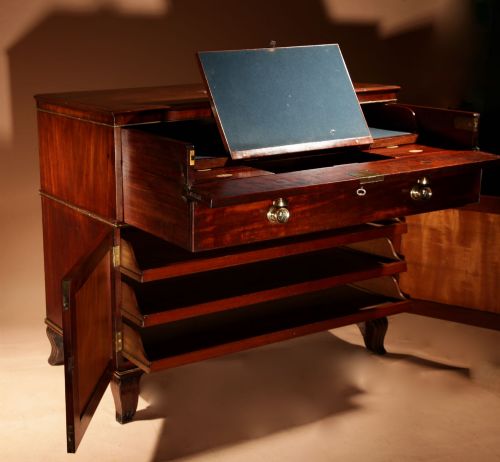
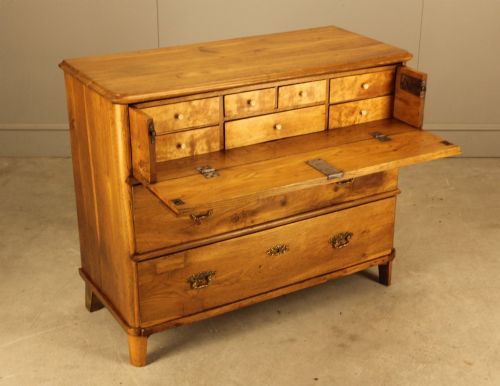
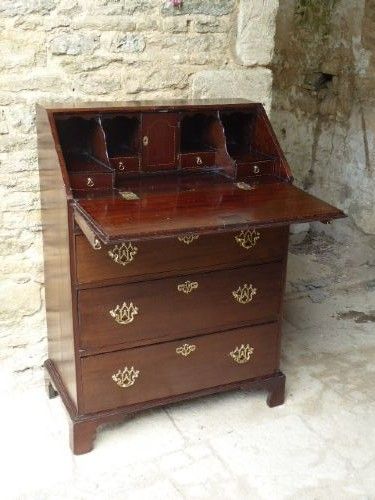
A fitted interior writing bureau brings together hidden pigeonholes, secret drawers and a sloped fall front for correspondence.
Fitted Interior Writing Bureau
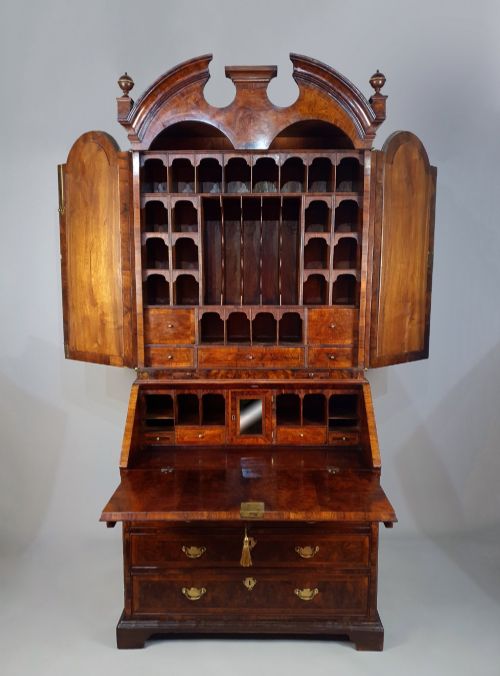
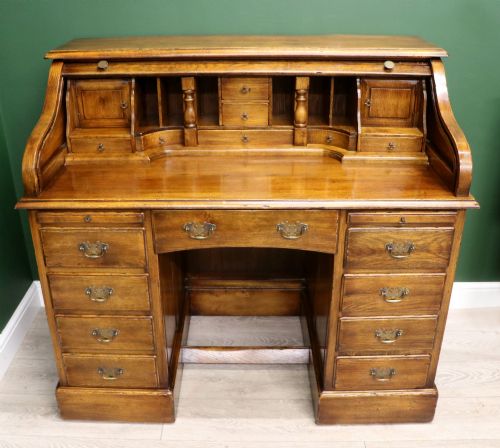
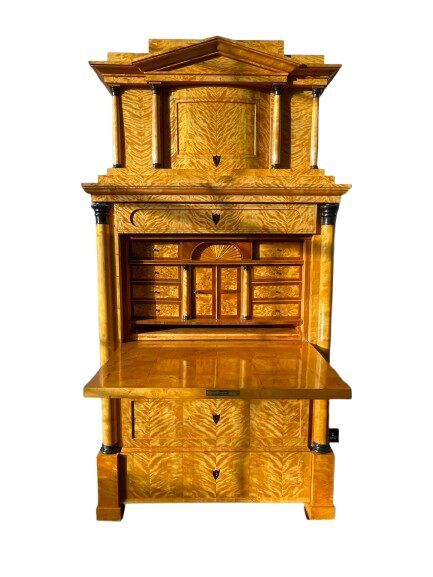
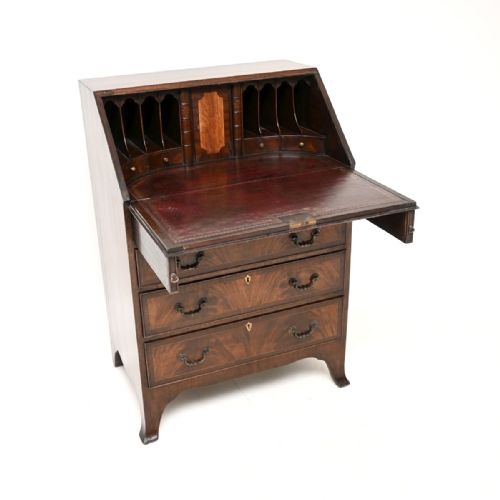
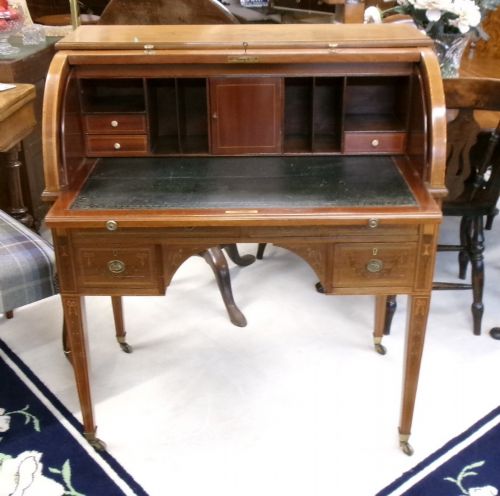
A fitted interior writing bureau provides a dedicated writing surface that conceals compartments, drawers and pigeonholes when closed by a fall front or cylinder top. The pieces appearing in this selection span from the early eighteenth century through the Georgian, Regency and Victorian eras into Edwardian and Art Deco periods.
Most items you encounter here are freestanding mahogany or walnut bureaux and secretaire bookcases, alongside occasional oak and rosewood examples. The interior organisation remains the defining characteristic, housing small drawers and document slots behind the main writing flap.
Materials and Technique
Cabinet makers utilised dense hardwoods including mahogany, walnut, oak and rosewood, frequently selecting figured veneers for the fall fronts and drawer facades. Solid timber construction provides the structural integrity for larger bureau bookcases and cylinder desks.
Secondary detailing involves brass hardware, leather writing surfaces, glass panelling for bookcase doors and intricate inlay work in satinwood. Drawers employ traditional dovetail joinery while fall fronts rely on sturdy hinges and supporting stays.
Fitted Interior Writing Bureau Retail Price Guide 2026
Typical asking prices for fitted interior writing bureau among the pieces listed under this phrase on Sellingantiques today, from the lower quarter to the upper quarter. They describe what is for sale here now, not the wider market.
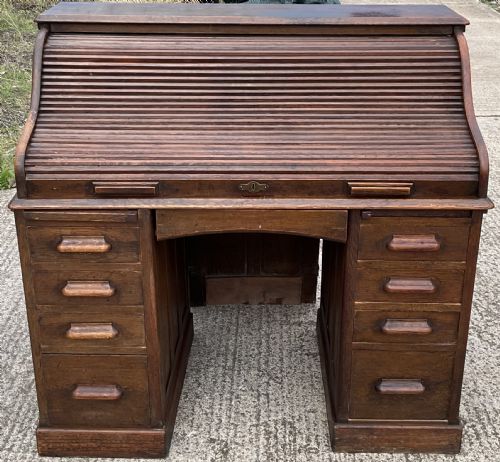
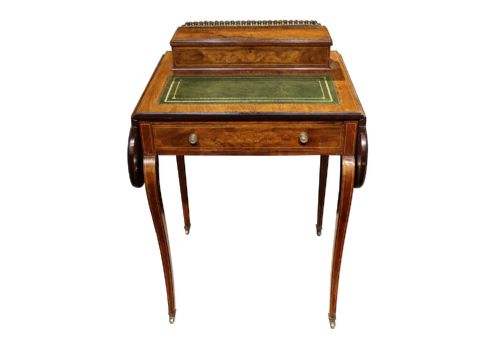
One Edwardian desk comes equipped with barley twist supports and solid brass handles.
Judging Quality
The standard of timber selection and veneer matching dictates the visual appeal, particularly on prominent surfaces like the fall front and drawer fronts. Finer pieces demonstrate precise grain continuity across the entire elevation.
Internal architecture varies significantly, distinguishing simple document spaces from complex arrangements of secret compartments, stepped pigeonholes and central cupboards. The complexity and execution of these internal nests separate standard workshop production from exceptional cabinet work.
Tudor and Burrey·Gillows of Lancaster·Boston Chair Company
The Fitted Interior Writing Bureau Glossary
- Fall front
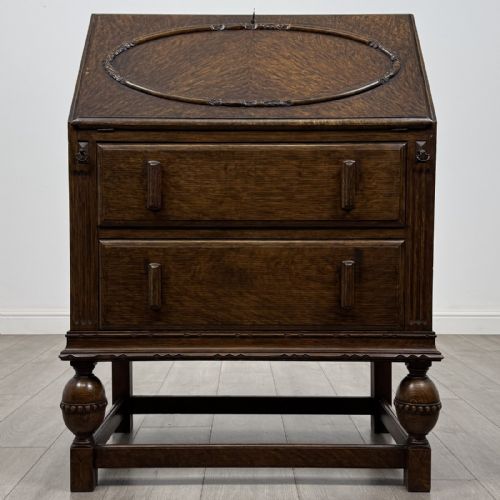
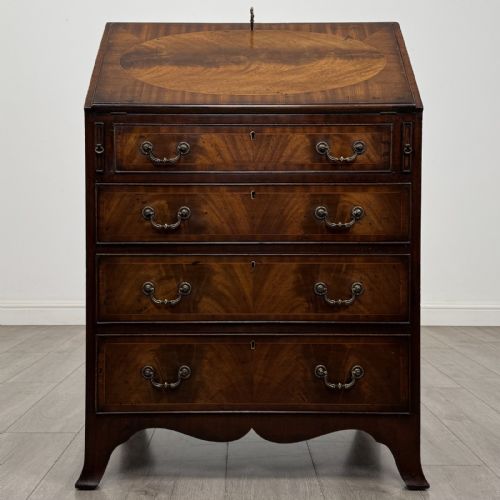
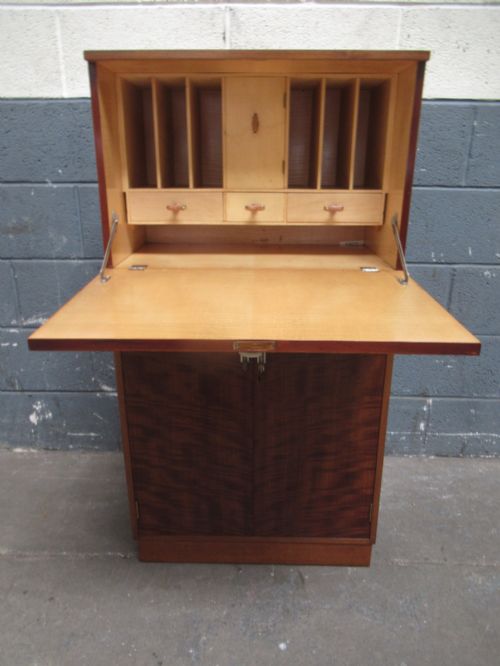
- A hinged writing flap that pulls down to create a horizontal surface for writing. This panel conceals the fitted interior when closed.
- Secretaire bookcase
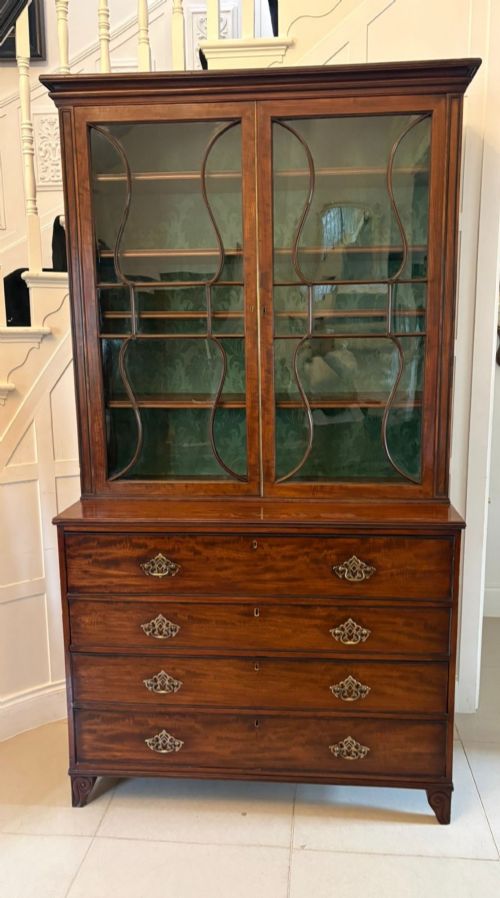
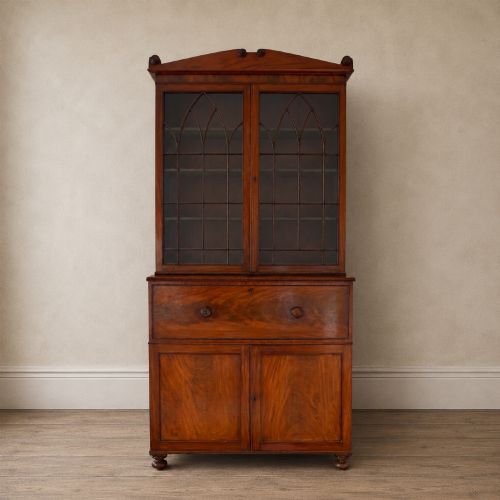
- A tall cabinet combining a glazed upper bookcase section with a lower drawer or flap that opens to reveal a fitted writing interior.
- Pigeonhole
- A small open compartment within the fitted interior used for sorting letters and stationery. These often flank a central small cupboard or secret drawer.
- Bracket foot
- A simple structural foot shape supporting the base of eighteenth-century and Georgian cabinets. They lift the bureau slightly off the floor.
- Cylinder top
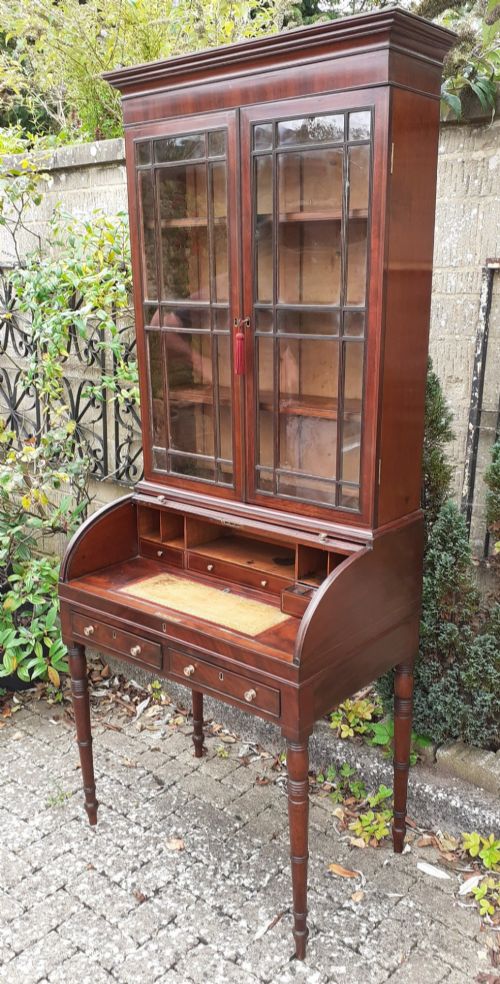
- A curved wooden roll top or cylindrical cover that slides back to reveal the writing surface and interior fittings. It operates on a track mechanism.
Fitted Interior Writing Bureau: Frequently Asked Questions
What is a fitted interior writing bureau?
A fitted interior writing bureau is a desk featuring a hinged fall front or cylinder top that opens to reveal an arrangement of small drawers, pigeonholes and compartments designed for correspondence.
These pieces served as private writing stations and document storage units in period homes, keeping stationery hidden away when not in use.
How do I date an antique bureau?
Dating relies on observing timber choices, construction methods like dovetailing, and stylistic traits associated with specific periods such as Georgian, Regency or Edwardian eras.
Earlier examples from the eighteenth century typically utilise solid walnut or mahogany with bracket feet, whereas later nineteenth and twentieth-century versions introduce different veneers and mechanical roll tops.
Where were these desks used?
These desks were primarily placed in drawing rooms, studies or private chambers where correspondence and household accounts were managed.
The secure locking mechanisms on the fall fronts allowed owners to protect private papers and valuables from domestic staff.
What is a secretaire bookcase?
A secretaire bookcase is a larger composite form that merges a bureau workstation with an upper shelving unit enclosed by glass doors.
This combination allowed owners to store their personal library above while maintaining a dedicated writing surface and fitted interior below.