



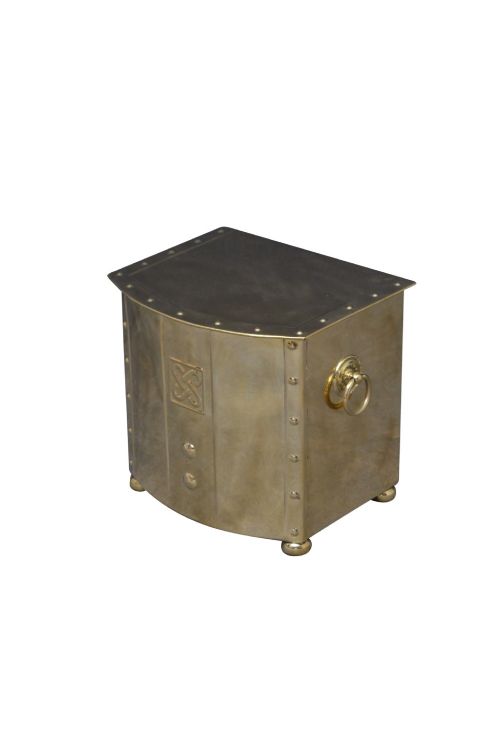


Fireside Log Box
A fireside log box keeps fuel tidy by the hearth while anchoring the room with solid wood and heavy metal.
Fireside Log Box
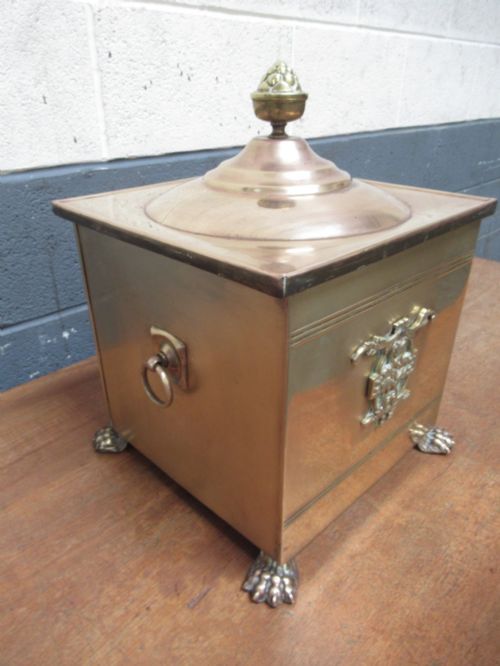
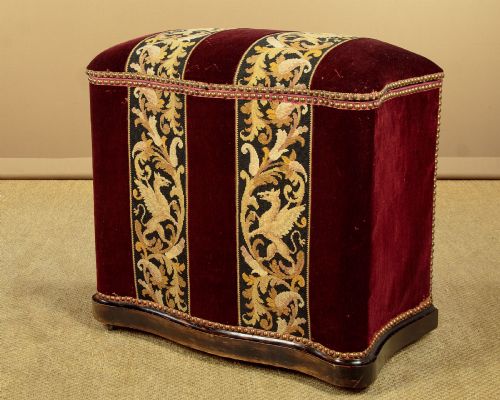
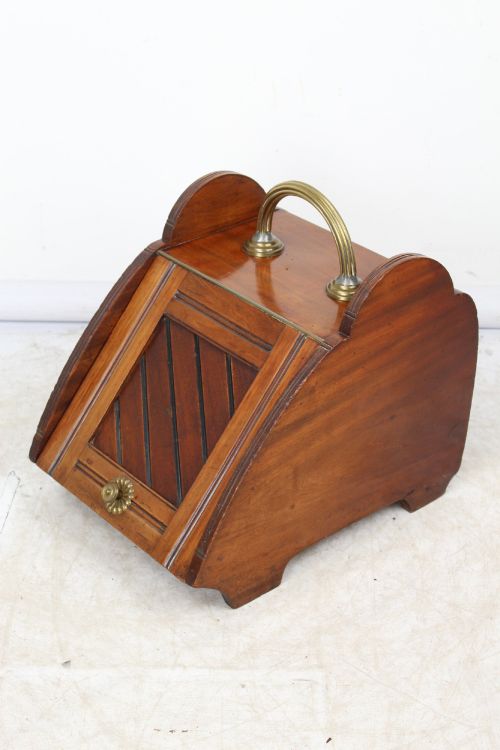
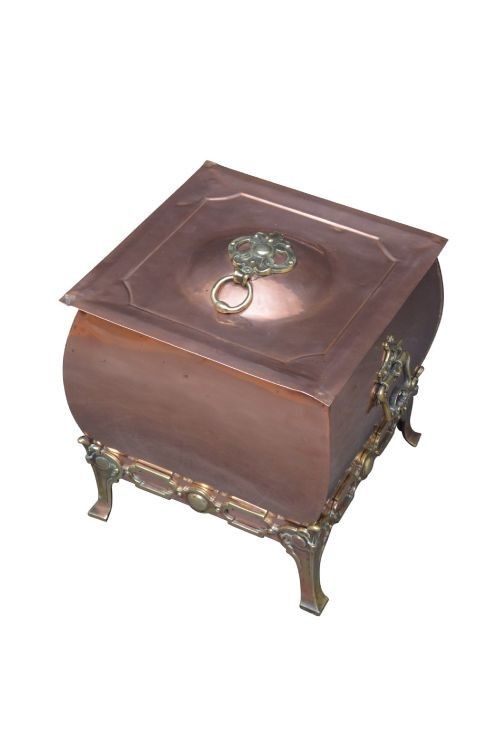
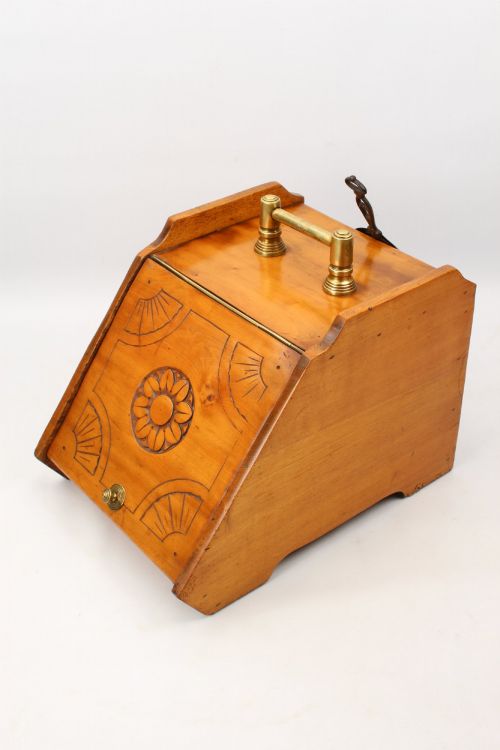
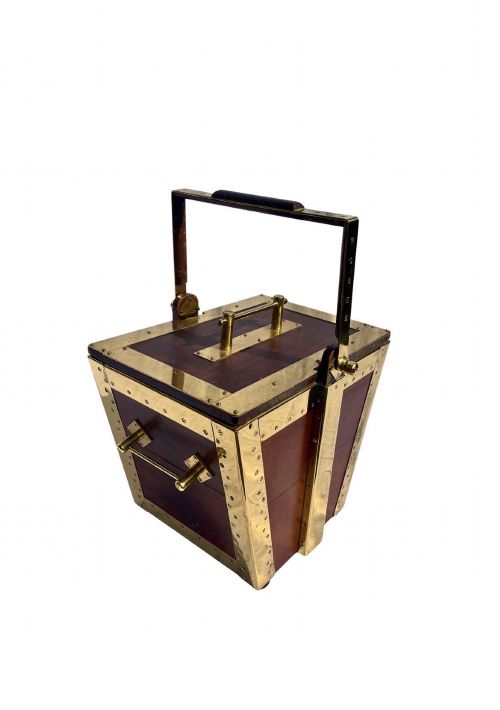
When you search for a fireside log box, you are looking at practical hearth storage that ranges from simple country pine baskets to ornate Victorian and Edwardian cabinets. The most common examples you will meet on this page are sturdy wooden boxes fitted with metal linings, often combining oak, walnut, or mahogany with brass and copper detailing.
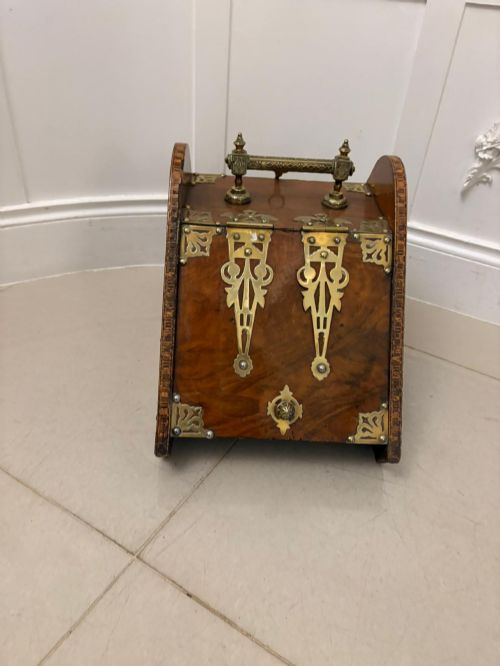
Beyond basic rectangular bins, the selection frequently includes coal scuttles, purdoniums with drop-down chutes, and cylindrical buckets designed for solid fuel or logs. These pieces transition easily from functional utility holders to prominent decorative accents beside period fireplaces.
Origins stretch from English and Scottish workshops to Scandinavian pine bins and French country pieces, reflecting diverse regional tastes in domestic heating storage. Whether rendered in the rustic style of country oak or the distinctive metalwork of the Arts and Crafts movement, each container serves the twin purpose of holding fuel and completing the hearth.
How they were made
Cabinetmakers and metalworkers built these containers using robust hardwoods like oak, walnut, and mahogany, frequently pairing them with beaten copper, cast brass, and wrought iron. Wood panels were joined with dovetail or pegged construction to withstand the heavy weight of dense wood and coal.
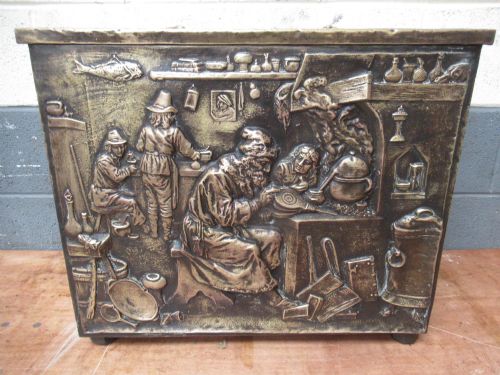
Decorative finishes often involved hand-beating sheet metal for Arts and Crafts panels, carving relief designs directly into timber lids, or applying brass mounts and handles to secure the joints. Liners of galvanized metal or zinc protected the wooden structures from moisture and dirt originating from the fuel.
Fireside Log Box Retail Price Guide 2026
Typical asking prices for fireside log box among the pieces listed under this phrase on Sellingantiques today, from the lower quarter to the upper quarter. They describe what is for sale here now, not the wider market.
Some coal wagons on miniature iron wheels meant fuel could be rolled across the rug rather than carried.
What varies in quality
The distinction between ordinary utility boxes and finer examples rests on the integration of materials and the depth of manual skill applied to the decoration. Superior pieces display substantial cast brass hardware, tight joinery, and thick gauge copper rather than thin plated sheets.
Proportion and decorative restraint set apart the better workshops, where embossed patterns, inlaid woods, and carved details enhance the form without compromising the structural integrity of the fuel store.
Henry Loveridge
The Fireside Log Box Glossary
- Purdonium
- A specialised lidded box or cabinet designed to hold coal, usually featuring a sloping front or an internal shovel compartment. It allowed fuel to be scooped out cleanly near the fireplace.
- Coal scuttle
- A bucket or pail with a swinging handle and a shaped spout designed for carrying and pouring fuel onto a fire. Metal versions were frequently beaten or embossed.
- Arts and Crafts
- A design movement emphasising handcraftsmanship, simple forms, and natural materials like copper and oak. Pieces often feature visible hand-beaten metalwork and plant motifs.
- Aesthetic Period
- A late nineteenth-century movement prioritizing visual beauty over narrative or moral function. Objects from this era display refined decorative treatments and eclectic influences.
- Planter
- An open vessel or container originally intended for plants that often shares dimensions and materials with fireside bins. Many metal buckets served both gardening and hearth duties.
Fireside Log Box: Frequently Asked Questions
What is a fireside log box used for?
These containers were originally built to store coal, kindling, and firewood directly beside the domestic hearth for easy access during cold weather. They kept loose debris contained while hiding messy fuel inside lidded cabinets or metal buckets.
Today, they function just as well holding modern logs, magazines, or blankets beside a living room fireplace. The heavy metal liners make them particularly suitable for dry wood storage.
How do I tell an Edwardian log box from a Victorian one?
Victorian examples tend to feature heavier carved timber, substantial brass mounts, and robust walnut or oak construction. They often lean towards formal decorative paneling or high-capacity scuttle designs.
Edwardian pieces frequently incorporate lighter mahogany frames with delicate inlay or embrace the hand-beaten copper panels typical of the Arts and Crafts aesthetic. Lines are generally cleaner and more restrained.
Are these boxes waterproof inside?
Most antique coal and log boxes feature internal metal liners made of zinc, copper, or galvanized iron. These linings were designed to catch dirt, bark dust, and coal residue.
While the metal linings held dry fuel and shielded the outer wood from moisture, older soldered seams can degrade over time. It is wise to inspect the internal liner condition before storing damp items.
Where were these pieces made?
The majority of the pieces recorded here originate from British workshops in England and Scotland, reflecting regional timber choices like native oak and walnut. Others come from continental makers in France, Belgium, and Scandinavia.
Regional differences appear in the choice of wood, such as Scandinavian pine, and in local decorative metalworking traditions applied to the hinges and panels.