

Fireside Coal Bin
A fireside coal bin brings practical hearthside storage and solid metal or timber character to the fireplace.

Fireside Coal Bin
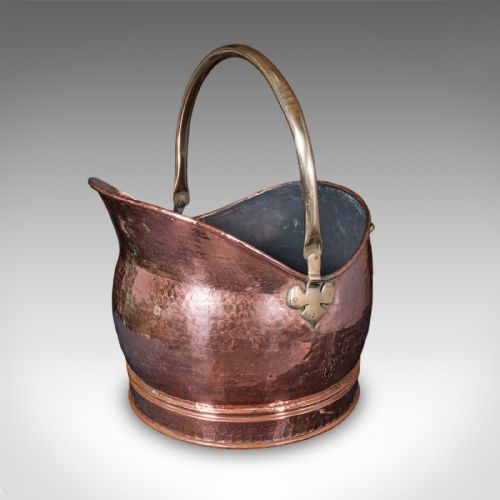
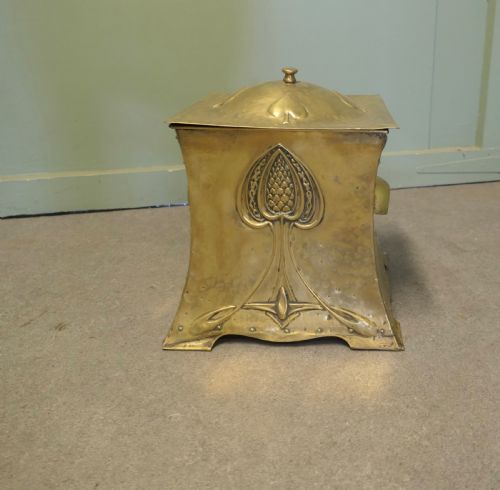
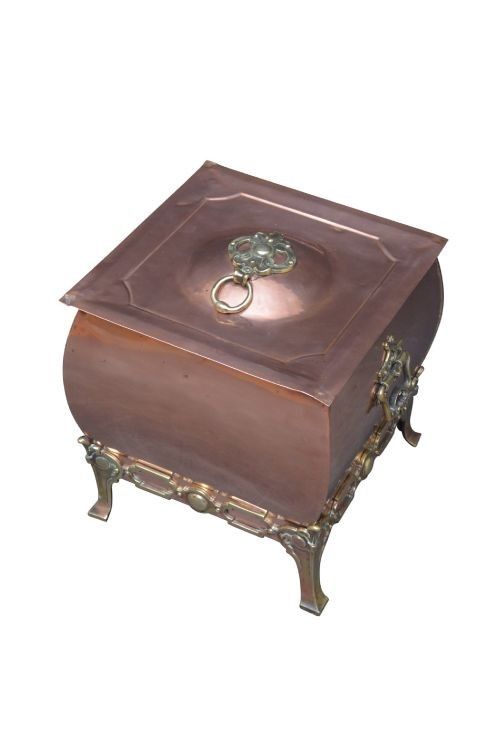
When you examine a fireside coal bin, you look at a functional hearthside accessory designed to hold solid fuel close to the fire. The pieces found here span the Victorian, Edwardian, and Georgian periods, alongside later twentieth-century Arts and Crafts and Art Nouveau examples.
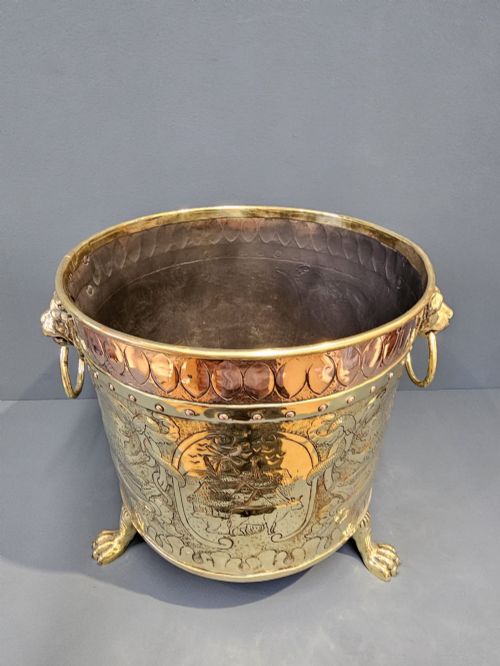
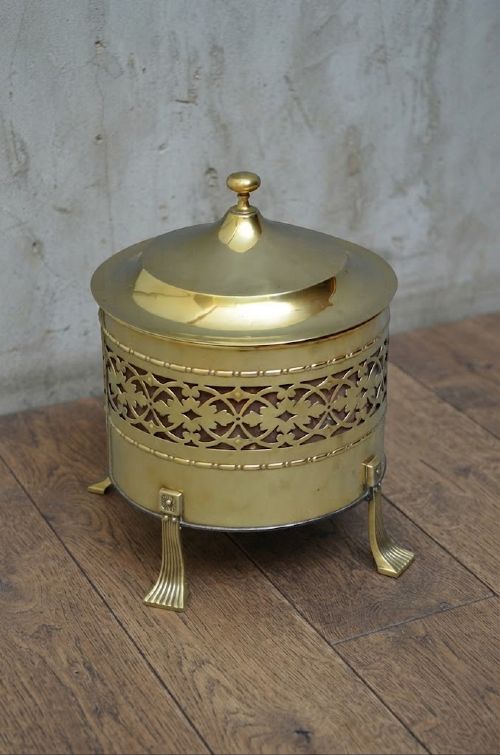
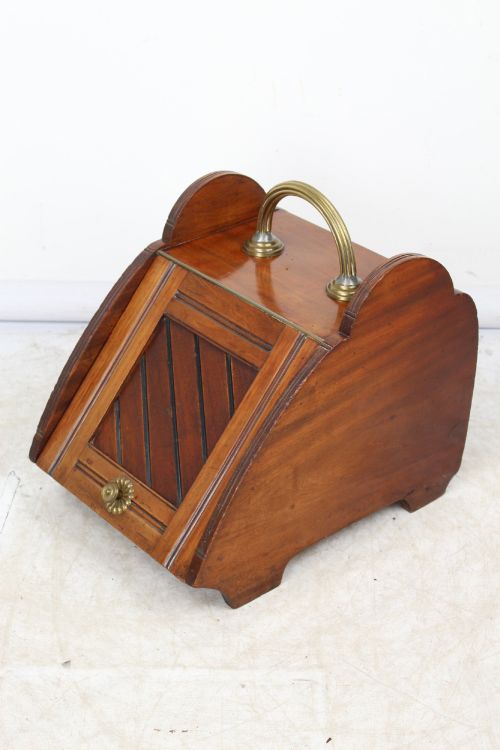
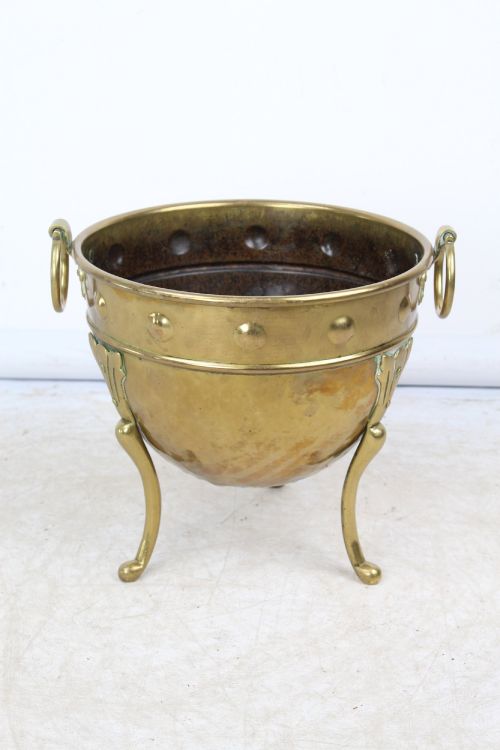
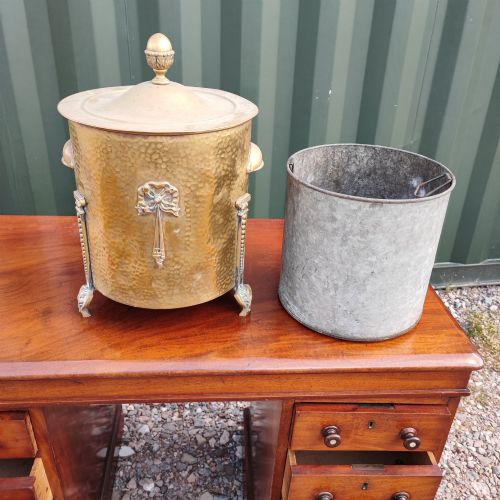
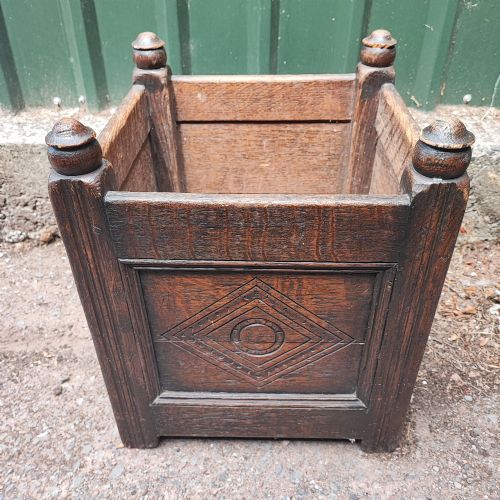
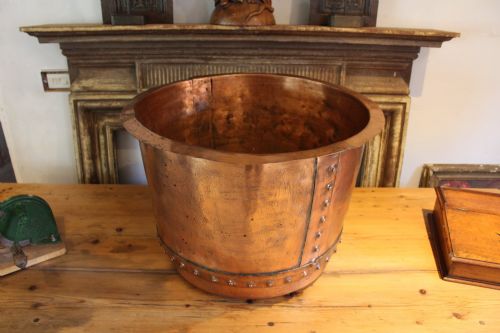
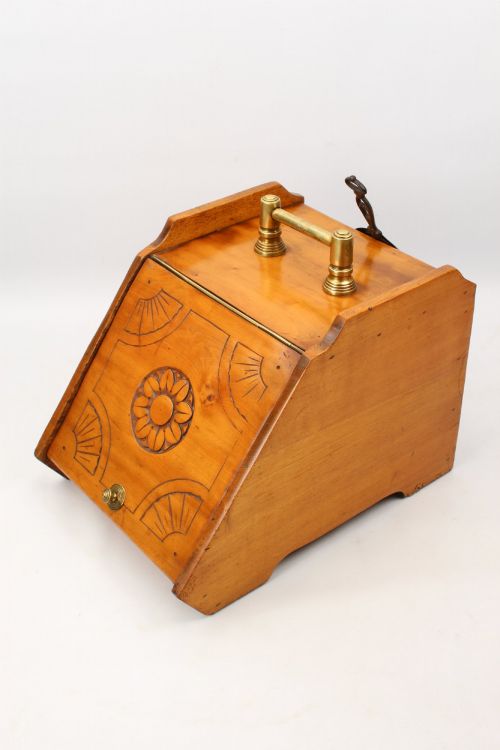
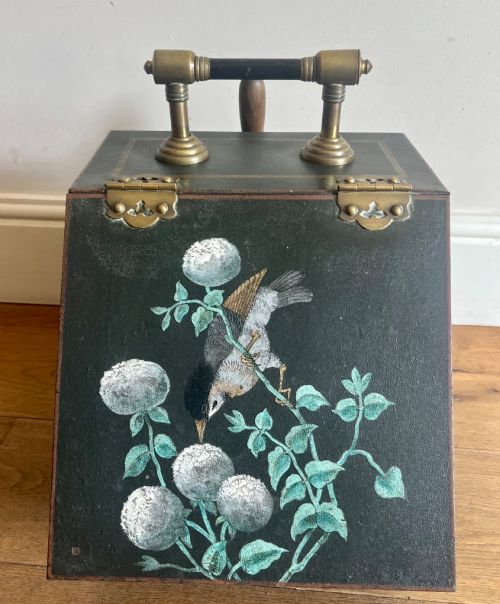
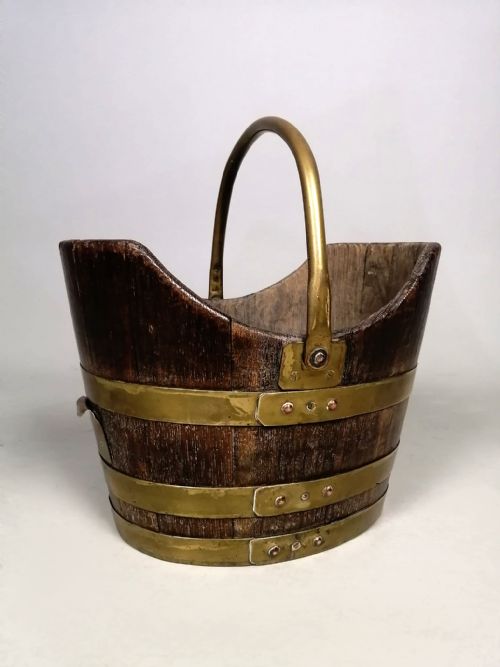
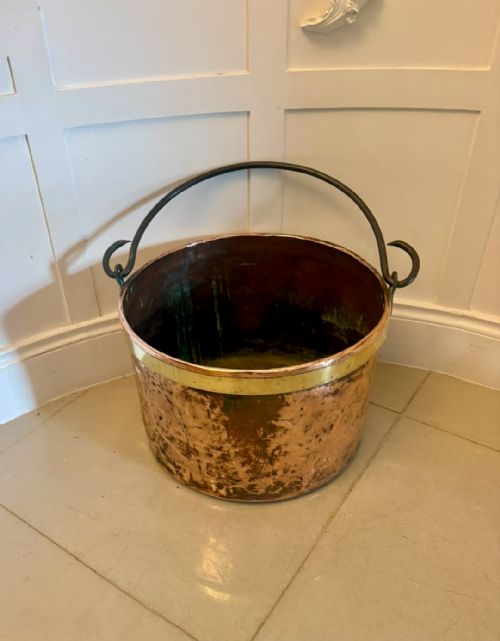
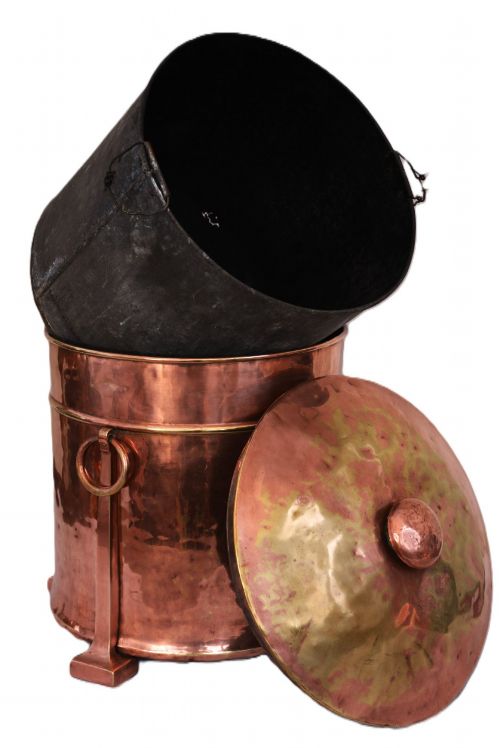
The most common forms on this page include cylindrical log buckets, helmet-shaped scuttles, and hinged wooden purdoniums equipped with interior metal liners and matching shovels. They range from simple country oak and mahogany boxes to heavily embossed and riveted metal vessels.
Makers utilised these containers beside the hearth to keep fuel dry and tidy while adding decorative presence to the room. Originating mainly from British workshops, they reflect the domestic heating habits of past centuries.
Materials and Construction
The construction of these pieces relies heavily on durable metals and seasoned timbers selected for daily hearth use. Coopers and metalworkers shaped sheet copper and brass into bucket bodies, often joining the seams with visible iron rivets or reinforcing bands.
Wooden examples utilise solid oak, mahogany, and walnut, frequently featuring carved panels, brass mounts, and drop handles. Many metal bins incorporate wrought iron frames or swing handles to support the weight of heavy coal and logs.
Fireside Coal Bin Retail Price Guide 2026
Typical asking prices for fireside coal bin among the pieces listed under this phrase on Sellingantiques today, from the lower quarter to the upper quarter. They describe what is for sale here now, not the wider market.
Some Victorian coal boxes doubled as needlepoint stools, allowing Victorians to sit comfortably upon their fuel supply.
Indicators of Quality
Quality in a fireside coal bin rests on the integrity of the original construction and the weight of the materials used. Thicker gauge copper and solid hardwood bodies indicate superior manufacture compared to thinner, pressed sheet alternatives.
Finer pieces retain their original metal liners, matching shovels, and intact handles rather than replaced components. Hand-beaten detailing, crisp embossing, and well-fitted box lids distinguish the better workshops from standard utility items.
Henry Loveridge·Petrus Ramus·Percy Metal Works London
The Fireside Coal Bin Glossary
- Purdonium
- A specialised coal box, usually made of wood with a sloping front and a hinged lid, designed to sit beside the fireplace. It frequently contains a removable metal liner and a dedicated shovel.
- Coal Scuttle
- A bucket or pail with a hinged swing handle and a tapered lip used for carrying and pouring fuel onto the fire. Many Victorian variants take a distinct helmet shape.
- Arts and Crafts
- A design movement emphasising handcraftsmanship and simple folk traditions. Pieces from this style often display hammered copper surfaces and stylized plant motifs.
- Log Bin
- A large cylindrical or oval container intended for storing firewood rather than small coal. These items frequently feature sturdy metal bands and carrying handles.
Fireside Coal Bin: Frequently Asked Questions
What is a purdonium?
A purdonium is a dedicated wooden coal box featuring a sloping front door and a lidded compartment. It usually houses a metal liner to hold coal cleanly indoors.
These cabinets kept hearth fuel out of sight while offering a tidy surface for a matching coal shovel.
How do I clean a copper coal bin?
Copper bins respond best to gentle dusting and occasional cleaning with a mild, non-abrasive metal polish. Avoid harsh scouring pads that remove the aged patina.
Preserving the surface marks of age maintains the historic character of the metal.
Were these bins meant for coal or logs?
Makers produced containers for both fuels depending on the size and shape. Helmet scuttles and small buckets suited granular coal, while wide tubs served as log bins.
Many listings describe items that served dual purposes as plant pots or umbrella stands over time.
How do I date an antique coal bin?
Dating relies on material combinations, construction methods, and stylistic cues such as Arts and Crafts hammering or Georgian brass banding. Rivet types and timber grain also offer clues.
Victorian and Edwardian examples make up the majority of surviving domestic hearth accessories.