

Fireplace Spark Screen
A fireplace spark screen protects the room from stray embers while adding period character to the hearth.
Fireplace Spark Screen
A fireplace spark screen serves as both a practical barrier against flying embers and a decorative focal point for the hearth. When exploring options for a fireplace spark screen, buyers encounter various historical designs ranging from simple wire guards to ornate folding panels.
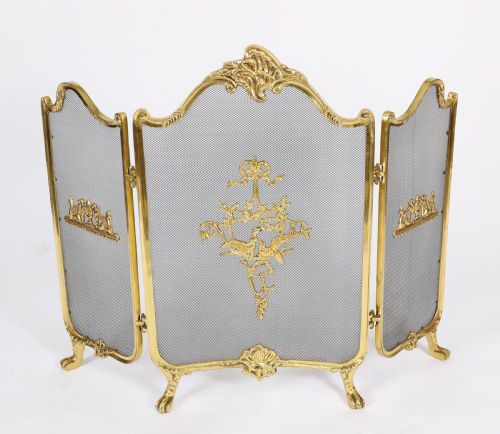
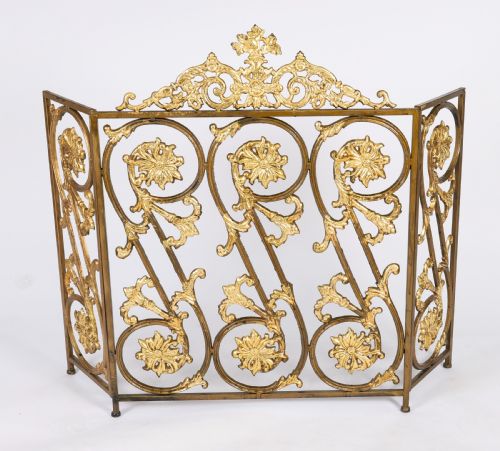
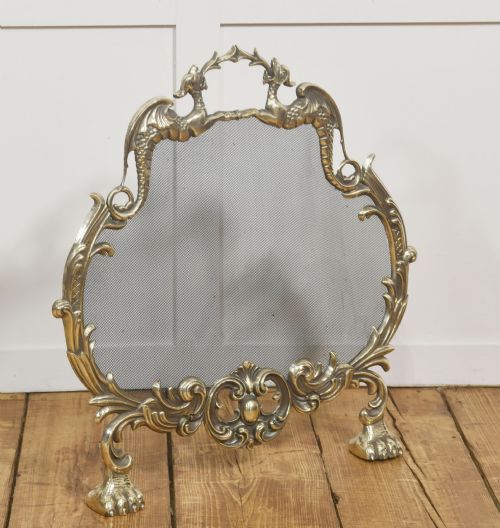
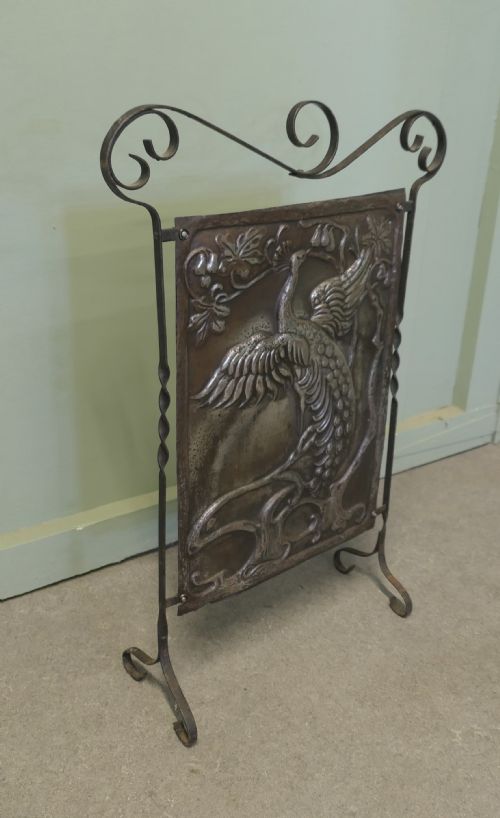
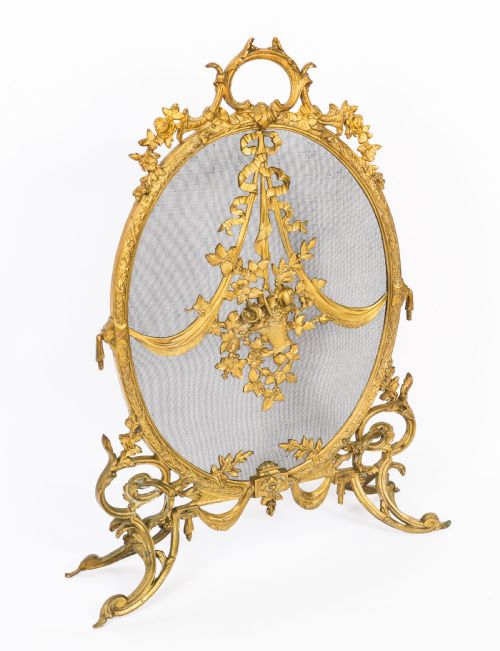
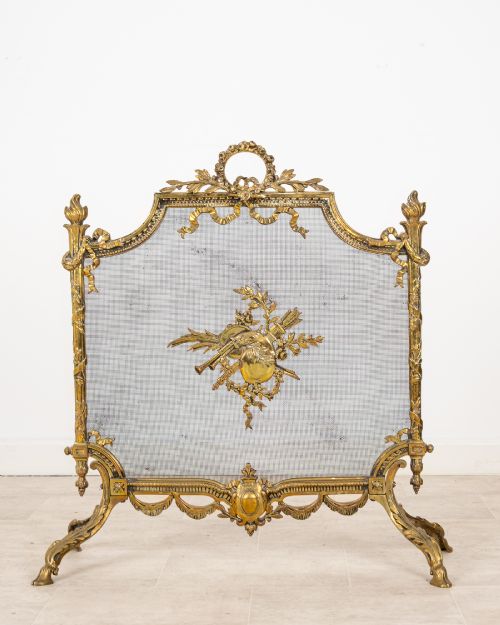
The pieces listed here span the nineteenth century into the early twentieth century, encompassing Victorian, Edwardian, and revival aesthetics. Brass and iron form the backbone of these selections, often styled with French Rococo, Arts and Crafts, or Art Nouveau motifs.
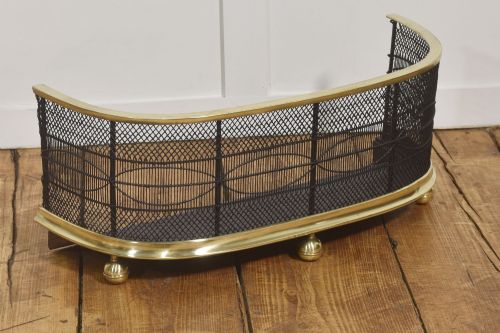
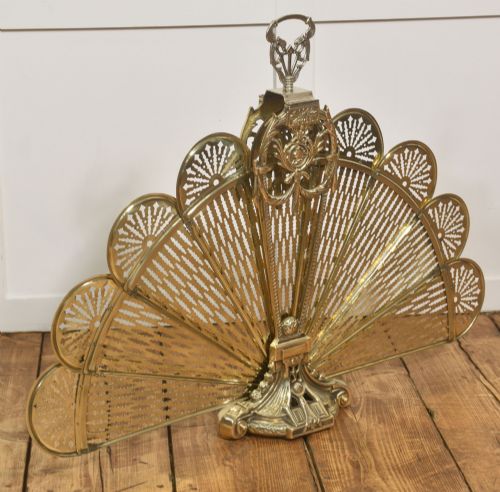
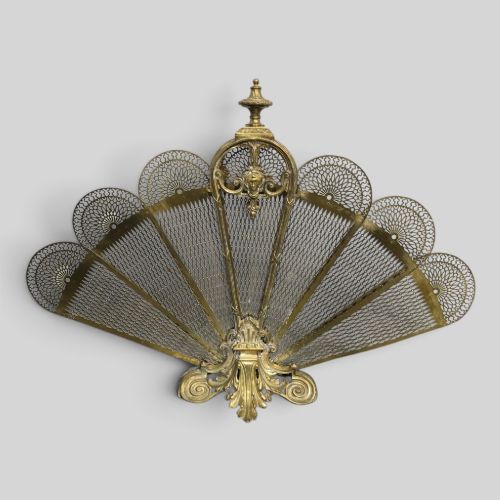
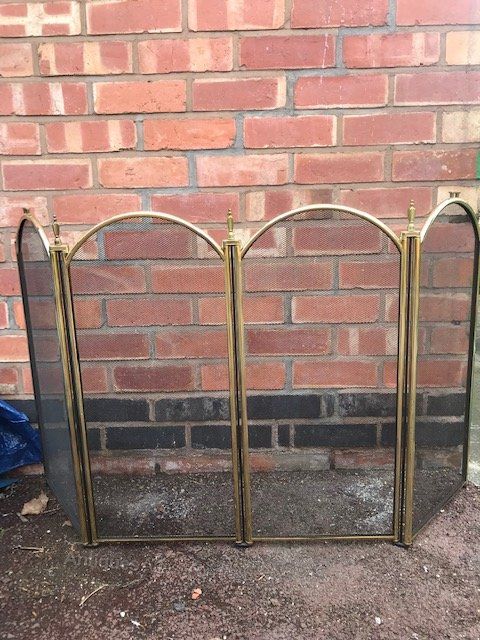
Most examples utilise metal mesh or wirework to contain sparks while maintaining visibility of the fire. Folding tripartite screens and expanding peacock fan designs appear frequently among the available domestic hearth accessories.
Materials and Construction
Craftsmen utilised metals such as brass, wrought iron, and copper, shaping them through casting, piercing, and hammering. Frames often hold fine wire mesh or glass panels designed to withstand hearth heat while containing ash and embers.
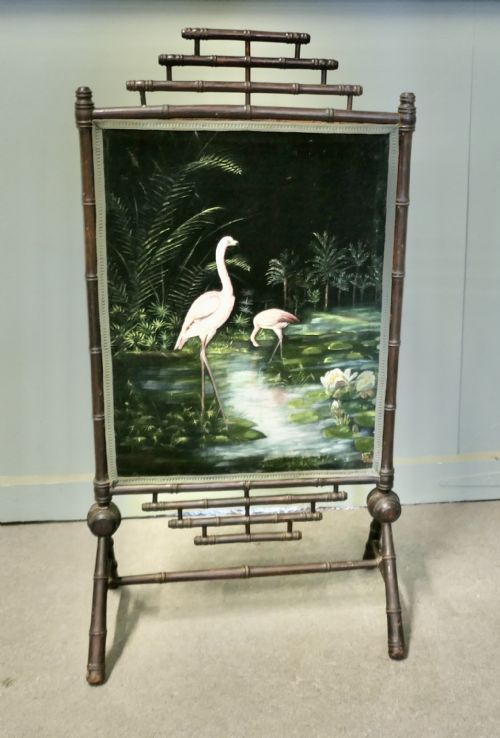
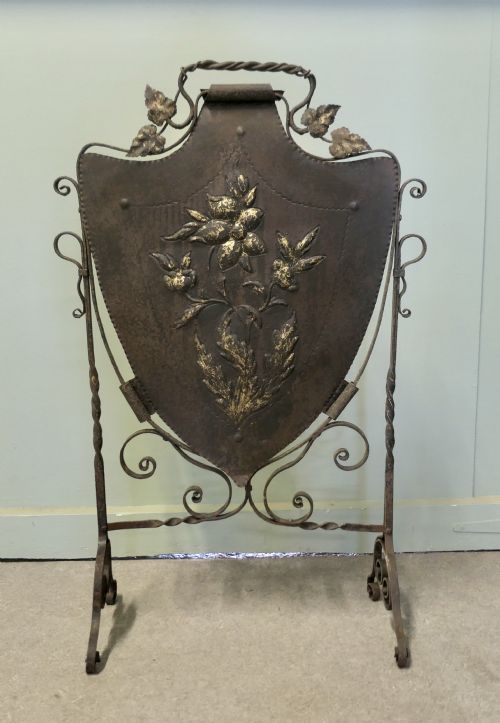
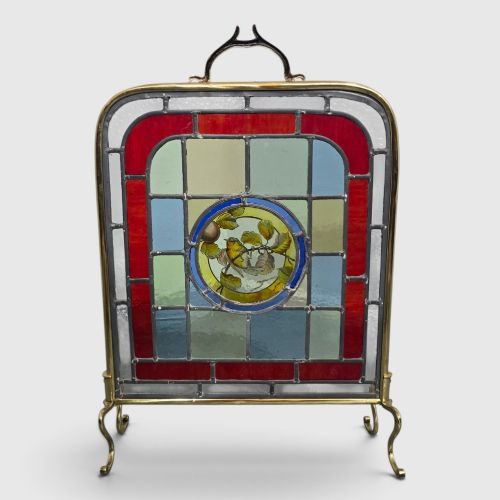
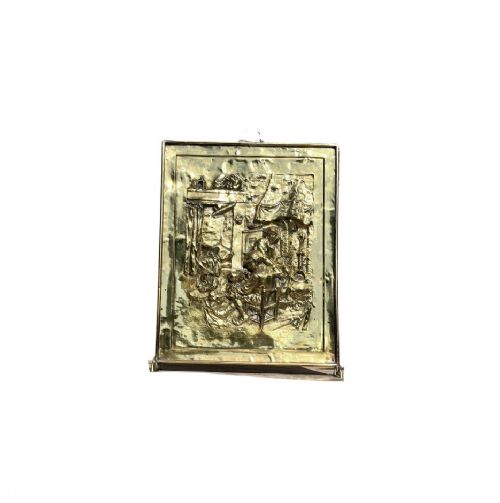
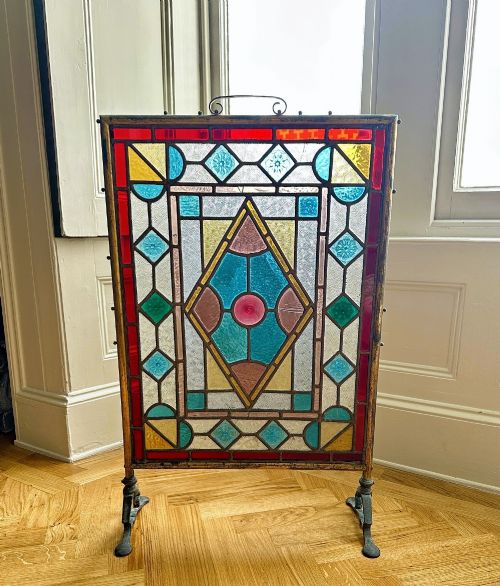
Decorative elements involve chased brass, embossed metalwork, and applied gilt bronze mounts. Some pieces incorporate stained glass or painted black lacquer panels supported by sturdy iron stands.
Stylistic influences on this page include French Rococo Revival, Arts and Crafts, Gothic Revival, and Art Nouveau.
Assessing Quality and Craftsmanship
Superior examples demonstrate meticulous hand-chasing, robust framing, and securely riveted mesh or folding hinges. Lesser items rely on stamped sheet metal with minimal hand-finishing and lighter gauges of wire.
The artistic merit of the cast ornament, particularly in French revival or Art Nouveau panels, distinguishes finer workshop production from standard domestic ironmongery.
The Fireplace Spark Screen Glossary
- Spark guard
- A protective barrier of wire mesh or metal designed to contain flying embers from an open fire. These guards often feature folding sections for flexible placement.
- Peacock screen
- A folding metal hearth screen with expanding blades that fan out to resemble a peacock tail. They open and close via a central pivot mechanism.
- Rococo revival
- A nineteenth century decorative style reviving the asymmetrical scrolls, C-scrolls, and naturalistic flora of the eighteenth century French movement. This style appears frequently on cast brass frames.
- Nursery fender
- A low metal barrier enclosing the hearth to keep children and pets at a safe distance from the fire. Some versions include integrated rails for drying garments.
- Chased brass
- Metal decorated by hammering or punching patterns from the front to create a textured relief design. This technique adds depth to floral and heraldic motifs on frames.
Fireplace Spark Screen: Frequently Asked Questions
How do I choose the right size screen?
Measure the width and height of your fireplace opening to ensure the screen covers the hearth adequately without leaving large gaps at the sides.
Consider whether you prefer a flat panel or a folding design that can adjust to different hearth dimensions.
Are these screens safe to use with modern fires?
Most antique screens utilise sturdy iron, brass, and wire mesh capable of containing embers from wood-burning or coal fires.
Verify that the mesh is intact and the frame stands stable on the hearth before use.
How do I clean a brass and iron screen?
Dust regularly with a dry cloth and remove soot using a soft brush to protect the original metal finish.
Avoid harsh chemical polishes that can strip patination from vintage brass and copper surfaces.
What is the difference between a guard and a screen?
Guards typically emphasise functional wire mesh containment for safety, whereas screens often incorporate decorative panels, stained glass, or elaborate metal framing.
Many antique pieces combine both functions by pairing protective mesh with ornate revival styling.